- Company Articles
- Products and Technology
- Product knowledge
- T-Groove Aluminum Pipe Warranty & Lifespan: What to Expect from Suppliers

T-Groove Aluminum Pipe Warranty & Lifespan: What to Expect from Suppliers
Related Product
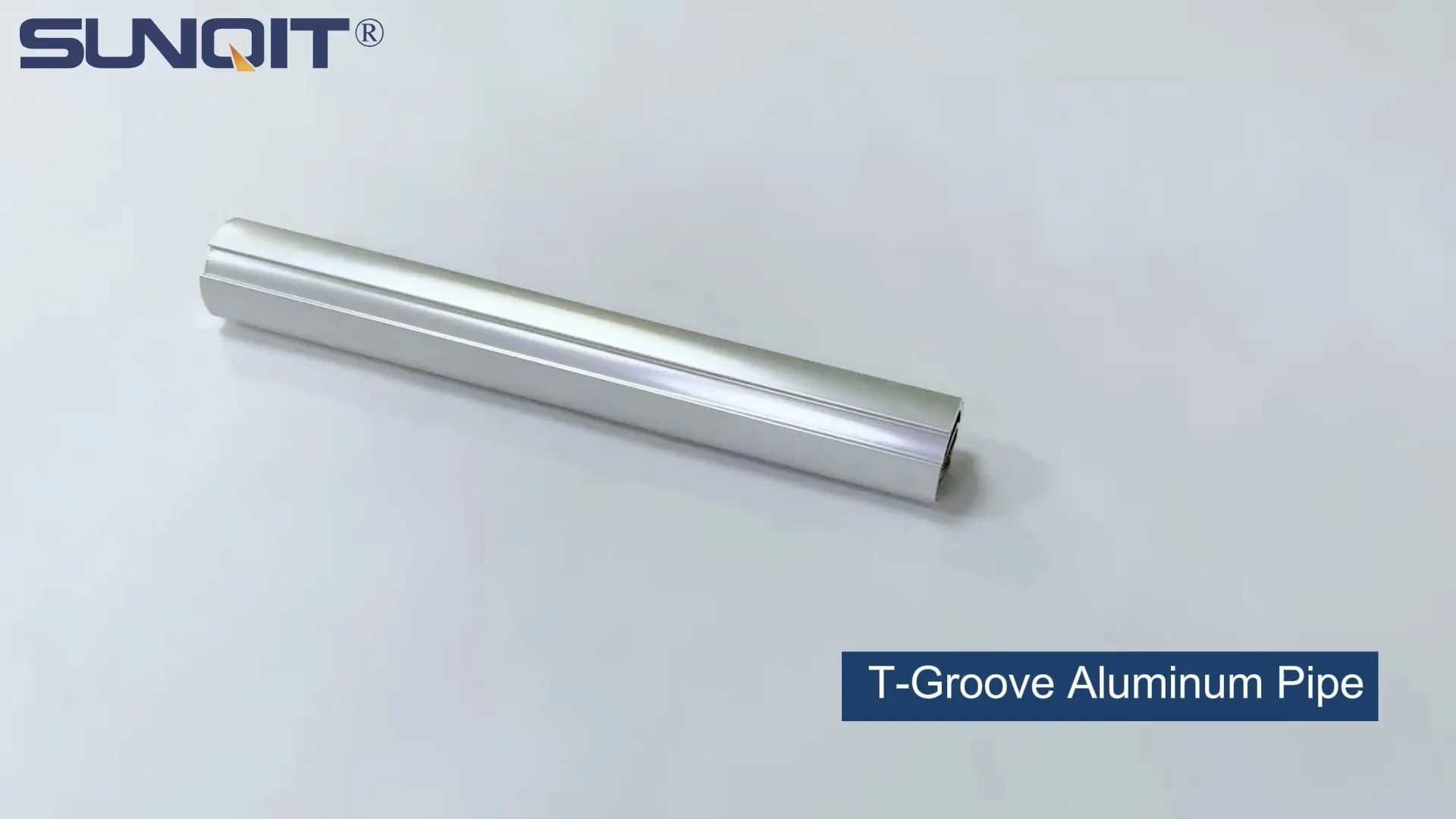
T-Groove Aluminum Pipe
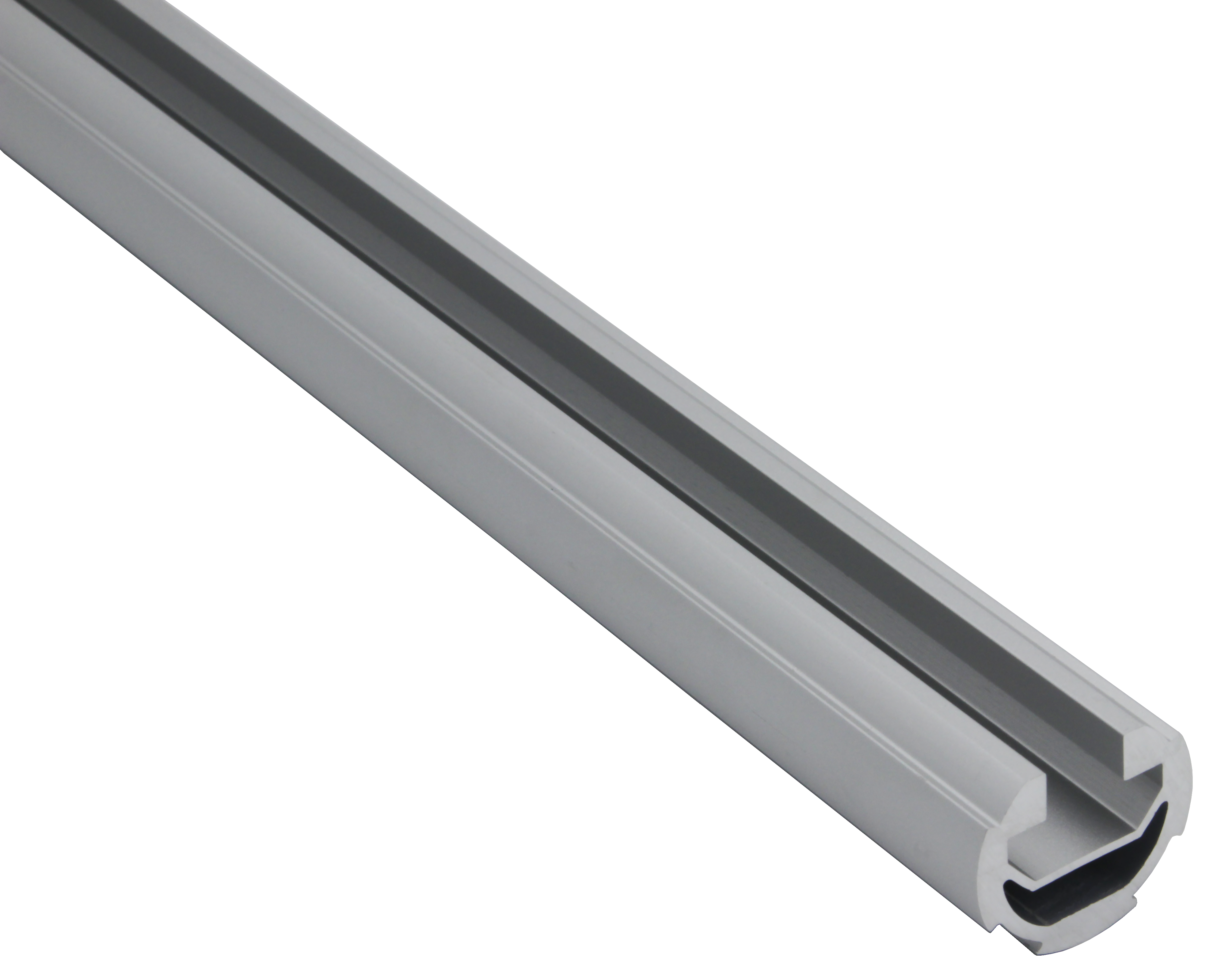
The aluminum pipe opening 10mm is installed into the T-shaped slider, which can be installed with casters or other matching functional parts. The groove can be used for positioning and is used for the track of the roller.
In the fast-paced world of manufacturing and warehousing, every component counts. From the smallest joint to the sturdiest workbench, the tools and systems you rely on directly impact productivity, safety, and your bottom line. Among these components, t-groove aluminum pipes have emerged as unsung heroes—versatile, lightweight, and infinitely adaptable, they form the backbone of everything from lean workstations to automated flow racks. But here's the thing: not all t-groove aluminum pipes (or their suppliers) are created equal. If you've ever wondered why some setups last for years while others start wobbling or corroding within months, the answer often lies in two critical factors: warranty coverage and lifespan. Let's dive into what you need to know to make smart choices, avoid costly headaches, and ensure your investment stands the test of time.
The Backbone of Modern Workspaces: Why T-Groove Aluminum Pipes Matter
Before we get into warranties and lifespans, let's take a moment to appreciate why t-groove aluminum pipes have become so indispensable. Unlike rigid steel or flimsy plastic alternatives, these pipes—often paired with aluminum profile accessories like joints, brackets, and connectors—offer a rare blend of strength and flexibility. Need a custom workbench for your assembly line? Tighten a few joints, and you've got it. Want to reconfigure a flow rack to accommodate new products? Disassemble, rearrange, and rebuild in hours, not days. This adaptability is why lean system suppliers swear by them: they align perfectly with the principles of lean manufacturing, where efficiency and agility are king.
But here's the catch: their versatility only matters if they're built to last. A t-groove pipe that bends under moderate weight or a joint that cracks after a few adjustments isn't just a nuisance—it's a bottleneck. That's where understanding warranty terms and lifespan expectations becomes crucial. Let's start with the first piece of the puzzle: warranties.
Understanding T-Groove Aluminum Pipe Warranties: What's Covered (and What's Not)
When you purchase t-groove aluminum pipes, the warranty is more than just a piece of paper—it's a promise from the supplier that they stand behind their product. But not all promises are equal. Some suppliers offer "limited lifetime warranties" that sound great until you read the fine print, while others are upfront about what they'll cover (and what they won't). Let's break down the key elements you should look for.
What's Typically Covered?
Most reputable suppliers will cover two main issues under warranty:
material defects
and
manufacturing errors
. Material defects include issues like inconsistent aluminum thickness, weak alloy composition, or hidden cracks that weren't visible during quality checks. Manufacturing errors might involve poorly formed t-grooves (which can make accessories like brackets fit loosely) or misaligned holes in joints that prevent secure assembly.
For example, if you're installing an aluminum workbench and notice that a pipe bends when you place a 50kg load on it—even though the supplier claimed it could handle 100kg—that's likely a material defect. A good supplier would replace that pipe free of charge, no questions asked. Similarly, if a connector cracks while you're tightening it (without over-torquing), that's a manufacturing error, and it should be covered.
What's Usually Not Covered?
Warranties aren't a free pass for misuse, though. Most exclude damage caused by
normal wear and tear
,
improper installation
, or
environmental abuse
. Let's clarify: normal wear and tear might include minor scratches on the pipe surface from regular use or slight loosening of joints over time (which is why maintenance matters—more on that later). Improper installation could mean using the wrong tools (like over-tightening a joint with a power drill instead of a hand tool) or exceeding weight limits specified by the supplier. Environmental abuse? Think leaving pipes exposed to saltwater spray in a coastal warehouse without proper coating or using them in a chemical plant where corrosive fumes eat away at the aluminum.
It's also worth noting that many warranties don't cover aluminum profile accessories separately unless specified. So if a joint fails because you used a third-party connector that didn't fit properly, the supplier might not replace the pipe—or the joint. Always check if accessories are covered under the same warranty as the pipes themselves.
To make this clearer, let's compare typical warranty terms from different types of suppliers. The table below outlines common offerings you might encounter:
| Supplier Type | Warranty Duration | Coverage Includes | Common Exclusions | Support Offered |
|---|---|---|---|---|
| Budget/Generic Suppliers | 3–6 months | Only major material defects (e.g., pipe snapping under no load) | Wear and tear, accessories, installation errors, environmental damage | Limited—email-only support, long response times |
| Mid-Range Suppliers | 1–3 years | Material defects, manufacturing errors, some accessories (if purchased together) | Excessive weight loads, improper installation, harsh chemicals | Phone/email support, basic replacement process |
| Reputable Lean System Suppliers | 3–5 years (some lifetime on structural components) | Material defects, manufacturing errors, all accessories, even accidental damage (in some cases) | Intentional misuse, unauthorized modifications | Dedicated account managers, on-site inspections, rapid replacements |
Notice the trend? The longer and more comprehensive the warranty, the more confidence the supplier has in their product. And that confidence usually comes from rigorous quality control—like testing pipes to withstand 120% of their rated weight or using high-grade aluminum alloys that resist corrosion.
Lifespan Expectations: How Long Should Your T-Groove Aluminum Pipes Last?
Warranties are important, but they're just a safety net. What you really want to know is:
how long can I expect these pipes to actually work for me?
The answer depends on four key factors: material quality, environment, usage, and maintenance. Let's unpack each one.
1. Material Quality: It Starts with the Aluminum
Not all aluminum is the same. The grade, thickness, and processing of the aluminum used in t-groove pipes have a huge impact on lifespan. Most high-quality pipes are made from 6063-T5 aluminum alloy—a heat-treated grade known for its strength, corrosion resistance, and weldability. Thickness matters too: pipes with a wall thickness of 1.5mm or more (common in industrial settings) will outlast thinner 0.8mm pipes, especially under heavy loads.
Aluminum profile accessories play a role here too. A pipe is only as strong as the joints holding it together. Cheap plastic connectors might crack after a few assemblies, while die-cast aluminum joints with reinforced threads can last decades. Reputable suppliers will often use accessories made from the same high-grade aluminum as the pipes, ensuring compatibility and durability across the entire system.
2. Environment: Where You Use Them Matters
Aluminum is naturally resistant to rust, but that doesn't make it invincible. Humidity, temperature extremes, and exposure to chemicals can all take a toll. For example:
- Humid environments (like coastal warehouses or food processing plants) can cause oxidation over time, leading to a dull, powdery finish. While this doesn't usually affect structural integrity, it can weaken joints if left unchecked.
- High-temperature areas (near furnaces or industrial ovens) might cause the aluminum to expand and contract, loosening joints over time.
- Chemical exposure (oils, solvents, or cleaning agents) can corrode the pipe's surface or degrade the finish, making it more prone to damage.
3. Usage: How Hard Are You Working Them?
Let's be real: a t-groove pipe used in a lightweight assembly workbench (where it holds small tools and parts) will last longer than one in a heavy-duty flow rack that's loaded with 20kg boxes 12 hours a day. Usage intensity includes:
- Weight loads : Exceeding the supplier's weight rating is a surefire way to shorten lifespan. A pipe rated for 80kg shouldn't be expected to hold 150kg regularly.
- Frequency of reconfiguration : T-groove pipes are designed to be assembled and disassembled, but every time you take apart a joint, you slightly wear the threads. If you're reconfiguring your setup weekly, expect joints to loosen faster than if you leave them in place for years.
- Mechanical stress : Pipes in dynamic systems (like roller tracks on a conveyor) experience constant vibration and movement, which can fatigue the material over time.
4. Maintenance: A Little Care Goes a Long Way
Even the best pipes won't last if you ignore them. Simple maintenance habits can extend lifespan significantly:
- Clean regularly : Wipe down pipes with a soft cloth to remove dust, oil, or chemicals. For humid environments, a monthly wipe with a dry cloth prevents oxidation.
- Tighten joints : Check connections quarterly—especially in high-vibration areas. Loose joints cause stress on the pipes, leading to bending or cracking.
- Lubricate moving parts : If your system includes roller tracks or casters (common in flow racks), a drop of lubricant on bearings every 6 months reduces friction and wear.
- Inspect for damage : Look for dents, cracks, or bent sections. A small dent might seem harmless, but it weakens the pipe's structural integrity, making it prone to failure under load.

Choosing the Right Supplier: More Than Just a Price Tag
By now, you understand that warranty terms and lifespan depend a lot on the pipe's quality—but quality starts with the supplier. So what should you look for when choosing a t-groove aluminum pipe supplier? Let's go beyond the basics.
1. They Prioritize Quality Control
Reputable suppliers don't just "make" pipes—they test them. Ask about their quality control processes: Do they test pipe strength before shipping? How do they inspect accessories like joints and brackets? Can they provide material certificates (like alloy composition reports)? A supplier that's transparent about these details is one that stands behind their product. For example, lean system suppliers often have rigorous testing protocols because their entire business depends on the reliability of the systems they build (which, of course, use t-groove pipes).
2. They Offer More Than Just Pipes
The best suppliers are partners, not just vendors. They should offer a full range of aluminum profile accessories (joints, brackets, end caps) that are designed to work seamlessly with their pipes. Why does this matter? Mismatched accessories (like using a generic plastic joint with a high-grade aluminum pipe) can cause uneven stress, leading to premature failure. A supplier that provides integrated solutions—like aluminum workbenches, flow racks, and trolleys—shows they understand how their products work together in real-world settings.
3. Their Customer Support Doesn't End at Delivery
Ever tried to get a replacement part from a supplier six months after purchase? If they're hard to reach or unresponsive, that "great warranty" isn't worth much. Look for suppliers with dedicated customer support teams, clear replacement processes, and even on-site assistance if needed. For example, some lean system suppliers will send a technician to inspect your setup if you're having issues, helping you diagnose problems (like improper installation) before they lead to bigger failures.
Case Study: The Cost of Cutting Corners
Let's put this all into perspective with a real-world example. A mid-sized electronics manufacturer needed to build 20 new assembly workbenches. They chose a budget supplier offering t-groove pipes at 30% below market price, with a 6-month warranty. Six months later, three workbenches started wobbling—upon inspection, the pipes had bent under the weight of tools and components. The supplier claimed "improper use" and refused to replace them. The manufacturer had to buy new pipes from a reputable lean system supplier, costing them twice as much as if they'd invested in quality upfront. Plus, downtime from replacing the workbenches cost them even more in lost productivity. Moral of the story: when it comes to t-groove aluminum pipes, you get what you pay for.

Maximizing Your Investment: Tips for Longevity
So, you've chosen a reputable supplier with a solid warranty. Now what? Here are a few pro tips to ensure your t-groove aluminum pipes last as long as possible:
- Over-engineer slightly : If a pipe is rated for 100kg, aim for 70–80kg loads to reduce stress.
- Use protective end caps : These prevent dust and debris from getting into t-grooves, which can jam accessories like brackets.
- Train your team : Make sure everyone knows the weight limits and proper assembly techniques. A quick 10-minute training session can prevent a lot of damage.
- Document your setup : Keep records of when pipes were installed, weight loads, and maintenance checks. This helps you spot patterns (like pipes in a certain area failing faster) and address issues early.
Conclusion: Your Pipes, Your Productivity
T-groove aluminum pipes might not be the most glamorous part of your workspace, but they're foundational. Their warranty and lifespan directly impact your ability to operate efficiently, safely, and cost-effectively. By choosing a supplier that prioritizes quality, offers clear warranties, and supports you beyond delivery, you're not just buying pipes—you're investing in the long-term success of your operations.
Remember: a warranty is a promise, but lifespan is a partnership. With the right supplier, proper usage, and a little maintenance, your t-groove aluminum pipes will be supporting your team, your products, and your bottom line for years to come.