- Company Articles
- Products and Technology
- Installation And Maintenance
- T Slot Aluminum Pipe and Rotational Fittings: Seamless Assembly Guide

T Slot Aluminum Pipe and Rotational Fittings: Seamless Assembly Guide
Related Product
T Slot Aluminum Pipe
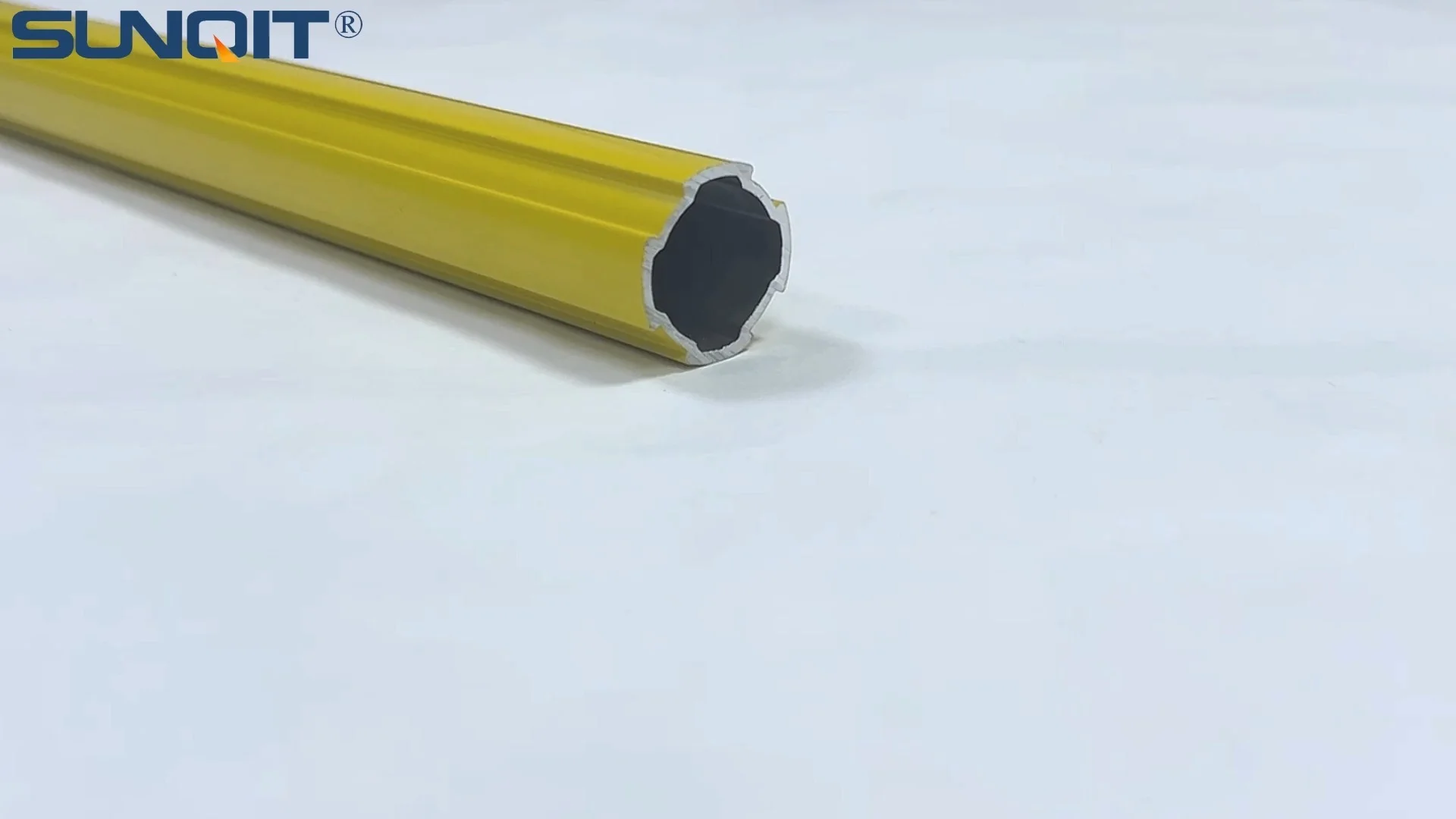
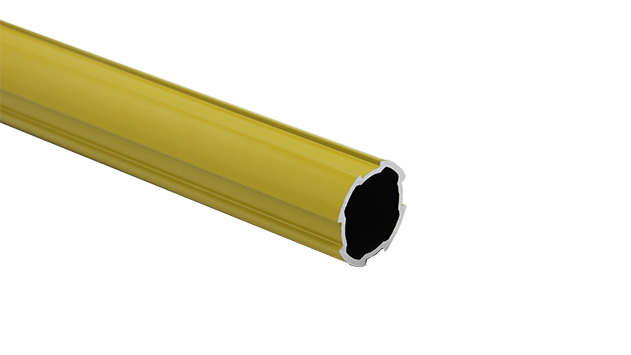
Aluminum pipe, it is used for workbench, flow rack,hand trolley assemble work with advantage of flexible and durable, yellow color makes it more attactive as a caution remind.
If you've ever walked through a busy factory floor, a well-organized warehouse, or even a high-efficiency home workshop, you've probably seen the unsung heroes of industrial organization: structures built with T Slot Aluminum Pipe and rotational fittings. These unassuming components—simple pipes, joints, and accessories—are the backbone of flexible, customizable workspaces. Unlike rigid, one-size-fits-all metal frames, T Slot Aluminum Pipe and rotational fittings let you build, adapt, and reconfigure everything from workbenches to material racks with ease. Whether you're a small business owner looking to optimize your assembly line or a DIY enthusiast crafting a garage setup, this guide will walk you through the seamless assembly process, demystifying the components and empowering you to create structures that grow with your needs.
Why T Slot Aluminum Pipe? The Basics of a Game-Changing Material
Let's start with the star of the show: T Slot Aluminum Pipe. What makes it so special? Unlike traditional steel pipes or even basic aluminum tubes, T Slot Aluminum Pipe features a unique "T-shaped" groove running along its length. This groove isn't just a design quirk—it's a functional powerhouse. It allows you to slide in fittings, brackets, and accessories without drilling holes or welding, turning a simple pipe into a modular building block. Think of it as adult Legos, but sturdier, corrosion-resistant, and built for real-world heavy lifting.
Aluminum, by nature, is lightweight yet surprisingly strong—perfect for structures that need to be both durable and movable. Its natural resistance to rust means it holds up in damp environments, from warehouses with high humidity to outdoor workshops. And because it's non-magnetic and non-sparking, it's safe for use in sensitive settings like electronics manufacturing or chemical labs. When paired with rotational fittings, which allow parts to pivot, swivel, or rotate, T Slot Aluminum Pipe transforms from a static material into a dynamic tool for problem-solving.
Meet Your Toolkit: Key Components to Know
Before diving into assembly, let's get familiar with the core components you'll be working with. While the list of aluminum profile accessories can seem overwhelming at first, we'll focus on the essentials that make T Slot Aluminum Pipe assemblies tick:
1. T Slot Aluminum Pipe
Available in various lengths (from 1 foot to 10 feet) and widths (common sizes include 20x20mm, 30x30mm, and 40x40mm), these pipes are the "bones" of your structure. The T-slot runs the entire length, allowing accessories to lock in place with bolts or clips—no drilling required.
2. Rotational Fittings: The "Joints" of Flexibility
Rotational fittings are what set T Slot Aluminum Pipe apart from rigid systems. Take the internal rotatory aluminum joint , for example: this small but mighty component lets two pipes connect at angles that can be adjusted on the fly. Need a workbench that tilts for better ergonomics? Or a material rack that can fold flat for storage? Rotational fittings make it possible. Unlike fixed joints, they allow 360-degree rotation (some models) or fixed-angle swiveling, giving you the freedom to tweak your design as needs change.
3. Aluminum Profile Accessories: The Finishing Touches
These are the details that turn a basic frame into a functional tool. Think caster wheels for mobility (lockable ones keep structures steady when in use), aluminum guide rail A for sliding trays or conveyor systems, and roller track connectors to link sections of roller tracks for smooth material flow. Even small parts like end caps (to cover sharp pipe edges) or rubber strips (to dampen noise) fall into this category—proof that the little things matter in assembly.
| Guide Rail Type | Key Features | Best For | Compatibility |
|---|---|---|---|
| Aluminum Guide Rail A | Narrow profile (15mm width), smooth surface, pre-drilled T-slot holes | Lightweight sliding trays, small-part conveyors | 20x20mm, 30x30mm T Slot Aluminum Pipe |
| Aluminum Guide Rail B | Wider base (25mm width), reinforced edges, higher load capacity | Heavy tool storage racks, industrial material flow | 40x40mm, 40x80mm T Slot Aluminum Pipe |
Tools You'll Need: No Fancy Equipment Required
One of the best things about T Slot Aluminum Pipe assembly is that you don't need a workshop full of power tools. Here's what you'll want to have on hand:
- Hex key set : Most T Slot accessories use metric hex bolts (common sizes: 3mm, 4mm, 5mm). A folding hex key set is compact and easy to store.
- Rubber mallet : For gently tapping joints into place without damaging the aluminum finish.
- Measuring tape & straightedge : To ensure your pipes are cut to the right length (if needed) and your structure is square.
- Level : A small 2-foot spirit level helps keep shelves and rails from tilting.
- Marker or pencil : For marking cut lines or alignment points on pipes.
- Deburring tool (optional) : If you cut pipes, this smooths sharp edges—safer for hands and prevents snags on materials.
Pro tip: If you're new to assembly, start with a basic kit. Many suppliers offer starter packs with T Slot Aluminum Pipe, a few rotational fittings, and common accessories like caster wheels—perfect for practicing before tackling larger projects.

Step-by-Step Assembly: Building a Mobile Workbench
Let's put theory into practice by building a simple but versatile mobile workbench. This project uses T Slot Aluminum Pipe, internal rotatory aluminum joints, aluminum guide rail A, and caster wheels—showcasing how these components work together seamlessly. Estimated time: 1–2 hours (even for beginners).
Step 1: Plan Your Design (5 Minutes)
Sketch a rough outline of your workbench. For this example, we'll make a 4-foot long, 2-foot deep bench with a 30-inch height (standard for standing work) and caster wheels for mobility. List the parts you'll need:
- 4 pieces of T Slot Aluminum Pipe (30x30mm) cut to 30 inches (legs)
- 4 pieces of T Slot Aluminum Pipe (30x30mm) cut to 48 inches (frame rails)
- 4 pieces of T Slot Aluminum Pipe (30x30mm) cut to 24 inches (frame crossbars)
- 4 internal rotatory aluminum joints (to connect legs to frame)
- 1 sheet of plywood or aluminum panel (48x24 inches, ½-inch thick) for the worktop
- 4 lockable caster wheels (with mounting plates that fit 30x30mm pipe)
- 1 length of aluminum guide rail A (48 inches) for a side tool tray
- 8 hex bolts (M5x16mm) and T-slot nuts (to secure the worktop)
Step 2: Assemble the Frame (30 Minutes)
Start by building the rectangular frame for the workbench top. Lay out the 48-inch and 24-inch pipes on a flat surface, forming a rectangle. Connect the corners using T-slot corner brackets (or 90-degree fixed joints—save the rotational ones for the legs!). Tighten the hex bolts just enough to hold the shape (you'll fully tighten later).
Next, attach the legs. Slide an internal rotatory aluminum joint onto the bottom of each 30-inch leg pipe. The beauty of rotational joints here? They let you adjust the leg angle slightly if your floor isn't perfectly level later. Connect each joint to the corners of the frame, hand-tightening the bolts first. Once all four legs are attached, use your level to check if the frame is square—adjust the rotational joints as needed until the bubble is centered.
Step 3: Add Mobility with Caster Wheels (15 Minutes)
Flip the frame upside down so the legs are pointing up. Mount the caster wheels to the bottom of each leg using the included bolts (most caster plates have pre-drilled holes that align with the T-slot in the pipe). Tighten the bolts firmly—wobbly casters are a safety hazard! Once all four are on, flip the bench right-side up and give it a gentle push. It should roll smoothly; if not, check that the casters are all facing the same direction and the bolts are tight.
Step 4: Install the Worktop and Guide Rail (20 Minutes)
Place the plywood or aluminum panel on top of the frame. Center it so there's equal overhang on all sides (about ½ inch). To secure it, slide T-slot nuts into the frame's T-slots (under the panel), aligning them with pre-drilled holes in the panel (or drill small pilot holes if using plywood). Screw the M5 bolts through the panel and into the T-slot nuts, tightening until the worktop feels solid (don't over-tighten—you could crack the panel).
Finally, attach aluminum guide rail A to one side of the frame using T-slot bolts. This rail will hold a sliding tool tray (you can buy pre-made trays or make one from thin aluminum sheet). Slide the tray onto the rail—it should glide smoothly; if it sticks, check that the rail is level and the bolts aren't too tight.
Step 5: Fine-Tune and Test (10 Minutes)
Give all bolts a final tighten with your hex key—focus on the rotational joints, as these take the most stress. Lock the caster wheels and stand back. Does the bench wobble? If so, adjust the rotational legs slightly until it feels stable. Load the worktop with a few heavy tools (a drill, hammer, etc.) to test weight capacity—T Slot Aluminum Pipe with 30x30mm profile easily handles 200+ pounds.

Troubleshooting Common Hiccups
Even pros run into snags—here's how to fix the most common issues:
Loose Joints
If a rotational joint or bracket feels wobbly, first check if the bolt is fully tightened. If that doesn't work, add a drop of thread-locking fluid (like Loctite Blue) to the bolt threads—this prevents loosening from vibration without making it permanent.
Sticky Sliding Parts (e.g., Aluminum Guide Rail A)
Dust or debris in the T-slot can cause trays to stick. Wipe the rail with a dry cloth, then apply a tiny amount of silicone lubricant (avoid oil-based lubes—they attract more dust). If the tray still sticks, check the roller track connector (if using roller track instead of a smooth rail)—it might be misaligned. Loosen the connector bolts, realign, and retighten.
Caster Wheels Wobbling
Wobbly casters are usually due to loose axle nuts or uneven weight distribution. Tighten the axle nut with a wrench, and make sure the bench legs are all the same length. If one caster wears out faster than the others, replace all four at once—mismatched wheels cause more wobbling.
Beyond the Workbench: Real-World Applications
T Slot Aluminum Pipe and rotational fittings aren't just for workbenches—their flexibility makes them ideal for countless industrial and DIY projects. Here are a few ideas to spark your creativity:
Material Racks for Warehouses
Use 40x40mm T Slot Aluminum Pipe and aluminum guide rail B to build adjustable shelving. Rotational fittings let you tilt shelves for better access to bins, while caster wheels make the entire rack mobile—perfect for reorganizing stockrooms in minutes.
Assembly Line Conveyors
Pair roller track (connected with roller track connectors) with T Slot Aluminum Pipe frames to create custom conveyors. Rotational joints allow the conveyor to slope gently, moving parts from one workstation to the next without manual lifting.
Garage Storage Systems
Build wall-mounted tool racks using aluminum profile accessories like hooks and brackets. Rotational fittings let you swing tools out of the way when not in use, maximizing space in small garages.
Maintenance: Keeping Your Assembly Strong for Years
T Slot Aluminum Pipe is built to last, but a little care goes a long way:
- Clean regularly : Wipe down pipes and fittings with a damp cloth to remove dust and grease—this prevents corrosion and keeps moving parts (like rotational joints) smooth.
- Lubricate moving parts : Every 3–6 months, apply a drop of silicone lubricant to rotational joints and caster wheel axles. Avoid WD-40 (it's a cleaner, not a lubricant) and oil-based products (they attract dirt).
- Check for wear : Inspect caster wheels for cracks or flat spots, and replace them if they start to wobble. Tighten any loose bolts—vibration from daily use can loosen them over time.
- Protect from heavy impacts : Aluminum is strong, but it can dent if hit with heavy tools. Add rubber edge guards to workbench corners if kids or clumsy coworkers are around.
Final Thoughts: The Power of Customization
At the end of the day, T Slot Aluminum Pipe and rotational fittings are more than just building materials—they're tools for problem-solving. Whether you're optimizing a factory floor, organizing a workshop, or building a custom cart for your home, they put the power of design in your hands. No engineering degree, no expensive tools, no waiting for custom fabricators—just simple, modular components that adapt to your needs.
So grab a few pipes, a handful of rotational joints, and start small. Build that mobile workbench, then expand to a material rack, then a conveyor. Before you know it, you'll wonder how you ever worked with rigid, one-size-fits-all furniture. The future of organization isn't about buying what's available—it's about building what works.