- Company Articles
- Products and Technology
- Product knowledge
- T Slot Aluminum Pipe Connectors: Types and Selection Criteria

T Slot Aluminum Pipe Connectors: Types and Selection Criteria
Related Product
T Slot Aluminum Pipe
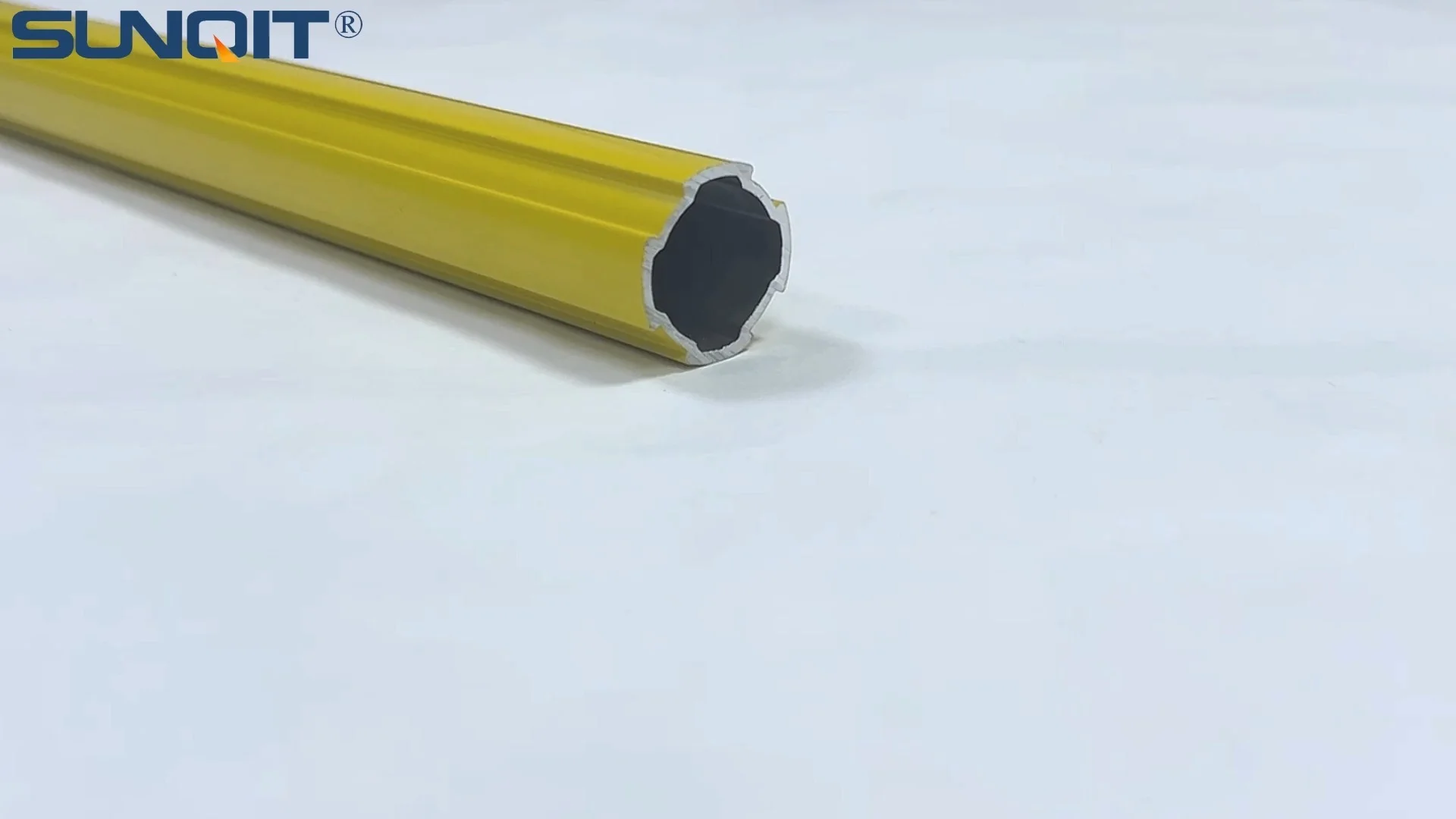
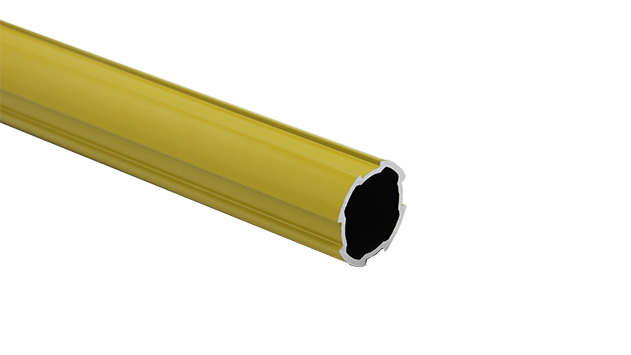
Aluminum pipe, it is used for workbench, flow rack,hand trolley assemble work with advantage of flexible and durable, yellow color makes it more attactive as a caution remind.
In the world of manufacturing, warehousing, and lean operations, the difference between a smooth, efficient workflow and a chaotic, stagnant one often lies in the tools we use to build our workspaces. Every rack, workbench, and conveyor system is a puzzle—and the pieces that hold those puzzles together? T slot aluminum pipe connectors. These unassuming components are the unsung heroes of modular design, turning simple aluminum pipes into flexible, adaptable structures that grow and change with your business. Whether you're setting up a new assembly line, revamping a warehouse, or building a custom workstation, understanding the types of T slot aluminum pipe connectors and how to choose the right ones can save you time, money, and endless headaches down the line. Let's dive into the world of these critical components and explore how they form the backbone of any robust lean system.
What Are T Slot Aluminum Pipe Connectors?
Before we jump into types and selection, let's make sure we're on the same page: what exactly are T slot aluminum pipe connectors? Imagine (oops, scratch that—let's say, picture) an aluminum pipe with a long, narrow groove running along its length—that's a T slot aluminum pipe. The "T slot" refers to the shape of this groove, which is designed to lock into specialized connectors. These connectors, made from durable materials like aluminum alloy or reinforced plastic, slide into the T slots and secure pipes together at various angles, creating stable, customizable structures without the need for welding, drilling, or permanent fasteners.
The beauty of T slot systems lies in their modularity. Unlike traditional fixed structures, which require professional installation and are nearly impossible to modify, T slot aluminum pipe connectors let you assemble, disassemble, and reconfigure your setup in minutes. Need to add a shelf to your workbench? Swap out a straight connector for a three-way. Want to adjust the height of a material rack? Loosen a few connectors, reposition the pipes, and tighten them back up. This flexibility is why T slot systems are a cornerstone of lean system principles—they minimize waste, reduce downtime, and empower teams to adapt on the fly.
Types of T Slot Aluminum Pipe Connectors
Not all connectors are created equal. Just as every project has unique needs, there are different types of T slot aluminum pipe connectors designed to handle specific angles, loads, and applications. Let's break down the most common types you'll encounter, focusing on their design, uses, and what makes each one stand out.
1. 90° Aluminum Profile Connector
The 90° aluminum profile connector is the workhorse of the T slot world. As the name suggests, it joins two pipes at a perfect right angle—think the corner of a workbench, the vertical supports of a material rack, or the frame of a turnover trolley. These connectors are typically L-shaped, with prongs that fit snugly into the T slots of two perpendicular pipes. Most are made from high-strength aluminum alloy, though some heavy-duty versions use reinforced plastic or stainless steel for added durability.
What makes the 90° connector so versatile? Its simplicity. It's easy to install: just slide the prongs into the T slots, tighten the set screws (usually with a hex key), and you've got a rock-solid joint. This reliability makes it ideal for static structures like workbench e (single deck, without casters) or material rack b (3 row and 3 floor), where stability is non-negotiable. However, it's worth noting that most 90° connectors are fixed-angle, meaning once installed, you can't adjust the angle without disassembling—so measure twice, connect once!
Common applications include: right-angle corners in workbenches, vertical supports for shelving units, frame edges of conveyor systems, and bases of static material racks. If you're building something with square or rectangular frames, chances are you'll reach for a 90° aluminum profile connector more than any other type.
2. 45° Aluminum Profile Connector
When your project calls for slopes, ramps, or angled supports, the 45° aluminum profile connector steps in. This connector joins two pipes at a 45-degree angle, creating gentle inclines or declines that are perfect for guiding materials along a conveyor or adding ergonomic slopes to workstations. Unlike the 90° connector, which is all about rigidity, the 45° version is designed for flow—think of it as the connector that helps materials "roll" smoothly from one stage to the next.
Design-wise, 45° connectors look similar to their 90° counterparts but with a more acute angle between the prongs. Many feature reinforced joints to handle the lateral stress that comes with angled loads (like a conveyor track sloping downward). Some even come with swivel mechanisms, allowing for (fine adjustment) of the angle before locking it in place—handy for projects where precision is key, such as aligning roller track with a workstation.
Where do you see 45° connectors in action? They're indispensable for inclined roller tracks, such as those used to feed parts from a higher shelf to a lower assembly line. They're also common in ergonomic workstations, where a 45° slope on the surface reduces strain on workers' wrists. Turnover trolleys with sloped shelves often use 45° connectors to keep bins from sliding off during transport. If your lean system relies on gravity to move materials, the 45° aluminum profile connector is your best friend.
3. 135° Aluminum Profile Connector
If the 90° connector is for corners and the 45° is for slopes, the 135° aluminum profile connector is for "soft" corners—those where a 90° angle feels too sharp. Imagine a workstation where a countertop wraps around a corner but needs to curve gently, or a material rack that needs to fit into an awkwardly shaped space. The 135° connector, which joins pipes at an obtuse angle (135 degrees, or 90° + 45°), creates those smooth, wide turns that make tight spaces feel more open and functional.
These connectors are less common than 90° or 45° versions, but they're critical for custom projects. They're often used in pairs to create "U" shapes or wide arcs, such as the perimeter of a collaborative workspace or the edge of a circular material staging area. Like other angle connectors, they're typically made from aluminum alloy and secure via set screws, though some heavy-duty models include additional locking pins for extra stability.
Practical applications? Think of a quality control station where inspectors need to stand on two sides of a workbench—the 135° connector can create a wide corner that lets two people work comfortably without bumping into each other. They're also useful for wrapping conveyor systems around obstacles, like pillars in a warehouse, by creating gradual bends instead of sharp turns that might jam materials. If you've ever worked in a space that felt "designed around people" rather than vice versa, there's a good chance 135° connectors played a role.
4. Three Way Aluminum Profile Connector
Sometimes, you need to connect more than two pipes—and that's where the three way aluminum profile connector shines. As the name implies, this connector joins three pipes at a single point, creating T-junctions, Y-junctions, or even cross-shaped structures. It's the ultimate multitasker, turning a simple line of pipes into a branching network that can support shelves, add side rails, or split a conveyor into two paths.
Three way connectors come in two main styles: fixed and swivel. Fixed three way connectors lock the three pipes at a specific angle (often 90°/90° for T-junctions or 60°/60°/60° for Y-junctions), while swivel versions let you rotate the pipes before tightening, allowing for custom angles. The latter is especially useful for projects where you need to experiment with layout—like a material rack that needs to branch into two directions to feed different assembly lines.
One of the most common uses for three way connectors is in modular shelving. For example, a material rack b (3 row and 3 floor) might use three way connectors to attach horizontal shelf supports to vertical posts, creating multiple levels for storage. They're also key in conveyor systems, where a main track might split into two smaller tracks using a Y-shaped three way connector. In workbenches, they can add side extensions for tool holders or extra workspace. If your project involves branching or adding "arms" to a structure, the three way aluminum profile connector is non-negotiable.
Selection Criteria: How to Choose the Right Connector
Now that we've covered the main types of T slot aluminum pipe connectors, let's talk about how to pick the right one for your project. It's not just about matching the angle—you need to consider load capacity, application, material compatibility, and even future adjustability. Here's a breakdown of the key factors to keep in mind:
1. Load Capacity: How Much Weight Will It Bear?
First and foremost: what's the maximum weight the connector will need to support? A flimsy plastic connector might work for a lightweight tool shelf, but it'll buckle under the weight of heavy machinery parts on a material rack. Most manufacturers list load ratings for their connectors (e.g., "supports up to 50kg per joint"), so always check the specs.
Consider both static and dynamic loads. Static loads are stationary (like a stack of boxes on a shelf), while dynamic loads move (like parts sliding down a roller track). Dynamic loads exert more stress on connectors, so opt for heavy-duty versions (like those made from aluminum alloy or stainless steel) if your structure will handle moving materials. For example, a roller track with swivel roller balls (1 inch) transporting metal components will need sturdier connectors than a static workbench holding light tools.
2. Application: What's the Structure For?
The type of structure you're building will heavily influence your connector choice. A workbench used for assembly work has different needs than a conveyor system or a mobile turnover trolley. For static structures (workbench e, material rack b), prioritize fixed-angle connectors like the 90° or three way (fixed) for stability. For dynamic structures (conveyors, inclined tracks), consider swivel or adjustable connectors (like some 45° models) that can handle movement and (fine adjustment).
ESD workstations are a special case. If you're building a workspace for electronics manufacturing, where electrostatic discharge (ESD) can damage sensitive components, look for ESD-safe connectors—usually made from conductive materials that dissipate static. These are often labeled as "ESD workstation compatible" and are critical for avoiding costly product damage.
3. Material Compatibility: Match the Pipe
T slot aluminum pipe connectors are designed to work with specific pipe types—don't mix and match! Most connectors are made for aluminum pipes, but if you're using stainless steel pipe series or basic aluminum tube, you'll need connectors that fit those diameters and slot sizes. For example, a connector designed for 20mm aluminum pipe won't work with 30mm stainless steel pipe—the prongs won't fit the T slot, and the joint will be loose (and unsafe).
Also, consider the environment. If your workspace is humid, corrosive (like a food processing plant), or exposed to chemicals, choose connectors made from corrosion-resistant materials like stainless steel or anodized aluminum. Plastic connectors might degrade over time in harsh environments, so opt for metal in those cases.
4. Ease of Assembly and Adjustability
How often will you need to reconfigure your structure? If you're building a permanent setup, fixed connectors (like standard 90° models) are fine—they're strong and secure. But if you anticipate frequent changes (common in lean systems that prioritize flexibility), look for tool-free or quick-release connectors. Some models use lever-style locks instead of set screws, letting you disassemble and reassemble in seconds without a hex key.
Swivel connectors are another option for adjustability. For example, a three way swivel connector lets you rotate the branches before locking them, making it easier to align pipes during assembly. This is a lifesaver for complex projects where measurements might be slightly off or where you need to fine-tune angles on the fly.

Comparison Table: Key Connectors at a Glance
| Connector Type | Angle | Typical Load Capacity | Common Applications | Material Options | Adjustability |
|---|---|---|---|---|---|
| 90° Aluminum Profile Connector | 90° (right angle) | 30–100kg per joint | Workbench corners, vertical supports, static racks | Aluminum alloy, reinforced plastic, stainless steel | Fixed (non-adjustable post-installation) |
| 45° Aluminum Profile Connector | 45° (acute angle) | 20–80kg per joint | Inclined roller tracks, ergonomic workstations, ramps | Aluminum alloy, plastic (light-duty) | Fixed or swivel (some models) |
| 135° Aluminum Profile Connector | 135° (obtuse angle) | 25–90kg per joint | Wide corners, curved workstations, awkward spaces | Aluminum alloy, stainless steel (heavy-duty) | Fixed |
| Three Way Aluminum Profile Connector | Variable (T-junction, Y-junction, etc.) | 20–85kg per joint (varies by design) | Branching racks, conveyor splits, multi-level shelving | Aluminum alloy, reinforced plastic | Fixed or swivel (some models) |

Real-World Applications: Putting It All Together
To see how these connectors work in practice, let's walk through a common scenario: building a modular assembly line workstation for a small electronics manufacturer. The goal is to create a flexible setup that includes a workbench, a material rack, and a short conveyor to feed parts from the rack to the bench—all using T slot aluminum pipes and connectors.
First, the workbench: a simple frame with a single deck (workbench e, without casters). For the square corners, we'll use 90° aluminum profile connectors to join the vertical and horizontal pipes. The legs will need extra stability, so we'll add three way connectors at the base to attach cross-braces, preventing wobbling. For the material rack (similar to material rack b, 3 rows and 3 floors), we'll use three way connectors to branch horizontal shelves off the vertical posts, with 90° connectors securing the corners of each shelf frame.
The conveyor track, which slopes gently from the rack to the workbench, will rely on 45° connectors to create the incline. We'll pair these with roller track (plastic roller track guide rail yellow, for visibility) and swivel roller balls (1 inch) to let parts glide smoothly. At the junction where the conveyor meets the workbench, a three way swivel connector will let us adjust the angle slightly to ensure parts land exactly where the operator needs them.
Finally, since this is a lean system, we'll choose connectors that are easy to disassemble—like quick-release 90° models for the workbench legs—so the entire setup can be reconfigured if production needs change. No welding, no custom tools, no downtime: just a few turns of a hex key, and the workstation evolves.
Common Mistakes to Avoid
Even with the best intentions, it's easy to make missteps when choosing T slot aluminum pipe connectors. Here are a few pitfalls to watch out for:
- Underestimating load capacity: Don't assume "strong enough" is good enough. Always overestimate the weight your structure will carry—adding a safety margin prevents joints from failing under stress.
- Mixing connector materials: Pairing aluminum connectors with stainless steel pipes can cause galvanic corrosion (a chemical reaction between metals). Stick to matching materials unless using specially coated connectors.
- Ignoring T slot size: T slots come in different widths (e.g., 6mm, 8mm). A connector with 6mm prongs won't fit an 8mm slot—double-check dimensions before buying.
- Overlooking adjustability needs: If you think you might reconfigure later, don't lock yourself into fixed connectors. Spend a little extra on swivel or quick-release models to save time down the line.
Final Thoughts
T slot aluminum pipe connectors might not be the most glamorous part of your workspace, but they're the foundation on which efficient, flexible operations are built. From the 90° connectors that form the backbone of workbenches to the 45° models that keep materials flowing, these components turn aluminum pipes into tools of adaptability. By understanding the types available and carefully considering load capacity, application, and compatibility, you can choose connectors that not only meet your current needs but grow with your business.
In the end, a lean system is only as strong as its weakest link—and with the right T slot aluminum pipe connectors, you'll ensure those links are unbreakable. So the next time you're planning a workspace upgrade, remember: the connectors you choose today will shape the efficiency, flexibility, and success of your operations tomorrow.