- Company Articles
- Products and Technology
- Product knowledge
- T Slot Aluminum Pipe Cost: Initial Investment vs. Long-Term Value

T Slot Aluminum Pipe Cost: Initial Investment vs. Long-Term Value
Related Product
T Slot Aluminum Pipe
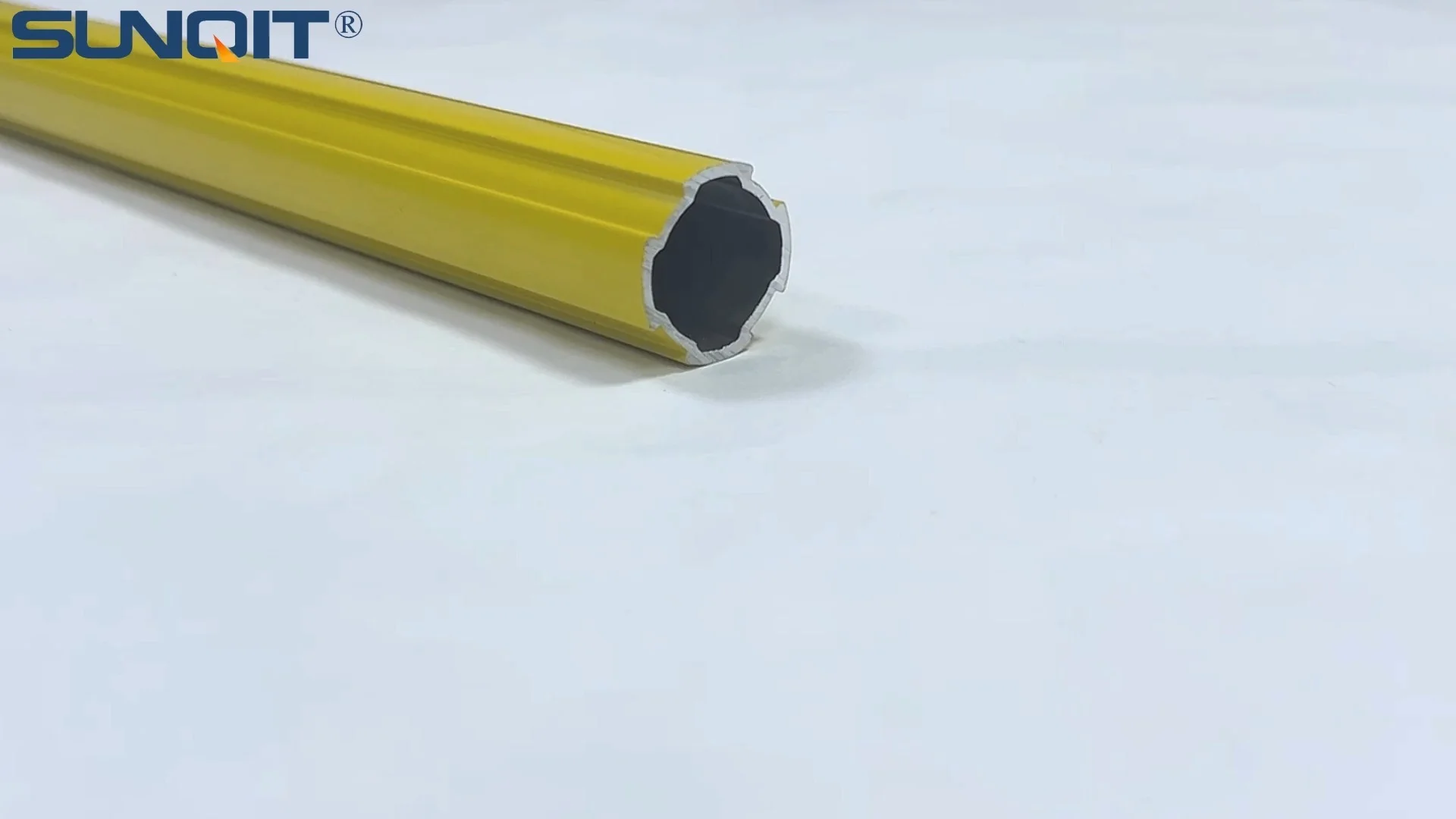
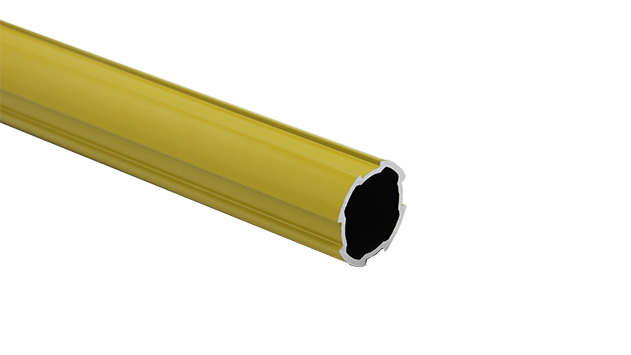
Aluminum pipe, it is used for workbench, flow rack,hand trolley assemble work with advantage of flexible and durable, yellow color makes it more attactive as a caution remind.
The Hidden Cost of "Cheap" Solutions in Manufacturing
Let's start with a scenario many small to mid-sized manufacturers know all too well: You're setting up a new production line, and the budget is tight. A supplier pitches you on steel pipes for your workbenches and material racks—they're inexpensive, readily available, and "good enough" for the job. You sign the dotted line, save a few thousand dollars upfront, and pat yourself on the back for being cost-conscious. Six months later, the first signs of trouble appear: rust spots on the steel pipes, a bent rack that can't support heavier components, and a workbench that wobbles because the welded joints are loosening. By year two, you're replacing half the system, paying for emergency repairs, and losing valuable production time while crews tear down and rebuild. Sound familiar?
This is the trap of prioritizing initial cost over long-term value—a mistake that plagues industries from automotive assembly to electronics manufacturing. Today, we're zooming in on a material that's often dismissed as "too expensive" at first glance but proves its worth tenfold over time: T slot aluminum pipe. We'll break down why the upfront investment in T slot aluminum pipe, paired with aluminum profile accessories, isn't just a purchase—it's a strategic decision that cuts costs, boosts flexibility, and future-proofs your operations.
The Initial Investment: What You're Actually Paying For
Let's get the elephant in the room out of the way: T slot aluminum pipe does cost more upfront than raw steel or plastic alternatives. A 10-foot length of 20mm T slot aluminum pipe might run you $25–$40, compared to $10–$15 for a similar steel pipe. When you factor in aluminum profile accessories—connectors, brackets, end caps—the initial bill can feel steep, especially for businesses used to buying in bulk on the cheap. But here's the thing: That sticker price isn't just for metal. It's for engineering, durability, and a modular system that adapts to your needs without requiring a complete overhaul.
Breaking Down the Upfront Costs
To put this in perspective, let's consider a common project: building a set of 5 workbenches for an electronics assembly line. With steel, you might spend $300–$500 per workbench (pipes, welding, wood tops). With T slot aluminum pipe, the initial cost jumps to $600–$800 per unit. That's a 50–60% increase upfront. But let's unpack what that extra money buys:
- Material Quality: T slot aluminum pipe is extruded from high-grade aluminum alloy, which resists corrosion, dents, and warping. Unlike steel, it won't rust in humid factories or after exposure to cleaning chemicals—a critical detail for industries like food processing or electronics, where cleanliness is non-negotiable.
- Modular Design: The "T slots" (grooves along the pipe length) let you attach aluminum profile accessories—shelves, tool holders, LED lights, even ESD (electrostatic discharge) mats—without drilling or welding. Need to add a keyboard tray to a workbench? Slide a bracket into the slot, tighten a knob, and you're done. With steel, that would mean hiring a welder or buying a whole new bench.
- Lightweight Strength: Aluminum is 30% lighter than steel but just as strong for most industrial applications. This reduces shipping costs, eases installation (no heavy machinery needed), and lowers worker fatigue when reconfiguring layouts—all of which add up to hidden savings from day one.
Real Example: A Small Manufacturer's Choice
A local electronics firm in Ohio recently faced this decision. They needed 10 workbenches for circuit board assembly. The steel quote was $4,500 total; T slot aluminum pipe with accessories came in at $8,200. The team hesitated but opted for aluminum after learning their old steel benches (installed 3 years prior) were already rusting, and reconfiguring them for new product lines took 2 days of downtime. "We saw the steel price and thought, 'That's half the cost!'" said the plant manager. "But then we realized: We'd be replacing those steel benches in 3 years anyway. The aluminum ones? They'll last 15."
Long-Term Value: Why T Slot Aluminum Pipe Pays for Itself
Initial cost is just one piece of the puzzle. To truly judge value, you need to look at the total cost of ownership (TCO)—the sum of upfront expenses, maintenance, replacement, and downtime over a product's lifespan. Here's where T slot aluminum pipe shines. Let's break down the long-term benefits that turn that higher initial investment into savings.
1. Durability: Less Replacement, More Reliability
Steel might seem tough, but it's prone to rust, bending, and fatigue. A steel workbench in a busy factory might last 3–5 years before joints loosen or pipes warp. T slot aluminum pipe? With proper care, it lasts 10–15 years. That means fewer replacements, lower material costs over time, and less disruption to production. For example, if you replace steel workbenches every 4 years at $500 each, over 12 years you'll spend $1,500 per bench. An aluminum bench at $800 lasts 12 years—saving $700 per unit.
2. Flexibility: Adapt Without Overhauling
Manufacturing needs change fast. A product line expands, new regulations require more space, or a client demands a custom setup. With steel, adapting means cutting, welding, or buying new. With T slot aluminum pipe and aluminum profile accessories, it's a matter of loosening a few knobs. Need to turn a straight roller track into a curved one? Swap out the connectors. Want to raise a workbench by 6 inches? Add extension pipes. This flexibility is priceless for businesses that need to pivot quickly—like a medical device manufacturer that suddenly needs to scale production for a new implant.
3. Low Maintenance: No Rust, No Paint, No Headaches
Steel requires regular upkeep: painting to prevent rust, tightening welded joints, replacing corroded parts. T slot aluminum pipe? A quick wipe with a damp cloth is usually all it takes. Its natural resistance to corrosion means no costly rust treatments, and the anodized finish (common in aluminum profiles) resists scratches and wear. A food packaging plant in Texas reported saving $2,000 annually on maintenance alone after switching from steel to aluminum roller tracks. "We used to spend 8 hours a month sanding and repainting steel tracks," said the maintenance supervisor. "Now? We check the aluminum ones once a month and replace a connector here or there—maybe 2 hours total."
4. Energy and Labor Savings
Aluminum's lightweight nature reduces energy use in shipping (fewer trucks, less fuel) and lowers labor costs during installation and reconfiguration. A logistics company in California estimated that switching to aluminum lean pipe for their turnover trolleys cut loading time by 20% because workers could move the trolleys by hand, no forklift needed. Over a year, that translated to 300 fewer labor hours—savings of $9,000 at average wages.

The Numbers Don't Lie: A 5-Year ROI Comparison
Still skeptical? Let's crunch the numbers. Below is a comparison of T slot aluminum pipe vs. steel for a hypothetical manufacturing setup: 10 workbenches, 5 roller tracks, and 3 material racks. We'll track costs over 5 years, including initial investment, maintenance, replacement, and downtime.
| Cost Category | Steel (5-Year Total) | T Slot Aluminum Pipe (5-Year Total) | Difference (Aluminum Savings) |
|---|---|---|---|
| Initial Investment | $12,000 | $22,500 | -$10,500 (Higher upfront) |
| Maintenance (Repairs, Paint, Rust Treatment) | $4,500 | $800 | +$3,700 |
| Replacement (2 steel workbenches, 3 tracks) | $6,800 | $0 (No replacements needed) | +$6,800 |
| Downtime (Reconfiguring/Replacing Equipment) | $9,200 (160 hours at $57.50/hour) | $1,500 (26 hours at $57.50/hour) | +$7,700 |
| Total 5-Year Cost | $32,500 | $24,800 | +$7,700 (Aluminum is cheaper overall) |
By year 5, the aluminum setup is $7,700 cheaper than steel—even with the higher initial investment. And that's conservative: If the business grows and needs to reconfigure layouts more often, the aluminum savings would be even larger. "We didn't just save money," said the Ohio electronics manufacturer we mentioned earlier. "We saved time. Our old steel benches took 2 days to reconfigure for a new product. The aluminum ones? 4 hours. That's 1.5 days of extra production—worth $10,000 in revenue for us."

Beyond the Bench: Other Applications Where Aluminum Shines
T slot aluminum pipe isn't just for workbenches. Its versatility makes it ideal for a range of industrial applications, each with its own long-term value story. Let's explore a few:
Roller Tracks: Smooth Material Flow, Minimal Maintenance
Roller tracks are the backbone of material handling—moving parts from assembly to packaging, or raw materials to production lines. Steel roller tracks are cheap but prone to jamming when rust builds up on rollers. T slot aluminum roller tracks, paired with corrosion-resistant aluminum profile accessories like plastic or stainless steel rollers, glide smoothly for years. A warehouse in Illinois replaced 20 steel roller tracks with aluminum ones and reported a 40% drop in jams, cutting downtime by 12 hours monthly. "The steel tracks jammed 2–3 times a day," said the warehouse manager. "Aluminum? Maybe once a month. And when a roller wears out, we pop a new one in—no welding, no hassle."
ESD Workstations: Protecting Sensitive Electronics
For industries like semiconductors or medical devices, ESD protection is critical—static electricity can fry sensitive components. Steel workstations require expensive ESD mats and regular grounding checks. T slot aluminum pipe, however, is naturally conductive, making it easy to ground. Pair it with ESD-safe aluminum profile accessories (like conductive brackets) and you've got a workstation that meets ESD standards with minimal upkeep. A California tech firm saved $3,000 annually on ESD testing and mat replacements after switching to aluminum ESD workstations.
Turnover Trolleys: Lightweight and Durable
Turnover trolleys transport parts across factories, but steel trolleys are heavy and hard to maneuver. Aluminum trolleys weigh 30% less, reducing worker strain and lowering the risk of injuries. A automotive parts supplier in Michigan reported a 25% drop in workplace injuries after switching to aluminum trolleys—saving on workers' comp claims and boosting morale.
Choosing the Right Supplier: Key to Maximizing Value
Not all T slot aluminum pipe is created equal. To get the most long-term value, you need a supplier that offers high-quality materials, a wide range of aluminum profile accessories, and responsive support. Here's what to look for:
- Material Certifications: Ensure the aluminum meets industry standards (e.g., ASTM B221 for aluminum alloys). This guarantees consistency in strength and corrosion resistance.
- Accessory Compatibility: The best suppliers offer a full line of aluminum profile accessories—connectors, brackets, shelves, rollers—that work seamlessly with their pipes. Mismatched parts can lead to wobbly structures or limited flexibility.
- Customization Options: Your operations are unique. A good supplier will help you design custom solutions, like curved roller tracks or ergonomic workbenches, without charging exorbitant fees.
- Lead Times: Downtime is costly. Choose a supplier with local warehouses to ensure quick delivery of replacement parts or new accessories.
Remember: A slightly higher price from a reputable supplier often means better quality and support—both of which reduce long-term headaches. The Ohio electronics manufacturer we mentioned earlier initially went with a budget aluminum supplier, only to find the pipes bent under heavy equipment. They switched to a premium supplier and haven't had an issue since. "We saved $500 upfront with the cheap supplier," said the plant manager. "But we spent $2,000 replacing bent pipes. Lesson learned: You get what you pay for."
Conclusion: Investing in the Future, Not Just the Present
T slot aluminum pipe isn't the cheapest option on the shelf—but it's the smartest one for businesses that plan to grow, adapt, and thrive. The higher initial investment buys durability, flexibility, and low maintenance—three things that translate to lower costs, less downtime, and more productivity over time. Whether you're building workbenches, roller tracks, or ESD stations, the question isn't "Can we afford aluminum?" It's "Can we afford not to?"
As the manufacturing landscape grows more competitive, adaptability and efficiency are no longer optional—they're essential. T slot aluminum pipe, paired with the right aluminum profile accessories, gives you both. It's not just a material; it's a tool that lets you build, reconfigure, and scale without ever hitting the reset button. And in the end, that's the greatest value of all: the freedom to focus on what matters—growing your business.