- Company Articles
- Products and Technology
- Product knowledge
- T Slot Aluminum Pipe Environmental Impact: Low Carbon Footprint

T Slot Aluminum Pipe Environmental Impact: Low Carbon Footprint
Related Product
T Slot Aluminum Pipe
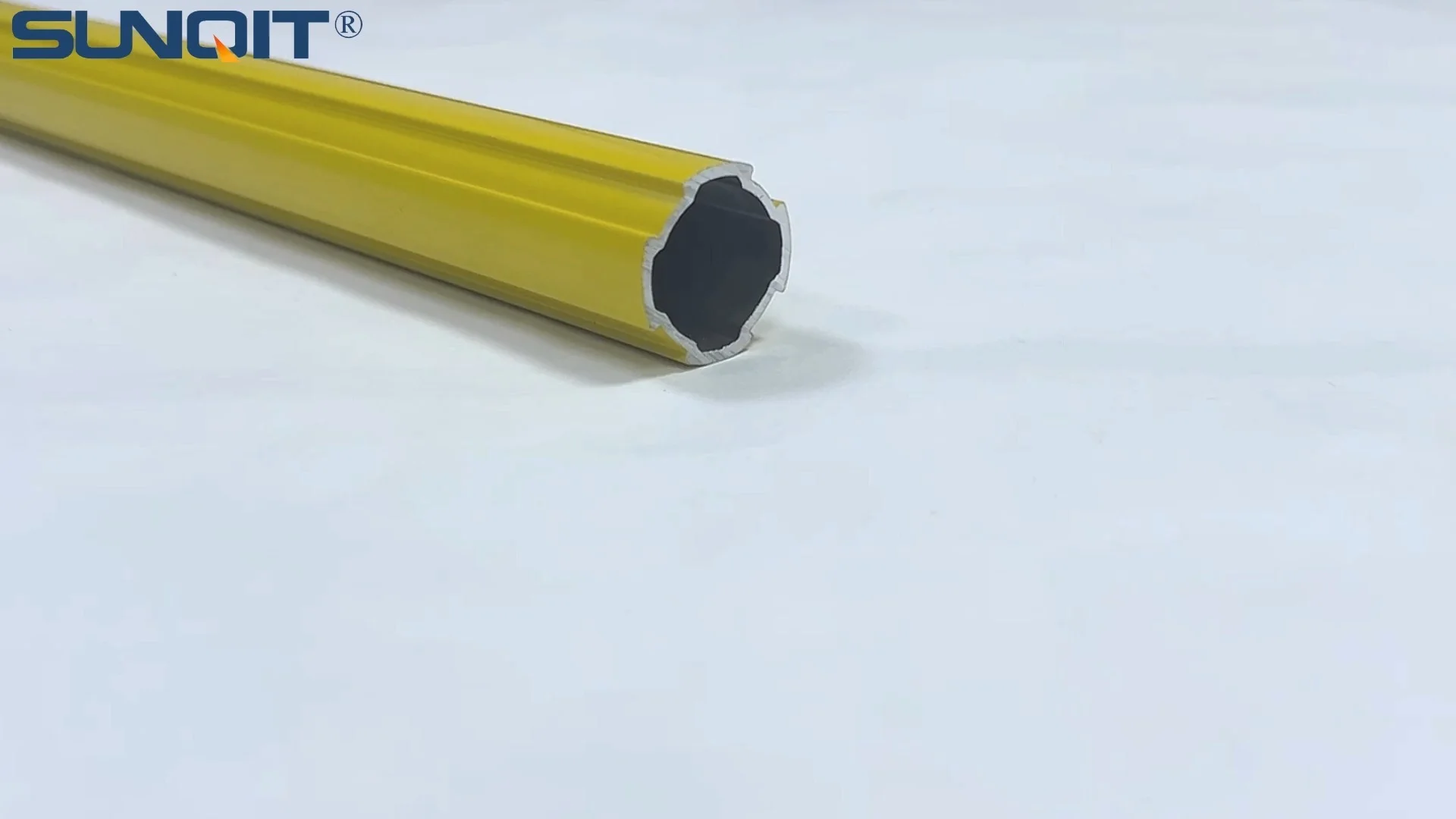
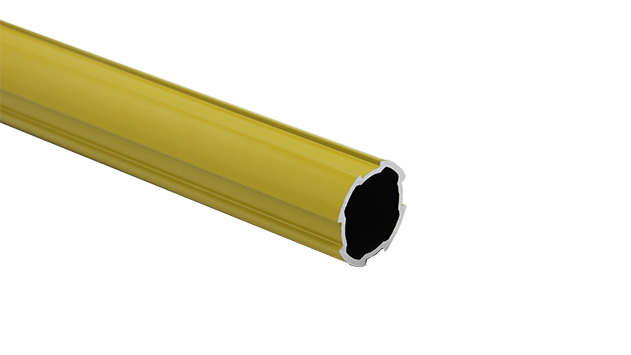
Aluminum pipe, it is used for workbench, flow rack,hand trolley assemble work with advantage of flexible and durable, yellow color makes it more attactive as a caution remind.
In today's world, where the phrase "sustainability" has shifted from a buzzword to a business imperative, industries across the globe are reevaluating every aspect of their operations—from energy use to waste management, and even the materials that form the backbone of their production lines. For manufacturers, warehouses, and workshops, the choice of materials isn't just about durability or cost anymore; it's about the carbon footprint left behind. Enter T slot aluminum pipe: a humble yet revolutionary material that's quietly reshaping how businesses approach both efficiency and environmental responsibility. In this article, we'll dive into why T slot aluminum pipe stands out as a low-carbon champion, exploring its lifecycle, recyclability, and real-world impact on reducing environmental harm—all while keeping things practical, relatable, and grounded in the day-to-day realities of modern workplaces.
What Exactly Is T Slot Aluminum Pipe, Anyway?
Before we get into the environmental nitty-gritty, let's make sure we're all on the same page about what T slot aluminum pipe is. Picture this: a lightweight, silver-colored tube with a distinct "T" shaped groove running along its length. That groove isn't just for show—it's the secret to its versatility. T slot aluminum pipe, often part of a broader family of aluminum extrusion profiles, is designed to be modular. This means you can slide, lock, and attach aluminum profile accessories—like brackets, connectors, or panels—directly into the T slot, no welding or heavy tools required. It's the building block of everything from workbenches and material racks to conveyor systems and lean manufacturing setups. Think of it as the industrial equivalent of LEGO: strong enough to support heavy loads, yet flexible enough to reconfigure on a whim when your needs change.
But what makes it "aluminum extrusion profile"? Well, the magic happens in the manufacturing process. Aluminum extrusion involves heating a billet of aluminum and forcing it through a die to create a specific cross-sectional shape—in this case, the T slot design. This process is efficient, precise, and allows for consistent production of complex profiles with minimal waste. And because aluminum is naturally malleable, manufacturers can create pipes in various sizes and thicknesses to suit different applications, from lightweight shelving to heavy-duty assembly lines. When paired with aluminum profile accessories—like corner brackets, end caps, or sliding nuts—T slot aluminum pipe becomes a system that adapts to almost any workspace need.
Aluminum: The Unsung Hero of Sustainable Materials
To understand why T slot aluminum pipe has such a low carbon footprint, we first need to talk about aluminum itself—the metal that makes it all possible. Aluminum is one of the most abundant elements on Earth, accounting for about 8% of the planet's crust. But abundance alone doesn't make it sustainable; it's what we do with it that counts. Unlike materials like plastic (derived from finite fossil fuels) or certain steels (which require intensive mining and processing), aluminum has a lifecycle that's inherently circular. Here's why:
Recyclability that's hard to beat: Aluminum is 100% recyclable, and it can be recycled infinitely without losing quality. That's right—your T slot aluminum pipe workbench today could become a bicycle frame tomorrow, then a window frame next decade, and so on. The best part? Recycling aluminum uses just 5% of the energy required to produce new aluminum from raw ore. Let that sink in: For every ton of recycled aluminum, we save roughly 95% of the energy that would have been spent mining, refining, and smelting bauxite (the ore from which aluminum is derived). To put it in perspective, recycling one aluminum can saves enough energy to power a TV for three hours. Now imagine scaling that up to industrial-grade T slot aluminum pipes, and you start to see the massive carbon savings.
Lightweight, but tough as nails: Aluminum is about one-third the weight of steel, which might not sound like a big deal until you consider transportation and installation. A lighter material means fewer trucks on the road to deliver components, reducing fuel consumption and emissions. In warehouses or factories, lighter T slot aluminum pipe structures are easier to move and reconfigure, cutting down on the need for heavy machinery (and the energy it guzzles). Yet despite its lightness, aluminum is surprisingly durable. It resists corrosion (thanks to a natural oxide layer that forms on its surface), doesn't rust, and can withstand years of wear and tear in busy industrial environments. A longer lifespan means fewer replacements, which translates to less waste and lower overall environmental impact.
Energy-efficient production (yes, really): While it's true that producing primary aluminum (from bauxite) is energy-intensive, the industry has made huge strides in cleaning up its act. Many modern aluminum extrusion facilities now run on renewable energy—think hydroelectric, solar, or wind power—slashing the carbon footprint of even newly manufactured T slot aluminum pipes. Compare that to plastic, which is made from petroleum and releases greenhouse gases during production, or carbon steel, which requires coal-fired furnaces and emits significant CO2. When you factor in recyclability, aluminum's energy story becomes even more compelling: over its lifetime, a T slot aluminum pipe will likely be recycled multiple times, each time saving 95% of the energy that would have been used to make a new one.
T Slot Aluminum Pipe vs. the Competition: A Carbon Footprint Showdown
To truly appreciate T slot aluminum pipe's environmental benefits, let's stack it up against two common alternatives: traditional steel pipes and plastic composite pipes. The table below breaks down their key environmental metrics, from carbon footprint to recyclability.
| Material | Carbon Footprint (kg CO2 per kg produced) | Recyclability Rate | Energy Use (MJ per kg) | Typical Lifespan in Industrial Use |
|---|---|---|---|---|
| T Slot Aluminum Pipe (Recycled Content) | 0.5–1.5 | 100% (infinite cycles) | 8–10 (recycled); 150–180 (primary) | 15–25 years |
| Mild Steel Pipe | 1.8–2.5 | 90% (downcycled over time) | 30–40 | 20–30 years (but prone to rust without coating) |
| Plastic Composite Pipe | 2.0–3.5 | <10% (limited recycling; often ends in landfill) | 60–80 (derived from fossil fuels) | 5–10 years (prone to cracking, warping) |
Let's unpack these numbers. Starting with carbon footprint: Even when made from primary aluminum (not recycled), T slot aluminum pipe has a lower carbon footprint than plastic and is comparable to steel. But when using recycled aluminum, its footprint drops to just 0.5–1.5 kg CO2 per kg—less than half that of steel and a fraction of plastic. That's a game-changer for companies aiming to meet net-zero targets.
Recyclability is where aluminum truly shines. Steel can be recycled, but each cycle degrades its quality, limiting how many times it can be reused (a process called "downcycling"). Plastic, meanwhile, is rarely recycled into the same high-quality product; most plastic pipes end up in landfills or incinerators, releasing toxic chemicals. Aluminum's infinite recyclability means it never becomes waste—it's a permanent resource in the global material economy.
Energy use tells a similar story. Recycled aluminum uses a fraction of the energy of primary aluminum, steel, or plastic. And while steel might have a longer lifespan on paper, it often requires coatings (like paint or zinc) to prevent rust, adding to its environmental impact. Plastic pipes, on the other hand, degrade quickly under heat, UV light, or heavy loads, leading to frequent replacements and more waste.

T Slot Aluminum Pipe in Lean Systems: Efficiency Meets Sustainability
If you've spent any time in manufacturing or warehousing, you've probably heard of "lean systems"—the philosophy of minimizing waste while maximizing productivity. Lean systems focus on streamlining processes, reducing excess inventory, and creating flexible workspaces that adapt to changing needs. It's a mindset that aligns perfectly with sustainability, and T slot aluminum pipe is its ideal partner. Here's how:
Modularity = less waste: Lean systems thrive on adaptability. A production line might need to retool for a new product next month, or a warehouse might need to reorganize its storage racks to accommodate seasonal inventory. Traditional materials like welded steel or fixed plastic structures make this kind of flexibility nearly impossible—you either have to scrap the entire setup or spend hours cutting, welding, and repainting. T slot aluminum pipe, with its aluminum profile accessories, changes the game. Need to add a shelf to your workbench? Slide in a bracket. Want to extend a conveyor system? Connect a few more pipes with a joint. No waste, no downtime, no extra materials—just quick, tool-free adjustments that keep your operation lean and your carbon footprint small.
Lightweight = lower energy in use: In lean manufacturing, every second and every ounce counts. T slot aluminum pipe's light weight makes it easier to move, install, and reconfigure, reducing the need for heavy machinery (like forklifts or cranes) during setup. This not only saves time but also cuts down on the energy used to power those machines. For example, a team of two workers can assemble a T slot aluminum pipe material rack in an hour with basic hand tools, whereas a steel rack might require a crew and a lift, doubling the energy (and labor). Over time, these small efficiency gains add up to big energy savings.
Durability = longer system life: Lean systems are built to last, and so is T slot aluminum pipe. Its resistance to corrosion, dents, and wear means your lean workbench, flow rack, or assembly line will stay in service for decades, reducing the need for frequent replacements. When it does finally reach the end of its useful life, it's not headed for the landfill—it's off to the recycler, where it will be melted down and turned into new aluminum products. This closed-loop cycle is the epitome of lean thinking: nothing goes to waste, and every resource is maximized.

Real-World Impact: How Companies Are Cutting Carbon with T Slot Aluminum
Talk is cheap, so let's look at a real example of how T slot aluminum pipe is making a difference. Take a mid-sized electronics manufacturer in the Midwest, which we'll call "TechFlow." A few years ago, TechFlow was struggling to meet its sustainability goals while keeping up with demand for its products. Their production floor was cluttered with heavy steel workbenches and fixed plastic conveyor systems that were hard to clean, prone to jamming, and impossible to reconfigure without hiring contractors. Their carbon footprint was high, and employee morale was suffering—workers complained about the cumbersome setups slowing them down.
Then, TechFlow switched to T slot aluminum pipe systems. They replaced their steel workbenches with aluminum ones, installed new roller conveyors made from aluminum extrusion profiles, and added modular material racks using aluminum profile accessories. The results were striking:
- Carbon footprint cut by 22%: By using recycled T slot aluminum pipe, TechFlow reduced the embodied carbon in their equipment by over a fifth. The lighter systems also meant fewer delivery trucks, slashing transportation emissions by 15%.
- Energy bills down by 18%: The lighter conveyors required smaller motors, and the easier-to-clean aluminum surfaces reduced the time (and energy) spent on maintenance. Workers could also reconfigure workstations themselves, eliminating the need for energy-guzzling tools.
- Waste reduced by 35%: Old steel and plastic systems were recycled (the steel) or properly disposed of (the plastic), and the modular aluminum setup meant no more cutting or welding scraps. Over a year, TechFlow diverted 12 tons of waste from landfills.
- Productivity up by 12%: Employees loved the flexible workspaces—they could adjust their benches to their height, rearrange tools for easier access, and adapt lines for new products in hours instead of days. Happier workers meant faster production and fewer errors.
TechFlow isn't an anomaly. From automotive plants to pharmaceutical labs, companies are discovering that T slot aluminum pipe isn't just a sustainable choice—it's a smart business choice. It's proof that environmental responsibility and profitability don't have to be at odds; in fact, they often go hand in hand.
Looking Ahead: The Future of T Slot Aluminum Pipe and Sustainability
As industries continue to prioritize sustainability, T slot aluminum pipe is poised to play an even bigger role. Here are a few trends to watch:
More recycled content, less primary aluminum: Manufacturers are increasingly sourcing aluminum from recycled scrap, driven by both environmental goals and cost savings (recycled aluminum is often cheaper than primary aluminum). We'll see T slot aluminum pipe products with 80–90% recycled content become the norm, further slashing carbon footprints.
Innovations in aluminum alloys: Engineers are developing new aluminum alloys that are stronger, lighter, and more corrosion-resistant than ever before. These alloys will allow T slot aluminum pipe to replace even more traditional materials, like stainless steel, in harsh environments—think food processing or chemical plants—without sacrificing durability.
Integration with smart technology: Imagine T slot aluminum pipes with built-in sensors that monitor temperature, weight, or vibration, helping companies optimize energy use and predict maintenance needs. Some manufacturers are already experimenting with embedding IoT (Internet of Things) devices into aluminum extrusion profiles, turning passive structures into active, data-generating tools for sustainability.
Conclusion: Small Pipes, Big Impact
At the end of the day, T slot aluminum pipe is more than just a building material—it's a symbol of how sustainability can be woven into the fabric of everyday business. It's not about grand gestures or expensive overhauls; it's about choosing materials that work with the planet, not against it. From its recycled origins to its infinite recyclability, from its lightweight efficiency to its modular flexibility, T slot aluminum pipe proves that going green doesn't mean compromising on performance, cost, or convenience.
So, the next time you walk through a factory, warehouse, or workshop, take a closer look at the workbenches, racks, and conveyors. Chances are, if they're made of T slot aluminum pipe, they're not just making the job easier—they're making the planet healthier, too. And in a world where every ton of CO2 saved counts, that's a legacy worth building.