- Company Articles
- Products and Technology
- Product knowledge
- T Slot Aluminum Pipe Explained: Structure, Features, and Functions

T Slot Aluminum Pipe Explained: Structure, Features, and Functions
Related Product
T Slot Aluminum Pipe
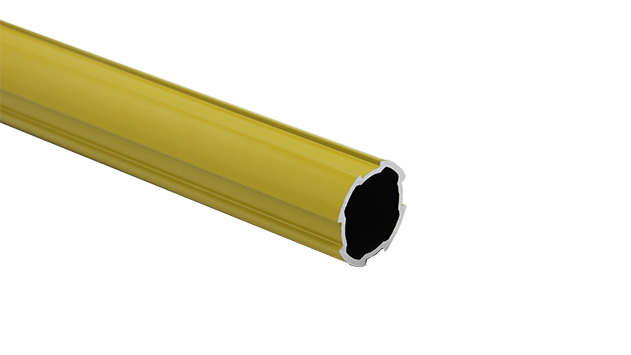
Aluminum pipe, it is used for workbench, flow rack,hand trolley assemble work with advantage of flexible and durable, yellow color makes it more attactive as a caution remind.
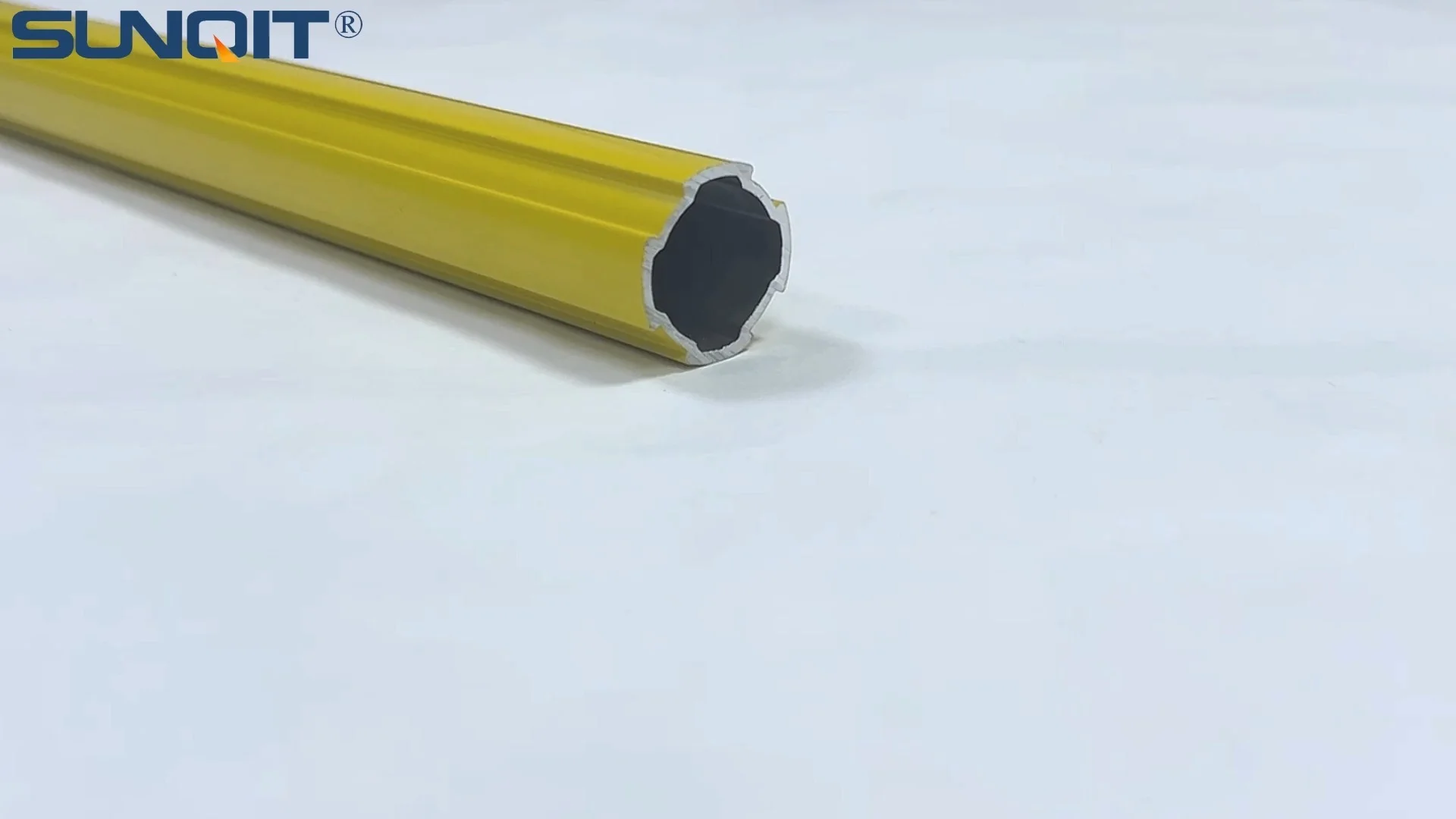
Walk through any modern manufacturing facility, warehouse, or even a tech startup's prototyping lab, and you'll likely spot a common element tying together workstations, material racks, and assembly lines: sleek, modular structures built with T slot aluminum pipe. These unassuming yet versatile components have quietly revolutionized how industries approach workspace design, offering a level of flexibility and adaptability that traditional steel frames or wooden structures simply can't match. But what exactly is T slot aluminum pipe, and why has it become a staple in so many industrial and commercial settings? Let's dive in.
At its core, T slot aluminum pipe—often referred to as aluminum extrusion profile —is a lightweight, durable building material made by forcing heated aluminum through a custom die to create a specific cross-sectional shape. The "T slot" refers to the groove that runs along the length of the pipe, a simple yet genius design feature that allows users to attach accessories, fasteners, and other components without welding, drilling, or complex tools. This seemingly small detail unlocks endless possibilities, making T slot aluminum pipe a favorite for everything from temporary workbenches to permanent production lines.
In this article, we'll break down the structure of T slot aluminum pipe, explore its key features, and highlight how it functions in real-world applications. Whether you're a plant manager looking to optimize your production floor, a small business owner building a custom workspace, or simply curious about the engineering behind modern industrial design, understanding T slot aluminum pipe will give you a new appreciation for the unsung hero of modular construction.
Understanding the Structure of T Slot Aluminum Pipe
To truly grasp the value of T slot aluminum pipe, it helps to start with its physical structure. Unlike generic metal pipes, T slot aluminum pipe is engineered with purpose—every curve, groove, and wall thickness is designed to balance strength, weight, and functionality. Let's break it down piece by piece.
The Anatomy of the T Slot
The defining feature of T slot aluminum pipe is, of course, the T-shaped groove (or "T slot") that runs the entire length of the profile. Imagine a narrow channel cut into the side of the pipe, with a wider opening at the base of the channel—this creates the "T" shape. The slot isn't just a design quirk; it's a functional interface that allows accessories to slide in and lock into place. For example, a T-slot nut (a small, T-shaped fastener) can be inserted into the slot and slid to any position along the pipe, then tightened with a bolt to secure shelves, brackets, or tools. This means you can reposition components in minutes, no drilling or welding required.
The dimensions of the T slot vary depending on the pipe's size. Smaller profiles (like the 2020 series, measuring 20mm x 20mm) might have a slot width of 6mm, while larger profiles (such as the 4080 series, 40mm x 80mm) could have slots up to 10mm wide. The depth of the slot also varies, but it's typically deep enough to accommodate standard T-slot nuts and bolts without protruding beyond the pipe's surface, keeping structures neat and safe.
From Billet to Profile: The Aluminum Extrusion Process
T slot aluminum pipe is made using a process called aluminum extrusion, which is what gives it its precise, consistent shape. Here's a simplified overview of how it works: First, a cylindrical aluminum billet (a solid block of aluminum alloy) is heated to around 400–500°C—hot enough to make the metal malleable but not molten. The billet is then placed in a hydraulic press, which forces it through a steel die. The die has a hollow opening in the exact shape of the desired T slot profile (e.g., 3030, 4040, etc.). As the billet is pushed through the die, it takes on the die's shape, emerging as a long, continuous length of T slot aluminum pipe.
Extrusion is key to the pipe's quality. It creates a uniform cross-section along the entire length, ensuring consistent strength and fit. It also allows for complex shapes that would be difficult or expensive to achieve with other manufacturing methods. For example, some T slot profiles include additional features like rounded edges (for safety), extra grooves (for cable management), or reinforced walls (for heavy loads)—all possible thanks to custom extrusion dies.
Material: Why Aluminum?
T slot pipe is almost always made from aluminum, and for good reason. Aluminum is lightweight (about one-third the weight of steel), which makes the pipe easy to handle, transport, and assemble—even for a single person. Despite its light weight, aluminum is surprisingly strong, especially when alloyed with elements like magnesium and silicon (common in 6000-series alloys, which are widely used for extrusion). These alloys offer a excellent strength-to-weight ratio, meaning T slot aluminum pipe can support heavy loads without bending or warping.
Aluminum also has natural corrosion resistance. When exposed to air, it forms a thin oxide layer on its surface that protects against rust and degradation—a critical advantage in humid warehouses, food processing plants, or outdoor applications. Unlike steel, which requires painting or coating to prevent rust, aluminum T slot pipe can withstand harsh environments with minimal maintenance.
Standard Profiles: Sizes and Shapes
T slot aluminum pipe comes in a range of standard profiles, each designed for specific uses. The most common profiles are named by their cross-sectional dimensions (width x height in millimeters). For example:
- 2020 Profile: 20mm x 20mm. Compact and lightweight, ideal for small workbenches, shelving, or hobby projects.
- 3030 Profile: 30mm x 30mm. A versatile mid-size option, often used for medium-duty workstations, material racks, or machine guards.
- 4040 Profile: 40mm x 40mm. Heavy-duty and robust, suitable for large workbenches, conveyor frames, or load-bearing structures.
- 4080 Profile: 40mm x 80mm. Extra-wide profile for applications needing more surface area or additional T slots, like assembly line workstations with multiple accessories.
Some profiles are also shaped differently—for example, L-shaped (corner brackets), U-shaped (channels for guides), or even custom shapes for specialized industries. But the most popular are the square and rectangular profiles, thanks to their balance of strength and simplicity.
| Profile Type | Dimensions (W x H) | Typical Wall Thickness | Weight per Meter | Common Applications |
|---|---|---|---|---|
| 2020 | 20mm x 20mm | 1.5mm | 0.7 kg | Small shelving, hobby workbenches, 3D printer frames |
| 3030 | 30mm x 30mm | 2.0mm | 1.5 kg | Medium workstations, tool racks, retail displays |
| 4040 | 40mm x 40mm | 2.5mm | 2.2 kg | Heavy-duty workbenches, conveyor frames, production line structures |
| 4080 | 40mm x 80mm | 3.0mm | 3.8 kg | Large assembly stations, material handling systems, industrial machine bases |
Key Features of T Slot Aluminum Pipe
Now that we understand the structure of T slot aluminum pipe, let's explore its standout features. These are the qualities that make it more than just a metal tube—and the reason it's become a go-to for so many industries.
Lightweight Yet Remarkably Strong
We touched on this earlier, but it's worth emphasizing: T slot aluminum pipe offers an unbeatable strength-to-weight ratio. A 4040 profile, for example, can support over 100kg per linear meter while weighing just 2.2kg per meter. Compare that to a steel pipe of similar strength, which might weigh 6–8kg per meter, and the difference is clear. This light weight makes installation and reconfiguration a breeze—no need for heavy machinery or teams of workers. A single person can carry, cut, and assemble a basic workstation in an afternoon, saving time and labor costs.
Modularity: Build, Break Down, Rebuild
Perhaps the biggest advantage of T slot aluminum pipe is its modularity. Traditional structures—like steel frames welded together or wooden shelves screwed into place—are fixed. If you need to adjust the height of a shelf or reconfigure a workstation, you're looking at cutting, welding, or drilling new holes. With T slot aluminum pipe, it's as simple as loosening a few bolts, sliding components to the desired position, and tightening them back up. This flexibility is a game-changer for industries with changing needs. For example, a electronics manufacturer might start with a small assembly line using 3030 profiles, then scale up to 4040 profiles as production increases—without replacing the entire structure.
Corrosion Resistance for Longevity
Aluminum's natural oxide layer isn't just a bonus—it's a critical feature for durability. In environments like food processing plants (where moisture and cleaning chemicals are common) or outdoor warehouses (exposed to rain and humidity), steel structures would rust and degrade over time. T slot aluminum pipe, however, holds up. Even better, some manufacturers offer anodized aluminum profiles, which thicken the oxide layer for extra protection. This means your T slot structures will look and perform like new for years, reducing replacement costs.
Endless Customization with Accessories
T slot aluminum pipe is only as good as the accessories that complement it—and there's no shortage of options. From simple brackets and shelves to specialized components like cable management clips and tool holders, aluminum profile accessories turn a basic pipe into a fully functional system. Need to add a keyboard tray to a workstation? Use a sliding bracket that locks into the T slot. Want to route power cords neatly? Snap a cable channel into the slot. Even specialized tools like LED light strips or ESD (electrostatic discharge) mats can be attached using the right accessories.
One accessory worth highlighting is the T-slot rubber seal cover —a small but useful addition. These flexible rubber strips slide into the T slot to cover the groove, preventing dust, debris, or small tools from falling into the slot. They also soften the edges of the slot, reducing the risk of cuts or snags, which is especially helpful in high-traffic areas.
Clean, Professional Aesthetics
Let's not overlook the visual appeal. Unlike rough steel pipes or splintered wooden frames, T slot aluminum pipe has a clean, modern look. Its smooth, anodized finish (often silver, black, or clear) gives workspaces a professional, organized feel—important for customer-facing areas or environments where employee morale matters. Plus, since components are attached via T slots (not visible screws or welds), structures look streamlined and intentional, avoiding the cluttered appearance of bolted-together steel.
How T Slot Aluminum Pipe Functions in Real-World Applications
Features are great, but how do they translate to real-world use? T slot aluminum pipe isn't just a theoretical solution—it's a practical tool that solves everyday challenges in industries ranging from automotive manufacturing to small-scale crafting. Let's look at some common functions and applications.
Building Custom Workstations
Workstations are perhaps the most common use for T slot aluminum pipe. In a factory setting, every employee has unique needs: a assembly worker might need a large, flat surface with tool holders and a material bin, while a quality control inspector might need a smaller station with a magnifying lamp and storage for testing equipment. T slot aluminum pipe lets you build workstations tailored to each role.
Example: A electronics assembly plant needs 10 workstations for smartphone production. Using 4040 aluminum profiles for the frame, they attach wooden or aluminum tops (cut to size) using angle brackets. Each workstation includes a shelf for components (adjustable via T-slot nuts), a hanging tool rack, and a cable management tray (snapped into the T slots). If a new phone model requires taller shelves, the team simply loosens the bolts, moves the shelves up, and retightens—no new materials needed.
Material Handling and Storage
Moving materials efficiently is a cornerstone of productivity, and T slot aluminum pipe excels here. From simple shelving units to complex flow racks (which use gravity to feed materials to workers), T slot structures make storage and retrieval faster and safer. For example, a warehouse might use 3030 profiles to build a flow rack with inclined shelves, where boxes slide down as the front one is removed—eliminating the need to reach or bend.
T slot aluminum pipe is also ideal for custom carts and trolleys. Since it's lightweight, even a loaded cart is easy to push, and the modular design means you can add bins, dividers, or locks as needed. A hospital supply room, for instance, might use a T slot cart with adjustable dividers to transport medications, ensuring each type has its own secure space.
Assembly Lines and Production Systems
In manufacturing, production lines need to adapt to new products, processes, or demand levels. T slot aluminum pipe makes this adaptability possible. For example, an automotive parts manufacturer might use 4080 profiles to build a conveyor frame, with rollers attached via T-slot brackets. If the line needs to be extended or reconfigured for a new part, the frame can be disassembled and rebuilt in hours, not days.
Even specialized systems like pick-and-place stations or testing rigs benefit from T slot aluminum pipe. Since it's easy to attach sensors, cameras, or robotic arms to the T slots, manufacturers can quickly integrate new technology into existing lines without major overhauls.
Ergonomic Solutions for Worker Comfort
Employee health and safety are top priorities in modern workplaces, and T slot aluminum pipe plays a role here too. Ergonomic workstations—adjustable in height, angle, and layout—reduce strain and prevent injuries. For example, a standing desk built with T slot aluminum pipe can be raised or lowered using gas springs (attached via T-slot brackets), allowing workers to switch between sitting and standing throughout the day.
Anti-fatigue mats, footrests, and monitor arms can also be integrated into T slot workstations, ensuring each setup is tailored to the user's body type and task. This not only improves comfort but also boosts productivity—happy, healthy workers are more focused and efficient.
A Quick Note on Accessories: The Unsung Heroes
We've mentioned aluminum profile accessories a few times, but it's hard to overstate their importance. Without accessories, T slot aluminum pipe is just a fancy tube. With them, it's a system. Some must-have accessories include:
- T-slot nuts and bolts: The foundation of any T slot structure—these slide into the slot and lock components in place.
- Angle brackets: Connect profiles at 90-degree angles (e.g., for workbench legs and tops).
- Shelving brackets: Support shelves, trays, or other flat surfaces.
- End caps: Cover the ends of profiles to prevent sharp edges and keep out dust.
- Wheels/casters: Turn static structures into mobile carts or workstations.
Many suppliers offer accessory kits tailored to common projects (e.g., "workbench starter kit" or "shelf unit kit"), making it easy to get started without hunting for individual parts.

Why T Slot Aluminum Pipe Stands Out in a Crowded Market
With so many building materials available—steel, wood, plastic, even carbon fiber—why choose T slot aluminum pipe? The answer lies in its unique combination of benefits that other materials can't match.
Steel is strong, but it's heavy, prone to rust, and hard to modify. Wood is cheap and easy to work with, but it's not durable in wet environments and can't support heavy loads. Plastic is lightweight and corrosion-resistant, but it lacks the strength for industrial use. T slot aluminum pipe, however, balances strength, weight, durability, and flexibility in a way that no single material can. It's the Swiss Army knife of construction materials—adaptable, reliable, and ready for whatever you throw at it.

Conclusion: The Future of Modular Construction
As industries continue to evolve—demanding faster production times, greater flexibility, and safer workspaces—T slot aluminum pipe will only grow in importance. Its modular design aligns perfectly with the trend toward agile manufacturing and lean production, where the ability to adapt quickly is a competitive advantage. Whether you're building a small hobby bench or a large-scale production line, T slot aluminum pipe offers a level of customization and durability that's hard to beat.
So the next time you walk through a factory or workshop, take a closer look at those sleek, silver structures. Chances are, they're built with T slot aluminum pipe—and now you'll know exactly why.