- Company Articles
- Products and Technology
- Product knowledge
- T Slot Aluminum Pipe Fitting Tolerances: Ensuring Precise Connections

T Slot Aluminum Pipe Fitting Tolerances: Ensuring Precise Connections
Related Product
T Slot Aluminum Pipe
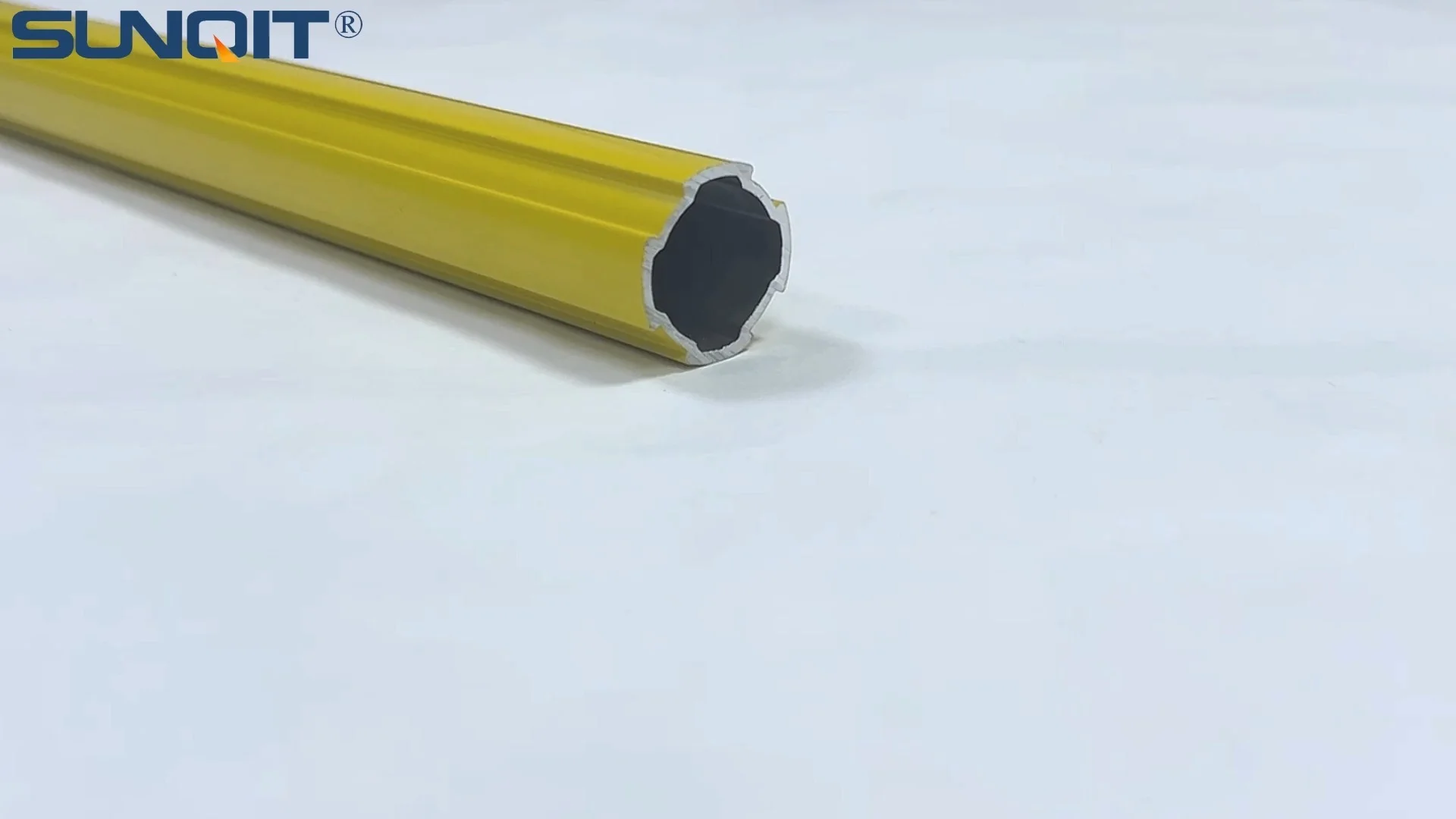
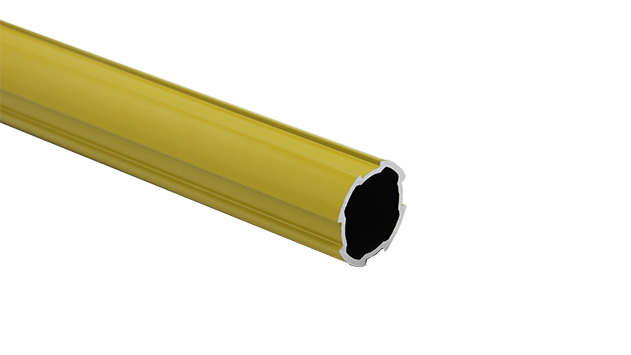
Aluminum pipe, it is used for workbench, flow rack,hand trolley assemble work with advantage of flexible and durable, yellow color makes it more attactive as a caution remind.
Walk into any modern manufacturing facility, and you'll likely spot rows of sleek workbenches, rolling conveyors, and modular racks—all humming with the rhythm of production. Behind that seamless operation lies a hidden hero: precision. Not the flashy kind that makes headlines, but the quiet, consistent kind that ensures every part fits, every joint holds, and every process flows without a hitch. At the heart of this precision? T slot aluminum pipe fittings. These unassuming components—tubes, brackets, connectors—are the building blocks of lean, agile workspaces. But here's the thing: their performance lives or dies by one critical factor: tolerances .
Tolerances, simply put, are the allowable variations in size, shape, or position that keep parts working together. Too loose, and you get wobbly workbenches or jamming conveyors. Too tight, and assembly becomes a frustrating, time-consuming battle. For anyone building or maintaining industrial setups—whether you're a small workshop owner or a production manager at a large plant—understanding T slot aluminum pipe fitting tolerances isn't just technical fine print. It's the difference between a workspace that boosts productivity and one that becomes a source of endless headaches.
What Are T Slot Aluminum Pipes, Anyway?
Before we dive into tolerances, let's get clear on the star of the show: T slot aluminum pipes. These aren't your average metal tubes. They're precision-engineered aluminum extrusion profiles —created by forcing heated aluminum through a die to form long, uniform shapes with a distinctive "T" groove running along their length. That T-slot is the secret sauce: it lets you slide in accessories like brackets, shelves, or rollers, turning a simple pipe into a fully customizable structure.
Think of them as industrial Legos for adults. Need a workbench? Connect pipes with joints, add a tabletop, and you're set. Want a conveyor to move parts between stations? Attach roller tracks to the T-slots. Need to reconfigure for a new product line next month? Just loosen the fittings, rearrange, and tighten—no welding, no drilling, no hassle. This flexibility has made T slot aluminum pipes a staple in lean manufacturing, where adaptability is key.
But none of this works without aluminum profile accessories —the nuts, bolts, joints, and connectors that hold everything together. A T slot pipe might be perfectly extruded, but if the connector that joins two pipes is even slightly off in size, the whole structure suffers. That's where tolerances step in.
Why Tolerances Matter: The Cost of "Close Enough"
Let's say you order a set of T slot aluminum pipes and accessories to build a material rack. The pipes are supposed to be 30mm in diameter, but one batch comes out at 30.2mm. The joints, designed for 30mm pipes, now fit too tightly. You struggle to assemble the rack, spending extra time wrestling with each connection. Later, when you try to slide a shelf bracket into the T-slot, it sticks—turns out the slot width is 0.1mm narrower than specified. What should have been a two-hour project stretches into a full day. Sound familiar?
Tolerances prevent this chaos. They ensure that when you order a 20mm T-slot width, you get 20mm (plus or minus a tiny, agreed-upon amount). When you buy a connector for a 40mm pipe, it slides on smoothly, tight enough to hold but loose enough to adjust. This consistency isn't just about convenience—it's about cost, safety, and efficiency.
Consider a factory using roller track systems to move products along an assembly line. If the roller axles are slightly too thick, the wheels won't spin freely, slowing down production. If they're too thin, the wheels wobble, risking product damage or even worker injury. In a high-volume plant, those delays add up: a few seconds per unit becomes hours of lost output over a week. And reworking faulty setups? That's time and labor you can't get back.
Then there's interchangeability. Imagine needing to replace a broken joint on a workstation. If your supplier's tolerances are inconsistent, the new joint might not fit the existing pipes—even if it's supposed to be the same model. Suddenly, you're replacing the entire section, not just one part. Tolerances ensure that parts from different batches (or even different production runs) work together seamlessly.
The Two Faces of Tolerances: Dimensional and Geometric
Tolerances aren't one-size-fits-all. They come in two main flavors: dimensional and geometric. Let's break them down.
Dimensional Tolerances: Size Matters (But Not Too Much)
Dimensional tolerances control the size of a part. For T slot aluminum pipes, this includes things like:
- Pipe outer diameter : A 30mm pipe might have a tolerance of ±0.1mm, meaning it can be 29.9mm to 30.1mm and still be acceptable.
- T-slot width : The opening of the T-slot, critical for fitting accessories, might have a tolerance of ±0.05mm.
- Joint insertion depth : How far a pipe fits into a connector—too shallow, and it's unstable; too deep, and it might crack the joint.
These are the most straightforward tolerances, often measured with tools like calipers or micrometers. For example, if a caster wheel axle is specified as 12mm with a tolerance of +0.02/-0.01mm, it must be between 11.99mm and 12.02mm to fit properly into its bracket.
Geometric Tolerances: It's Not Just Size—It's Shape
Geometric tolerances go beyond size to control shape, orientation, and location. Even if a pipe's diameter is perfect, if it's slightly bent (out of straightness), it will throw off an entire assembly. Common geometric tolerances for T slot fittings include:
- Straightness : How much a pipe can curve along its length. A tolerance of 0.5mm per meter means the pipe can bend no more than 0.5mm over a 1m span.
- Parallelism : Ensuring two T-slots on the same pipe run parallel to each other (critical for accessories that span multiple slots).
- Perpendicularity : Making sure a joint connects two pipes at a true 90° angle, not 89° or 91°—which would twist the structure.
Geometric tolerances are trickier to measure but just as vital. A roller track with misaligned (non-parallel) rails will cause products to veer off course, while a workbench frame with non-perpendicular joints will wobble under load.

Tolerance in Action: Key Components and Their Limits
To make this concrete, let's look at typical tolerance ranges for common T slot aluminum components. The table below shows what you might expect from a quality supplier—and why each tolerance matters.
| Component | Tolerance Parameter | Typical Tolerance Range (mm) | Why It Matters |
|---|---|---|---|
| T Slot Aluminum Pipe | Outer Diameter | ±0.1 | Ensures pipes fit into joints and brackets without being too loose (wobbly) or too tight (hard to assemble). |
| T Slot Aluminum Pipe | T-Slot Width | ±0.05 | Allows accessories like nuts, bolts, and shelves to slide smoothly and lock securely. |
| Aluminum Profile Accessories (Joints) | Insertion Depth | +0.2/-0.1 | Prevents weak connections (too shallow) or cracked joints (too deep insertion). |
| Roller Track | Wheel Alignment | ±0.15 (per meter) | Keeps materials moving straight and smoothly; misalignment causes jams or product damage. |
| Caster Wheel | Axle Diameter | +0.02/-0.01 | Ensures wheels spin freely without wobbling, reducing noise and wear. |

What Affects Tolerances? The Hidden Variables
Tolerances don't just happen by accident. They're the result of careful engineering and quality control—but even the best processes can be thrown off by variables. Here are the biggest culprits:
1. The Extrusion Process
Aluminum extrusion is a high-heat, high-pressure dance. The die (the metal mold that shapes the aluminum) wears over time, leading to slight changes in the profile's dimensions. Temperature fluctuations in the aluminum billet (the raw material) can also cause inconsistencies—hotter metal flows more, resulting in slightly larger profiles. Reputable suppliers replace dies regularly and monitor billet temperatures to keep these variations in check.
2. Cutting and Finishing
After extrusion, pipes are cut to length. A dull saw blade or misaligned cutting machine can leave ends that aren't square, throwing off perpendicularity tolerances. Surface treatments like anodizing (a protective coating) add a tiny layer of thickness—suppliers must account for this, or a pipe that was within tolerance pre-coating might be too large afterward.
3. Material Behavior
Aluminum expands and contracts with temperature changes. A pipe cut to 1m in a 20°C factory might shrink to 999.8mm on a cold morning, or expand to 1000.2mm in a hot warehouse. While this is unavoidable, good tolerancing accounts for these shifts, ensuring parts still fit across typical operating temperatures.
4. Human Error (Yes, Even in Automation)
Even with automated machinery, human oversight matters. A worker might forget to calibrate a measuring tool, or a quality inspector might miss a defective part. That's why top suppliers invest in automated inspection systems (like laser scanners) and rigorous training—minimizing the chance of human error slipping through.
How Suppliers Ensure Tolerances: The Quality Control Dance
So, how do you know if a supplier's tolerances are reliable? It starts with their quality control (QC) process. Here's a peek behind the curtain at what a rigorous QC system looks like:
Incoming Material Checks
Before extrusion even starts, suppliers test raw aluminum billets for consistency. They check for impurities, alloy composition, and grain structure—all of which affect how the metal flows through the die and holds its shape.
In-Process Inspections
During extrusion, operators take regular samples to measure dimensions like diameter and T-slot width. If a profile starts drifting out of tolerance, they adjust the die, temperature, or speed before an entire batch is ruined. For critical parts like roller track rails, they might use coordinate measuring machines (CMMs)—3D scanners that map every contour to within 0.001mm accuracy.
Post-Production Testing
After cutting and finishing, parts undergo final checks. A random sample from each batch is tested for dimensional and geometric tolerances. For example, a batch of caster wheels might be spin-tested to ensure smooth rotation (a sign of good axle fit) or weighed to check for material consistency.
Certifications and Standards
Look for suppliers who adhere to international standards like ISO 9001, which sets guidelines for quality management systems. Some even get their tolerances certified by third-party labs, giving you an extra layer of assurance.
Real-World Impact: Tolerances in Lean Manufacturing
Let's zoom out and see how tolerances play out in actual workspaces. Take a lean system supplier providing components for an automotive parts plant. The plant needs a modular assembly line with workbenches, flow racks, and conveyors—all built from T slot aluminum. Here's how tight tolerances make the difference:
Workbenches That Stay Stable
A mechanic assembling engine parts needs a rock-solid work surface. If the T slot pipes and joints have loose tolerances, the bench might wobble, leading to imprecise work or even tool accidents. With tight tolerances, the frame locks together rigidly, supporting heavy tools and parts without flexing.
Flow Racks That Keep Parts Moving
Flow racks use gravity to slide parts from the back to the front, so workers always grab the oldest (first-expired) items first (FIFO). If the roller tracks are misaligned (thanks to poor geometric tolerances), parts get stuck, causing delays. Precise alignment ensures a steady, consistent flow.
Conveyors That Sync with Production
In a just-in-time (JIT) setup, conveyors must move parts to stations exactly when needed. If roller spacing is off (dimensional tolerances), a part might tip or jam, disrupting the entire line. Tight tolerances keep the conveyor running like a well-oiled machine—literally.
The result? Less downtime, fewer reworks, and happier workers. A plant using precision T slot components might see a 15-20% boost in line efficiency, according to industry estimates. That's not just a number—that's more products out the door, lower costs, and a competitive edge.
Choosing a Supplier: Don't Just Buy—Partner
So, you're convinced tolerances matter. Now, how do you find a supplier who delivers on their promises? It's not just about the lowest price. Here's what to look for:
1. Ask for Tolerance Data
A good supplier will happily share their tolerance specifications for each product. If they hesitate or give vague answers ("We make them pretty precise"), that's a red flag. Look for detailed charts or certificates showing measured tolerances from recent batches.
2. Tour Their Facility (Virtually or In-Person)
If possible, visit their factory or join a virtual tour. Check out their extrusion lines, cutting equipment, and QC labs. Are machines well-maintained? Do workers follow standardized processes? A clean, organized facility often reflects a commitment to quality.
3. Check References
Talk to other customers in your industry. Did the supplier meet their tolerance requirements? Were there issues with consistency between batches? A supplier with happy clients is a safer bet than one with a string of complaints.
4. Discuss Custom Needs
Maybe your application needs tighter tolerances than standard. A flexible supplier will work with you to adjust processes—whether it's using a new die for a custom T-slot width or adding extra QC steps for critical parts. Avoid suppliers who say, "We only do it our way."
Final Thoughts: Tolerances—The Unsung Heroes of Productivity
T slot aluminum pipe fitting tolerances might not be the most glamorous topic, but they're the backbone of efficient, reliable workspaces. They turn a pile of metal tubes and aluminum profile accessories into a lean, adaptable system that grows with your business. They save you time during assembly, reduce rework, and keep your production line running smoothly.
So, the next time you're shopping for T slot components, don't just compare prices. Ask about tolerances. Ask about quality control. Ask for data. Because in the world of manufacturing, "close enough" rarely is. Invest in precision, and you'll reap the rewards: a workspace that works with you, not against you.
After all, in a world where every second counts, the right tolerances don't just save time—they save your sanity.