- Company Articles
- Products and Technology
- Solution
- T Slot Aluminum Pipe for Emergency Production Lines: Rapid Deployment

T Slot Aluminum Pipe for Emergency Production Lines: Rapid Deployment
Related Product
T Slot Aluminum Pipe
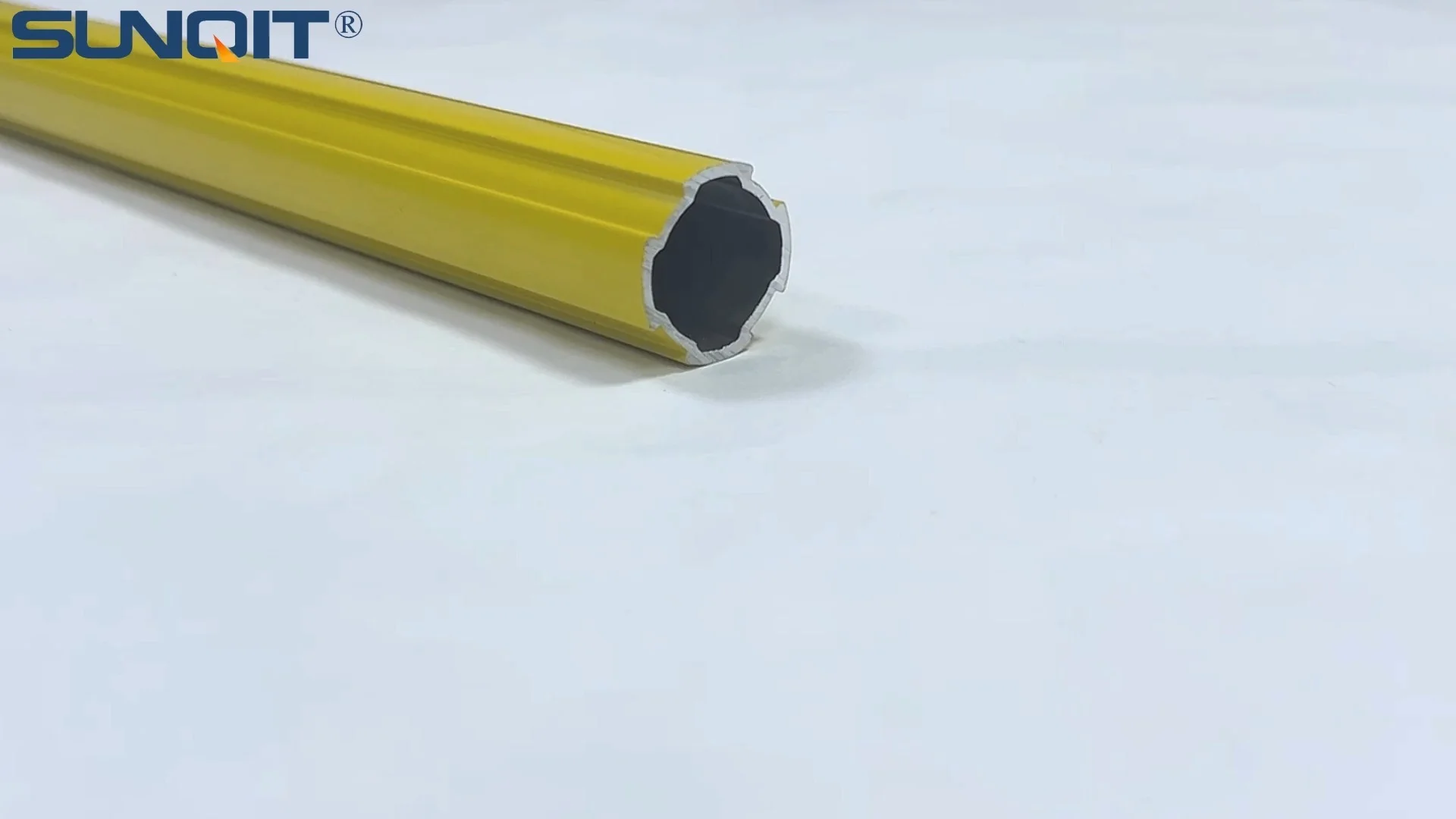
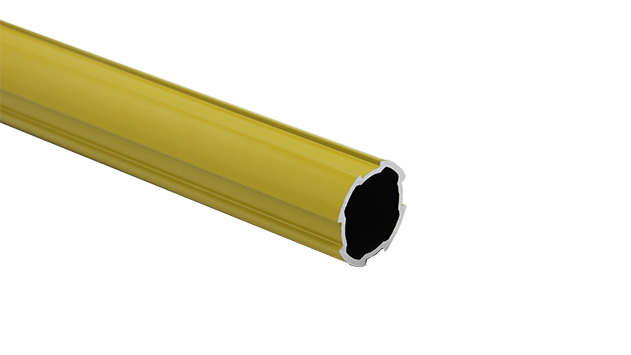
Aluminum pipe, it is used for workbench, flow rack,hand trolley assemble work with advantage of flexible and durable, yellow color makes it more attactive as a caution remind.
It's 8 AM on a Monday, and your production manager bursts into the office with a urgent email—your biggest client just doubled their order, and they need it in two weeks instead of six. The factory floor falls silent as the team absorbs the news: the current setup can't handle that volume. Rewiring the assembly line? Weeks of work. Bringing in new equipment? Lead times are months. Stress levels spike, and for a moment, it feels like the goal is impossible. But then someone mentions it: T slot aluminum pipe . The modular system that's been sitting in the storage room, waiting for a moment like this. By the end of the day, the team is measuring, connecting, and testing. By Wednesday, the new line is up. By Friday, production is humming. That's the power of agility—and it's exactly what T slot aluminum pipe brings to emergency production scenarios.
In today's manufacturing landscape, emergencies aren't anomalies—they're the norm. A sudden surge in demand, a supply chain disruption, a natural disaster, or even a global crisis like a pandemic can turn stable operations upside down in hours. For manufacturers, the ability to pivot quickly isn't just a competitive advantage; it's a survival skill. And at the heart of that agility lies T slot aluminum pipe, a deceptively simple yet revolutionary solution that transforms how production lines are built, adapted, and deployed. This isn't just about metal and bolts—it's about empowering teams to take control, reduce stress, and turn chaos into confidence.
What is T Slot Aluminum Pipe? Breaking Down the Basics
At first glance, T slot aluminum pipe looks like any other metal tube. But run your hand along its length, and you'll notice the defining feature: a continuous T-shaped groove (the "T slot") that runs along one or more sides. That groove is the key to its magic. Unlike traditional steel pipes, which require welding, drilling, or specialized tools to modify, T slot aluminum pipe is designed for instant adaptability . The T slot allows accessories—brackets, shelves, handles, casters, and more—to slide into place and lock securely with a simple turn of a bolt. No welding torches, no power drills, no waiting for glue to dry. Just snap, slide, and secure.
Most T slot aluminum pipes are made from aluminum alloy 6063-T5, a material chosen for its unbeatable balance of strength, lightness, and corrosion resistance. It's strong enough to support heavy machinery (think workbenches loaded with tools) but light enough that two people can carry a 10-foot section without strain. This combination makes it ideal for emergency scenarios, where time and labor are both in short supply.
But T slot aluminum pipe isn't a standalone product—it's part of a ecosystem. At its core is the aluminum extrusion profile (the pipe itself), but the real versatility comes from aluminum profile accessories : corner brackets that pivot 360 degrees, end caps that protect workers from sharp edges, T-nuts that lock accessories in place, and even specialized connectors for joining pipes at odd angles. Together, these components form a modular system where almost any configuration is possible. Need a 4-foot workbench? Connect two pipes with a few brackets. Need to add a shelf halfway up? Slide a bracket into the T slot and tighten. Need to move the entire setup across the factory? Add caster wheels (another key accessory) and roll it into place. It's like building with industrial-grade Legos—only sturdier, and designed for the demands of a production floor.
The Case for T Slot Aluminum Pipe in Emergency Scenarios
To understand why T slot aluminum pipe is a game-changer for emergencies, let's compare it to the status quo: traditional production line setups. For decades, manufacturers relied on welded steel frames, fixed conveyor belts, and custom-built workstations. These systems are durable, but they're also rigid—like building a house with concrete instead of Legos. If you need to adjust the height of a workbench, you'd have to cut the steel legs and reweld them. If you need to add a new station to the line, you'd have to design a new frame, order parts, and wait for a welder to become available. In an emergency, that timeline—weeks, sometimes months—is a death sentence.
T slot aluminum pipe flips that script. Let's say a medical device manufacturer suddenly needs to scale up production of ventilator parts during a pandemic. With traditional steel, they might spend $50,000 and four weeks building new workstations. With T slot aluminum? They could buy pre-cut aluminum extrusion profiles and aluminum profile accessories off the shelf, assemble 10 workstations in a day, and start production within 48 hours. The difference isn't just in speed—it's in control . Teams aren't waiting on external contractors or supply chains; they're solving problems themselves, with tools they can touch and adjust in real time.
| Factor | Traditional Steel Setup | T Slot Aluminum Pipe Setup |
|---|---|---|
| Setup Time | 4–6 weeks (design, welding, finishing) | 4–8 hours (modular assembly, no specialized tools) |
| Cost | High upfront (custom fabrication, labor) | Lower upfront (standardized parts, minimal labor) |
| Flexibility | Rigid (difficult to modify without rebuilding) | Highly flexible (reconfigure in minutes by sliding/adding accessories) |
| Skill Required | Welders, engineers, specialized technicians | Basic hand tools; any team member can learn in 1 hour |
| Modification Ease | Requires cutting/welding; often requires full redesign | Add/remove parts on-site; no cutting or permanent changes |
| Portability | Heavy (often fixed in place) | Lightweight (easily moved with casters; disassembles for transport) |
Another critical advantage? Sustainability. In emergencies, waste isn't just costly—it's unethical. Traditional setups often end up in landfills after a single use, as they can't be repurposed. T slot aluminum pipe, though, is reusable. After the emergency passes, that temporary assembly line can be disassembled, and the parts can be stored or reconfigured into a storage rack, a packing station, or even a turnover trolley for material transport. It's a circular approach that aligns with both budget constraints and environmental goals.
Key Components: Building Blocks of Rapid Deployment
To truly appreciate how T slot aluminum pipe enables rapid deployment, let's zoom in on the components that make it all possible. Think of them as the "ingredients" in your emergency response toolkit—each one plays a specific role, and together, they create something far greater than the sum of their parts.
1. Aluminum Extrusion Profile: The Foundation
The aluminum extrusion profile is the backbone of the system. These profiles come in a range of sizes, from small 20x20mm tubes (ideal for light-duty shelves) to heavy-duty 40x80mm beams (capable of supporting hundreds of pounds). The most common sizes for emergency production lines are 30x30mm and 40x40mm, as they strike a balance between strength and maneuverability. What makes them unique is the T slot design: the groove is precision-extruded during manufacturing, ensuring a consistent fit for accessories across all profiles. This standardization means you can mix and match parts from different batches or suppliers without compatibility issues—a lifesaver when you're racing against the clock.
2. Aluminum Profile Accessories: The Glue That Holds It All Together
If the extrusion profile is the backbone, aluminum profile accessories are the joints, muscles, and nerves. These small but mighty parts turn static pipes into dynamic systems. Take corner brackets, for example: a 90-degree bracket lets you connect two profiles at a right angle in seconds, while a swivel bracket allows for adjustable angles (perfect for sloped conveyor tracks). T-nuts and bolts are the "fasteners of choice"—slide a T-nut into the T slot, place your accessory (say, a shelf bracket), and tighten the bolt. The T-nut expands slightly, locking the accessory in place with enough force to withstand vibrations from heavy machinery.
Other must-have accessories include end caps (to prevent cuts and debris from entering the T slot), casters (for mobility), and panel mounts (to attach plywood or metal sheets for workbench surfaces). Even something as simple as a plastic handle can transform a static frame into a portable cart. The beauty of these accessories is their simplicity: most require only a hex key or a screwdriver to install, meaning any team member—from the shop floor operator to the office admin—can pitch in during an emergency.
3. Workbench: The Heart of the Line
In any production line, the workbench is where the magic happens. It's where workers assemble parts, test products, and package goods. Traditional workbenches are heavy, fixed, and often one-size-fits-all. T slot aluminum workbenches, by contrast, are customizable on the fly . Need a bench that's 6 feet long with a shelf halfway up? Use two 6-foot extrusion profiles for the legs, connect them with cross-braces, and add a plywood top secured with panel mounts. Need to lower the height for shorter workers? Swap out the leg profiles for shorter ones. Need to add tool hooks? Slide hook brackets into the T slot and position them exactly where workers need them. During an emergency, this level of customization isn't a luxury—it's essential. Workers aren't adapting to the bench; the bench adapts to them, reducing fatigue and boosting productivity when every second counts.
4. Turnover Trolley and Rack: Keeping Materials Flowing
A production line is only as efficient as its material flow. When demand spikes, bottlenecks form when parts can't reach workers quickly enough. That's where turnover trolley and rack systems come in. Built with T slot aluminum pipe, these mobile carts and racks are designed to move materials—from raw components to finished products—seamlessly across the factory floor. A turnover trolley might feature a flat surface for boxes, or roller tracks (another accessory) for sliding bins. Racks can be built with adjustable shelves to accommodate different part sizes, ensuring nothing gets lost or delayed.
During the height of the COVID-19 pandemic, a medical supply manufacturer in Ohio faced this exact challenge: they needed to move face mask materials from storage to assembly stations without congestion. Using T slot aluminum pipe, they built 12 turnover trolleys in a day, each with caster wheels and adjustable dividers. Workers could now roll materials directly to their workbenches, cutting down on walking time by 40%. What could have been a chaotic bottleneck became a smooth, efficient flow—all because the team had the tools to adapt.

Real-World Stories: T Slot Aluminum in Action During Emergencies
Numbers and tables tell part of the story, but real impact lies in the human moments—the plant managers who stopped losing sleep, the teams that went from stressed to proud, the deadlines that were met against all odds. Here are three stories that bring T slot aluminum pipe's emergency potential to life.
Story 1: The Pandemic Pivot (Medical Devices)
In March 2020, a small electronics manufacturer in California received a call from the state government: Could they repurpose their factory to produce ventilator components? The company had never made medical devices before, but with hospitals facing shortages, they said yes. The problem? Their existing production line was designed for circuit boards, not large metal parts. They needed workstations, testing benches, and material racks—fast.
The team turned to T slot aluminum pipe. They ordered 40x40mm profiles, corner brackets, casters, and plywood tops. By the end of the first day, they'd built 8 workstations. By the second day, they added testing benches with adjustable height (to accommodate engineers of different sizes) and mobile material racks. By day three, production started. "It was like building with giant erector sets," said the plant foreman. "We didn't have to wait for anyone—we just grabbed the parts and started connecting. The T slots made it so easy to adjust: if a shelf was too low, we slid it up. If a workstation needed a tool holder, we added one in 2 minutes." Within two weeks, they were producing 500 ventilator parts a day—parts that went on to save lives. "That system didn't just build parts," the foreman added. "It built confidence. We went from 'can we do this?' to 'watch us.'"
Story 2: The Holiday Rush (Consumer Goods)
A toy manufacturer in Texas faced a different kind of emergency: a last-minute order for 100,000 holiday-themed dolls, with delivery required in three weeks (down from the usual eight). Their packaging line was maxed out, and adding a second line with traditional equipment would take six weeks—too late. The solution? A temporary packaging line built with T slot aluminum pipe, turnover trolleys , and roller tracks.
The team started by measuring the available floor space—just 20 feet by 10 feet. They used 30x30mm profiles to build a U-shaped line: dolls would enter on one end, move along roller tracks (made from aluminum profiles and plastic rollers), and exit packaged on the other side. Workstations were positioned along the U, with turnover trolleys feeding packaging materials to each station. The key innovation? Adjustable roller track angles: by tilting the tracks slightly, gravity helped move the dolls along, reducing the need for powered conveyors. "We built the entire line in 12 hours," said the production manager. "The next day, we tested it with a few workers, tweaked the track angles, and by lunch, we were running at 50% capacity. By the end of the week, we were hitting 100%. The best part? After the holiday rush, we disassembled the line and stored the parts. Three months later, we reused them to build a shipping station for our spring line. No waste, no extra cost—just pure adaptability."
Story 3: Disaster Recovery (Food Processing)
When Hurricane Laura hit Louisiana in 2020, a food processing plant in Lake Charles lost power and saw its main production line flooded. With thousands of pounds of perishable goods at risk, the plant needed to set up a temporary line in its undamaged warehouse—fast. Traditional equipment was waterlogged, but they had a stash of T slot aluminum pipe and accessories in a dry storage container.
Working by generator light, the team built a simplified washing and packaging line using 40x40mm profiles, plastic roller tracks, and workbenches with stainless steel tops (to resist water and food residue). Casters allowed them to move the line closer to windows for natural light when the generator ran low. "We didn't have blueprints or engineers—we just looked at the damaged line and replicated it with aluminum," said the plant owner. "The T slots let us improvise: when we needed a higher shelf for cleaning supplies, we added a bracket. When the roller track started slipping, we tightened a bolt. By the time power was restored three days later, we'd saved 70% of the perishable inventory. That aluminum system didn't just save us money—it saved our business."

Best Practices for Deploying T Slot Aluminum Emergency Lines
T slot aluminum pipe is powerful, but it's not a "set it and forget it" solution. To maximize its potential during emergencies, teams need to plan ahead, train effectively, and stay flexible. Here are five best practices to ensure success:
1. Pre-Kit Components for Quick Access
Emergencies don't wait for you to order parts. Stock a "rapid response kit" with common extrusion profiles (30x30mm and 40x40mm in 4-foot and 6-foot lengths), essential accessories (corner brackets, T-nuts, bolts, casters), and tools (hex keys, tape measures, level). Store the kit in a labeled, waterproof container near the production floor. When an emergency hits, you won't waste time searching for parts—you'll grab the kit and start building.
2. Train the Team (Before You Need Them)
Even the best tools are useless if no one knows how to use them. Hold a 1-hour training session for all team members, focusing on the basics: how to slide T-nuts into the T slot, how to connect profiles with brackets, and how to adjust accessories. Let workers practice building a simple workbench or cart. When an emergency strikes, you'll have a team of "aluminum assembly experts" ready to pitch in, not just a few trained technicians.
3. Prototype First, Then Scale
Resist the urge to build the entire line at once. Start with a small prototype—a single workstation or a short roller track—to test the design. Does the height work for workers? Do the roller tracks move smoothly? Is there enough space for turnover trolleys? Prototyping takes 30 minutes but prevents costly mistakes later. Once the prototype works, replicate it quickly using the same measurements and parts.
4. Document and Label Everything
In the chaos of an emergency, it's easy to forget how you built something. Take photos of the prototype, jot down measurements (e.g., "workbench height: 36 inches"), and label parts with masking tape (e.g., "left roller track: 40x40mm profile + 6 brackets"). This documentation becomes a "cheat sheet" for scaling the line or making adjustments later.
5. Plan for Reuse
Emergencies are temporary, but T slot aluminum pipe isn't. After the crisis passes, disassemble the line and clean the parts. Store them with your rapid response kit, so they're ready for the next emergency. You might even repurpose them for non-emergency use: a temporary line could become a permanent storage rack, or a mobile workstation could become a maintenance cart. The goal is to get value from every part, long after the emergency is over.
Conclusion: The Future of Manufacturing Agility
Emergency production lines aren't just about machines and materials—they're about people. They're about the team that stays late to solve a problem, the manager who stops losing sleep, the company that keeps its promises to customers and communities. T slot aluminum pipe doesn't just build better production lines; it builds better experiences —experiences where stress is replaced with confidence, and impossibilities become realities.
As manufacturing continues to evolve, agility will only grow more critical. Supply chains will remain unpredictable, demands will spike without warning, and emergencies will test even the most prepared teams. In that world, T slot aluminum pipe isn't just a tool—it's a strategic advantage. It's the difference between watching a crisis unfold and responding to it. Between missing a deadline and exceeding it. Between surviving and thriving.
So the next time that urgent email arrives, or the next crisis hits, remember: you don't have to panic. You have T slot aluminum pipe. And with that, you have the power to build, adapt, and deploy—faster than you ever thought possible. Because in manufacturing, the best emergency plan isn't a plan at all. It's a toolkit. And T slot aluminum pipe is the most versatile tool in the box.