- Company Articles
- Products and Technology
- Product knowledge
- T Slot Aluminum Pipe for Flexible Production Lines: Modular Design Benefits

T Slot Aluminum Pipe for Flexible Production Lines: Modular Design Benefits
Related Product
T Slot Aluminum Pipe
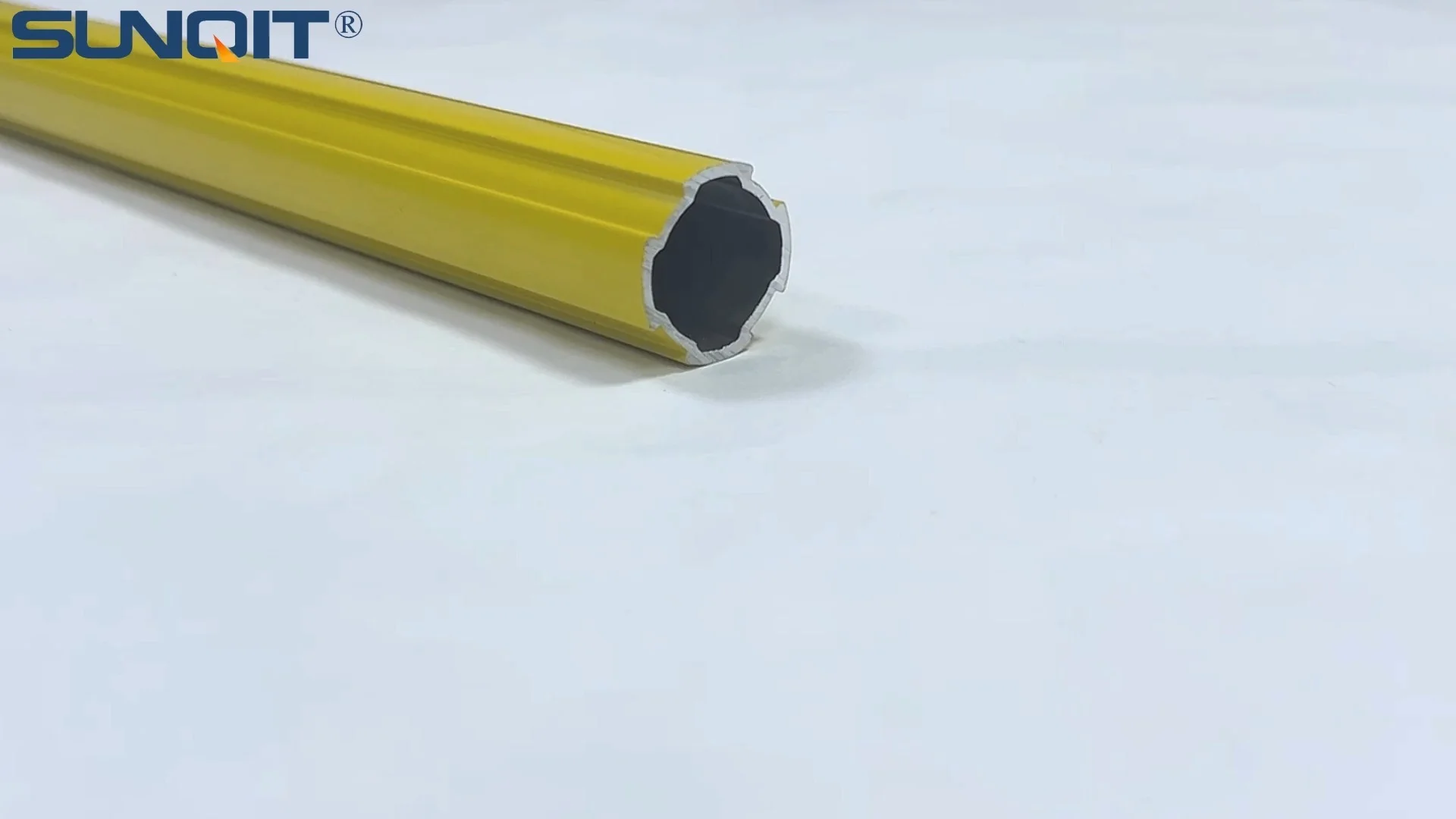
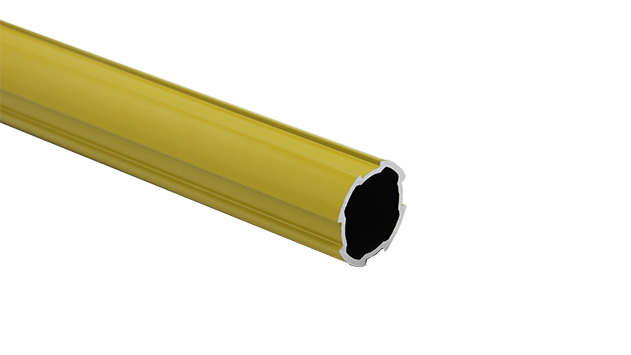
Aluminum pipe, it is used for workbench, flow rack,hand trolley assemble work with advantage of flexible and durable, yellow color makes it more attactive as a caution remind.
In today's fast-paced manufacturing landscape, where product cycles shrink and customization demands grow, the ability to adapt quickly isn't just a competitive advantage—it's a survival necessity. Traditional production lines, built with rigid steel frames and welded components, often feel like relics of a bygone era. They're time-consuming to install, expensive to reconfigure, and stubbornly resistant to change. Enter the unsung hero of modern manufacturing: the T slot aluminum pipe. More than just a material, it's a modular building block that transforms how factories, workshops, and assembly lines operate. In this article, we'll explore why T slot aluminum pipe has become the backbone of flexible production systems, diving into its design principles, real-world benefits, and how it empowers teams to build, adapt, and thrive in an ever-changing industry.
What Is T Slot Aluminum Pipe, Anyway?
Let's start with the basics. T slot aluminum pipe—often referred to as an aluminum extrusion profile —is exactly what it sounds like: a lightweight, durable aluminum tube with a T-shaped groove (the "T slot") running along its length. This groove isn't just a design quirk; it's the secret to its versatility. The extrusion process, where aluminum is forced through a die to create consistent, precision shapes, ensures that each pipe is uniform, strong, and ready to connect with a wide range of accessories. Unlike traditional steel pipes, which are heavy and require welding or drilling to modify, T slot aluminum pipe is designed for flexibility from the ground up.
Think of it as industrial Legos for adults. The T slot acts as a built-in channel for bolts, brackets, and connectors, allowing you to attach components without damaging the pipe itself. Need to add a shelf? Slide a bracket into the slot and tighten a screw. Want to extend a workbench? Connect two pipes with a joint and secure it with a T-slot nut. It's this "click-and-play" simplicity that sets T slot aluminum pipe apart, making it a favorite among manufacturers who value agility.
The Power of Modular Design: Why One Size No Longer Fits All
Modular design isn't a new concept, but T slot aluminum pipe takes it to a whole new level. At its core, modularity means building systems from interchangeable parts that can be easily rearranged, added to, or repurposed. In manufacturing, this translates to production lines that can shift from assembling smartphones in the morning to fitness trackers in the afternoon, or from small-batch runs to mass production without a complete overhaul. Let's break down why this matters.
1. Adaptability Without the Headache
Consider a typical scenario: A small electronics manufacturer lands a rush order for a new gadget. Their current assembly line, built with fixed steel workbenches and welded conveyor rails, is optimized for their standard product. To accommodate the new order, they'd need to hire welders, shut down production for days, and spend thousands on custom modifications. With T slot aluminum pipe, the process looks very different. The team can disassemble sections of the existing workbench , reconfigure the roller track to adjust material flow, and add new components using aluminum profile accessories —all in a matter of hours, not days. No welding, no downtime, no massive bills. That's the power of modularity.
2. Cost-Efficiency That Adds Up
It's easy to focus on upfront costs, but modular systems shine when you look at the long game. Traditional steel setups often require complete replacement when production needs change. T slot aluminum components, however, are reusable. A bracket from an old workbench can find new life in a material rack; a section of roller track can be repurposed to build a temporary assembly station. Over time, this reusability drastically reduces waste and lowers total cost of ownership. Plus, because T slot systems are lightweight, they're cheaper to ship and install—no need for heavy machinery or specialized labor. For small to mid-sized businesses, this can mean the difference between staying competitive and getting left behind.
3. Ergonomics: Building Lines That Work for People
Manufacturing isn't just about machines—it's about the people operating them. Poor ergonomics leads to fatigue, errors, and even injuries, all of which hurt productivity. T slot aluminum pipe makes it easy to design workspaces that adapt to human needs, not the other way around. Need a workbench that's 36 inches high for one operator and 40 inches for another? Adjust the legs using height-adjustable aluminum joints. Want to angle a roller track to reduce bending? Swap out a few connectors. These small tweaks might seem minor, but they add up to happier, healthier teams and smoother operations.
Beyond the Pipe: The Role of Accessories in Modular Systems
A T slot aluminum pipe is only as good as the accessories that bring it to life. Aluminum profile accessories are the glue that holds modular systems together, turning simple pipes into fully functional workbenches, conveyor lines, and material racks. Let's take a closer look at some key players:
- Joints and Connectors: From 90-degree angles to swivel joints, these allow pipes to connect in endless configurations. Internal rotatary aluminum joints, for example, let sections pivot, making it easy to create folding workbenches or adjustable material racks.
- Roller Tracks and Guides: Plastic roller track guide rails (available in yellow, grey, and other colors) turn static shelves into dynamic material flow systems. Whether you're moving small parts or heavy components, these tracks ensure smooth, consistent movement, reducing manual lifting and speeding up production.
- Casters and Wheels: Add mobility to workbenches or trolleys with caster wheels, making it easy to reposition equipment as needed. Locking casters keep everything stable during operation, while swivel designs allow for tight turns in crowded factories.
- Panels and Work Surfaces: Aluminum honeycomb panels or wooden tops attach to T slot frames to create sturdy workbenches, while corrugated aluminum sheets add lightweight, durable sides to racks. These surfaces can be easily replaced if damaged, extending the life of the entire system.
The beauty of these accessories is their interoperability. Most are designed to work with standard T slot sizes, so you can mix and match components from different suppliers without compatibility issues. This flexibility means you're never locked into a single vendor or design—you can evolve your system as your needs change.

Traditional vs. T Slot: A Side-by-Side Comparison
Still on the fence about whether T slot aluminum is right for your production line? Let's put it head-to-head with traditional steel systems in a table that breaks down the key differences:
| Feature | Traditional Steel Systems | T Slot Aluminum Systems |
|---|---|---|
| Installation Time | Weeks to months (requires welding, cutting, and specialized labor) | Hours to days (bolt-together assembly, no welding needed) |
| Customization | Limited (changes require cutting/welding; often permanent) | High (easily reconfigured with new accessories; no permanent modifications) |
| Weight | Heavy (difficult to move; requires machinery for repositioning) | Lightweight (easily moved by hand or with casters) |
| Durability | Prone to rust and corrosion (requires regular maintenance) | Resistant to rust and corrosion (low maintenance, ideal for humid/damp environments) |
| Cost Over Time | Higher (frequent replacement, high labor costs for modifications) | Lower (reusable components, minimal labor for changes, longer lifespan) |
As the table shows, T slot aluminum systems outshine traditional steel in nearly every category that matters for modern manufacturing: speed, flexibility, cost, and durability. For businesses looking to future-proof their operations, this isn't just an upgrade—it's a transformation.

Real-World Impact: How T Slot Aluminum Pipe Transforms Production Lines
To truly understand the value of T slot aluminum pipe, let's look at a real-world example. Consider a mid-sized automotive parts manufacturer that was struggling to keep up with changing customer demands. Their production line, built with welded steel frames, took weeks to reconfigure, and each change meant shutting down operations, losing revenue, and falling behind on orders. The team was frustrated, and the company was bleeding money on custom steelwork.
Then, they switched to T slot aluminum pipe. The first project was a new assembly station for a line of electric vehicle components. Using aluminum extrusion profiles, roller tracks, and adjustable workbenches, the team designed and built the station in just three days—no welding, no downtime. When the customer requested a design change a month later, they reconfigured the station in under eight hours by swapping out a few roller track sections and adjusting the workbench height. The result? On-time deliveries, happier customers, and a team that finally felt in control of their production process.
Another example comes from the electronics industry, where a contract manufacturer needed to handle multiple product lines—from smartwatches to industrial sensors—on the same floor. With T slot aluminum, they created modular workbenches that could be quickly retooled with different fixtures and tool holders. Roller tracks were added to move components between stations, and mobile trolleys (built with the same aluminum pipes) transported finished products to shipping. The flexibility allowed them to take on smaller, custom orders without sacrificing efficiency, boosting their bottom line by 20% in the first year.
Looking Ahead: T Slot Aluminum in the Age of Smart Manufacturing
As Industry 4.0 takes hold, factories are becoming smarter, more connected, and more automated. T slot aluminum pipe is poised to play a central role in this transformation. Its modular design makes it the perfect platform for integrating IoT sensors, robotic arms, and other smart technologies. Need to mount a camera to monitor production quality? Attach it to an aluminum profile with a bracket. Want to add a barcode scanner to a roller track? Slide it into the T slot and connect it to your network. These integrations don't require major overhauls—just a few new accessories.
Even better, T slot systems are scalable. Start small with a single workbench, then expand to a full conveyor line as your business grows. Add automation components incrementally, without disrupting existing operations. For startups and established companies alike, this means lower risk and higher reward when adopting new technologies.
Conclusion: Building for the Future, One Pipe at a Time
In a world where change is the only constant, flexibility isn't optional—it's essential. T slot aluminum pipe isn't just a material; it's a mindset. It's about building production lines that adapt, evolve, and grow with your business, rather than holding you back. From its lightweight, durable design to its endless array of accessories, it empowers teams to create systems that work for people, not against them.
Whether you're a small workshop looking to streamline operations or a large manufacturer aiming to stay ahead of Industry 4.0, T slot aluminum pipe offers a path forward. It's a investment in agility, in efficiency, and in the future of manufacturing. So why wait? Start building a production line that can keep up with whatever comes next—one T slot at a time.