- Company Articles
- Products and Technology
- Product knowledge
- T Slot Aluminum Pipe for Laboratory Equipment: Stability and Adjustability

T Slot Aluminum Pipe for Laboratory Equipment: Stability and Adjustability
Related Product
T Slot Aluminum Pipe
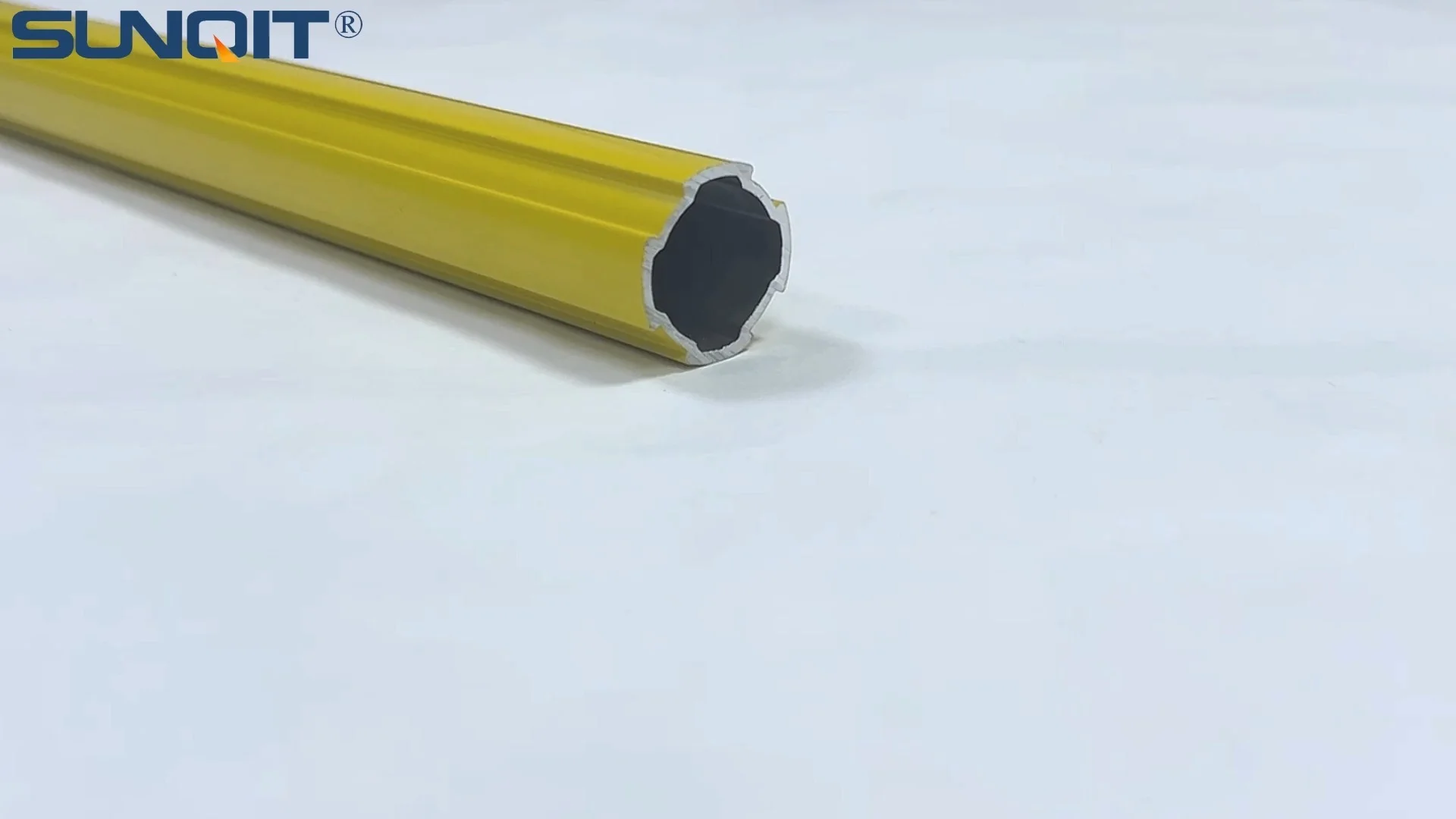
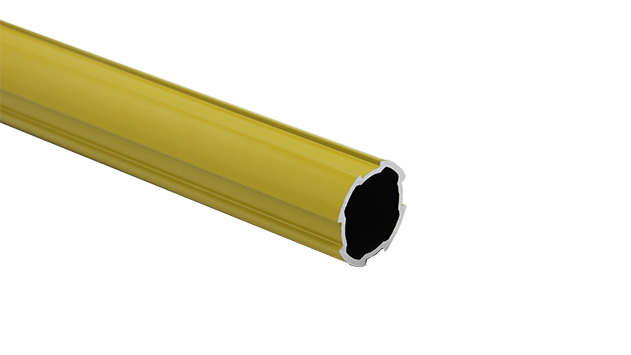
Aluminum pipe, it is used for workbench, flow rack,hand trolley assemble work with advantage of flexible and durable, yellow color makes it more attactive as a caution remind.
Laboratories are the heartbeat of scientific discovery, where precision, reliability, and adaptability can make or break research outcomes. From biochemistry labs analyzing cell samples to pharmaceutical facilities testing new drugs, the equipment that houses, supports, and organizes these processes plays a critical role. Yet, lab managers and researchers often face a dual challenge: ensuring equipment is stable enough to handle sensitive instruments and delicate samples, while also being flexible enough to adapt to evolving experiments, team sizes, and workflow changes. Enter T slot aluminum pipe—a material that has quietly revolutionized lab design by balancing these two seemingly opposing needs: stability and adjustability.
At first glance, T slot aluminum pipe might seem like just another industrial component, but its impact on lab efficiency and safety is profound. Unlike rigid, one-size-fits-all setups of the past, T slot aluminum pipe systems are built on a foundation of modularity, allowing labs to customize, reconfigure, and scale their workspaces with minimal effort. In this article, we'll explore how T slot aluminum pipe has become the backbone of modern lab equipment, diving into its unique properties that deliver unmatched stability, its design flexibility that enables endless adjustability, and real-world examples of how it's transforming labs across industries. We'll also compare it to traditional materials, discuss maintenance best practices, and peek into future trends—all to show why T slot aluminum pipe isn't just a material choice, but a strategic investment in scientific progress.
The Science of Stability: Why T Slot Aluminum Pipe Stands Firm
Stability in lab equipment isn't just about preventing wobbles—it's about protecting sensitive data, ensuring reproducible results, and safeguarding researchers from accidents. Imagine a scenario where a centrifuge vibrates during operation, or a microscope shifts mid-experiment; even the smallest instability can compromise hours of work. T slot aluminum pipe addresses this by combining material science with thoughtful engineering, creating structures that stay steady under pressure.
At the core of its stability is the aluminum itself. Most T slot aluminum pipes are made from 6061-T6 aluminum alloy, a material renowned for its exceptional strength-to-weight ratio. This alloy undergoes a heat-treating process that enhances its tensile strength (up to 42,000 psi) and yield strength (35,000 psi), making it comparable to some steels but at a fraction of the weight. For labs, this means equipment can support heavy loads—like a workbench holding multiple spectrometers or a material rack stacked with reagent bottles—without bending, warping, or collapsing over time.
But material alone isn't enough. The "T slot" design is where the magic happens. Unlike smooth pipes or solid bars, T slot aluminum pipe features a continuous, T-shaped groove running along its length. This groove isn't just for show; it's a structural feature that allows for secure, multi-point connections. When paired with aluminum profile accessories—like brackets, clamps, and 90° connectors—the T slot creates a rigid framework where every joint locks into place. Unlike bolted steel structures, which can loosen with vibration, T slot connections distribute stress evenly across the entire length of the pipe, reducing weak points and minimizing movement.
Real-World Stability Test: A forensic lab in Chicago recently put T slot aluminum pipe to the test when setting up a new DNA analysis workstation. The setup included a 6-foot workbench with a PCR machine (250 lbs), a refrigerated centrifuge (300 lbs), and a fume hood (150 lbs). Even during centrifuge operation—known for generating significant vibration—the workbench showed less than 0.5mm of movement, well below the 2mm threshold for compromising sensitive equipment. "We used to have issues with our old wooden workbench shaking during centrifugation," said Dr. Maya Patel, the lab's director. "With the T slot aluminum setup, we haven't had a single sample loss due to instability."
Another stability-enhancing feature is the precision of aluminum extrusion. T slot aluminum pipes are manufactured using a process where molten aluminum is forced through a die, creating uniform dimensions and consistent wall thickness. This precision ensures that every pipe, whether it's 20mm or 40mm in diameter, fits perfectly with its accessories. No gaps, no mismatched parts—just a tight, secure fit that adds to the overall rigidity of the structure. For labs working with hazardous materials or fragile samples, this consistency is non-negotiable.
Adjustability: The Key to Lab Flexibility
If stability is the foundation of T slot aluminum pipe, adjustability is its superpower. Labs are dynamic environments: a team might need to expand a workspace next month, reconfigure a testing line for a new project, or downsize a setup during low season. Traditional lab equipment—like welded steel racks or fixed wooden workbenches—can't keep up with these changes, often requiring expensive replacements or time-consuming renovations. T slot aluminum pipe solves this by being inherently modular, allowing labs to adapt on the fly.
The modularity starts with the pipes themselves. T slot aluminum pipe systems are built using standard lengths (typically 1m, 2m, or 3m) that can be cut to size with basic tools. This means a lab can start with a small setup—a single workbench, for example—and later add shelves, extensions, or entirely new stations by simply adding more pipes. No need for custom fabrication; just cut, connect, and secure with aluminum profile accessories.
Aluminum profile accessories are the unsung heroes of adjustability. From simple end caps that protect pipe edges to complex 135° connectors that allow for angled structures, these accessories turn basic pipes into versatile building blocks. Take, for instance, the T-slot rubber seal cover—a small, flexible strip that fits into the T slot to hide cables, wires, or hoses. In a lab with multiple instruments, this accessory transforms a cluttered workspace into an organized, safe environment, and it can be easily removed or repositioned when adding new equipment.
Workbenches, a staple in every lab, showcase adjustability at its best. A basic T slot aluminum workbench can start as a single deck (without casters) for stationary use, then be upgraded with caster wheels to become mobile. Need more storage? Add a second deck or attach a material rack (like Material Rack B, a 3-row, 3-floor design) to the side. Height adjustment is another perk: by using telescoping pipes or adjustable feet, the workbench can be raised or lowered to fit researchers of different heights, reducing ergonomic strain during long experiments.
Perhaps the most compelling example of adjustability is in custom setups. Labs with unique needs—like a pharmaceutical lab requiring a sterile hood with integrated tool holders or a biology lab needing a tiered rack for petri dishes—can design one-of-a-kind structures using T slot aluminum pipe. Because the system is so flexible, there's no need to compromise on design. A researcher can sketch a layout, order the necessary pipes and accessories, and assemble the structure in hours, not weeks.
T Slot Aluminum Pipe vs. Traditional Materials: A Comparison
To truly appreciate T slot aluminum pipe, it helps to see how it stacks up against the materials labs have relied on for decades: steel, wood, and plastic. Each has its merits, but none offer the same balance of stability, adjustability, and practicality as T slot aluminum.
| Feature | T Slot Aluminum Pipe | Traditional Steel Pipe | Wooden Structures | Plastic Pipe |
|---|---|---|---|---|
| Material Composition | 6061-T6 aluminum alloy | Mild steel or stainless steel | Solid wood or plywood | PVC or HDPE |
| Weight (per meter) | 1.2–2.5 kg (varies by diameter) | 3.5–8.0 kg (heavier, harder to maneuver) | 2.0–5.0 kg (depends on thickness/density) | 0.5–1.0 kg (light but less sturdy) |
| Corrosion Resistance | Excellent (resistant to chemicals, moisture) | Good (stainless steel) to poor (mild steel, prone to rust) | Poor (swells with moisture, warps with chemicals) | Good (resistant to moisture, but not all chemicals) |
| Adjustability | Exceptional (modular, reconfigurable with accessories) | Low (welded joints, hard to modify) | Low (fixed structure, requires cutting/sanding to modify) | Moderate (can be cut, but limited connection options) |
| Load Capacity | High (supports 50–200 kg per linear meter) | Very high (supports 100–300 kg per linear meter) | Moderate (50–100 kg, depends on wood type) | Low (10–30 kg, prone to bending under heavy loads) |
| Maintenance | Low (wipe clean with mild detergent, no rust prevention needed) | High (stainless steel needs polishing; mild steel needs painting/coating) | High (sealing, refinishing to prevent warping/rot) | Low (easy to clean, but prone to scratches/yellowing) |
| Cost (Initial + Long-Term) | Moderate initial cost, low long-term (durable, reusable) | High initial cost, high long-term (heavy, hard to replace parts) | Low initial cost, high long-term (needs frequent replacement) | Low initial cost, high long-term (low durability, frequent replacement) |
As the table shows, T slot aluminum pipe strikes a unique balance: it's lighter than steel, more durable than wood, and sturdier than plastic. For labs, this translates to equipment that's easy to install, modify, and maintain—all while supporting the heavy loads and harsh conditions of scientific work. It's no wonder that labs switching to T slot aluminum pipe often report lower long-term costs, as they avoid the need to replace worn-out wooden workbenches or repair rusted steel racks.

Maintenance and Longevity: Keeping Labs Running Smoothly
In busy labs, equipment downtime is a luxury no one can afford. T slot aluminum pipe systems are designed to minimize maintenance, ensuring they stay functional for years—even decades—with basic care. Here's how to keep them in top shape:
Cleaning: Aluminum's natural resistance to corrosion means it can be cleaned with simple, mild detergents and a soft cloth. For labs dealing with chemicals or biological spills, a quick wipe with isopropyl alcohol or a 10% bleach solution will sanitize surfaces without damaging the aluminum. Avoid abrasive cleaners or steel wool, as these can scratch the surface and expose the metal to potential corrosion (though 6061-T6 aluminum is highly resistant, scratches can still trap dirt).
Joint Care: Over time, the aluminum profile accessories that connect pipes—like bolts, clamps, and connectors—may loosen due to vibration or frequent reconfiguration. A monthly check with a hex key (to tighten bolts) and a visual inspection of joints will prevent wobbling. For labs with heavy equipment, applying a small amount of thread locker to bolts can keep them secure for longer.
Accessory Replacement: While aluminum pipes themselves are durable, accessories like caster wheels or plastic roller track guide rails may wear out with heavy use. The good news? These parts are inexpensive and easy to replace. Most T slot aluminum pipe suppliers offer a full range of replacement accessories, so labs don't need to replace the entire system—just the worn part.
Storage: If a lab needs to temporarily disassemble a setup (e.g., during a renovation), T slot aluminum pipes can be stored in dry, indoor spaces. Unlike steel, they won't rust, and unlike wood, they won't warp from humidity. Wrapping pipes in bubble wrap or storing them in a rack will prevent scratches, ensuring they look and function like new when reassembled.
The longevity of T slot aluminum pipe is impressive. Many labs report using the same systems for 10+ years, with only minor accessory replacements. This durability not only saves money but also reduces waste—a win for labs aiming to adopt sustainable practices.

Future Trends: T Slot Aluminum Pipe in the Smart Lab
As labs evolve into "smart labs"—integrated spaces with IoT sensors, automated equipment, and data-driven workflows—T slot aluminum pipe is poised to play an even bigger role. Here's how we'll see it adapt:
IoT Integration: The T slot groove is the perfect place to hide and secure IoT sensors, like temperature monitors, humidity trackers, or motion detectors. Labs will soon be able to attach these sensors directly to their T slot aluminum structures, creating a network of connected devices that monitor conditions in real time. For example, a sensor attached to a material rack could alert researchers if reagent temperatures rise above a safe threshold, preventing sample loss.
Sustainable Innovation: Aluminum is 100% recyclable, and as labs prioritize sustainability, T slot aluminum pipe systems will become even more eco-friendly. Suppliers are already experimenting with recycled aluminum alloys that maintain strength while reducing carbon footprints. Additionally, 3D-printed aluminum profile accessories—custom parts made on-demand—will minimize waste by eliminating overproduction of rarely used accessories.
Ergonomic Design: With a growing focus on researcher well-being, T slot aluminum pipe will enable more ergonomic equipment. Think adjustable-height workbenches that sync with smart watches to automatically raise or lower based on a researcher's posture, or mobile carts with built-in weight sensors that alert users if they're overloading the structure (preventing strain injuries).
Conclusion: T Slot Aluminum Pipe—A Lab's Best Investment
In the fast-paced world of scientific research, labs need equipment that can keep up. T slot aluminum pipe delivers on every front: stability to protect sensitive work, adjustability to adapt to changing needs, and durability to last for years. By combining advanced material science with modular design, it's transformed lab spaces from rigid, static environments into dynamic, customizable hubs of innovation.
Whether you're setting up a new lab, upgrading existing equipment, or simply looking to improve workflow, T slot aluminum pipe is more than a material choice—it's a strategic investment in efficiency, safety, and progress. As one lab manager put it: "We used to spend thousands on custom steel racks that became obsolete within a year. With T slot aluminum, we've saved money, reduced downtime, and given our researchers the flexibility to design the workspace they need. It's the best decision we ever made."
So, the next time you walk into a lab, take a closer look at the workbenches, racks, and carts. Chances are, they're built with T slot aluminum pipe—a quiet innovation that's helping scientists focus on what matters most: discovery.