- Company Articles
- Products and Technology
- Product knowledge
- T Slot Aluminum Pipe for Prototyping: Fast Iteration in Product Development

T Slot Aluminum Pipe for Prototyping: Fast Iteration in Product Development
Related Product
T Slot Aluminum Pipe
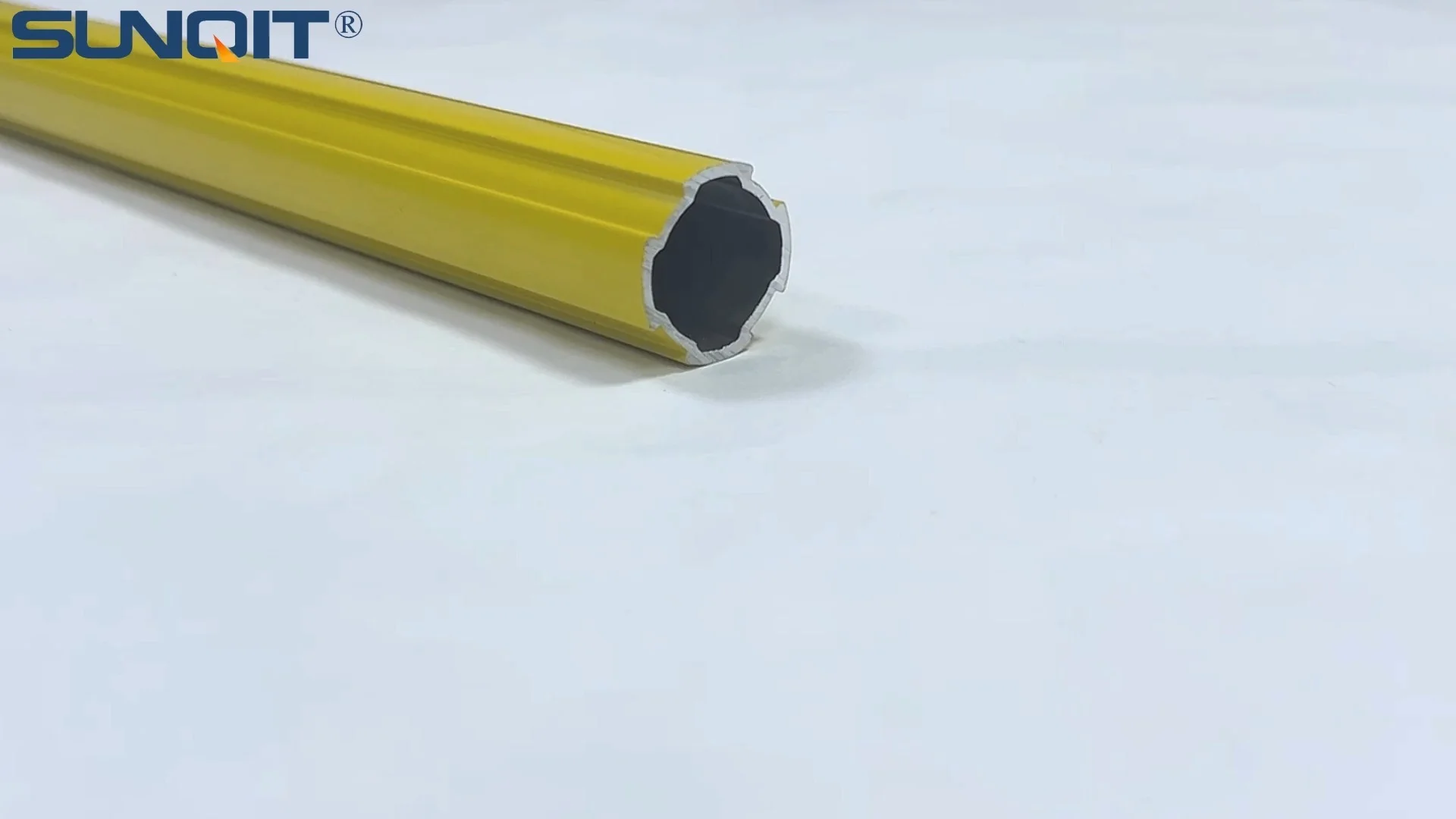
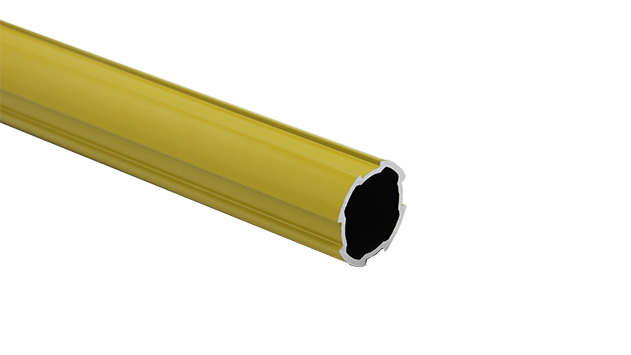
Aluminum pipe, it is used for workbench, flow rack,hand trolley assemble work with advantage of flexible and durable, yellow color makes it more attactive as a caution remind.
In the race to bring new products to market, every day counts. Engineers and designers know the frustration: spending weeks drafting a design, only to wait longer for prototypes to be built, tested, and revised. Traditional prototyping methods—wood, steel, or even plastic—often feel like running a marathon with lead weights: slow, cumbersome, and unforgiving of mistakes. But what if there was a way to hit "fast forward" on the prototyping process? Enter T Slot Aluminum Pipe, a material that's quietly revolutionizing how teams iterate, adapt, and innovate. Paired with the right Aluminum Profile Accessories and Aluminum Extrusion Profile designs, it's turning the once-painful journey from concept to prototype into a streamlined, agile process. Let's dive into how this unassuming tool is becoming the backbone of fast-paced product development.
What Is T Slot Aluminum Pipe, Anyway?
At first glance, T Slot Aluminum Pipe looks like any other metal tube—but a closer look reveals its secret weapon: a continuous T-shaped groove running along its length. This groove isn't just for show; it's a universal connection point that lets you attach, adjust, and reconfigure components with minimal effort. Unlike traditional steel pipes that require welding or wood that needs cutting and gluing, T Slot Aluminum Pipe is designed for flexibility from the ground up.
Made through Aluminum Extrusion Profile techniques, these pipes are precision-engineered to standard sizes, ensuring compatibility across brands and projects. You'll find them in common dimensions like 20x20mm (ideal for small fixtures), 30x30mm (great for workbenches), or 40x40mm (perfect for heavy-duty racks). The beauty lies in their modularity: each pipe can connect to others using simple brackets, joints, or screws, turning a pile of parts into a functional structure in hours—not days.
Why Speed in Prototyping Isn't Just a Luxury—It's a Necessity
In today's product development landscape, speed isn't about cutting corners; it's about survival. Here's why:
- Market Competition: If your team takes six months to prototype a new gadget, a competitor could launch a similar product in three—and capture your audience first.
- Customer Feedback Loops: The faster you can get a prototype into users' hands, the quicker you learn what works (and what doesn't). A slow prototyping process means outdated feedback that misses the mark.
- Cost Savings: Every day a prototype sits in production is a day of labor, materials, and overhead costs piling up. Reduce prototyping time by 50%, and you slash those costs significantly.
Agile methodologies, popular in software development, have long emphasized "fail fast, iterate faster." Now, hardware teams are catching on—and T Slot Aluminum Pipe is their secret tool to make that philosophy a reality.
How T Slot Aluminum Pipe Turns "Slow" into "Speedy"
So, what makes T Slot Aluminum Pipe so effective at accelerating prototyping? Let's break down its superpowers:
1. Modularity: Build, Break, Rebuild—No Regrets
Imagine building a prototype workbench with wood. If you measure wrong, you either start over or live with a wobbly structure. With T Slot Aluminum Pipe, there's no "point of no return." Need to adjust the height of a shelf? Loosen a few screws, slide the bracket, and tighten. Want to add a new component? Just slot in a new bracket and secure it. This modularity means you can test 10 design ideas in a day instead of one idea in a week.
Take, for example, a startup developing a new automated packaging machine. Their first prototype needed a frame to hold sensors and conveyor belts. Using T Slot Aluminum Pipe, they built a basic structure in the morning, tested it, realized the conveyor angle was off, and reconfigured the frame by lunch. By afternoon, they were testing version 2—something that would've taken days with steel or wood.
2. No Special Tools Required (Goodbye, Welding Torch)
Traditional prototyping often demands specialized skills: welding for metal, carpentry for wood, 3D modeling for plastic. T Slot Aluminum Pipe, though? All you need is a hex key (allen wrench) and a basic understanding of how nuts and bolts work. There's no need for a workshop full of tools or a team of specialists. Even someone with minimal technical experience can assemble a functional structure.
This accessibility is a game-changer for small teams or startups. A solo founder with a great idea doesn't need to hire a welder or learn CAD overnight. They can order T Slot Aluminum Pipe and Aluminum Profile Accessories online, follow a simple guide, and have a prototype ready in a weekend.
3. Reusability: Your Parts, Your Rules
Ever built a wooden prototype, only to realize it's useless once the design changes? That's the opposite of T Slot Aluminum Pipe. When a project ends or a design evolves, you don't throw away the parts—you take them apart and reuse them. A pipe from a failed workbench prototype might become part of a material rack next month. A bracket from a test fixture could end up on a mobile cart the week after.
This reusability slashes long-term costs, too. Instead of buying new materials for every iteration, you're recycling what you already have. For teams on tight budgets, this alone justifies the switch from traditional materials.
4. Accessories: The "Plug-and-Play" Ecosystem
T Slot Aluminum Pipe is only as good as the Aluminum Profile Accessories that accompany it—and the ecosystem here is vast. Need to add wheels to a cart? Screw on a set of Caster Wheels. Want to mount a circuit board? Use a panel bracket. Need to angle two pipes at 45 degrees? There's a joint for that. From hinges to hooks, sensors to shelves, the accessories turn basic pipes into customized solutions.
For example, a team building a medical device prototype might need a stable Workbench with adjustable height, integrated lighting, and a place to mount a touchscreen. With T Slot Aluminum Pipe, they'd start with a 40x40mm frame, add height-adjustable legs, attach a plywood top, and use brackets to secure the screen and lights—all without cutting a single piece of metal.

T Slot Aluminum Pipe vs. Traditional Prototyping Materials: A Head-to-Head Comparison
Still on the fence? Let's put T Slot Aluminum Pipe up against common prototyping materials to see how it stacks up:
| Factor | Wood | Steel Pipe | 3D-Printed Plastic | T Slot Aluminum Pipe |
|---|---|---|---|---|
| Assembly Time | Days (cutting, sanding, gluing) | Weeks (welding, painting) | Hours (printing) but limited size | Hours (tool-free, modular) |
| Reusability | Low (cuts and glue damage material) | Low (welds are permanent) | Low (brittle, hard to modify) | High (disassemble and reuse parts) |
| Cost (Long-Term) | High (need new wood for each iteration) | Very High (welding labor + materials) | High (filament costs + slow printing) | Low (one-time purchase, reusable parts) |
| Flexibility | Low (hard to adjust after assembly) | Very Low (permanent welds) | Medium (can print new parts, but slow) | Very High (adjust on the fly with tools) |
| Durability | Low (warps, splits, rots) | High (but heavy and rigid) | Low (weak under stress) | High (lightweight but strong) |

Real-World Wins: How Teams Are Using T Slot Aluminum Pipe Today
Theory is great, but nothing beats real examples. Let's look at how three different teams leveraged T Slot Aluminum Pipe to accelerate their prototyping:
Case 1: A Startup Building a Smart Home Device
EcoHome, a startup developing a sensor-equipped air purifier, needed to test their device's airflow and noise levels. Their first prototype, made from cardboard and hot glue, was too flimsy to hold the fan and sensors. Switching to T Slot Aluminum Pipe, they built a 30x30mm frame in an afternoon, mounted the components using bracket accessories, and added adjustable panels to tweak airflow. When testing revealed the fan was too loud, they loosened a few screws, repositioned the motor, and retested—all in an hour. "We went from 'stuck' to 'testing version 3' in a day," says their lead engineer. "With wood or steel, that would've taken a week."
Case 2: A Manufacturing Team Redesigning a Production Line
A car parts manufacturer wanted to optimize their assembly line to reduce bottlenecks. Instead of hiring a contractor to build custom steel racks (which would take 6–8 weeks), they used T Slot Aluminum Pipe to mock up a new layout. They built movable Workbenches, adjustable material racks, and gravity-fed roller tracks (using Roller Track Accessories) to simulate the workflow. Over two weeks, they reconfigured the mockup five times based on worker feedback, then built the final line using the same aluminum parts. The result? A 20% increase in productivity—and the entire process took just four weeks instead of two months.
Case 3: A University Lab Testing Robotics Prototypes
Students in a robotics lab needed a flexible test rig for their autonomous drone project. They used 20x20mm T Slot Aluminum Pipe to build a grid structure, adding brackets to mount cameras, sensors, and target markers. When their drone's navigation software failed to recognize obstacles, they quickly added new markers by sliding brackets along the pipes. "We changed the setup 10 times in a single day," says one student. "With 3D-printed parts, we'd still be waiting for prints to finish."
Choosing the Right T Slot Aluminum Pipe for Your Project
Not all T Slot Aluminum Pipes are created equal. Here's how to pick the right one for your needs:
Size Matters: Match the Pipe to the Load
Smaller pipes (20x20mm, 30x30mm) work well for light projects like small fixtures or electronics enclosures. Larger pipes (40x40mm, 40x80mm) handle heavier loads, such as workbenches, material racks, or machinery frames. When in doubt, go bigger—you can always cut a pipe shorter, but you can't strengthen a too-small one.
Accessories: Think About the "Extras"
Before ordering, list the features your prototype needs: mobility (casters), adjustability (telescoping joints), mounting points (brackets), or storage (shelves). Most suppliers offer starter kits with common accessories, which are cheaper than buying parts individually.
Supplier Reliability: Not All Brands Are Created Equal
Stick with reputable suppliers who specialize in Aluminum Extrusion Profile products. Look for reviews mentioning precision (pipes should fit together snugly) and durability (anodized finishes resist corrosion). Avoid generic "no-name" pipes—poor tolerances can turn a simple project into a frustrating puzzle.
The Future of Prototyping: T Slot Aluminum Pipe and Beyond
As product development continues to accelerate, T Slot Aluminum Pipe is evolving too. We're seeing trends like:
- Integration with 3D Printing: Teams are 3D-printing custom brackets that slide into T slots, combining the speed of aluminum with the precision of 3D design.
- Smart Accessories: Some suppliers now offer sensors, LED strips, or even small motors that clip into T slots, turning static structures into interactive prototypes.
- Sustainability Focus: With more teams prioritizing eco-friendly practices, aluminum's recyclability (it can be melted down and reused indefinitely) is becoming a key selling point.
Final Thoughts: Stop Waiting—Start Iterating
In a world where product development cycles are measured in months, not years, T Slot Aluminum Pipe is more than a tool—it's a mindset shift. It's about embracing flexibility, reducing friction, and putting iteration at the center of your process. Whether you're a startup founder, a manufacturing engineer, or a student with a big idea, this material lets you turn "what if?" into "let's test it"—fast.
So, the next time you're stuck staring at a prototyping timeline that feels impossible, remember: T Slot Aluminum Pipe, paired with Aluminum Profile Accessories and Aluminum Extrusion Profile precision, could be the key to hitting "fast forward." Your next breakthrough prototype is just a few brackets and bolts away.