- Company Articles
- Products and Technology
- Product knowledge
- T Slot Aluminum Pipe for Small Batch Production: Quick Reconfiguration

T Slot Aluminum Pipe for Small Batch Production: Quick Reconfiguration
Related Product
T Slot Aluminum Pipe
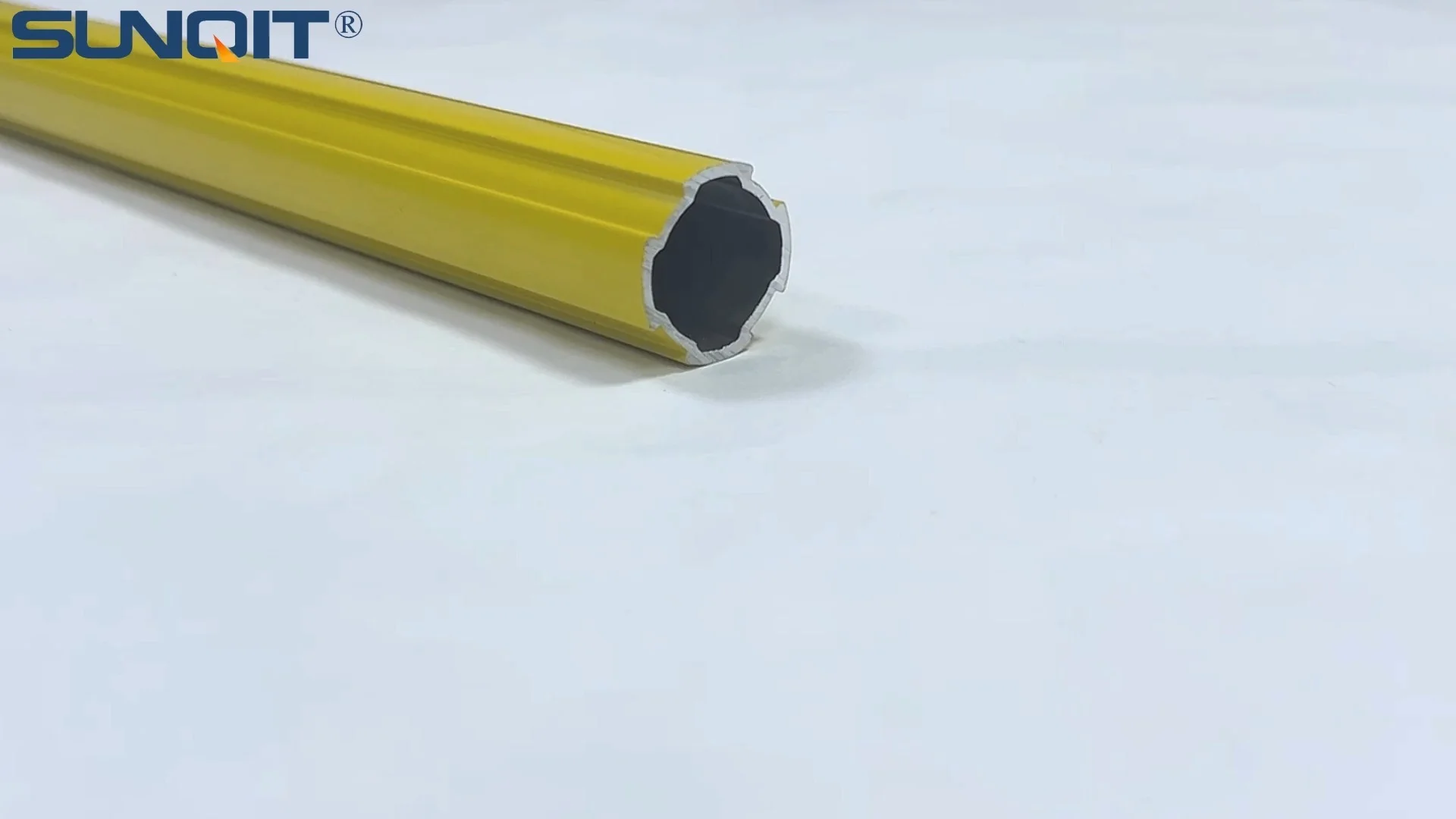
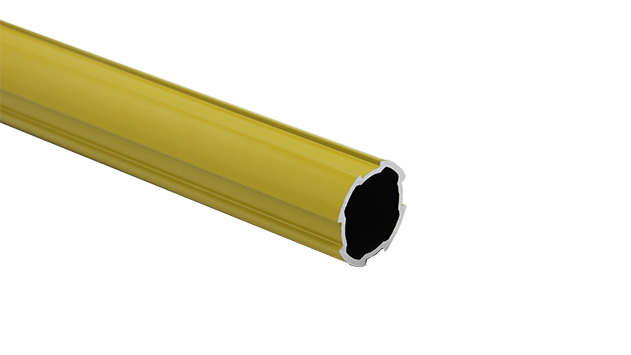
Aluminum pipe, it is used for workbench, flow rack,hand trolley assemble work with advantage of flexible and durable, yellow color makes it more attactive as a caution remind.
The Small Batch Production Challenge: Rigidity in a Flexible World
In today's manufacturing landscape, small batch production has become more than just a niche—it's a necessity. From custom electronics and artisanal furniture to specialized medical devices and limited-edition consumer goods, businesses are increasingly catering to niche markets and personalized customer demands. But here's the catch: traditional production setups were built for scale, not flexibility. Welded steel workbenches, fixed wooden flow racks, and one-size-fits-all conveyor systems are great when you're churning out the same product day in and day out. But when your next order requires a 20% larger component, a different assembly sequence, or a completely new product line, those rigid setups become roadblocks.
Imagine a small electronics manufacturer that produces both smartwatches and fitness trackers. One week, they're assembling 500 smartwatches with tiny components that need precision workbenches at a specific height. The next week, a rush order for fitness trackers—bulkier, with larger batteries—comes in. Their current workbench? Bolted to the floor, with shelves fixed at a height that's now too low for the new components. Their flow rack, designed to hold small watch parts, can't accommodate the larger tracker casings without risking damage. The result? Hours (or even days) of downtime as the team dismantles, modifies, or replaces equipment—all while deadlines loom and costs pile up.
This is the reality for countless small and medium manufacturers: the need to pivot quickly, but the tools to do so are stuck in the past. Enter T slot aluminum pipe—a humble but revolutionary solution that's redefining how small batch production spaces adapt, evolve, and thrive. In this article, we'll dive into how T slot aluminum pipe, paired with the right aluminum profile accessories, transforms rigid workspaces into dynamic, reconfigurable hubs that keep up with the pace of modern manufacturing.
What is T Slot Aluminum Pipe, Anyway?
At its core, T slot aluminum pipe is a type of aluminum extrusion profile—meaning it's created by forcing heated aluminum through a die to form a specific cross-sectional shape. What makes it "T slot" is the groove running along its length, shaped like a capital "T." This slot isn't just a design quirk; it's the secret to its flexibility. Think of it as a built-in "track" that lets you attach, adjust, and reattach accessories without welding, drilling, or specialized tools.
Unlike traditional steel pipes or wooden dowels, T slot aluminum pipe is lightweight yet surprisingly strong. Aluminum extrusion profiles are known for their high strength-to-weight ratio, so even a 2-meter length of 30mm T slot pipe can support heavy tools, shelves, or components without bending. And because it's aluminum, it's resistant to rust and corrosion—perfect for factory floors where spills, humidity, or cleaning chemicals are part of the daily grind.
But the real magic is in the system. T slot aluminum pipe isn't meant to stand alone; it's part of a modular ecosystem. Pair it with aluminum profile accessories—things like brackets, connectors, casters, shelves, and roller tracks—and you've got a toolkit that can build almost anything: workbenches that adjust in height, flow racks that change in depth, even mobile carts that reconfigure on the fly. No welding torches, no sawdust, no waiting for a contractor. Just a hex key, a few minutes, and a vision.
Why T Slot Aluminum Pipe Solves Small Batch Production's Biggest Problem: Quick Reconfiguration
Small batch production lives and dies by its ability to adapt. When your production run might be 100 units one week and 500 the next, or when each batch requires a slightly different setup, downtime is the enemy. T slot aluminum pipe attacks this problem head-on with three superpowers: speed, flexibility, and cost-effectiveness.
1. Reconfiguration in Hours, Not Days
Let's go back to that electronics manufacturer we mentioned earlier. With a traditional steel workbench, adjusting the height of a shelf would mean unbolting it (if you're lucky), drilling new holes (if you're not), and re-welding if the bolts strip. That's a full day's work, minimum. With T slot aluminum pipe? Loosen the T-slot nuts holding the shelf brackets, slide the brackets up or down along the pipe's T slot, re-tighten the nuts, and you're done. Total time? 15 minutes. Need to add a new crossbar to support a wider component? Grab a parallel aluminum joint (one of those handy aluminum profile accessories), slide it into the T slot, attach the new pipe, and tighten. Another 10 minutes. What used to take a day now takes less than an hour—meaning your team can switch from smartwatch assembly to fitness tracker production before lunch.
It's not just workbenches, either. Flow racks—those sloped racks that let components glide down to workers—are a staple in assembly lines. Traditional flow racks are built with fixed angles and shelf heights, so if you need to accommodate a taller box, you're stuck. With T slot aluminum pipe flow racks, you can adjust the angle of the roller tracks by repositioning the brackets in the T slots, or add extra shelves by clipping on new aluminum profile accessories. Need to make room for a bulkier part? Remove a section of the rack by detaching the connectors, and reattach it later when you need it again. It's like building with industrial-grade Legos—only sturdier.
2. Flexibility to Build (and Rebuild) Anything
Small batch production isn't just about adjusting existing setups—it's about building entirely new ones. Maybe one month, you need a mobile testing station for prototypes; the next, a static packing bench for shipping. With T slot aluminum pipe, you don't need to buy separate equipment for each task. That mobile testing station? Add caster wheels (via caster accessories, another type of aluminum profile accessory) to a basic T slot frame, and you've got a cart that rolls to the prototype lab. When you need a packing bench, remove the casters, add a solid top (using shelf brackets), and bolt it to the floor (temporarily, of course). When the next project comes in, take it apart and rebuild—no waste, no storage headaches.
Even better, T slot aluminum pipe systems are scalable. Start small: a single workbench and a basic flow rack. As your business grows, add more pipes, more accessories, and more configurations. Need a second workbench? Use the same connectors and brackets you already have. Want to extend your flow rack? Just add another section of T slot pipe and roller track. There's no need to invest in a whole new system—just expand the one you've got.
3. Cost-Effective in the Long Run
At first glance, T slot aluminum pipe might seem pricier than wood or basic steel. But here's the thing: traditional materials are "use once, then replace." A wooden workbench that warps after a year? Trash. A steel frame that's welded into the wrong shape? Scrap metal. T slot aluminum pipe, though? It's reusable. When you reconfigure, you're not throwing anything away—just rearranging. Over time, that reusability adds up. A $500 T slot setup that you reconfigure 10 times is cheaper than buying 10 different $200 wooden workbenches.
And let's not forget labor costs. Every hour your team spends waiting for a workbench to be modified is an hour they're not building products. With T slot aluminum pipe, that downtime vanishes. A study by the Manufacturing Flexibility Institute found that small manufacturers using modular aluminum systems reduced setup time by an average of 67%—translating to thousands of dollars in saved labor and increased output.

The Ecosystem: T Slot Aluminum Pipe + Aluminum Profile Accessories = Unlimited Possibilities
T slot aluminum pipe is powerful on its own, but it's the aluminum profile accessories that turn it into a Swiss Army knife for manufacturing. These small, specialized components are designed to snap into the T slot and work together seamlessly. Let's break down some of the most useful ones—and how they enable quick reconfiguration.
Connectors: The Glue That Holds It All Together (and Lets It Come Apart)
Connectors are the unsung heroes of T slot systems. They come in all shapes and sizes to join pipes at different angles: 90-degree connectors for corners, 45-degree connectors for slopes, even 135-degree connectors for custom angles. The best part? They're all adjustable. A 90-degree internal rotary aluminum joint, for example, lets you pivot one pipe relative to another—so if you need your flow rack to slope at 10 degrees instead of 15, just loosen the joint, rotate, and retighten. No drilling new holes, no cutting pipes. Just adjust and go.
Casters: Mobility for On-the-Go Reconfiguration
Want your workbench to move to the assembly line instead of the other way around? Add caster wheels (and caster accessories like brake levers) to the bottom of your T slot frame. Now your workbench is a mobile cart that can roll to where it's needed. Need it to stay put? Flip the brakes. When your next batch requires a stationary setup, remove the casters and replace them with fixed feet—another 5-minute swap.
Roller Tracks: Making Flow Racks Adaptable
Flow racks rely on gravity to move components, and roller tracks are what make that happen. T slot aluminum pipe systems offer plastic or aluminum roller tracks that clip into T slot brackets. If you're switching from small parts to large boxes, swap out the 0.5-inch swivel roller balls for 1-inch ones. Need to change the direction of flow? Rotate the roller track brackets in the T slot. It's so simple, even a new hire can do it after a 10-minute demo.
Shelves and Panels: Custom Surfaces in Seconds
Whether you need a smooth surface for assembling delicate electronics or a perforated panel for hanging tools, T slot systems have you covered. Shelf brackets slide into the T slot and hold everything from plywood to aluminum honeycomb panels. Need a deeper shelf? Move the brackets farther apart along the pipe. Need to add a second shelf? Clip on more brackets. No cutting, no measuring—just slide and secure.

Real-World Wins: T Slot Aluminum Pipe in Action
Still skeptical? Let's look at two businesses that swapped rigid setups for T slot aluminum pipe and never looked back. These aren't just "success stories"—they're proof that quick reconfiguration translates to real results.
Case Study 1: A Custom Furniture Shop Cuts Setup Time by 75%
GreenWood Furniture, a small shop in Colorado, specializes in handcrafted dining tables and chairs. Each order is custom—so one week, they might be building a 6-foot oak table, and the next, a 10-foot walnut one. Before T slot aluminum pipe, their workbenches were fixed wooden tables, and their flow racks (used to store lumber and hardware) were built from steel and bolts. Switching between table sizes meant spending 4–6 hours adjusting the workbench height, adding temporary supports, or even building new shelves for the flow rack. "We were losing a full day of production every time we switched orders," says owner Mark Green. "It was killing our profit margins."
In 2023, GreenWood invested in T slot aluminum pipe and aluminum profile accessories. They built two adjustable workbenches (using workbench E frames, single deck, without casters for stationary use) and a modular flow rack (Material Rack B, 3 rows and 3 floors, but with adjustable shelves). The results? Adjusting the workbench height for a taller table now takes 15 minutes (loosen brackets, slide, retighten). Repositioning the flow rack shelves to hold longer lumber takes 20 minutes. "We went from losing a day of work to losing an hour," Green says. "In the first six months, we took on 30% more custom orders—and we're actually less stressed. No more rushing to meet deadlines because we're stuck building shelves."
Case Study 2: A Medical Device Maker Boosts Prototype Turnaround by 50%
MediTech Labs, a startup in California, develops wearable health monitors. Their R&D team goes through dozens of prototypes, each with different sizes, sensors, and battery packs. Before T slot aluminum pipe, their testing stations were a hodgepodge of fixed steel frames, clamps, and zip ties. "Every new prototype required a new testing jig," says lead engineer Priya Patel. "We'd spend 2–3 days designing and building a jig, then throw it away when the prototype changed. It was a huge waste of time and materials."
MediTech switched to T slot aluminum pipe in 2024. Now, their testing stations are modular: T slot frames with adjustable arms, clamp brackets, and sensor mounts (all aluminum profile accessories). When a new prototype comes in, the team reconfigures the jig in 1–2 hours by sliding brackets, swapping clamps, or adding new arms. "Last month, we tested 12 prototypes instead of 8," Patel says. "We're getting products to market faster, and we're saving thousands on materials—no more throwing away steel jigs."
T Slot Aluminum Pipe vs. the Alternatives: A Head-to-Head Comparison
You might be thinking, "Why not just use wood or steel? They're cheaper, right?" It's true—wood and steel have their place, but when it comes to small batch production, T slot aluminum pipe outperforms them in the areas that matter most. Let's break it down.
| Feature | T Slot Aluminum Pipe | Traditional Steel (Welded/Bolted) | Wood |
|---|---|---|---|
| Reconfiguration Time | 15–60 minutes (adjustable via T slot accessories) | 1–3 days (requires welding/drilling) | 1 day (requires sawing/nailing) |
| Flexibility | High: Build, rebuild, and repurpose endlessly | Low: Fixed shape; hard to modify | Medium: Can be cut, but not easily reused |
| Durability | High: Rust-resistant, scratch-resistant, long lifespan | High: Rust-prone if not painted; heavy | Low: Warps with moisture; prone to dents |
| Cost (Long-Term) | Low: Reusable, so no need to replace systems | High: Each modification requires new materials/labor | Medium: Cheap upfront, but frequent replacement needed |
| Weight | Lightweight (easy to move with casters) | Heavy (hard to reposition) | Medium (heavier than aluminum, lighter than steel) |
The table says it all: T slot aluminum pipe isn't just "another option"—it's the only option that prioritizes the speed and flexibility small batch production needs. Wood and steel might be cheaper on day one, but when you factor in downtime, replacement costs, and missed opportunities, T slot aluminum pipe pays for itself in months.
Getting Started: Tips for Adopting T Slot Aluminum Pipe in Your Shop
Ready to make the switch? Here's how to start small, avoid common pitfalls, and get the most out of your T slot aluminum pipe system.
1. Start with a Pilot Project
You don't need to overhaul your entire shop at once. Pick one high-priority area—like a workbench that's constantly being adjusted or a flow rack that causes delays—and build a T slot setup there. Use it for a month, see how it performs, and then expand. This minimizes risk and lets your team get comfortable with the system before scaling.
2. Invest in Quality Accessories
Not all aluminum profile accessories are created equal. Cheap connectors might strip easily, and flimsy roller tracks could jam. Spend a little extra on high-quality parts—look for anodized aluminum (resistant to wear) and stainless steel hardware (rust-proof). It'll save you headaches (and money) down the line.
3. Train Your Team (It's Easier Than You Think)
You don't need a mechanical engineer to use T slot systems. A 30-minute training session on how to use a hex key, adjust brackets, and swap accessories is usually enough. Print cheat sheets showing common configurations (e.g., "how to adjust workbench height") and keep them near the tools. Within a week, your team will be reconfiguring setups on their own.
4. Plan for Growth
Buy extra pipes and accessories upfront. It's cheaper to buy a few extra 2-meter pipes now than to wait until you need them and pay for rush shipping. Store them in a labeled bin so they're easy to find when inspiration (or a new order) strikes.
Final Thoughts: T Slot Aluminum Pipe Isn't Just a Tool—It's a Mindset
Small batch production isn't about cutting corners; it's about embracing change. It's about saying "yes" to that custom order, "why not" to that new prototype, and "we've got this" to tight deadlines. But to do that, you need tools that can keep up. T slot aluminum pipe isn't just a workbench or a flow rack—it's a mindset shift. It's about building a shop that's as adaptable as your business, where reconfiguration isn't a chore, but a superpower.
So if you're tired of watching your team waste hours adjusting rigid setups, if you're ready to take on more custom orders without more stress, and if you want to future-proof your shop for whatever small batch production throws your way—give T slot aluminum pipe a try. Your deadlines (and your bottom line) will thank you.