- Company Articles
- Products and Technology
- Application Cases
- T Slot Aluminum Pipe in 3C Assembly: Critical Applications and Benefits

T Slot Aluminum Pipe in 3C Assembly: Critical Applications and Benefits
Related Product
T Slot Aluminum Pipe
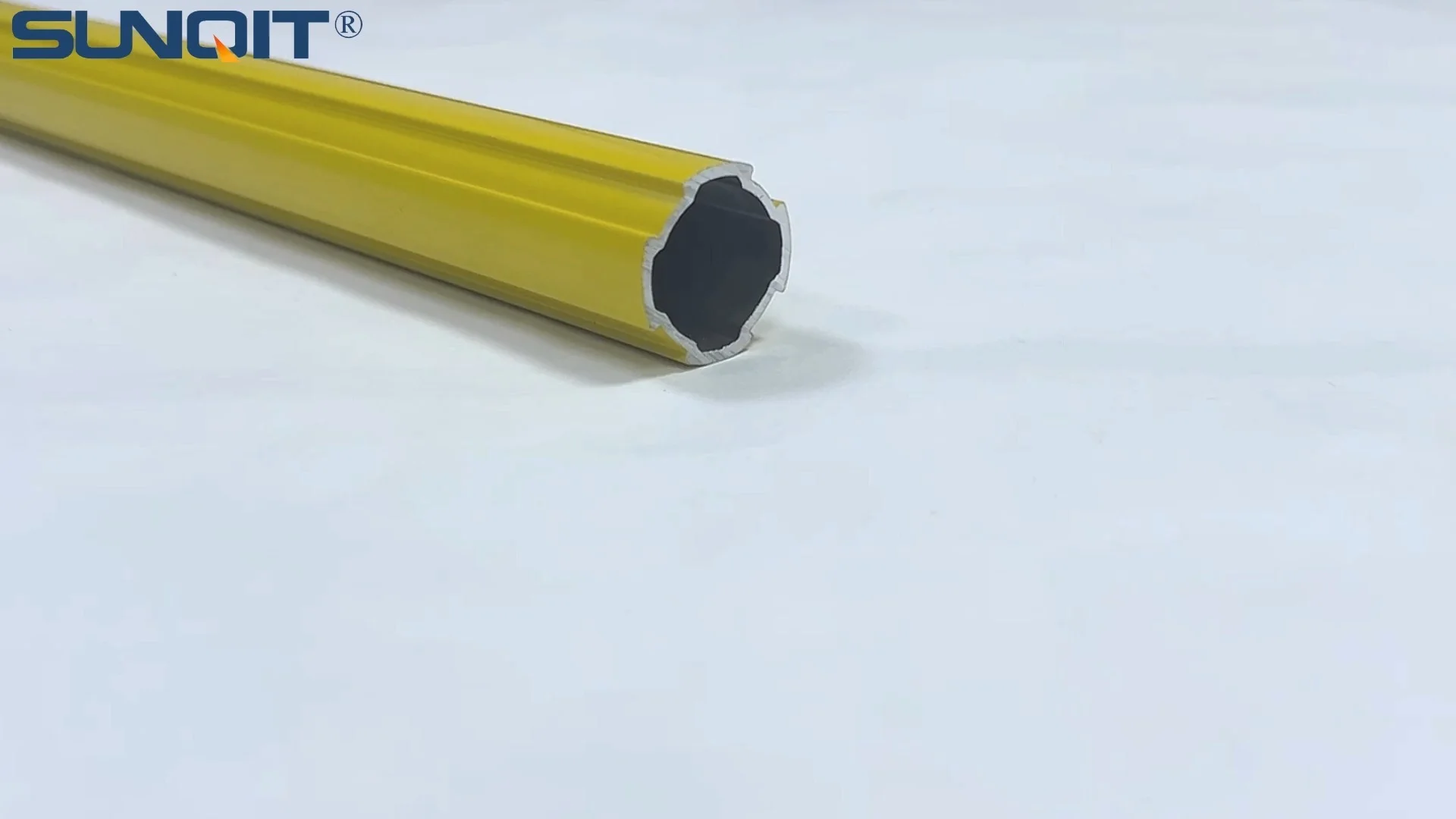
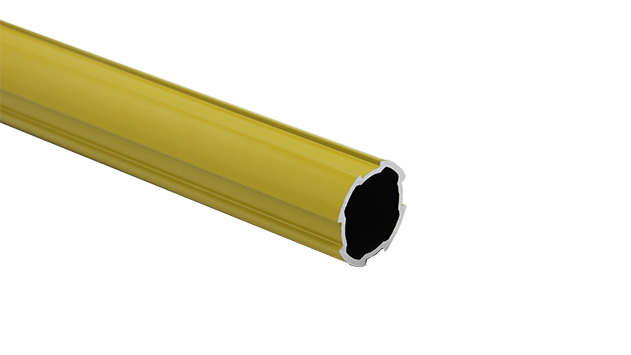
Aluminum pipe, it is used for workbench, flow rack,hand trolley assemble work with advantage of flexible and durable, yellow color makes it more attactive as a caution remind.
The 3C industry—encompassing computers, communications, and consumer electronics—is a fast-paced world where innovation happens overnight and production lines must adapt just as quickly. From smartphones with ever-shrinking components to laptops that redefine portability, manufacturers in this space face unique challenges: how to balance precision, speed, and flexibility while keeping costs in check. Enter T slot aluminum pipe, a humble yet revolutionary solution that's quietly transforming assembly floors around the globe. More than just a material, it's a building block for agile manufacturing, offering the adaptability today's 3C factories can't afford to live without. Let's dive into why T slot aluminum pipe has become a cornerstone of modern 3C assembly, exploring its key applications, unbeatable benefits, and how it stacks up against traditional alternatives.
What Makes T Slot Aluminum Pipe Different?
Before we jump into applications, let's clarify what T slot aluminum pipe is—and why it matters. At its core, it's an aluminum extrusion profile: a long, hollow tube with a T-shaped groove (the "T slot") running along its length. This simple design is genius because it allows for quick, tool-free attachment of aluminum profile accessories—think brackets, connectors, shelves, or even conveyor components—without welding or drilling. Unlike rigid steel or flimsy plastic, aluminum extrusion profile strikes the perfect balance: it's lightweight enough to reposition easily but strong enough to support heavy equipment or delicate electronics. And because it's aluminum, it resists corrosion, a must in clean 3C environments where dust and moisture can ruin sensitive components.
But what really sets T slot aluminum pipe apart is its modularity. Imagine (oops, scratch that—let's say, picture) a manufacturer launching a new smartphone model. Their old assembly line, built with fixed steel frames, would require days of retooling to adjust for the new device's dimensions. With T slot aluminum, though? They can simply slide off old accessories, snap on new ones, and have the line ready in hours. That's the flexibility 3C manufacturers crave—and it's why T slot aluminum pipe has become a go-to choice for forward-thinking plants.
Critical Applications in 3C Assembly Lines
1. Ergonomic Workbenches: Where Precision Meets Comfort
Walk into any 3C assembly facility, and you'll notice one thing immediately: workbenches are the heart of the operation. This is where technicians spend hours soldering microchips, attaching screens, or testing circuit boards—tasks that demand steady hands and focus. T slot aluminum pipe has revolutionized workbench design here, and for good reason.
Modern workbenches built with aluminum profile are fully customizable. Using aluminum profile accessories like adjustable legs, tool holders, and monitor mounts, manufacturers can tailor each workstation to the task at hand. Need a bench that's 30 inches high for assembly and 40 inches for quality control? No problem—just adjust the T slot legs. Want to add a static-dissipative mat to protect sensitive components? Snap it onto the T slot frame. Many of these workbenches even double as esd workstations, incorporating ESD-safe materials to prevent electrostatic discharge from frying delicate microelectronics. For 3C manufacturers, where a single static spark can ruin a $500 circuit board, this isn't just a nice feature—it's a necessity.
2. Conveyor Systems: Streamlining Material Flow
In 3C assembly, time is money—and nothing wastes time like inefficient material movement. Parts need to flow seamlessly from one station to the next: circuit boards from soldering to testing, screens from inspection to assembly, and finished products from packaging to shipping. T slot aluminum pipe shines here, too, as a key component in flexible conveyor systems.
Roller conveyors, for example, are often built using T slot aluminum frames. The T slots allow for easy adjustment of roller spacing, ensuring that even tiny components (like SIM card trays) don't slip through the gaps. Need to change the conveyor's angle to accommodate a new product? Loosen a few bolts, adjust the T slot brackets, and you're done. Unlike fixed steel conveyors, which require cutting and welding to modify, T slot systems adapt on the fly. This is critical for 3C manufacturers, who often run multiple product lines on the same floor—one day assembling smartwatches, the next tablets. With T slot aluminum, they can reconfigure conveyors in hours, not days, keeping production on track.
3. Material Racks and Storage: Organizing the Chaos
3C assembly lines are drowning in small parts: screws, capacitors, connectors, and more. Misplace a single component, and an entire production run could grind to a halt. T slot aluminum pipe solves this with customizable material racks that keep everything within arm's reach.
These racks, often called "flow racks," use gravity to feed parts to workers. Built with aluminum profile and aluminum profile accessories like inclined roller tracks, they ensure that the next part in line always rolls forward, eliminating the need for technicians to reach or bend. Need to store 10 different types of screws? Add dividers using T slot brackets. Running low on a component? The open design makes inventory checks a breeze. And when product lines change, the racks can be reconfigured—taller for larger components, shorter for smaller ones—without replacing the entire structure. It's organization with a built-in backup plan, and 3C manufacturers are here for it.
4. Custom Assembly Fixtures: Adapting to Unique Products
Every 3C product is unique, and so are its assembly needs. A laptop requires a fixture to hold its chassis steady during screen installation; a smart speaker needs a jig to align its microphone array. T slot aluminum pipe excels at creating these one-off fixtures quickly and affordably.
Instead of commissioning a custom steel fixture (which can take weeks and cost thousands), manufacturers can build T slot aluminum prototypes in hours. Using aluminum profile accessories like hinges, clamps, and angle brackets, they can design a fixture that fits the product's exact dimensions. Test it, tweak it, and if the product design changes next month? Dismantle the fixture, reuse the aluminum profile, and build a new one. This agility is a game-changer for 3C companies, where product lifecycles are measured in months, not years.
Unbeatable Benefits for 3C Manufacturers
1. Flexibility That Keeps Up with Innovation
In 3C, the only constant is change. New models, new components, new regulations—manufacturers need systems that can pivot without breaking a sweat. T slot aluminum pipe delivers this flexibility in spades. Its modular design means you're not stuck with a "one and done" setup. Add a shelf here, shorten a conveyor there, or reconfigure a workbench—all without specialized tools or downtime. This isn't just convenience; it's survival in an industry where falling behind on trends can mean bankruptcy.
2. Durability Without the Weight
Aluminum extrusion profile is surprisingly tough. It can support heavy loads (think: a workbench stacked with testing equipment) while remaining lightweight enough for workers to reposition. Unlike steel, it won't rust or corrode, even in humid assembly environments. And because it's non-magnetic, it won't interfere with sensitive electronic testing equipment. For 3C manufacturers, this means less maintenance, longer equipment lifespans, and fewer replacements—all of which add up to lower costs over time.
3. Cost-Effectiveness in the Long Run
Let's talk numbers. Yes, T slot aluminum pipe might cost more upfront than wood or basic steel. But over time, it pays for itself. Wood warps, steel rusts, and both are hard to reuse. T slot aluminum, though? You can take it apart, move it, and rebuild it dozens of times. A workbench built today can become a material rack tomorrow, then a conveyor frame next month. This reusability slashes long-term costs, especially for 3C manufacturers who frequently retool lines. Plus, the quick reconfiguration time means less downtime during product launches—saving even more money.
4. Ergonomics That Boost Productivity
Happy workers are productive workers—and T slot aluminum pipe helps keep workers happy. Adjustable workbenches reduce strain on backs and shoulders. Custom tool holders eliminate unnecessary reaching. Even conveyor heights can be tweaked to minimize bending. Over time, this reduces fatigue, lowers injury rates, and keeps morale high. And in 3C assembly, where precision tasks require focus, a well-rested team is a more accurate team.
5. ESD Compatibility: Protecting What Matters
We touched on this earlier, but it's worth repeating: electrostatic discharge is a silent killer in 3C manufacturing. A single spark can destroy a microchip, costing hundreds of dollars and delaying production. T slot aluminum pipe addresses this with esd workstations and ESD-compatible accessories. By integrating static-dissipative materials into workbenches, racks, and conveyors, manufacturers can protect their products from start to finish. It's a small investment that prevents huge losses—and in the 3C world, that's priceless.

T Slot Aluminum vs. Traditional Solutions: A Clear Winner
Still on the fence? Let's compare T slot aluminum pipe to the old standbys: wood, steel, and fixed plastic.
| Feature | Wood | Steel | T Slot Aluminum Pipe |
|---|---|---|---|
| Flexibility | Low (fixed, prone to warping) | Low (requires welding to modify) | High (modular, tool-free reconfiguration) |
| Weight | Heavy (hard to move) | Very heavy (requires machinery to reposition) | Lightweight (easily moved by hand) |
| Durability | Low (scratches, moisture damage) | High (but rusts over time) | High (corrosion-resistant, long lifespan) |
| ESD Compatibility | Poor (insulative, builds static) | Fair (can be grounded, but heavy) | Excellent (easily integrated with ESD materials) |
| Long-Term Cost | High (frequent replacement) | High (installation and retooling costs) | Low (reusable, minimal maintenance) |
The verdict? T slot aluminum pipe outperforms traditional materials in nearly every category that matters to 3C manufacturers. It's lighter than steel, more durable than wood, and infinitely more flexible than both. For an industry that thrives on innovation, that's a no-brainer.

The Future of 3C Assembly: T Slot Aluminum Leading the Way
As 3C products continue to shrink in size and grow in complexity, the demand for agile manufacturing systems will only increase. T slot aluminum pipe isn't just a trend here—it's a foundational technology that will shape the factories of tomorrow. Imagine (again, oops—let's say, consider) a future where a single assembly line can produce 10 different smartwatch models in a day, reconfiguring on the fly with T slot aluminum tools. Or where workers can custom-build their own workstations using a library of aluminum profile accessories, boosting productivity and job satisfaction.
For 3C manufacturers, the message is clear: to stay competitive, you need systems that can keep up with change. T slot aluminum pipe delivers that and more—flexibility, durability, cost savings, and the peace of mind that comes with knowing your assembly line can adapt to whatever the market throws next.
Final Thoughts
T slot aluminum pipe may not be the flashiest technology in the 3C industry, but it's undoubtedly one of the most impactful. From ergonomic workbenches and efficient conveyors to custom fixtures and esd workstations, it's transforming how products are built—one T slot at a time. For manufacturers looking to streamline operations, reduce costs, and stay ahead of the innovation curve, there's no better investment than T slot aluminum pipe. After all, in a world where change is constant, adaptability isn't just an advantage—it's essential.