- Company Articles
- Products and Technology
- Product knowledge
- T Slot Aluminum Pipe in Consumer Electronics: Precision Assembly Support

T Slot Aluminum Pipe in Consumer Electronics: Precision Assembly Support
Related Product
T Slot Aluminum Pipe
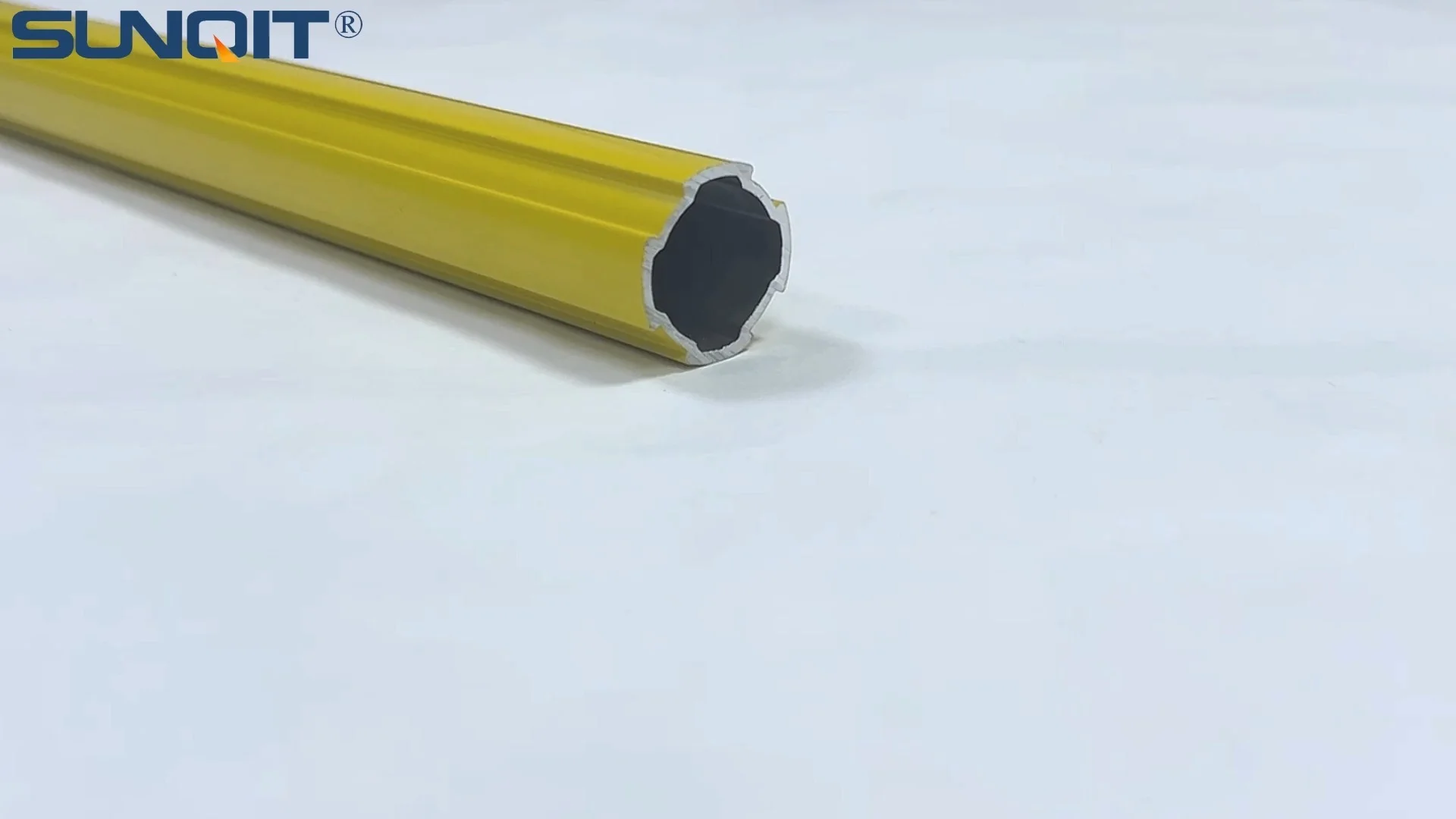
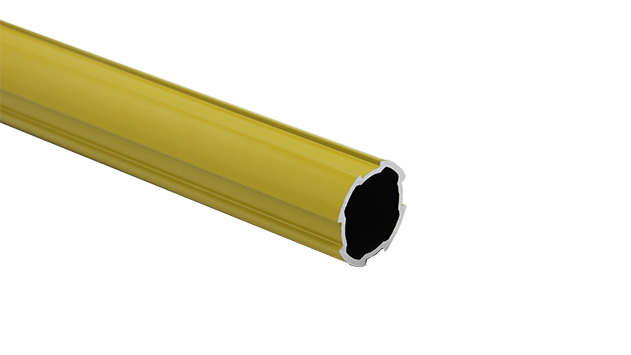
Aluminum pipe, it is used for workbench, flow rack,hand trolley assemble work with advantage of flexible and durable, yellow color makes it more attactive as a caution remind.
Walk into any modern consumer electronics factory, and you'll notice a quiet revolution happening on the assembly floor. Where once bulky, fixed steel structures dominated the space—limiting how workers moved, how lines adapted, and how quickly new products came to life—there's now a lighter, more flexible backbone holding everything together. It's not flashy or high-tech at first glance, but it's the unsung hero of precision: T Slot Aluminum Pipe. From smartphone motherboards to smartwatch screens, the tiny, delicate components that power our devices demand assembly solutions that are both rock-solid and infinitely adaptable. T Slot Aluminum Pipe doesn't just meet that demand—it redefines what's possible for manufacturers racing to keep up with our hunger for the next big thing.
The Backbone of Modern Assembly Lines: Why T Slot Aluminum Pipe?
Consumer electronics isn't just about making products—it's about making millions of products, each identical down to the micrometer, while also pivoting overnight to build the next model. Imagine trying to assemble a laptop one day and a wireless earbud the next with the same tools. The old way—welding steel frames, bolting down workbenches, and building custom racks for each part—was like trying to fit a square peg into a round hole, over and over. It was slow, expensive, and left little room for error. T Slot Aluminum Pipe changes that narrative by starting with a simple question: What if your assembly line could adapt as quickly as your product designs?
At its core, T Slot Aluminum Pipe solves three critical pain points in electronics manufacturing: precision, flexibility, and efficiency. Let's break it down. Precision matters when you're handling components smaller than a grain of rice—like the microchips in a tablet or the connectors in a fitness tracker. Aluminum, with its tight manufacturing tolerances, ensures that workbenches don't wobble, material racks don't sag, and tools stay aligned exactly where operators need them. Flexibility, though, is where T Slot Aluminum Pipe truly shines. Unlike fixed steel, which requires cutting, welding, or heavy machinery to modify, T Slot Aluminum Pipe uses a simple, genius design: a continuous T-shaped groove running along its length. This groove acts as a built-in "attachment point" for almost anything—brackets, shelves, tool holders, even sensors—without drilling or permanent modifications. Need to raise a workbench by 2 inches for ergonomics? Swap out a bracket. Adding a new conveyor for a larger component? Slide in a new connector. It's assembly line Tetris, but with parts that always fit.
Efficiency, too, gets a boost. Electronics factories run 24/7, and downtime is measured in lost revenue. T Slot Aluminum Pipe cuts setup time from weeks to days (or even hours) when launching a new product line. A study by the Manufacturing Technology Insights found that factories using modular aluminum systems reduced reconfiguration time by 65% compared to traditional steel setups. That's not just faster—it's a game-changer for staying ahead in an industry where product lifecycles can be shorter than a holiday shopping season.
The Anatomy of T Slot Aluminum Pipe: Beyond Just a Tube
To appreciate T Slot Aluminum Pipe, you have to look closer than the smooth, silver surface. What makes it so versatile isn't just the pipe itself, but how it's engineered—starting with the Aluminum Extrusion Profile process. Unlike pipes cut from solid metal, extruded aluminum is shaped by forcing heated aluminum through a die, creating a consistent, precise cross-section. For T Slot Aluminum Pipe, that cross-section includes the signature T-slot: a narrow opening that widens inside the pipe, like a keyhole, allowing bolts, nuts, and brackets to lock securely in place without slipping. This process ensures every inch of the pipe is uniform, so a bracket that fits one section fits all—no guesswork, no custom parts.
But even the best pipe is only as good as the parts that connect it. That's where Aluminum Profile Accessories step in. Think of them as the "building blocks" of flexibility: joints that pivot, brackets that slide, and connectors that lock into the T-slot to form everything from simple workbenches to complex material flow systems. Let's take a closer look at some of the most common accessories and how they empower assembly lines:
| Accessory Type | Function | Why It Matters in Electronics Assembly |
|---|---|---|
| 90° Aluminum Profile Connector | Joins two pipes at a right angle, creating corners for frames or workbenches. | Enables sturdy, square workbench frames that keep delicate components level—critical for tasks like soldering tiny wires. |
| Swivel Caster Wheel | Attaches to the base of frames or trolleys, allowing for easy mobility. | Turns fixed workbenches into mobile stations that can be rolled to where they're needed, reducing time spent fetching tools or components. |
| Aluminum Guide Rail A | Mounts along T-slot pipes to guide material flow, often paired with roller tracks. | Ensures components (like circuit boards or screens) glide smoothly along assembly lines without shifting or jamming. |
| ESD Workbench Top | A conductive surface that dissipates static electricity, paired with T-slot frame brackets. | Protects sensitive microchips from electrostatic discharge (ESD), which can fry components in an instant. |
| Parallel Aluminum Joint | Connects two parallel pipes, spacing them evenly for shelves or racks. | Creates uniform spacing for material racks, ensuring bins of screws or connectors are aligned at the same height—reducing operator strain. |
These accessories aren't just add-ons—they're the reason T Slot Aluminum Pipe feels less like a tool and more like an extension of the manufacturing team. A worker assembling smartwatch batteries, for example, might need a small shelf above their workstation to hold a heat gun. With a T-slot bracket and a short aluminum pipe, they can add that shelf in 10 minutes, positioning it exactly at eye level. No waiting for maintenance, no drilling holes, no disrupting the line. It's customization at the speed of thought.
Precision in Action: Applications in Consumer Electronics Workstations
Walk up to a Workbench in a smartphone factory, and you'll see T Slot Aluminum Pipe in its element. These aren't your grandfather's workbenches—they're ergonomic, ESD-safe, and packed with features tailored to the tiny, precise tasks at hand. Let's start with ESD protection: static electricity is the silent killer of electronics, and even a small spark can ruin a $500 microchip. T Slot Aluminum Pipe frames are often paired with conductive workbench tops and grounded casters, creating a path for static to flow safely to the floor instead of zapping components. But it's the little details that make the difference: adjustable height settings so operators of all sizes can work comfortably (no more hunching over or stretching), built-in cable management channels to keep charging cords and tool wires from tangling, and modular tool holders that keep tweezers, soldering irons, and magnifying glasses exactly where fingers can reach them.
Then there's the flow of materials—the lifeblood of any assembly line. Electronics components move fast: circuit boards need to go from soldering to testing, screens from inspection to final assembly, and packaging from storage to the end of the line. That's where Roller Track systems come in, and T Slot Aluminum Pipe is their perfect partner. Roller tracks are essentially lines of small, free-spinning wheels mounted on aluminum frames, allowing components to glide from one station to the next with minimal effort. But here's the catch: every product is different. A tablet screen is larger and heavier than a smartwatch face, so the roller track needs to handle different weights and sizes without jamming. T Slot Aluminum Pipe solves this by letting manufacturers adjust the track's width, height, and angle in minutes. Need to tilt the track slightly to help a heavier component glide? Loosen a few brackets, adjust the angle, and lock it back down. Adding a side guide to keep small components from sliding off? Slide an Aluminum Guide Rail into the T-slot and secure it—done. It's like having a material conveyor that can read your mind (or at least your production schedule).
Take, for example, a factory assembling wireless earbuds. The assembly line might start with a roller track feeding tiny battery packs to a soldering station, where workers use a T Slot Aluminum Pipe workbench fitted with a magnifying lamp and ESD wristband holder. From there, the soldered batteries move via another roller track to a testing station, where the workbench has been reconfigured with a custom fixture to hold the earbud case steady. Later in the line, a third roller track—this one with smaller wheels to handle the lightweight earbud shells—feeds components to the final assembly station, where the workbench includes a small shelf for glue dispensers and a bin for finished products. Every step relies on T Slot Aluminum Pipe's ability to adapt to the task, ensuring that even the smallest components move smoothly, workers stay comfortable, and errors stay minimal.

From Prototype to Production: Scalability and Adaptability
In consumer electronics, the gap between a prototype and mass production can feel like a sprint. One day, engineers are testing a new smart speaker design in a lab; the next, the factory needs to build 10,000 units. Traditional assembly lines would require weeks of retooling—cutting steel, welding frames, and building custom racks. With T Slot Aluminum Pipe, that timeline shrinks to days. Let's say a team prototypes a new fitness tracker with a larger screen. The prototype workbench, built with T Slot Aluminum Pipe and lightweight accessories, can be disassembled, and its parts reused to build the production line. The roller tracks from the old line? They can be shortened, extended, or reangled to fit the new component sizes. Even the material racks—originally holding small circuit boards—can be adjusted with new shelves to hold the larger screens, using the same Aluminum Profile Accessories.
This scalability isn't just about speed—it's about cost. Steel structures are expensive to modify or replace, and many end up in landfills when a product line ends. T Slot Aluminum Pipe, though, is reusable by design. A study by the Aluminum Association found that aluminum components retain up to 95% of their value when repurposed, compared to 30% for steel. For a factory churning out multiple product lines a year, that adds up to significant savings. It also aligns with the industry's growing focus on sustainability: aluminum is 100% recyclable, and the energy required to recycle it is just 5% of what's needed to produce new aluminum. So not only does T Slot Aluminum Pipe make assembly lines more adaptable—it makes them greener, too.

The Silent Partners: Aluminum Extrusion Profile and Long-Term Value
It's easy to overlook the material itself when talking about T Slot Aluminum Pipe's benefits, but the Aluminum Extrusion Profile is what makes it all possible. Aluminum is naturally lightweight—about a third the weight of steel—so even large structures like workbenches or material racks are easy to move and reconfigure. But don't let the weight fool you: extruded aluminum is surprisingly strong. The T-slot design reinforces the pipe, allowing it to support heavy loads (think: stacks of circuit boards or industrial-grade testing equipment) without bending or warping. In electronics factories, where precision is everything, that strength translates to consistency—no more wobbly workbenches causing soldering errors or sagging racks damaging delicate components.
Aluminum also resists corrosion, a critical feature in factories where humidity and cleaning chemicals are part of daily life. Unlike steel, which can rust and degrade over time, T Slot Aluminum Pipe maintains its integrity for years, even in harsh environments. That longevity means factories don't have to replace their assembly structures every few years—they can keep using the same pipes and accessories, swapping out only what's needed for new product lines. It's a long-term investment that pays off in reliability and reduced maintenance costs.
Future-Proofing Assembly: Trends and Innovations
As consumer electronics hurtles toward Industry 4.0—where smart factories use data, automation, and IoT to optimize production—T Slot Aluminum Pipe is evolving right alongside it. Today's systems aren't just static frames; they're platforms for innovation. Imagine a roller track fitted with sensors that count components as they pass, sending real-time data to a factory dashboard to flag bottlenecks. Or a workbench with built-in charging ports for wireless tools, powered via the T-slot by a hidden cable management system. Even augmented reality (AR) is getting in on the action: some factories are using AR glasses to guide workers through reconfiguring T Slot Aluminum Pipe setups, overlaying step-by-step instructions onto the physical pipes and accessories.
The future also holds promise for even more specialized accessories. For example, magnetic brackets that snap into the T-slot for ultra-quick adjustments, or 3D-printed custom brackets that can be designed and produced in-house for one-of-a-kind setups. And as automation becomes more common, T Slot Aluminum Pipe will play a key role in supporting collaborative robots ("cobots")—small, flexible robots that work alongside humans. Cobots need stable, adjustable platforms to operate from, and T Slot Aluminum Pipe provides just that, with accessories that can mount sensors, grippers, and safety barriers in exactly the right positions.
Conclusion: The Unseen Engine of Precision
In the world of consumer electronics, where innovation is measured in nanometers and speed in nanoseconds, it's easy to fixate on the flashy technologies: the robots, the AI, the cutting-edge materials. But behind every breakthrough product is a quieter revolution happening on the assembly floor—a revolution driven by T Slot Aluminum Pipe. It's not glamorous, but it's essential: the backbone that turns complex designs into tangible products, the flexibility that lets factories adapt to our ever-changing demands, and the precision that ensures every device works as intended, right out of the box.
As we look to the future—where devices get smaller, smarter, and more connected—one thing is clear: the need for assembly solutions that can keep up will only grow. T Slot Aluminum Pipe, with its Aluminum Extrusion Profile, Aluminum Profile Accessories, and endless adaptability, isn't just keeping up—it's leading the way. It's the unsung hero of the electronics age, proving that sometimes the most powerful innovations are the ones that quietly hold everything together.