- Company Articles
- Products and Technology
- Product knowledge
- T Slot Aluminum Pipe Load Rating: Understanding Weight-Bearing Limits

T Slot Aluminum Pipe Load Rating: Understanding Weight-Bearing Limits
Related Product
T Slot Aluminum Pipe
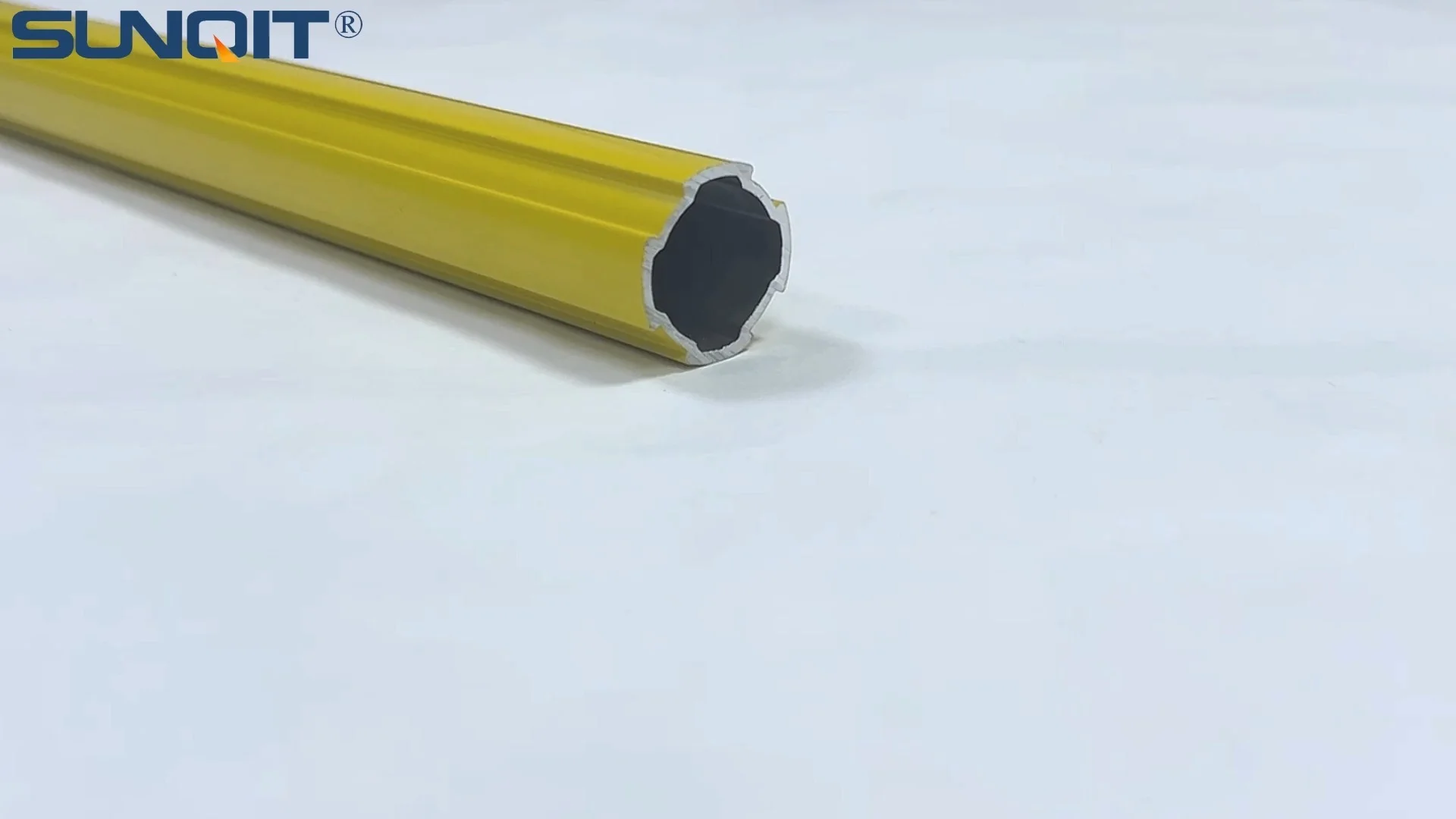
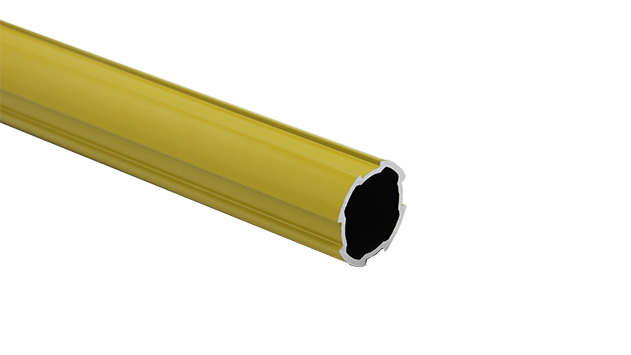
Aluminum pipe, it is used for workbench, flow rack,hand trolley assemble work with advantage of flexible and durable, yellow color makes it more attactive as a caution remind.
If you've ever walked through a busy workshop, a manufacturing plant, or even a well-organized garage, you've probably seen them: sleek, modular structures built from shiny metal pipes and connectors, holding tools, materials, or machinery with apparent ease. Chances are, those structures were made with T slot aluminum pipe—a versatile, lightweight, and incredibly adaptable material that's become a backbone of modern lean systems and DIY projects alike. But here's the thing: not all T slot aluminum pipes are created equal, and understanding their load rating—how much weight they can safely bear—is the difference between a sturdy, reliable setup and a costly, even dangerous collapse.
In this guide, we're diving deep into T slot aluminum pipe load rating. We'll break down what it means, the factors that influence it, how to calculate it for your project, and why skimping on this knowledge could lead to headaches down the line. Whether you're building a workbench for your home garage, designing a material rack for a factory floor, or sourcing components for a lean system, this article will equip you with the insights you need to make informed choices. We'll also touch on the role of aluminum extrusion profiles and aluminum profile accessories, since even the strongest pipe won't perform if paired with flimsy connectors. Let's get started.
What Are T Slot Aluminum Pipes, Anyway?
Before we jump into load ratings, let's make sure we're all on the same page about what T slot aluminum pipes are. At their core, these are extruded aluminum profiles with a "T" shaped groove (the "T slot") running along their length. This slot is the secret to their versatility: it allows for easy attachment of brackets, shelves, panels, and other aluminum profile accessories without the need for welding or drilling. Think of them as the building blocks of modular design—you can assemble, disassemble, and reconfigure them almost infinitely, making them perfect for everything from workbenches to conveyor systems.
T slot aluminum pipes come in a range of sizes, typically named by their cross-sectional dimensions (e.g., 2020, 3030, 4040, 4080), where the numbers represent millimeters (so a 2020 profile is 20mm by 20mm). They're made from aluminum alloys, most commonly 6061 or 6063, which offer a balance of strength, lightweight, and corrosion resistance. Unlike traditional steel pipes, they're easy to handle, won't rust, and can be cut to length with basic tools—no wonder they're a favorite among hobbyists and industrial engineers alike.
Why Load Rating Matters: Safety, Efficiency, and Cost
Load rating isn't just a technical specification on a datasheet—it's a critical safety feature. Imagine setting up a workbench using T slot aluminum pipe, only to have the shelf collapse under the weight of your power tools. Not only could this damage your equipment, but it could also injure you or someone nearby. In an industrial setting, the stakes are even higher: a material rack that fails could disrupt production, damage expensive inventory, or lead to workplace accidents.
Beyond safety, understanding load rating helps you build more efficient systems. Overestimating a pipe's capacity might lead you to overengineer a structure, wasting money on thicker, heavier profiles than you need. Underestimating it, on the other hand, could mean frequent repairs, replacements, or redesigns—all of which eat into your time and budget. For businesses, this translates directly to the bottom line: a well-designed lean system with properly rated components runs smoother, reduces downtime, and maximizes productivity.
Factors That Influence T Slot Aluminum Pipe Load Rating
Load rating isn't a one-size-fits-all number. It depends on a mix of factors, each of which plays a role in how much weight a T slot aluminum pipe can safely support. Let's break them down:
1. Material and Alloy Type
Not all aluminum is the same. T slot aluminum pipes are typically made from either 6061 or 6063 aluminum alloys, and the difference matters. 6061 is known for its higher tensile strength (around 310 MPa) and better resistance to stress, making it ideal for heavy-duty applications. 6063, while slightly less strong (tensile strength around 215 MPa), is more malleable and has a smoother finish, which is why it's often used for decorative or lighter-load projects. If you're building something that needs to bear significant weight—like a workbench for a milling machine—opting for 6061 aluminum extrusion profiles is usually the safer bet.
2. Wall Thickness
This is perhaps the most factor: thicker walls mean stronger pipes. A T slot aluminum pipe with a 2.0mm wall thickness will almost always support more weight than one with a 1.2mm wall, assuming all other factors are equal. For example, a 4040 series pipe (40mm x 40mm) with a 2.0mm wall might have a load rating of 500kg over a 500mm span, while the same profile with a 1.2mm wall could drop to 300kg. Always check the wall thickness specified by the manufacturer—don't just go by the profile size.
3. Profile Design and Dimensions
The cross-sectional shape of the pipe matters too. Most T slot aluminum pipes are square or rectangular, with the "T slot" cut into one or more sides. Larger profiles (like 4080 or 3060) have more material overall, so they can distribute weight better than smaller ones (like 2020). The design of the slot itself also plays a role: some profiles have reinforced slots or additional ribs inside to boost strength. For example, a 4040 profile with a closed, reinforced cross-section will handle more weight than an open, lightweight 4040 design.
4. Unsupported Length
Even the strongest pipe will sag if it's too long between supports. Think of it like a diving board: a short board feels solid under your feet, but a longer one wobbles. The same principle applies to T slot aluminum pipes. Engineers refer to this as "span"—the distance between two support points (like brackets or joints). As span increases, load capacity decreases. For instance, a 3030 aluminum extrusion profile with a 1.5mm wall might support 400kg over a 600mm span, but only 200kg over a 1200mm span. Always plan your supports accordingly—adding extra brackets or legs can drastically improve load capacity.
5. Support Spacing and Connection Quality
How you support the pipe matters as much as the pipe itself. Using high-quality aluminum profile accessories—like sturdy brackets, corner codes, and T-slot nuts—ensures that weight is evenly distributed across the structure. A loose connection or a flimsy bracket can create weak points, even if the pipe itself is strong. For example, using a cheap plastic connector instead of a metal aluminum profile connector might cause the joint to fail before the pipe does. Always match the accessories to the pipe's load rating—if the pipe can handle 500kg, the brackets should too.
6. Load Type: Static vs. Dynamic
Is the weight sitting still (static load) or moving (dynamic load)? A static load—like a box of tools sitting on a shelf—exerts a constant force. A dynamic load—like a pallet being slid onto a material rack or a machine vibrating during use—exerts additional stress, often in the form of sudden impacts or lateral forces. T slot aluminum pipes are rated for static loads by default, but dynamic loads require a safety buffer. As a rule of thumb, reduce the static load rating by 20-30% when dealing with dynamic loads to account for these extra forces.
7. Environmental Factors
While aluminum is resistant to corrosion, extreme environments can still affect load rating. High temperatures can weaken the material over time, while exposure to chemicals might degrade the finish or even the aluminum itself. In outdoor settings, UV radiation and moisture (though aluminum doesn't rust) can cause accessories like plastic end caps to deteriorate. If your project is in a harsh environment—like a factory with high humidity or a workshop near the coast—opt for marine-grade aluminum or add protective coatings to extend lifespan and maintain load capacity.

How to Calculate Load Rating for Your Project
Calculating load rating might sound like a job for engineers, but you don't need a degree in structural engineering to get a ballpark figure. Here's a step-by-step guide to help you estimate whether a T slot aluminum pipe is up to the task:
Step 1: Identify the Profile and Specifications
Start by noting the profile size (e.g., 4040), wall thickness (e.g., 2.0mm), alloy type (6061 or 6063), and manufacturer. Most reputable suppliers provide load tables for their aluminum extrusion profiles, which list maximum load capacities at different spans. This is your most reliable source of information—always check the manufacturer's datasheet first.
Step 2: Determine the Span
Measure the distance between the two supports where the pipe will be mounted. For example, if you're building a shelf between two vertical posts that are 800mm apart, the span is 800mm.
Step 3: Check the Load Table
Using the manufacturer's load table, find the row corresponding to your profile size and wall thickness, then look for the column matching your span. The number listed there is the maximum static load the pipe can support at that span. For example, a 4040 6061 aluminum pipe with 2.0mm wall might have a load rating of 350kg at 800mm span.
Step 4: Adjust for Dynamic Loads (If Applicable)
If your load is dynamic (moving or vibrating), multiply the static load rating by 0.7-0.8 to get a safe dynamic load capacity. Using the example above: 350kg x 0.7 = 245kg. This ensures you have a buffer against sudden impacts.
Step 5: Account for Multiple Pipes or Supports
If your structure uses multiple parallel pipes (e.g., two 4040 pipes supporting a shelf), add their load ratings together. Just make sure the weight is evenly distributed—if most of the load sits on one pipe, it could still fail. For example, two pipes each rated for 350kg at 800mm span can support up to 700kg total, assuming the weight is spread evenly across both.

Real-World Examples: Load Rating in Action
Let's put this knowledge to work with a few practical examples. These scenarios will show you how load rating plays out in common projects:
Example 1: Building a Home Workshop Workbench
Suppose you want to build a workbench using T slot aluminum pipe. The top will be a plywood sheet, and you plan to place a drill press (150kg) and a vice (50kg) on it, plus tools and materials (another 100kg), totaling 300kg. The workbench will be 1200mm long, with supports at both ends (span = 1200mm). Which profile should you choose?
Looking at a manufacturer's load table for 6061 aluminum extrusion profiles: A 4040 pipe with 1.5mm wall has a static load rating of 200kg at 1200mm span. That's too low. A 4040 pipe with 2.0mm wall, however, is rated for 300kg at 1200mm span. Perfect—this matches your total load. But since the drill press is heavy and might be moved occasionally (dynamic load), you'd adjust to 300kg x 0.8 = 240kg. Wait, that's under your 300kg total. To fix this, you could either add a middle support (reducing the span to 600mm, where the 2.0mm pipe is rated for 500kg, giving you 500kg x 0.8 = 400kg) or upgrade to a 4080 profile (40mm x 80mm) with 1.5mm wall, which might be rated for 400kg at 1200mm span. Adding a middle support is cheaper and simpler, so that's the way to go.
Example 2: Designing a Material Rack for a Lean System
A factory needs a material rack to hold boxes of electronic components. Each box weighs 25kg, and the rack will have 3 shelves, each 1500mm long, with 4 boxes per shelf (total per shelf: 100kg). The shelves will be supported by vertical posts every 750mm (so each shelf has two spans of 750mm). What T slot aluminum pipes should they use?
For each shelf, the load per span is 100kg (since the weight is spread across two spans). Checking the load table: A 3030 6061 pipe with 1.5mm wall has a static load rating of 250kg at 750mm span. Since the load is static (boxes are placed and removed slowly), no dynamic adjustment is needed. 250kg is more than enough for 100kg, so this profile works. Pair it with heavy-duty aluminum profile accessories—like 90-degree brackets and M8 T-slot nuts—to ensure the connections don't fail.
Common Mistakes to Avoid
Even with the best intentions, it's easy to make errors when estimating load rating. Here are some pitfalls to watch out for:
- Assuming "bigger is better": A larger profile isn't always necessary. Using a 4080 pipe for a small shelf that only needs to hold 50kg is a waste of money. Match the profile to the load.
- Ignoring accessories: Cheap or mismatched aluminum profile accessories can fail before the pipe does. Always use accessories rated for the same load as the pipe.
- Overlooking span: A pipe that works at 500mm span might collapse at 1000mm. Never extend a pipe beyond the span specified in the load table.
- Forgetting the safety factor: Even if the math says a pipe can handle the load, add a 10-20% buffer for peace of mind. Accidents happen, and it's better to be overprepared.
- Mixing alloys or wall thicknesses: Using a mix of 6061 and 6063 pipes, or different wall thicknesses, can create uneven stress points. Stick to one type for consistency.
Comparing Load Ratings: A Quick Reference Table
To help you visualize how different factors affect load rating, here's a simplified table comparing common aluminum extrusion profiles and their approximate static load capacities at various spans. Note: These are general estimates—always check your manufacturer's datasheet for exact values.
| Profile Size | Wall Thickness | Span: 500mm | Span: 800mm | Span: 1200mm |
|---|---|---|---|---|
| 2020 | 1.2mm | 150 | 80 | 40 |
| 2020 | 2.0mm | 250 | 130 | 70 |
| 3030 | 1.5mm | 350 | 200 | 100 |
| 3030 | 2.0mm | 450 | 280 | 150 |
| 4040 | 1.5mm | 450 | 250 | 120 |
| 4040 | 2.0mm | 600 | 350 | 180 |
| 4080 | 2.0mm | 900 | 550 | 300 |
Choosing the Right Aluminum Profile Accessories
We've talked a lot about the pipes themselves, but aluminum profile accessories are the unsung heroes of load rating. A T slot aluminum pipe is only as strong as the brackets, joints, and connectors holding it together. Here's what to look for when selecting accessories:
Brackets and Corner Codes
These connect pipes at angles (usually 90 degrees) and transfer load between components. Look for brackets made from die-cast aluminum or steel, as plastic brackets are prone to cracking under heavy loads. Check the load rating of the bracket itself—most manufacturers list this separately. For example, a 90-degree aluminum profile connector rated for 500kg is a good match for a 4040 pipe with a 500kg load rating.
T-Slot Nuts and Bolts
These secure accessories to the T slot. Use high-strength bolts (grade 8.8 or higher) and matching T-slot nuts. Avoid cheap plastic nuts, which can strip under torque. For heavy loads, use two nuts per connection to prevent loosening over time.
End Caps and Feet
While end caps don't directly affect load rating, they protect the pipe ends from damage and prevent debris from entering the T slot. Adjustable feet are useful for leveling structures, which ensures weight is evenly distributed across all supports—critical for maintaining load capacity.
Final Thoughts: Invest in Quality, Plan for Safety
Understanding T slot aluminum pipe load rating isn't just about numbers—it's about building structures that are safe, efficient, and built to last. Whether you're a DIY enthusiast building a workbench or a plant manager designing a lean system, taking the time to research profiles, check load tables, and choose the right aluminum extrusion profiles and accessories will pay off in the long run.
Remember: When in doubt, consult the manufacturer or a structural engineer. Reputable suppliers are happy to provide detailed load data and application advice, and it's always better to ask questions than to risk a failure. With the right knowledge and components, T slot aluminum pipes can transform your space into a functional, flexible, and safe environment—one that supports your goals without breaking a sweat.
So the next time you're planning a project with T slot aluminum pipe, take a moment to think about load rating. Your tools, your team, and your bottom line will thank you.