- Company Articles
- Products and Technology
- Product knowledge
- T Slot Aluminum Pipe Load Testing: Ensuring Safety in Heavy Applications

T Slot Aluminum Pipe Load Testing: Ensuring Safety in Heavy Applications
Related Product
T Slot Aluminum Pipe
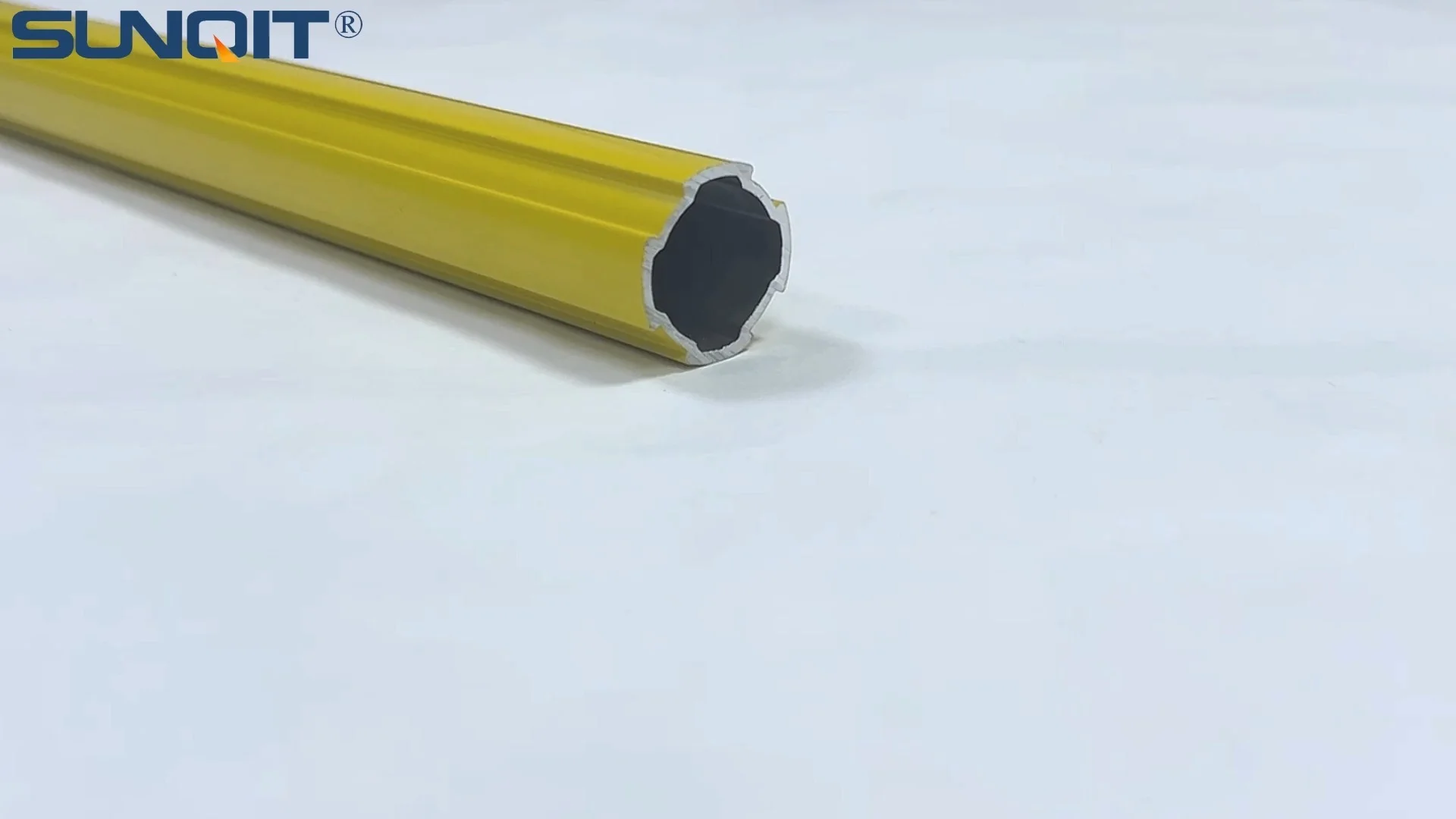
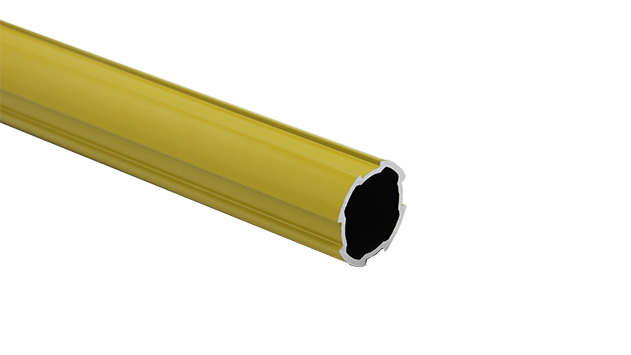
Aluminum pipe, it is used for workbench, flow rack,hand trolley assemble work with advantage of flexible and durable, yellow color makes it more attactive as a caution remind.
Picture this: It's a busy Tuesday morning on a automotive production line. Workers are rushing to assemble engine components, and a material rack loaded with steel parts is wheeled toward the assembly station. As it hits a slight bump, the rack wobbles—just enough to make the supervisor pause. "Is this thing safe?" she mutters, eyeing the T slot aluminum pipes that form the rack's frame. That split-second doubt isn't just paranoia; it's a reminder that when it comes to industrial equipment, "good enough" isn't enough. The strength of T slot aluminum pipes, the backbone of so many factory setups, hinges on one critical question: Can they handle the load?
T slot aluminum pipes have revolutionized how we build workbenches, conveyor systems, material racks, and more. Their modular design—featuring the iconic T-shaped groove that lets you snap on accessories like brackets, shelves, and casters—makes them infinitely adaptable. But adaptability means nothing if they fail under pressure. That's where load testing comes in. It's not just a box to check on a safety checklist; it's the difference between a smooth production day and a catastrophic accident.
In this article, we're diving deep into T slot aluminum pipe load testing. We'll break down why it matters, how it's done, and what factors can make or break a pipe's ability to carry heavy loads. Whether you're a plant manager, a safety officer, or someone who just wants to build a rock-solid workstation, this guide will help you ensure your aluminum structures are up to the task.
What Are T Slot Aluminum Pipes, Anyway?
Before we get into load testing, let's make sure we're all on the same page about what T slot aluminum pipes are. At their core, they're extruded aluminum profiles—long, hollow tubes with a T-shaped channel (the "T slot") running along their length. This slot is the secret to their versatility: it allows you to slide in bolts, nuts, or specialized accessories without drilling holes or welding. Need to add a shelf? Slide a bracket into the T slot and tighten a screw. Want to attach a caster? Snap on a mounting plate. It's like building with industrial Legos, but for grown-ups who need their creations to hold hundreds of pounds.
Most T slot aluminum pipes are made using an aluminum extrusion profile process. Here's how it works: A billet of aluminum (usually 6061 or 6063 alloy, known for strength and corrosion resistance) is heated until it's malleable, then forced through a die with the desired cross-section—whether that's a simple square, a complex shape with multiple T slots, or something in between. The result is a lightweight yet surprisingly strong pipe that can be cut to length and assembled into almost any structure you can imagine.
But their strength isn't just about the aluminum itself. It's also about the system. When you pair T slot aluminum pipes with the right aluminum profile accessories—like heavy-duty internal rotatary aluminum joints, reinforced brackets, or load-bearing casters—you create a structure that can handle serious weight. Think about a typical workbench in an electronics factory: it might hold a 50-pound oscilloscope, a 30-pound tool chest, and a constant stream of components. That's a lot of stress for a few aluminum pipes to absorb day in and day out. Load testing ensures they can do it without bending, cracking, or collapsing.
Why Load Testing Isn't Optional—It's Survival
Let's cut to the chase: Skipping load testing is gambling with lives and livelihoods. Every year, workplace accidents involving structural failure cost companies millions in damages, lost productivity, and worker compensation claims. In 2023, the Occupational Safety and Health Administration (OSHA) reported over 1,500 incidents where "falling objects" or "collapsing structures" were the root cause—many of which could have been prevented with proper load testing.
But it's not just about avoiding the worst-case scenario. Load testing also ensures your equipment performs as expected. Imagine investing in a custom conveyor system made with T slot aluminum pipes, only to find that it sags under the weight of your products, slowing down production. Or building a material rack that can't hold the daily inventory, forcing workers to make extra trips and wasting precious time. Load testing helps you avoid these headaches by verifying that your aluminum structures meet (and ideally exceed) the demands of your operation.
Regulations play a role too. Depending on your industry, there may be strict standards for how much weight equipment can carry. For example, in the aerospace sector, the FAA mandates that any structure holding aircraft parts must be tested to 150% of its maximum intended load. In automotive manufacturing, ISO 13849 sets safety requirements for machinery, including structural integrity. Ignoring these standards isn't just risky—it could land your company with fines or shutdowns.
And let's not forget the human element. When workers see a wobbly rack or a sagging workbench, it erodes trust. They might hesitate to use the equipment, slow down to be extra careful, or even avoid it altogether—all of which hurt efficiency. A properly load-tested structure, on the other hand, sends a clear message: "We care about your safety." That peace of mind is priceless.
The Three Types of Loads Your Aluminum Pipes Face
Load testing isn't a one-size-fits-all process. The weight a T slot aluminum pipe can handle depends on the type of load it's under. Let's break down the three main culprits:
1. Static Load: The "Stand Still" Test
Static load is the weight that stays put. Think of a workbench holding a heavy CNC machine, or a storage rack loaded with boxes that rarely move. This is the most straightforward load to test because the force is constant—no surprises. When testing for static load, engineers apply a gradually increasing weight and measure how much the pipe deflects (bends). The goal is to find the maximum weight the pipe can support without permanent deformation. For example, a 4040 aluminum extrusion profile (40mm x 40mm) might be rated for a static load of 500kg when supported at both ends, but that number drops if the support points are farther apart.
2. Dynamic Load: When Things Start Moving
Dynamic load is what happens when weight is in motion. This includes everything from a conveyor belt carrying products to a trolley being pushed across a factory floor. Unlike static load, dynamic load adds extra stress—think of the jolt when a loaded cart hits a bump or the vibration from a running machine. To test dynamic load, engineers might use a hydraulic press to simulate repeated weight cycles or a shaker table to mimic vibration. For instance, a roller track made with T slot aluminum pipes needs to handle not just the weight of the products on it, but also the force of those products sliding or rolling over it all day long.
3. Impact Load: The "Oops, That Was a Mistake" Test
Impact load is the sudden, unexpected force—like a forklift accidentally bumping into a material rack or a heavy tool being dropped on a workbench. These are the most dangerous loads because they're unpredictable and can exceed the pipe's static or dynamic rating in an instant. Testing for impact load often involves dropping weights onto the structure or using a pendulum to strike it, measuring how well the aluminum absorbs the shock. A good rule of thumb? If your workplace has busy foot traffic or heavy machinery, your T slot aluminum structures should be tested for at least 1.5 times the expected impact force.
The key takeaway? A pipe that passes a static load test might fail under dynamic or impact load. That's why comprehensive load testing includes all three types.

Behind the Scenes: How Load Testing Actually Works
Load testing might sound like something only rocket scientists do, but it's actually a methodical process that any manufacturer or safety team can replicate (with the right tools). Let's walk through the steps:
Step 1: Define Your Test Goals
Before you start, ask: What's the maximum load this structure will need to handle in real life? Let's say you're building a workbench for an assembly line. The heaviest tool on it will be a 100kg drill press, plus 50kg of parts and tools. So your target load is 150kg. But to be safe, you should test to at least 125% of that—187.5kg. This "safety factor" ensures there's a buffer for unexpected weight or wear and tear.
Step 2: Pick Your Samples
You can't test every single pipe—especially if you're buying in bulk. Instead, follow industry standards: For every batch of 100 pipes, test 5-10% of them, chosen randomly. This gives you a representative sample of the batch's quality. If even one pipe fails, you'll need to test more or reject the batch entirely.
Step 3: Set Up the Test Rig
The test rig depends on the structure you're testing. For a simple pipe, you might use a two-point support system (like how a shelf is mounted between two walls) and a hydraulic jack to apply weight. For a complex structure like a material rack, you'll need to replicate real-world conditions—including how it's anchored to the floor and what accessories (like casters or brackets) are attached. Pro tip: Use strain gauges (tiny sensors that measure deformation) and dial indicators to track how much the pipe bends under load.
Step 4: Apply the Load (Slowly)
Rushing the load application is a recipe for bad data. Start with 25% of your target load, then increase in 10-15% increments, pausing at each step to record deflection. Keep going until the pipe either reaches the target load without permanent damage or fails (e.g., bends more than 0.2% of its length, cracks, or the T slot deforms). If it fails, note the load at which it happened—this is the "breaking point."
Step 5: Analyze the Data
After testing, compare the results to your requirements. If the pipe handled 200kg without deforming, and your target was 187.5kg, you're good to go. If it failed at 170kg, you need to either use a thicker pipe, add more supports, or choose a stronger aluminum extrusion profile. Don't forget to document everything—photos, strain gauge readings, and test conditions (temperature, humidity) are all critical for future reference.

What Affects Load Capacity? It's Not Just the Pipe
You might think a T slot aluminum pipe's load capacity is all about its size—but there's more to it. Let's unpack the hidden factors that can make or break your structure:
Material Grade: Not All Aluminum Is Created Equal
Aluminum extrusion profiles are typically made from 6061 or 6063 alloy. 6061 is stronger (tensile strength of 310 MPa vs. 6063's 215 MPa) but less malleable, making it better for heavy loads. 6063 is more flexible and easier to extrude, so it's common for lighter applications like shelving. If you're building something that needs to hold serious weight, 6061 is the way to go.
Wall Thickness: Thin Walls = Weak Spots
A pipe's wall thickness directly impacts its strength. For example, a 4040 profile with a 2mm wall can handle more load than one with a 1.2mm wall. But thicker walls mean heavier pipes, so there's a trade-off between strength and weight. Always check the manufacturer's specs—they'll list the wall thickness and corresponding load ratings.
Profile Design: Cross-Section Matters
The shape of the aluminum extrusion profile plays a big role. A square profile (like 4040) is stronger than a round one of the same diameter because it resists bending better. Profiles with internal ribs or thicker walls at stress points (like the corners) also have higher load capacities. That's why you'll often see "reinforced" profiles for heavy-duty applications—they're engineered to distribute weight more evenly.
Accessories: The Weakest Link in the Chain
Even the strongest T slot aluminum pipe is only as good as the accessories holding it together. A heavy-duty pipe paired with cheap brackets or flimsy joints is a disaster waiting to happen. For example, using a plastic end cap instead of a metal one can reduce the pipe's ability to transfer load to its supports. When choosing aluminum profile accessories, look for ones rated for at least the same load as the pipe itself. Internal rotatary aluminum joints, for instance, are designed to handle torque and weight without slipping, making them ideal for dynamic applications.
Installation: Tighten Those Bolts!
Poor installation can turn a strong pipe into a weak structure. Loose bolts, misaligned joints, or uneven support points all create stress concentration—spots where the load is focused, increasing the risk of failure. Always follow the manufacturer's installation guidelines: torque bolts to the recommended specs, use shims to level supports, and avoid over-tightening (which can strip the T slot).
Real-World Load Capacities: A Comparison Guide
To put all this into perspective, let's look at common aluminum extrusion profiles and their typical load capacities. The table below compares popular T slot aluminum pipe sizes, their dimensions, and how much they can handle under static load (supported at both ends, 1 meter apart):
| Profile Type | Dimensions (mm) | Wall Thickness (mm) | Material | Max Static Load (kg) | Common Uses |
|---|---|---|---|---|---|
| 2020 | 20 x 20 | 1.2 | 6063 Aluminum | 100-150 | Small shelves, light workbenches, 3D printer frames |
| 3030 | 30 x 30 | 1.5 | 6063 Aluminum | 250-350 | Medium shelves, tool racks, small conveyors |
| 4040 | 40 x 40 | 2.0 | 6061 Aluminum | 500-700 | Heavy workbenches, material racks, conveyor frames |
| 4080 | 40 x 80 | 2.5 | 6061 Aluminum | 800-1,000 | Industrial machinery frames, large storage racks |
| 5050 | 50 x 50 | 3.0 | 6061 Aluminum | 1,200-1,500 | Heavy-duty assembly lines, automotive tooling |
Remember, these are general guidelines. Your actual load capacity will depend on support spacing (longer spans mean lower capacity), dynamic or impact loads, and accessory quality. For example, a 4040 profile supported every 0.5 meters instead of 1 meter can handle up to 1,000kg static load—double the rating in the table. Always consult with your supplier for custom calculations!
Case Study: How One Factory Fixed Their "Wobbly Rack" Problem
The Problem: Racks That Couldn't Keep Up
A mid-sized electronics manufacturer in Ohio was struggling with material racks that kept sagging. The racks, made with 3030 aluminum extrusion profiles, were supposed to hold 300kg of circuit boards and components. But within weeks of installation, workers noticed the shelves were bending, especially in the middle. "We thought 3030 was strong enough," said the plant manager. "Turns out, we were wrong."
The Investigation: It Wasn't Just the Pipe
The team brought in a load testing expert, who discovered two issues: First, the racks were supported every 1.5 meters, which exceeded the 3030 profile's span rating. Second, the aluminum profile accessories—specifically the corner brackets—were made from low-grade plastic instead of metal, causing them to flex under load.
The Fix: Testing, Upgrading, and Training
The manufacturer switched to 4040 aluminum extrusion profiles (6061 alloy, 2.0mm wall thickness) and added support posts every 0.8 meters. They also replaced the plastic brackets with metal internal rotatary aluminum joints rated for 800kg. After load testing the new racks to 500kg (1.6 times the intended load), they held firm with minimal deflection. To prevent future issues, the team trained maintenance staff to check for loose bolts and signs of wear monthly.
The Result: Safer, Faster, and Happier Workers
Eight months later, the racks are still going strong. "No more sagging, no more near-misses," the plant manager reported. "Workers actually trust the equipment now, which makes them more efficient. And we haven't had a single incident since the upgrade."
Choosing the Right Accessories: Your Pipe's Best Friend
We've touched on it, but it's worth repeating: Aluminum profile accessories are just as important as the pipe itself. Here are the key accessories to consider for heavy-load applications:
Joints: The Glue That Holds It All Together
Internal rotatary aluminum joints are a game-changer for heavy loads. Unlike fixed joints, they allow for slight rotation, which helps distribute stress evenly. Look for joints with a zinc-plated finish to resist corrosion and a load rating that matches your pipe—most heavy-duty joints can handle 500kg or more per joint.
Brackets: Reinforce, Reinforce, Reinforce
Angle brackets, shelf brackets, and support brackets add rigidity. For shelves, use "L" brackets under the shelf (not just on top) to prevent sagging. Heavy-duty brackets made from 3mm-thick steel are ideal for loads over 200kg.
Casters: Wheels That Won't Let You Down
If your structure needs to move (like a trolley or mobile workbench), invest in industrial-grade casters with a steel frame and polyurethane wheels. Look for casters rated for at least 150% of the total load—so a 500kg trolley should have casters rated for 750kg or more.
End Caps and Plugs: Protect the T Slot
Metal end caps reinforce the ends of the pipe, preventing deformation when weight is applied. They also keep dirt and debris out of the T slot, which can jam accessories over time.
Common Mistakes to Avoid (So You Don't Learn the Hard Way)
Even with the best intentions, load testing can go wrong. Here are the top mistakes to watch for:
Mistake #1: Testing Only Static Load
Many teams test static load and call it a day—but dynamic and impact loads are often the real culprits. If your structure will have moving parts or heavy foot traffic, skip the static-only test.
Mistake #2: Using the Wrong Test Rig
Testing a pipe in a lab with perfect support is easy. But if your real-world structure has uneven floors or flexible supports, the lab results won't translate. Try to replicate real conditions as much as possible.
Mistake #3: Ignoring Temperature and Humidity
Aluminum expands in heat and contracts in cold, which can affect load capacity. If your factory gets hot in summer or cold in winter, test under those conditions.
Mistake #4: Overlooking Wear and Tear
Load testing isn't a one-time thing. Pipes and accessories wear out over time—bolts loosen, joints corrode, and plastic parts degrade. Schedule annual retests to ensure your structure is still safe.
Conclusion: Load Testing Is Your Safety Net
T slot aluminum pipes are amazing tools—but they're not magic. Their strength, versatility, and reliability depend on one thing: proper load testing. Whether you're building a simple workbench or a complex conveyor system, taking the time to test how much weight your aluminum structures can handle is the best investment you can make in safety, efficiency, and peace of mind.
Remember, load testing isn't just about numbers on a sheet. It's about the worker who doesn't have to wonder if their tools will hold. It's about the production line that keeps running because the conveyor doesn't sag. It's about building a workplace where "Is this safe?" is never a question—because you already know the answer.
So the next time you're planning a project with T slot aluminum pipes, ask: Have we tested it? If the answer is no, stop. Grab a load cell, set up the test rig, and do the work. Your team, your bottom line, and your conscience will thank you.