- Company Articles
- Products and Technology
- Installation And Maintenance
- T Slot Aluminum Pipe Maintenance: Tips to Extend Service Life

T Slot Aluminum Pipe Maintenance: Tips to Extend Service Life
Related Product
T Slot Aluminum Pipe
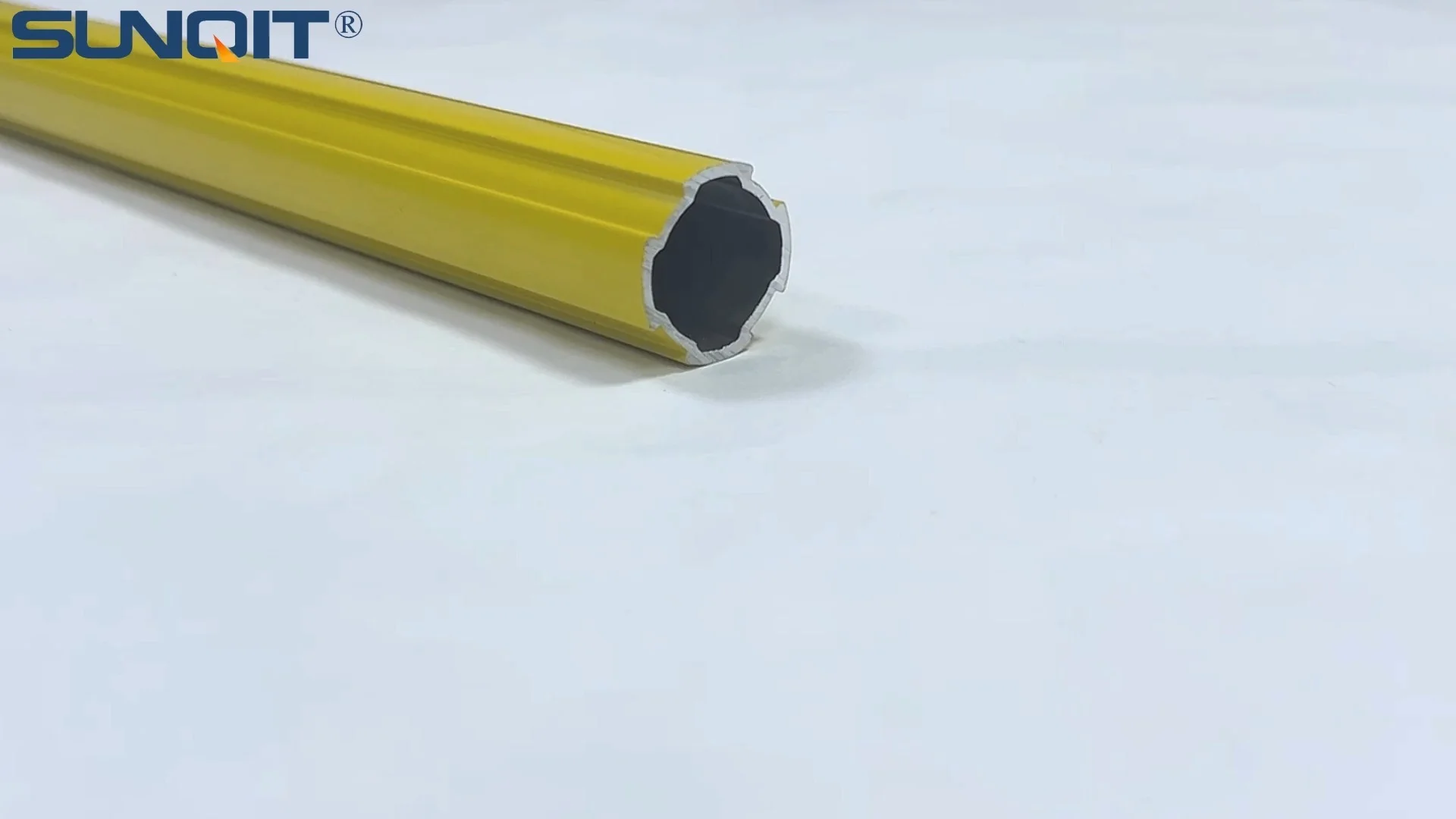
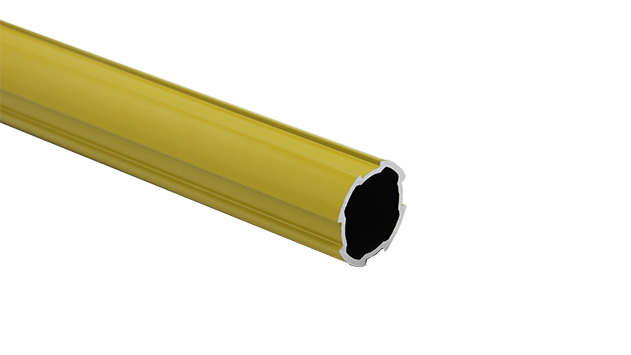
Aluminum pipe, it is used for workbench, flow rack,hand trolley assemble work with advantage of flexible and durable, yellow color makes it more attactive as a caution remind.
If you've ever stepped into a manufacturing facility, a workshop, or even a modern office with custom workstations, chances are you've seen T slot aluminum pipes in action. These unassuming yet versatile components form the backbone of everything from lean system setups and assembly lines to sturdy workbenches and material racks. What makes them so popular? Their lightweight nature, modular design, and the ability to adapt to almost any need—all thanks to compatible aluminum profile accessories that let you build, modify, and expand with ease. But like any hardworking tool, T slot aluminum pipes don't last forever on their own. Without proper care, even the most durable aluminum profile can start to show signs of wear, from corroded joints to bent rails, which can throw a wrench into your workflow and cost you time and money. That's why we're diving deep into maintenance today: not just the "how," but the "why" behind each step, so you can keep your aluminum pipes and accessories performing at their best for years to come.
Understanding T Slot Aluminum Pipes: More Than Just Metal
Before we jump into maintenance, let's take a quick moment to appreciate what makes T slot aluminum pipes unique. Unlike rigid steel structures or flimsy plastic alternatives, these pipes—often referred to as aluminum profiles—feature a T-shaped groove along their length. This groove is the secret to their versatility: it allows aluminum profile accessories like brackets, connectors, and panels to slide in and lock securely, no welding or drilling required. Whether you're building a small workbench for your garage or a full-scale lean system for a factory floor, this modularity means you can reconfigure on the fly, saving time and reducing waste. But here's the thing: that same T slot, which makes them so adaptable, can also trap dust, debris, and moisture if not cared for. Add in the stress of daily use—think heavy tools resting on a workbench, parts sliding along roller tracks, or constant adjustments to the setup—and you've got a recipe for premature wear if maintenance is overlooked. So, let's start with the basics: keeping them clean.
Daily Cleaning: The First Line of Defense
You might be thinking, "Do I really need to clean my aluminum pipes every day?" If they're in a high-traffic area—like a production line where dust, oil, or coolant is in the air—the answer is a resounding yes. Even in cleaner environments, a quick daily wipe-down can prevent buildup that, over time, can corrode the aluminum or jam the T slot. Let's break it down step by step.
Tools You'll Need (And What to Avoid)
Forget harsh chemicals or abrasive scrubbers—aluminum is surprisingly sensitive to both. Instead, stick to mild dish soap mixed with warm water, a soft microfiber cloth, and a small brush with gentle bristles (an old toothbrush works great for tight spots like the T slot). Avoid steel wool, scouring pads, or acidic cleaners (like vinegar or bleach), which can scratch the surface or eat away at the protective oxide layer that naturally forms on aluminum to prevent corrosion. For greasy residues—common in workshops—add a drop of degreaser to your soapy water, but rinse thoroughly afterward to avoid leaving a film.
How to Clean the Pipes and Accessories
Start with the obvious: wipe down the exterior of the aluminum profile with your soapy cloth. Pay extra attention to areas that collect grime, like the base of the pipe where it meets the floor or a workbench, and around any aluminum pipe accessories (joints, brackets, or panels) that might trap dust. Next, tackle the T slot itself. Use the soft brush to dislodge any debris—sawdust, metal shavings, or even small screws that might have fallen in—and then run a damp cloth along the groove to wipe it clean. If you're dealing with a particularly dirty slot, you can use a can of compressed air to blow out loose particles first (just be careful not to spray directly at your face!). For aluminum pipe accessories like connectors or end caps, remove them if possible (gently—no forcing!) and clean both the accessory and the area where it attaches to the pipe. This prevents buildup from hardening and making future adjustments difficult.
Pro tip: If you're cleaning a large setup, like a full lean system with multiple workbenches and racks, break it into sections. Focus on high-use areas first—like the surface of a workbench where tools are constantly placed—or areas exposed to moisture, like near a sink or window. A five-minute daily clean in these spots can save you hours of deep cleaning later.
Regular Inspections: Catching Problems Before They Grow
Cleaning removes the "gunk," but inspections help you spot the hidden issues: a loose joint that could collapse, a hairline crack in an aluminum profile, or a bent rail that's slowing down your workflow. The key here is consistency—even a quick once-over can make a big difference. Let's outline what to look for, how often to look for it, and what to do when you find something amiss.
Daily Quick Checks
These are the "at-a-glance" inspections you can do while you're cleaning or going about your day. Walk around your aluminum pipe setup and ask yourself:
- Are any joints visibly loose? Give them a gentle wiggle—if they move more than a millimeter or two, they need tightening.
- Is the structure stable? Does the workbench shake when you lean on it, or does a rack sway when you add materials? Instability often points to a weak or damaged component.
- Are there any obvious signs of damage? Dents, scratches, or discoloration (like white, powdery spots, which could be corrosion) should be noted.
Weekly Detailed Inspections
Once a week, set aside 15–20 minutes for a deeper dive. Grab a flashlight (to check hard-to-see areas) and a notebook to jot down issues. Here's your checklist:
| Inspection Item | What to Look For | Action If Found |
|---|---|---|
| Aluminum Profile Condition | Bends, cracks, or warping, especially in load-bearing sections (like the legs of a workbench). | replace bent/cracked profiles immediately—they can't be safely repaired. For minor warping, check if adjusting nearby joints relieves stress. |
| Joints and Connectors | Loose screws, stripped threads, or cracks in the plastic or metal of the joint itself. | Tighten loose screws with the correct tool (avoid over-tightening—you could strip the threads). replace any cracked or stripped joints. |
| T Slot Integrity | Deformation of the groove (like dents or flattened edges) that might prevent accessories from sliding or locking. | Minor dents can sometimes be gently reshaped with a rubber mallet (never a metal hammer!). Severe damage means replacing the profile. |
| Accessories (Panels, Shelves, Casters) | Loose panels, cracked shelves, or casters that wobble or don't roll smoothly. | Reinforce loose panels with additional brackets. replace cracked shelves or damaged casters—don't risk a collapse. |
| Corrosion Spots | White, powdery residue (oxidation) or greenish spots (more severe corrosion), especially in humid environments. | Clean the area with a mild abrasive (like baking soda and water) to remove oxidation. For green corrosion, use a specialized aluminum cleaner and apply a protective coating afterward. |
Why is this so important? Let's say you notice a small crack in a joint during your weekly inspection. Ignoring it might seem harmless, but that joint is part of a workbench holding heavy equipment. Over time, the crack could spread, causing the joint to fail and the workbench to collapse—risking injury and costly damage. Catching it early means a simple $5 replacement instead of a $500 disaster.

Preventing Corrosion: Aluminum's Achilles' Heel
Aluminum is naturally resistant to corrosion, thanks to a thin oxide layer that forms on its surface when exposed to air. But this layer isn't invincible. Moisture, chemicals, and even salt air (if you're near the coast) can break it down, leading to unsightly and damaging corrosion. The good news? With a few proactive steps, you can keep that oxide layer strong and your aluminum pipes looking (and working) like new.
Keep It Dry (But Don't Panic Over Spills)
The biggest enemy of aluminum is prolonged moisture. If your T slot aluminum pipes are in a damp area—a basement workshop, a facility with high humidity, or near a sprinkler system—take extra precautions. Wipe up spills immediately, and consider using a dehumidifier if the air feels consistently damp. For outdoor setups (yes, some people use aluminum profiles for outdoor workbenches or racks), invest in a weatherproof cover to shield them from rain and snow. If water does sit on the pipes, dry them thoroughly as soon as possible—don't let them air-dry, as minerals in the water can leave spots that weaken the oxide layer.
Apply a Protective Coating (When Needed)
Most T slot aluminum pipes come with a clear anodized finish, which strengthens the natural oxide layer and adds extra protection. But if your pipes are uncoated, or if the finish is worn (you'll notice dull spots or scratches), consider applying a thin layer of automotive wax or a specialized aluminum sealant. These products create a barrier against moisture and chemicals without clogging the T slot (just make sure to wipe excess wax out of the groove with a cloth). For aluminum profile accessories made of plastic, check if they're UV-resistant—sunlight can make plastic brittle over time, so if they're near a window, a coat of plastic protectant spray can help extend their life.
Treating Minor Corrosion Before It Spreads
Even with the best prevention, you might still spot a small corrosion spot. Don't panic—this is usually surface-level and easy to fix. Start by mixing a paste of baking soda and water (about 3 parts baking soda to 1 part water) and apply it to the corroded area with a soft cloth. Gently rub in a circular motion for 1–2 minutes, then rinse with clean water and dry thoroughly. The baking soda's mild abrasiveness will remove the oxidation without scratching the aluminum. For tougher spots, use a commercial aluminum cleaner (follow the instructions on the bottle), but avoid anything with hydrofluoric acid, which can damage the metal. After cleaning, apply a thin layer of wax or sealant to the area to prevent future corrosion.

Proper Assembly and Disassembly: Handling with Care
T slot aluminum pipes are designed to be easy to assemble and reconfigure, but that doesn't mean you can yank them apart or force pieces together. Rough handling is one of the biggest causes of bent pipes, stripped threads, and cracked accessories. Let's walk through the do's and don'ts to keep your setup intact during builds and modifications.
Assembling the Right Way: Take It Slow
When building with aluminum profiles and accessories, patience pays off. Start by laying out all your parts—pipes, joints, screws, and any panels or shelves—and double-check that you have the right aluminum profile accessories for the job (using a connector meant for a 20mm pipe on a 30mm pipe, for example, will never work and could damage both). When attaching joints, align them carefully with the T slot and hand-tighten the screws first. This lets you adjust the position if needed before fully securing them. Once everything is aligned, use the correct tool (usually an Allen wrench or Phillips screwdriver) to tighten the screws until they're snug—but stop before you feel resistance. Over-tightening is a common mistake: it can strip the threads in the T slot, crack the joint, or even bend the pipe itself. Remember: these systems rely on friction and precision, not brute force.
Disassembling Without Damage: Loosen, Don't Force
Need to reconfigure your setup? Great—that's the beauty of T slot systems! But don't just pull pieces apart. Start by loosening all screws and connectors first, working from the top down if you're taking apart a tall structure (this prevents it from toppling). If a joint is stuck—maybe from corrosion or dried grime—apply a drop of penetrating oil (like WD-40) to the screw and let it sit for 5–10 minutes. Gently wiggle the joint while turning the screw; forcing it could snap the screw or crack the joint. If you're removing a panel or shelf that's been in place for a while, check if it's warped or stuck to the pipes (due to moisture or glue). Tap it gently with a rubber mallet to loosen it, or use a putty knife to pry it up (protect the pipe with a cloth to avoid scratches).
Pro tip: If you're disassembling a system to move it, label the parts! A quick sketch or a photo of the original setup, plus labels like "Left Leg – Workbench A" on the pipes, will save you hours of frustration when reassembling. It also helps you keep track of which aluminum profile accessories go with which pipes, so you don't mix and match incorrectly later.
Storage: Protecting Pipes When They're Not in Use
Whether you're storing extra aluminum pipes for future projects or putting away a temporary setup (like a holiday display or event booth), how you store them matters. Improper storage can lead to bent pipes, scratched finishes, or even pest damage (yes, rodents love to chew on plastic accessories!). Here's how to keep your stored pipes and accessories in top shape.
Storing Aluminum Pipes: Keep Them Straight and Dry
Aluminum profiles are strong, but they can bend under their own weight if stored incorrectly. The best way to store long pipes is horizontally on a rack, with supports every 3–4 feet to prevent sagging. If you don't have a rack, lean them vertically against a wall—just make sure they're secured (with a bungee cord or strap) so they don't fall over. Never stack heavy items on top of stored pipes, and avoid leaving them on the floor where they might get stepped on or run over by a cart. For short-term storage (a few weeks), a dry garage or workshop is fine, but for long-term storage (months or more), aim for a climate-controlled area. Extreme temperatures—like a hot attic or freezing basement—can cause the aluminum to expand and contract, weakening the metal over time, and humidity can lead to corrosion, even if the pipes are clean.
Storing Aluminum Profile Accessories: Organize to Avoid Damage
Small accessories like connectors, screws, and end caps are easy to lose or damage if tossed into a box. Instead, use clear plastic bins with dividers to separate different types of accessories—one bin for joints, one for screws, one for panels, etc. Label each bin so you can find what you need quickly, and add a silica gel packet to absorb moisture (this is especially important for metal accessories like steel screws, which can rust). For larger accessories, like casters or heavy brackets, wrap them in bubble wrap or old towels to prevent scratches, and store them on a shelf where they won't get crushed by other items. Avoid storing plastic accessories near heat sources (like a furnace or space heater), as heat can warp or melt them.
Troubleshooting Common Issues: Quick Fixes for Everyday Problems
Even with the best maintenance, things can go wrong. A joint might loosen, a pipe might bend, or an accessory might stop working. The good news is that most issues have simple fixes—no need to replace the entire system. Let's troubleshoot the most common problems you might face.
Loose Joints: The #1 Culprit
Loose joints are almost inevitable, especially in high-vibration environments (like near a running machine) or on workbenches that get a lot of use. The fix? Tighten the screws—but first, check why they came loose. If the screw is stripped (the head is rounded or the threads are worn), replace it with a new one of the same size. If the T slot itself is stripped (the screw spins without tightening), you have a few options: move the joint to a new spot on the pipe (the T slot is long, so there's usually extra space), or use a larger screw (if the joint allows it). For plastic joints that have worn out (common with cheaper accessories), replace the joint entirely—they're inexpensive and easy to swap.
Bent Pipes: Can They Be Saved?
A slightly bent pipe might seem salvageable, but proceed with caution. Aluminum is a soft metal, and bending it back can weaken it, making it more likely to break under load. If the bend is minor (less than 5 degrees) and in a non-load-bearing part of the pipe (like a decorative rail), you can try gently straightening it with your hands or using a rubber mallet to tap it back into shape (place a cloth over the pipe to avoid scratches). But if the bend is severe, or if the pipe is part of a load-bearing structure (like a workbench leg or a rack support), replace it. A bent load-bearing pipe is a safety hazard—better to spend $20 on a new one than risk an accident.
Stuck Accessories: When They Won't Slide or Lock
If an accessory (like a bracket or panel) won't slide along the T slot, the first thing to check is debris. Clean the slot thoroughly (as we covered earlier) and try again. If it still sticks, the accessory might be misaligned—check that it's sitting flat in the slot and that the locking mechanism (like a cam lever or screw) isn't jammed. For accessories with moving parts, like sliding shelves, a drop of dry lubricant (like graphite powder or silicone spray) can help—just avoid oil-based lubricants, which attract dust. If the accessory itself is cracked or warped (common with plastic parts), it's time for a replacement.
Long-Term Benefits: Why Maintenance Matters (Beyond the Pipes)
At this point, you might be thinking, "This all sounds like a lot of work—isn't it easier to just replace the pipes when they break?" Let's do the math: a high-quality T slot aluminum pipe costs around $15–$30, depending on length and thickness. A full lean system setup with workbenches, racks, and accessories can run into the hundreds or even thousands of dollars. Replacing that system every few years because of neglect? That's a huge expense. Regular maintenance, on the other hand, costs next to nothing—just a few dollars for soap, a cloth, and maybe some wax—and can extend the life of your pipes by 5–10 years or more. But the benefits go beyond cost savings.
Think about safety: a well-maintained workbench or rack is stable, reducing the risk of accidents. A clean, organized setup (thanks to functional aluminum profile accessories) boosts productivity—you're not wasting time searching for tools or fixing broken equipment. And let's not forget peace of mind: knowing your aluminum pipes are in good shape means you can focus on the work that matters, not worrying about when the next part will fail. Plus, a well-cared-for system looks professional—whether you're running a small workshop or a large manufacturing plant, matter to clients, employees, and even regulators.
Conclusion: Your Pipes Work Hard—Return the Favor
T slot aluminum pipes are the unsung heroes of modern workspaces. They adapt to your needs, support your projects, and keep your workflow moving—so why not give them the care they deserve? From a quick daily wipe-down to regular inspections and careful handling, the steps we've covered here are simple, affordable, and proven to extend the life of your aluminum profile, aluminum pipe accessories, and entire lean system. Remember: maintenance isn't just about fixing problems—it's about preventing them. A little time today can save you from big headaches tomorrow.
So, the next time you walk past your workbench or lean system, take a moment to check those joints, wipe down that T slot, and give your aluminum pipes a little appreciation. They'll thank you by sticking around—strong, reliable, and ready for whatever you throw at them—for years to come.