- Company Articles
- Products and Technology
- Product knowledge
- T Slot Aluminum Pipe Material: Why Aluminum Stands Out for Lean Systems

T Slot Aluminum Pipe Material: Why Aluminum Stands Out for Lean Systems
Related Product
T Slot Aluminum Pipe
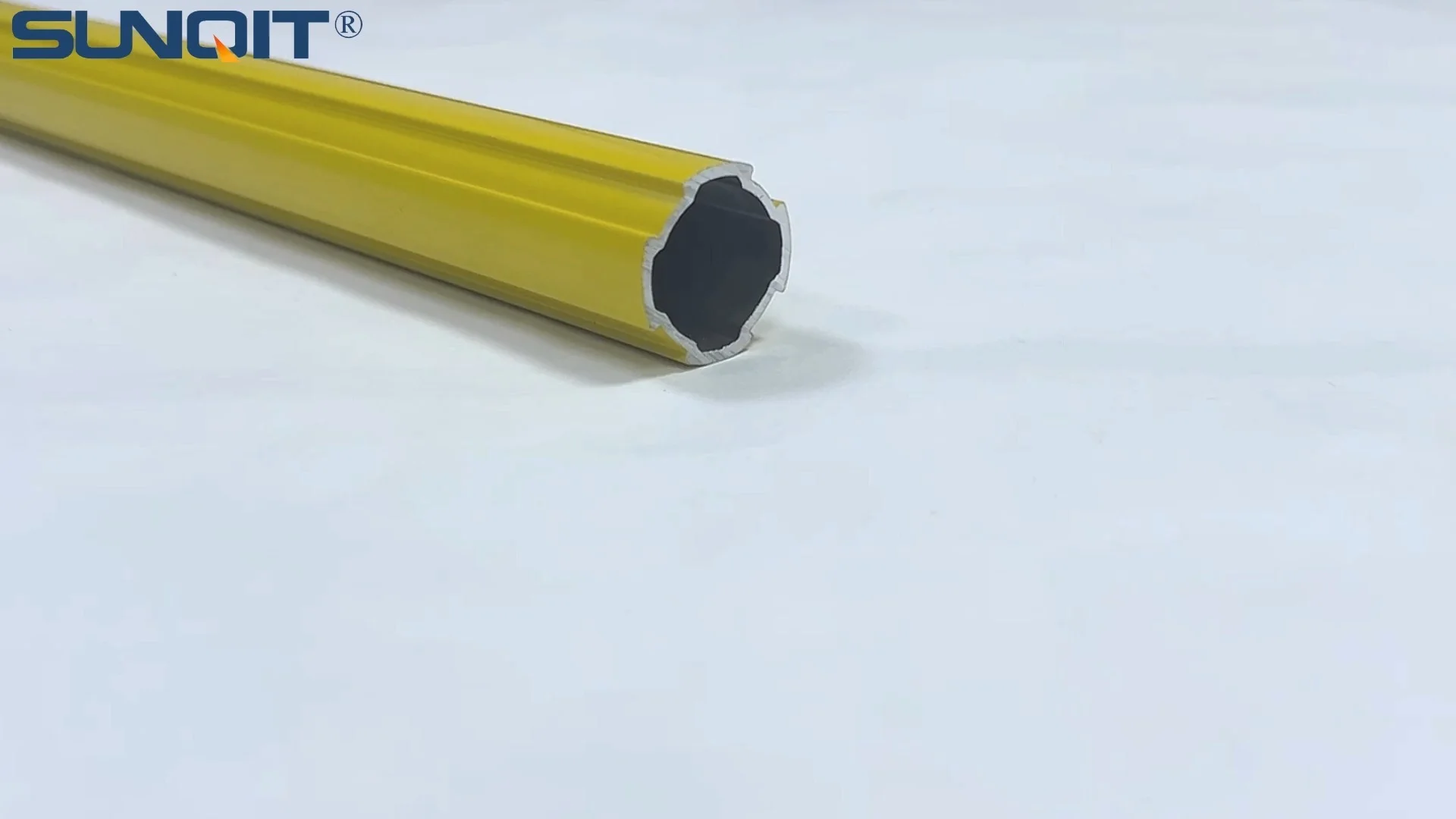
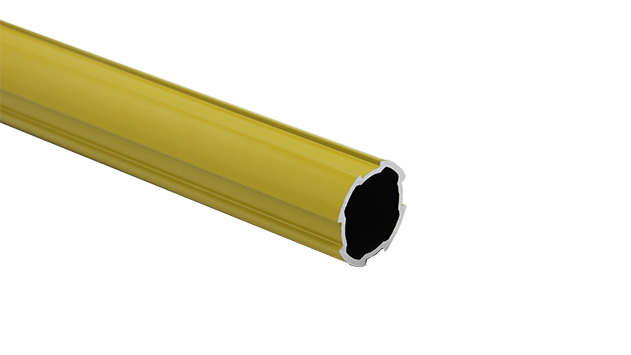
Aluminum pipe, it is used for workbench, flow rack,hand trolley assemble work with advantage of flexible and durable, yellow color makes it more attactive as a caution remind.
In the fast-paced world of manufacturing, where every second counts and waste is the ultimate foe, lean systems have emerged as the cornerstone of operational excellence. These systems thrive on efficiency, flexibility, and continuous improvement—but their success hinges on a critical, often underappreciated factor: the materials that build their foundation. Enter T slot aluminum pipe material—a quiet revolutionary that's redefining how lean systems are conceptualized, constructed, and adapted. But what makes aluminum, especially in its T-slot form, the material of choice for manufacturers aiming to streamline operations and stay ahead? Let's unpack this story.
Lean Systems 101: Beyond the Hype
Before diving into aluminum's merits, let's clarify what lean systems truly entail. Born from the Toyota Production System, lean manufacturing is a philosophy centered on eliminating waste—whether it's excess inventory, unnecessary movement, or idle time—while amplifying value for customers. It's not just about cutting costs; it's about creating agile, responsive operations that can pivot with market demands. And here's the critical link: your physical workspace is the canvas on which lean principles are painted. A rigid, inflexible setup might work for static production lines, but in today's era of rapid product iterations and shifting consumer needs, rigidity becomes a bottleneck.
This is where material selection becomes a strategic decision. The racks, workbenches, and conveyor systems that populate your factory floor shouldn't hinder progress—they should enable it. They need to be easy to assemble, simple to reconfigure, and tough enough to endure the daily grind. This is where T slot aluminum pipe material steps into the spotlight, and its rise is no accident.
Aluminum: The Material That Checks Every Lean Box
Aluminum has long been celebrated across industries for its unique blend of properties, but in the context of lean systems, its advantages become even more compelling. Let's break down why aluminum, particularly when shaped into T-slot profiles, has become a linchpin for lean-focused manufacturers.
Strength Without the Heaviness: The Power of the Strength-to-Weight Ratio
One of aluminum's most striking attributes is its exceptional strength-to-weight ratio. Pound for pound, it's roughly one-third the weight of steel yet offers comparable strength for most manufacturing applications. For lean systems, this translates to tangible benefits. Lighter materials mean easier handling during setup: workers don't need cranes or specialized tools to assemble a workbench or flow rack. This slashes installation time, reduces injury risks, and makes reconfiguration a breeze. Imagine needing to relocate a workstation to balance a production line—with aluminum, two people can move it; with steel, you'd need a forklift and extra hands. That's the kind of waste—time, labor, energy—that lean systems strive to eliminate.
But aluminum's strength isn't just about weight savings. It ensures that structures like workbenches and flow racks can support heavy loads—think tool chests, raw materials, or finished products—without bending or warping. This durability extends the lifespan of your lean investments, reducing the need for frequent replacements and the waste that accompanies them.

Corrosion Resistance: Keeping Systems in the Game
Manufacturing environments are tough. Oils, coolants, humidity, and dust are constant companions, and equipment must stand up to these elements. Steel, while strong, succumbs to rust and corrosion unless heavily coated—a process that adds cost and maintenance demands. Aluminum, however, forms a natural oxide layer when exposed to air, acting as a built-in protective barrier. This means your T slot aluminum structures stay functional and visually intact for years, even in harsh conditions. No more sanding rust off racks or replacing corroded conveyor parts—just consistent, reliable performance that aligns with lean's focus on uptime.

The T-Slot Design: Flexibility Redefined
Aluminum's inherent benefits are impressive, but the T-slot design is what elevates it from a good material to a lean essential. T-slot profiles are extruded aluminum pieces featuring a continuous T-shaped groove along their length. This groove isn't just a design detail—it's a gateway to endless customization. By sliding bolts, brackets, or accessories into the T-slot, you can attach shelves, panels, wheels, or tools—no welding, drilling, or specialized expertise required.
Consider a real-world scenario: Your team needs a new workbench for an assembly line. With T-slot aluminum profiles, you can build one tailored to your exact needs—height-adjustable legs for ergonomic comfort, a shelf for tools, and a pegboard for supplies—all in a few hours. Six months later, when the product line changes and the bench needs to be wider? Simply loosen the bolts, adjust the profiles, and retighten. No new bench, no waste—just adaptation. This flexibility is the lifeblood of continuous improvement, a core lean principle. Frontline workers, who know the process best, can tweak their workspaces to eliminate inefficiencies without waiting for external help, fostering a culture of ownership and innovation.
Aluminum vs. Steel vs. Plastic: The Lean Showdown
To fully grasp aluminum's value, let's compare it to traditional materials: steel and plastic. Both have roles, but neither matches aluminum's lean-friendly blend of benefits.
| Feature | T Slot Aluminum | Steel | Plastic |
|---|---|---|---|
| Weight & Handling | Lightweight (1/3 steel's weight); easy to assemble/reconfigure manually | Heavy; requires machinery for movement/modification | Light, but structurally weak for heavy loads |
| Assembly & Adaptability | Tool-free setup with T-slot accessories; reconfigurable in minutes | Requires welding/drilling; permanent once built | Limited adjustability; prone to cracking during modification |
| Durability & Maintenance | Corrosion-resistant; minimal upkeep; long lifespan | Prone to rust; needs regular coating/painting | Degrades in extreme temps; weak under heavy use |
| Sustainability | 100% recyclable; uses 5% of raw production energy to recycle | Recyclable but energy-intensive to process | Often non-recyclable; contributes to landfill waste |
| Total Cost of Ownership | Higher upfront cost, but lower long-term (reusability, low maintenance) | Lower upfront cost, but higher replacement/maintenance costs | Lowest upfront cost, but shortest lifespan; frequent replacements |
Steel, for instance, is strong and cheap initially, but its weight makes reconfiguration a logistical nightmare. Welding steel components is time-consuming and permanent—modifying a steel rack means cutting it apart and starting over, generating waste and downtime. Steel also demands ongoing maintenance to prevent rust, adding hidden costs.
Plastic, while lightweight and affordable, lacks the structural integrity for heavy manufacturing use. A plastic flow rack might handle small parts but will warp or crack under metal components. Plus, most plastics are non-recyclable, clashing with lean's sustainability goals.
Aluminum, with its T-slot design, solves these pain points. It offers steel-like strength without the weight, plastic-like flexibility without the fragility, and sustainability that aligns with lean's waste-reduction mission.
Aluminum in Action: Transforming Lean Components
Let's explore how T slot aluminum pipe material elevates key lean system components, turning theory into tangible results.
Workbenches: Ergonomic, Custom, and Built to Evolve
The workbench is the epicenter of assembly lines, where comfort and functionality directly impact productivity. Aluminum workbenches, built with T-slot profiles, excel here. Need a bench at 36 inches for one worker and 42 inches for another? Adjust the legs via T-slot brackets. Want to add a monitor arm for digital work instructions? Slide a mounting bracket into the T-slot. Need a vice or tool organizer? T-slot accessories make it possible.
Aluminum workbenches are also remarkably stable, thanks to the rigidity of T-slot connections. Even with heavy tools, they don't wobble, reducing fatigue and boosting precision. And since they're lightweight, adding casters (another T-slot accessory) transforms them into mobile workstations, ideal for batch production or line balancing.
Flow Racks: Keeping Materials Moving, Effortlessly
Flow racks are critical for "just-in-time" material delivery, a lean staple. Traditional steel flow racks are bulky and hard to adjust, but aluminum flow racks—using aluminum roller tracks and guide rails (key aluminum profile accessories)—enable materials to glide smoothly, reducing manual lifting and picking time.
T-slot design lets you adjust roller track spacing to fit different container sizes, from small bins to large totes. Need to add a third level for new SKUs? Attach new profiles to the existing structure with T-slot joints. The result: a flow rack that adapts to inventory changes without replacement costs.
Conveyors: Lightweight, Low-Maintenance, and Adaptable
Conveyors are the arteries of lean production, moving parts between stations. Steel conveyors are durable but heavy, requiring robust supports and more energy to operate. Aluminum conveyors, by contrast, are lightweight, slashing energy use and simplifying installation. Their corrosion resistance minimizes maintenance—no regular greasing or painting.
T-slot profiles form the conveyor frame, while aluminum roller tracks handle part movement. Need to add a curve, change the incline, or integrate a sorter? T-slot accessories make modifications straightforward, ensuring your conveyor evolves with production needs.
Accessories: The Unsung Heroes of Aluminum's Flexibility
Aluminum's versatility shines brightest with its ecosystem of accessories. From brackets and hinges to end caps and casters, these components turn basic aluminum pipes into fully functional systems. Internal rotary aluminum joints allow profiles to pivot, creating foldable workbenches. Aluminum guide rails ensure smooth material flow in racks. Even small parts like caster wheels and leveling feet add mobility and stability, making aluminum structures truly adaptable.
These accessories are standardized, meaning components from different suppliers work together. This reduces lead times and costs—no custom parts needed; just off-the-shelf accessories assembled on-site.
Sustainability: Lean and Green, Hand in Hand
Lean systems and sustainability are natural allies, both focused on waste reduction. Aluminum amplifies this synergy. When a lean system is reconfigured, old aluminum profiles are recycled into new ones with minimal energy—recycling aluminum uses just 5% of the energy needed for raw production. This closed loop aligns with lean's "zero waste" goals and reduces your carbon footprint, a win for both operations and the planet.
Conclusion: Aluminum—The Lean Material for Tomorrow's Factories
In the lean manufacturing journey, where efficiency and adaptability are non-negotiable, T slot aluminum pipe material isn't just a building block—it's a strategic enabler. Its strength-to-weight ratio, corrosion resistance, and recyclability deliver durability and sustainability. Its T-slot design unlocks unmatched flexibility, allowing teams to build, modify, and evolve their systems with ease. And its ecosystem of accessories ensures endless customization, making it the ideal partner for continuous improvement.
As manufacturing evolves, with shorter product cycles and higher customer expectations, aluminum's role will only grow. It's more than a material; it's a catalyst for lean excellence, empowering manufacturers to build the agile, efficient operations that define success in the 21st century. So, if you're ready to take your lean system to the next level, look no further than T slot aluminum pipe material—it's the future of lean, today.