- Company Articles
- Products and Technology
- Product knowledge
- T Slot Aluminum Pipe Surface Treatments: Anodization vs Powder Coating

T Slot Aluminum Pipe Surface Treatments: Anodization vs Powder Coating
Related Product
T Slot Aluminum Pipe
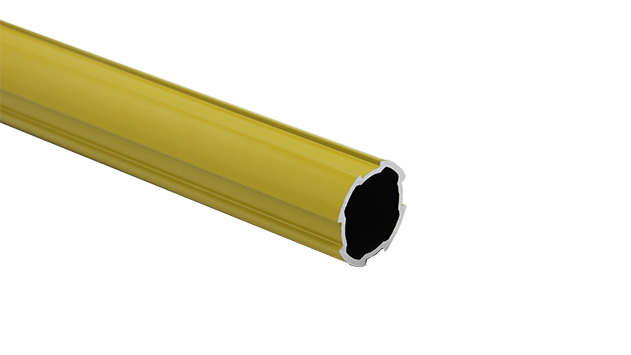
Aluminum pipe, it is used for workbench, flow rack,hand trolley assemble work with advantage of flexible and durable, yellow color makes it more attactive as a caution remind.
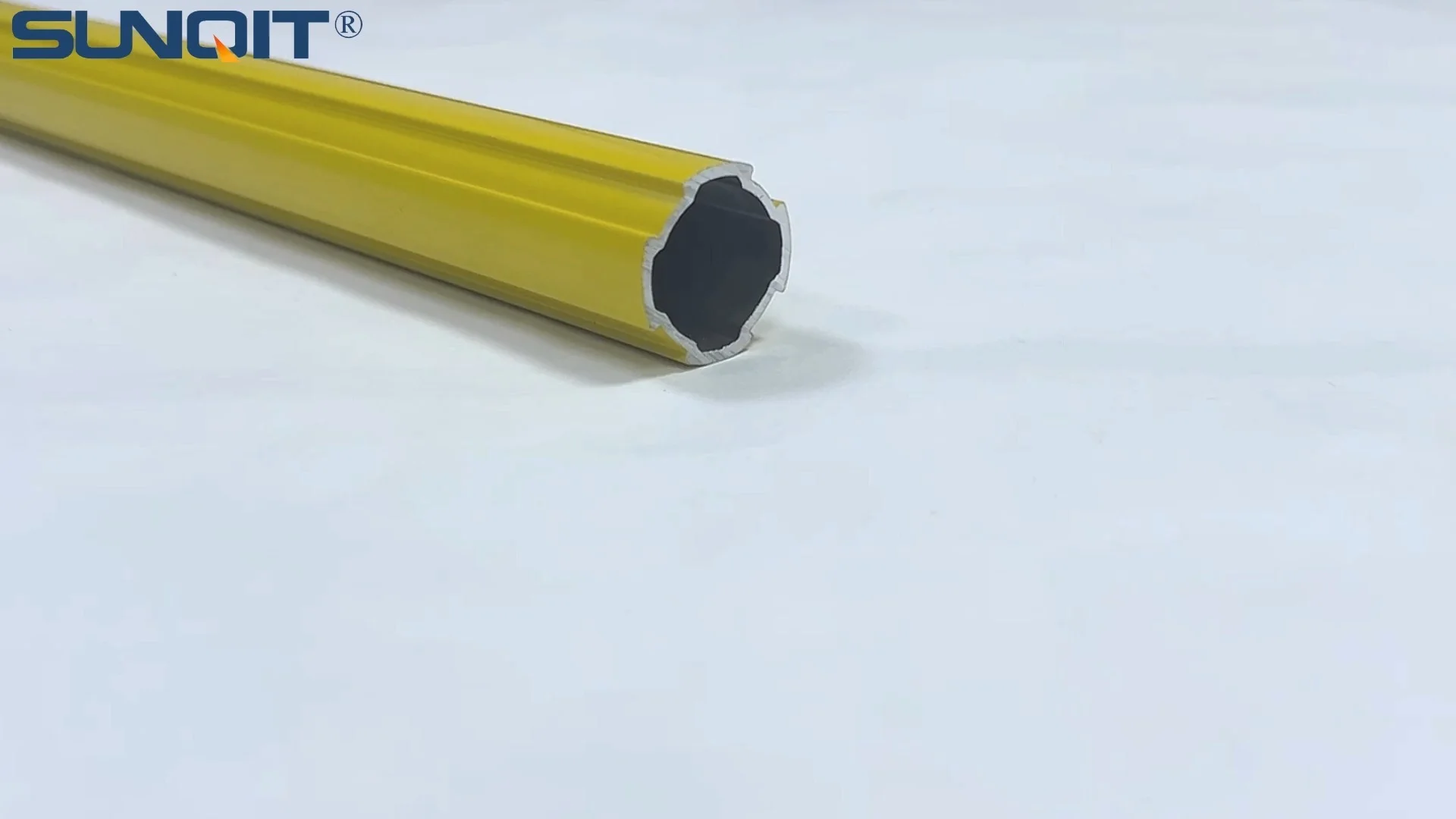
Walk into any modern manufacturing plant, warehouse, or even a high-tech workshop, and you'll quickly spot the unsung hero of industrial infrastructure: T Slot Aluminum Pipe. These versatile, modular components form the backbone of everything from workbenches and material racks to conveyor systems and assembly lines. But what gives these pipes their distinct look—and more importantly, their ability to withstand the wear and tear of daily use? The answer lies in two critical surface treatments: anodization and powder coating. Both processes enhance the performance of aluminum extrusion profile, but they do so in unique ways, each with its own set of advantages and trade-offs. In this article, we'll dive deep into how anodization and powder coating work, compare their strengths and weaknesses, and help you decide which is right for your next project.
Understanding T Slot Aluminum Pipe: The Foundation of Modern Workspaces
Before we explore surface treatments, let's take a moment to appreciate the star of the show: T Slot Aluminum Pipe. Made from aluminum extrusion profile—a process where aluminum alloy is forced through a die to create uniform, custom cross-sections—these pipes are prized for their lightweight strength, flexibility, and modularity. The "T slot" refers to the longitudinal groove running along the length of the pipe, which allows for easy attachment of aluminum profile accessories like brackets, connectors, and panels. This design makes T Slot Aluminum Pipe infinitely adaptable: a single length can be reconfigured into a workbench one day and a storage rack the next, making it a favorite among lean manufacturers and DIY enthusiasts alike.
But raw aluminum, while strong, is naturally prone to corrosion and scratching. When exposed to air, it forms a thin oxide layer, but this layer is too fragile to stand up to industrial environments. That's where surface treatments come in. Anodization and powder coating don't just make aluminum look better—they transform its durability, extending its lifespan and ensuring it performs reliably in even the harshest conditions.
Anodization: The Science of Strengthening Aluminum's Natural Defense
What Is Anodization?
Anodization is an electrolytic process that (thickens) and enhances aluminum's natural oxide layer. Unlike painting or plating, which add a separate coating, anodization actually transforms the surface of the aluminum itself. Here's how it works: the aluminum pipe is submerged in an electrolytic solution (typically sulfuric acid), and an electric current is passed through the setup. The pipe acts as the anode, causing oxygen ions to bond with the aluminum surface, forming a dense, porous layer of aluminum oxide (Al₂O₃). This layer is integral to the metal—meaning it won't chip, peel, or flake off like a painted finish.
Types of Anodization: From Decorative to Industrial-Grade
Not all anodization is created equal. The two most common types are:
- Sulfuric Acid Anodizing: The most widely used method, producing a thin (5–20 μm), clear or colored layer. It's ideal for decorative applications and offers good corrosion resistance for general use.
- Hard Anodizing: Uses lower temperatures and higher current densities to create a thicker (25–150 μm) layer. This "hard coat" anodization is incredibly durable, with hardness levels approaching that of tool steel—perfect for high-wear parts like machine components or industrial workbench surfaces.
The Benefits of Anodized T Slot Aluminum Pipe
Anodization offers a host of advantages that make it a top choice for many applications:
- Superior Corrosion Resistance: The porous oxide layer acts like a barrier, protecting the underlying aluminum from moisture, chemicals, and salt. This makes anodized pipes ideal for humid environments or outdoor use.
- Natural Aesthetics: Anodization preserves aluminum's metallic sheen, giving it a clean, modern look that's hard to replicate with other treatments. Clear anodizing lets the metal's natural grain shine through, while dyed anodizing offers subtle, earthy tones (think blacks, bronzes, and blues).
- Durability: The oxide layer is scratch-resistant and won't fade in sunlight, ensuring your aluminum workbench or rack looks new for years.
- Compatibility with Aluminum Profile Accessories: Anodized surfaces are smooth and consistent, making them easy to pair with aluminum profile accessories like brackets, connectors, and panels. The thin coating doesn't interfere with the T slot's functionality, ensuring a snug fit for all your components.
Limitations to Consider
Anodization isn't without its drawbacks:
- Cost: Anodization is more expensive than powder coating, especially for large batches. Hard anodizing, in particular, can drive up costs due to longer processing times.
- Color Limitations: While dyed anodization offers options, the color range is narrower than powder coating. Bright, neon hues are hard to achieve, and colors can vary slightly between batches.
- Thickness Constraints: Even hard anodization adds minimal thickness to the pipe, which is great for precision fits but means it offers less impact protection than a thicker coating.
Powder Coating: Adding Color and Protection in One Step
What Is Powder Coating?
If anodization is about enhancing aluminum's natural properties, powder coating is about transformation. This process involves applying a dry powder (typically a blend of resin, pigment, and additives) to the aluminum surface using electrostatic charge. The powder adheres to the pipe, which is then baked in an oven (usually at 180–200°C) to melt and cure the powder into a hard, continuous film. Unlike liquid paint, there's no solvent to evaporate—just a durable, even coating that bonds tightly to the metal.
Types of Powder Coating: Thermoplastic vs. Thermoset
Powder coatings come in two main varieties:
- Thermoplastic Powders: These soften when heated and harden when cooled, allowing for some flexibility. They're often used for parts that need to withstand bending or impact.
- Thermoset Powders: The most common type, thermoset powders chemically cross-link during curing, forming a rigid, heat-resistant finish. They offer excellent durability and are ideal for static applications like racks or workbenches.
The Benefits of Powder-Coated T Slot Aluminum Pipe
Powder coating has skyrocketed in popularity for good reason:
- Unlimited Color Options: From vibrant reds and yellows to muted grays and blacks, powder coating offers a rainbow of hues. You can even get textured finishes (matte, gloss, or metallic) or custom colors to match brand aesthetics or color-code work zones.
- Cost-Effective for Large Batches: Once the initial setup is done, powder coating is cheaper than anodization for high-volume production. It's also more efficient—overspray can be recycled, reducing waste.
- Durable and Scratch-Resistant: The cured powder forms a tough, thick layer (50–150 μm) that stands up to dents, scratches, and chemical exposure. It's perfect for industrial environments where equipment takes a beating.
- Quick Turnaround: Powder coating cures in minutes, making it faster than anodization for tight deadlines.
Limitations to Keep in Mind
Powder coating isn't a one-size-fits-all solution:
- Thicker Finish: The coating adds more bulk than anodization, which can affect precision fits—especially for aluminum profile accessories that require tight tolerances in T slots.
- Potential for Chipping: While durable, powder coating can chip if the pipe is bent or struck with enough force. Once chipped, the exposed aluminum is vulnerable to corrosion.
- Less Natural Appearance: Powder coating covers up aluminum's natural texture, giving it a painted look. If you want that raw, metallic aesthetic, this might not be the best choice.

Anodization vs. Powder Coating: A Head-to-Head Comparison
| Feature | Anodization | Powder Coating |
|---|---|---|
| Process | Electrolytic oxidation; transforms surface into aluminum oxide | Electrostatic powder application + heat curing; adds a polymer layer |
| Coating Thickness | 5–150 μm (thinner, even layer) | 50–150 μm (thicker, can vary slightly) |
| Corrosion Resistance | Excellent (porous oxide layer acts as a barrier) | Very good (thick polymer layer; vulnerable if chipped) |
| Color Options | Limited (earthy tones, blacks, bronzes; clear/transparent) | Unlimited (any color, texture, or finish) |
| Cost | Higher (especially hard anodization) | Lower for large batches; more cost-effective overall |
| Durability | High (scratch-resistant; hard anodizing is ultra-durable) | High (tough, but can chip under heavy impact) |
| Maintenance | Easy (mild soap and water; avoid abrasive cleaners) | Easy (wipe clean; chips can be touched up with paint) |
| Best For | Natural aluminum look, high corrosion resistance, precision fits (e.g., aerospace, marine, high-end aluminum workbench) | Color coding, cost-sensitive projects, industrial equipment (e.g., material racks, consumer goods) |

Real-World Applications: When to Choose Anodization or Powder Coating
To put this into perspective, let's look at how these treatments perform in common scenarios:
Anodization in Action: The Aerospace Workbench
Imagine a precision aerospace assembly line where aluminum workbenches hold sensitive components. Here, anodization shines. The clear, thin coating preserves the aluminum's natural finish, avoiding any risk of coating flaking into delicate parts. Hard anodization ensures the workbench surface resists scratches from tools, while the corrosion resistance protects against the cleaning chemicals used to maintain sterile conditions. Plus, the compatibility with aluminum profile accessories means technicians can easily attach tool holders, lighting, or ESD (electrostatic discharge) mats—all without compromising the bench's integrity.
Powder Coating in Action: The Warehouse Material Rack
Now, picture a busy warehouse where material racks are used to store everything from electronics to automotive parts. Powder coating is the clear winner here. Color-coded racks (red for urgent parts, blue for finished goods) improve organization and efficiency. The thick, durable finish stands up to forklift bumps and heavy loads, while the lower cost makes it feasible to coat hundreds of rack components at once. Even if a rack gets scratched, a quick touch-up with matching powder paint keeps it looking presentable—and protected.
Maintaining Your Surface-Treated Aluminum: Tips for Longevity
No matter which treatment you choose, proper maintenance will extend the life of your T Slot Aluminum Pipe:
Anodized Surfaces
- Clean with mild soap and water; avoid abrasive sponges or harsh chemicals (like bleach).
- For stubborn stains, use a non-abrasive cleaner (e.g., baking soda paste) and gently scrub.
- Anodized layers can fade over time if exposed to constant UV radiation—consider indoor use or UV-resistant coatings for outdoor applications.
Powder-Coated Surfaces
- Wipe down with a damp cloth to remove dust and debris.
- For deeper cleaning, use a mild detergent and soft brush—avoid pressure washing, which can chip the finish.
- Touch up chips with matching powder paint (available from most suppliers) to prevent corrosion.
Choosing the Right Treatment: A Final Guide
Still on the fence? Ask yourself these questions:
- Do I need a natural aluminum look? Choose anodization.
- Do I need custom colors or color coding? Choose powder coating.
- Is corrosion resistance critical (e.g., marine or chemical environments)? Anodization is better, especially hard anodizing.
- Am I working with a tight budget or large batch? Powder coating is more cost-effective.
- Will the pipe be used in precision applications with aluminum profile accessories? Anodization's thin finish ensures better compatibility.
Conclusion: Enhancing Aluminum Extrusion Profile for Every Need
Anodization and powder coating are both powerful tools for enhancing T Slot Aluminum Pipe, but they serve different purposes. Anodization celebrates aluminum's natural beauty while boosting its durability—perfect for high-end, precision applications. Powder coating transforms aluminum into a canvas of color, offering versatility and cost savings for industrial and commercial projects. By understanding their strengths and limitations, you can choose the treatment that best fits your project's needs, ensuring your aluminum extrusion profile works as hard as you do—for years to come.
Whether you're building an aluminum workbench for a home workshop or outfitting a factory with miles of conveyor track, the right surface treatment will make all the difference. So, take the time to evaluate your priorities, and let your T Slot Aluminum Pipe shine—literally and figuratively.