- Company Articles
- Products and Technology
- Product knowledge
- T Slot Aluminum Pipe vs Steel: Which Material Suits Lean Manufacturing Better?

T Slot Aluminum Pipe vs Steel: Which Material Suits Lean Manufacturing Better?
Related Product
T Slot Aluminum Pipe
Aluminum pipe, it is used for workbench, flow rack,hand trolley assemble work with advantage of flexible and durable, yellow color makes it more attactive as a caution remind.
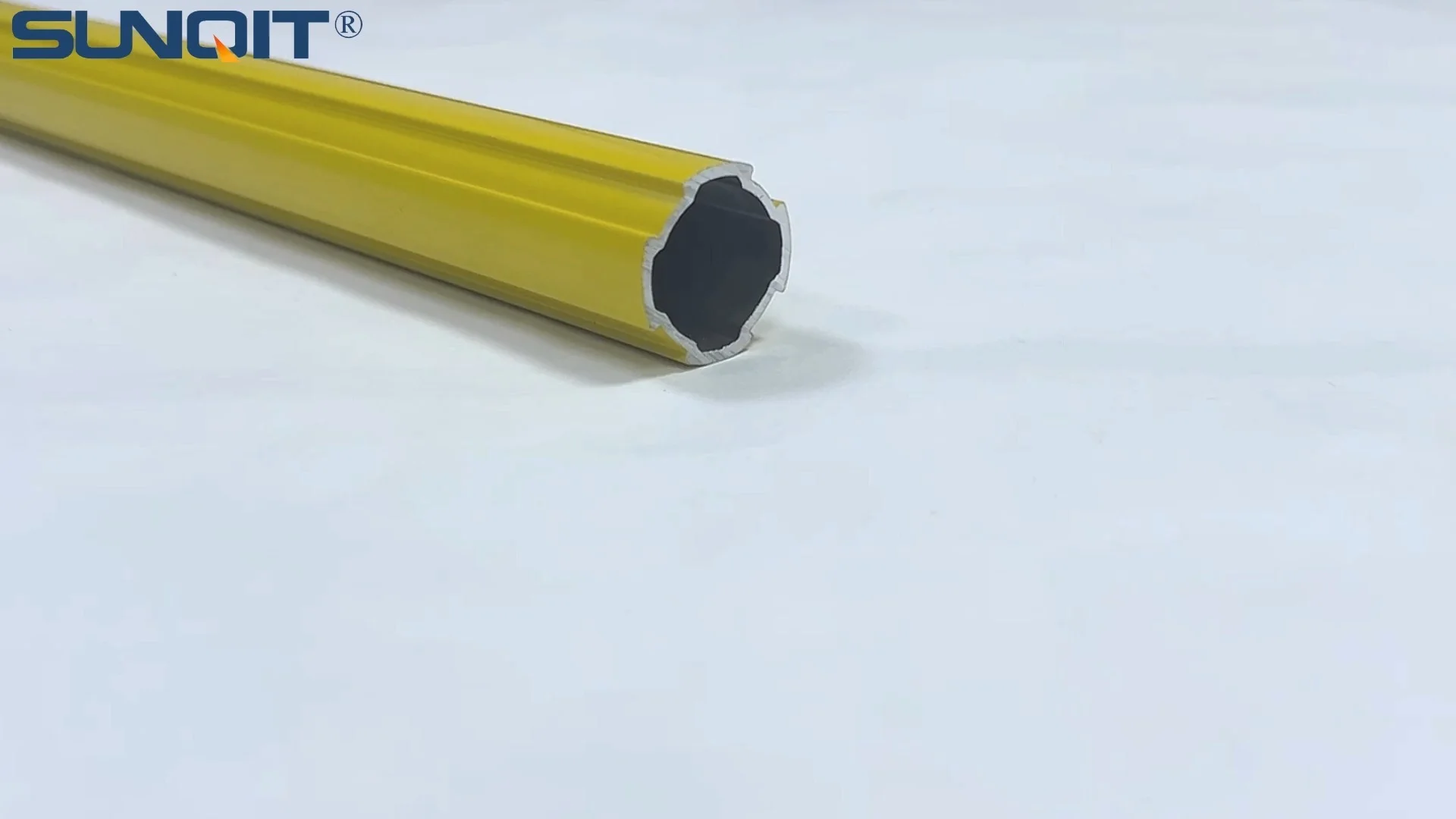
Exploring the heart of efficient production lines—where material choice meets lean principles
Walk into any thriving manufacturing facility today, and you'll notice something beyond the hum of machines and the rhythm of assembly lines: lean principles in action. From neatly organized workbenches labeled with 5S markers to conveyors that glide materials exactly where they're needed, lean manufacturing isn't just a buzzword—it's the backbone of operational excellence. But here's the thing: even the best lean strategies can stumble if built on the wrong foundation. That's where the choice between T Slot Aluminum Pipe and Steel becomes more than a material decision; it's a choice about flexibility, efficiency, and the ability to adapt when production demands shift.
For decades, steel has been the workhorse of factory floors. Its strength and affordability made it a go-to for everything from heavy-duty workbenches to rugged turnover trolleys. But in recent years, T Slot Aluminum Pipe—with its sleek profiles, modular design, and lightweight agility—has emerged as a formidable contender. So, which one truly aligns with the core of lean: minimizing waste, maximizing value, and keeping pace with the ever-changing needs of modern production?
Lean Manufacturing: Where Material Meets Method
Before diving into metal specifics, let's ground ourselves in what lean manufacturing really demands. At its core, lean is about creating more value with less work. It's about stripping away unnecessary steps, reducing downtime, and designing systems that can pivot quickly. Think of it as a dance—every component, every tool, every material must move in harmony to keep the production flow smooth and waste-free.
Key lean principles like just-in-time (JIT) production and continuous improvement (Kaizen) rely heavily on how adaptable your workspace is. If your assembly line needs to reconfigure for a new product line next month, can your workbenches and racks keep up? If a sudden surge in demand requires adding a third shift, can your material handling systems handle the extra load without breaking a sweat? These are the questions that make material selection critical.
Let's break it down: A typical lean facility relies on structures like flow racks to move parts efficiently, workbenches tailored to specific tasks, and conveyors that bridge gaps in the value stream. The materials used to build these structures directly impact three lean pillars: flexibility (how easy it is to adjust layouts), durability (how long they last without frequent replacement), and mobility (how quickly they can be repositioned). Both T Slot Aluminum Pipe and Steel have their strengths here—but they shine in very different scenarios.
T Slot Aluminum Pipe: The Lightweight Innovator
If lean manufacturing had a "spirit animal," it might just be T Slot Aluminum Pipe. Born from the precision of aluminum extrusion profiles, this material is all about modularity . Imagine aluminum pipes with a T-shaped groove running along their length—these slots allow for quick attachment of accessories like brackets, shelves, and rollers using nothing more than a hex key. No welding, no drilling, no waiting for a maintenance crew to reconfigure your setup. That's the magic of T Slot Aluminum: it turns your production floor into a puzzle where you can rearrange the pieces in hours, not days.
Take aluminum profile accessories , for example. From simple end caps that protect workers from sharp edges to complex 90° aluminum profile connectors that let you build angles on the fly, these small components are the unsung heroes of flexibility. A manufacturer producing smartphones, for instance, might use an aluminum workbench A with adjustable height and integrated tool holders one month, then retool the same bench with a new set of brackets and a conveyor attachment the next month to assemble tablets. That's lean in action—no wasted resources on new equipment, just a quick swap of accessories.
But aluminum's benefits go beyond adaptability. Its lightweight nature (about 1/3 the weight of steel) makes mobility a breeze. A material rack B (3 row and 3 floor) built with aluminum can be moved by two workers instead of four, slashing setup time during line reconfigurations. And let's talk about corrosion resistance: unlike steel, aluminum naturally forms a protective oxide layer, making it ideal for environments where moisture or chemicals are present—think food processing or electronics manufacturing, where ESD workstations demand clean, rust-free surfaces.
Sustainability is another feather in aluminum's cap. Lean isn't just about efficiency—it's about respecting resources. Aluminum is 100% recyclable, and recycling it uses just 5% of the energy required to produce new aluminum. For companies aiming to reduce their carbon footprint (a key part of modern lean's "green" evolution), this is a significant win.
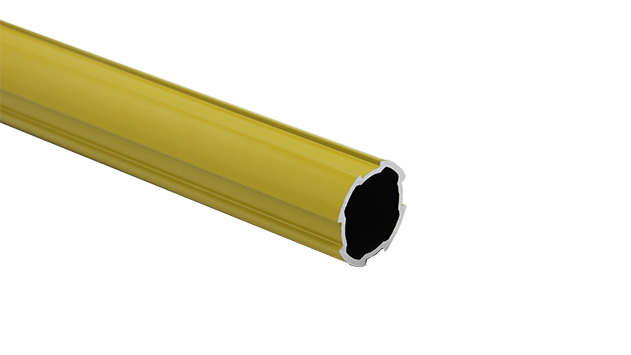
Steel Pipe Series: The Heavy-Duty Reliant
If T Slot Aluminum is the nimble innovator, Steel Pipe Series is the steadfast veteran. For decades, stainless steel pipe series and carbon steel pipes have been the backbone of manufacturing, prized for their raw strength and ability to handle heavy loads. When you're moving 500-pound engine blocks or stacking pallets of industrial parts, steel doesn't flinch—it's the material you trust when "good enough" just isn't an option.
Steel's greatest asset is its tensile strength. A steel workbench can support hundreds of pounds of tools and materials without bending, making it ideal for heavy assembly tasks. Think of automotive factories, where workers stand at steel workbenches for hours, tightening bolts on car frames—steel's rigidity ensures the bench stays stable, reducing fatigue and improving precision. Similarly, turnover trolley and rack systems built with steel can haul heavy components across the factory floor day in and day out, their robust casters (and caster accessories) gliding smoothly even under strain.
Cost is another area where steel often has the upper hand—at least initially. Raw steel is generally cheaper than aluminum, and for facilities with static production lines (think long-term manufacturing of the same product), the lower upfront cost can be appealing. Plus, steel's durability means less frequent replacement of parts like joints and connectors, which can offset maintenance costs over time—though it's worth noting that steel is prone to rust if not properly coated, which adds a layer of upkeep (like painting or galvanizing) that aluminum avoids.
But here's the tradeoff: steel is heavy. A steel flow rack might require a forklift to reposition, which eats into lean's "no waiting" mantra. And while steel can be welded or bolted into custom shapes, modifying a steel structure often means bringing in a welder or cutting tools—slower, messier, and less adaptable than aluminum's plug-and-play T-slot system. For facilities that rarely change their layout, this might not matter. But for those embracing agile manufacturing, it's a bottleneck waiting to happen.

Head-to-Head: Which Material Drives Leaner Results?
To truly see which material aligns with lean goals, let's put them side by side. Below is a breakdown of key factors that matter most in lean manufacturing—from cost to flexibility to sustainability.
| Factor | T Slot Aluminum Pipe | Steel Pipe Series |
|---|---|---|
| Initial Cost | Higher upfront (aluminum is pricier per pound) | Lower upfront (steel is more affordable initially) |
| Long-Term Cost | Lower (no rust, minimal maintenance, recyclable) | Higher (potential rust, coating/repairs needed) |
| Weight & Mobility | Lightweight (easily moved by hand; supports lean mobility) | Heavy (often requires equipment to reposition; slower changes) |
| Flexibility & Modularity | Exceptional (T-slot design + accessories = quick reconfigurations) | Limited (requires welding/bolting; slower, less adaptable) |
| Durability | Good for medium loads; corrosion-resistant | Excellent for heavy loads; prone to rust (without coating) |
| Sustainability | Highly recyclable; low energy for recycling | Recyclable but higher energy use in production/recycling |
| Ideal Applications | Agile production lines, workbenches, light-to-medium flow racks, cleanrooms | Heavy-duty assembly, static storage, high-load material handling |
The table tells a clear story: T Slot Aluminum Pipe excels where lean needs flexibility and adaptability, while Steel Pipe Series dominates in heavy-load, static environments. But real-world manufacturing is rarely black and white. Many facilities find success in a hybrid approach—using aluminum for workbenches and mobile carts, and steel for fixed storage racks or heavy-duty conveyors. It's about matching the material to the specific lean challenge at hand.

Real-World Lean: When Aluminum Transformed a Production Line
Let's step into the shoes of a mid-sized electronics manufacturer we'll call "TechFlow." A few years back, TechFlow was struggling with their lean goals. Their production line for smartwatches was built with steel workbenches and fixed steel flow racks. When a new model launched, reconfiguring the line took 3 days—workers had to disassemble the steel structures, weld new brackets, and repaint to prevent rust. During those 3 days, production ground to a halt, and missed deadlines piled up.
Then, they switched to T Slot Aluminum Pipe. They replaced their steel workbenches with aluminum workbench E (single deck-without caster) and swapped steel flow racks for aluminum material rack B. The results? A line reconfiguration that once took 3 days now takes 8 hours. Why? Because the T-slot aluminum profiles let workers attach new shelves, tool holders, and roller tracks (using roller track placon mount for aluminum profile flat accessories) in minutes. No welding, no paint, no downtime. TechFlow's on-time delivery rate jumped by 22%, and their 5S audits scores improved—all because their material choice finally matched their lean ambitions.
Of course, aluminum isn't a silver bullet. A heavy machinery manufacturer might scoff at aluminum's load limits—and rightfully so. For them, steel's strength is non-negotiable. But for companies like TechFlow, where agility is everything, aluminum isn't just a material—it's a lean enabler.
The Lean Verdict: It's About Your Unique Flow
At the end of the day, choosing between T Slot Aluminum Pipe and Steel Pipe Series isn't about picking a "winner"—it's about picking what works for your value stream. If your production line changes monthly, if mobility and quick reconfigurations are critical, or if you operate in a clean or corrosive environment, aluminum is likely your lean ally. Its modularity, lightweight design, and low maintenance align perfectly with the "adapt or die" pace of modern manufacturing.
But if your facility handles ultra-heavy loads, if your layout rarely changes, or if upfront cost is your top priority, steel still has a place. Just remember: lean is about the long game. What saves you money today might cost you in downtime tomorrow.
So, take a walk through your production floor. Look at your workbenches, your flow racks, your conveyors. Ask: Do these materials help us move faster, waste less, and adapt quicker? If the answer is no, maybe it's time to consider a change. After all, lean manufacturing isn't just about the processes—it's about building a foundation that lets those processes thrive. And sometimes, that foundation starts with the right pipe.