- Company Articles
- Products and Technology
- Product knowledge
- T Slot Aluminum Pipe vs. Traditional Lean Pipe with Board Holder: Performance Comparison

T Slot Aluminum Pipe vs. Traditional Lean Pipe with Board Holder: Performance Comparison
Related Product
T Slot Aluminum Pipe
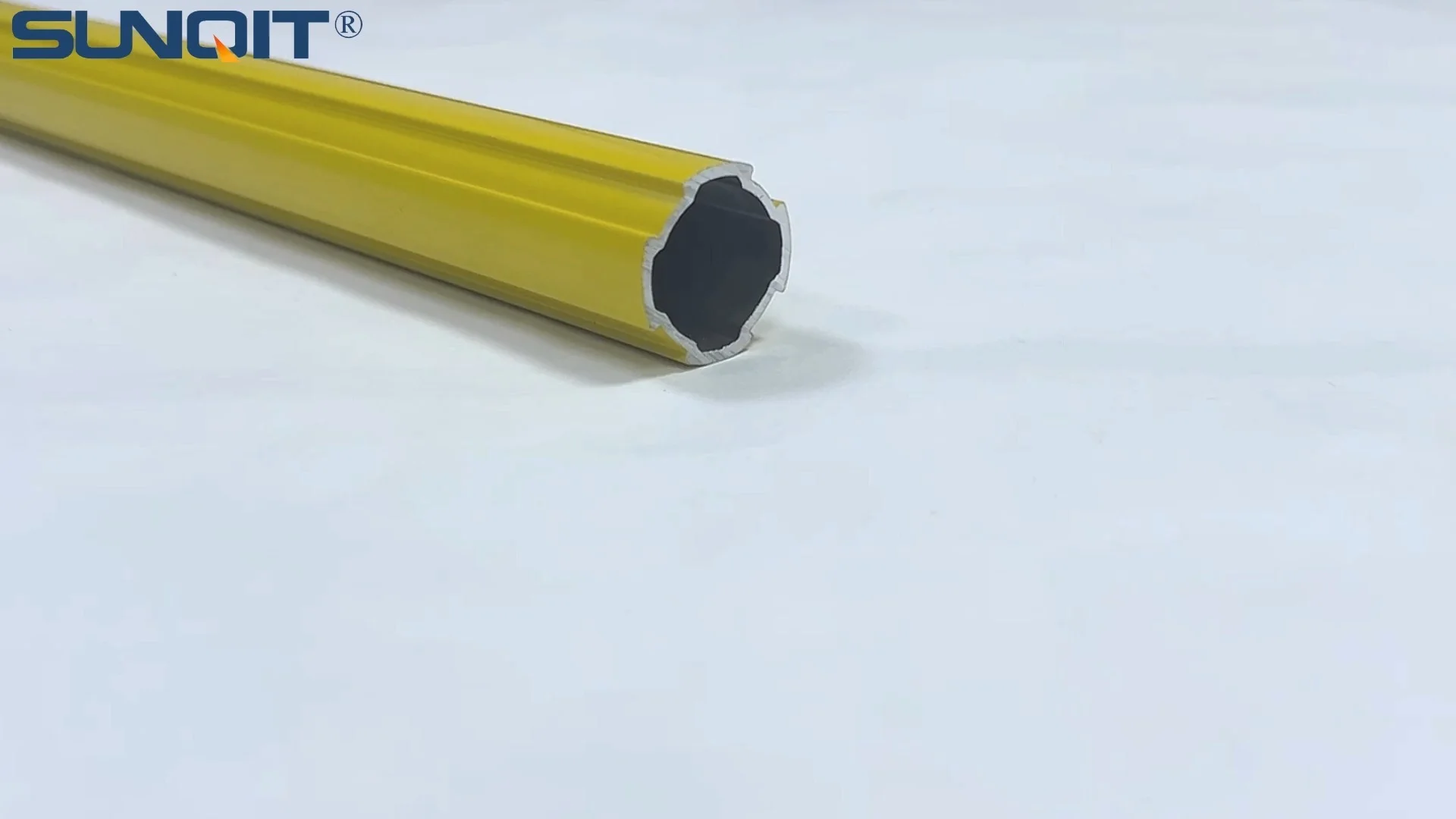
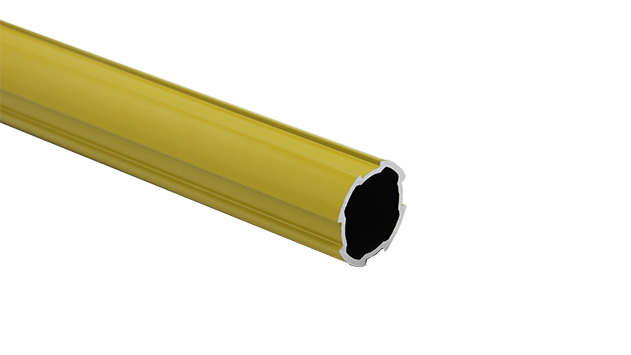
Aluminum pipe, it is used for workbench, flow rack,hand trolley assemble work with advantage of flexible and durable, yellow color makes it more attactive as a caution remind.
Walk into any manufacturing facility, and you'll notice one thing immediately: the backbone of the operation isn't just the machines—it's the infrastructure that holds everything together. Workbenches where assemblies come to life, flow racks that keep parts moving, roller tracks that ensure smooth material handling—these are the unsung heroes of productivity. But here's the catch: not all infrastructure is created equal. For decades, traditional lean pipe (often called "flexible pipe" or "PE-coated pipe") has been the go-to choice for building these setups. But in recent years, a new contender has emerged: T-slot aluminum pipe, part of the broader aluminum profile family. So, which one should you choose for your lean system? Let's dive in.
The Old Reliable: Traditional Lean Pipe
First, let's talk about the veteran in the room: traditional lean pipe. If you've worked in manufacturing, you've probably seen it—those silver or black pipes with a plastic coating, connected by metal joints, forming everything from simple workbenches to complex flow racks. Born from the principles of lean manufacturing, this system was designed to be affordable, easy to assemble, and adaptable. Early adopters loved it because it allowed them to build custom setups without welding or heavy tools. Need a new turnover trolley? Grab some pipes, joints, and a few casters, and you could have it ready by lunch.
Traditional lean pipe is typically made of steel, coated with polyethylene (PE) to prevent corrosion and add a bit of grip. The joints are usually zinc-plated steel, clamping onto the pipes with set screws. It's a simple system, and that simplicity is its biggest strength. For small to medium-sized operations, or for teams on a tight budget, it checks a lot of boxes. But as manufacturing demands have evolved—faster production cycles, heavier loads, stricter ESD (electrostatic discharge) requirements—some of its limitations have started to show.
Take Maria, for example. She's a production manager at a mid-sized electronics plant in Texas. A few years back, her team relied heavily on traditional lean pipe workbenches. "They were great at first," she told me. "We could adjust the height, add shelves—no problem. But after about a year, the PE coating started chipping where the joints clamped down. And when we tried to move a heavier flow rack we'd built, the pipes bent under the weight. We had to reinforce it with extra brackets, which made it clunky. Plus, cleaning them was a hassle—the chipped coating trapped dust, and we were worried about ESD since the steel underneath could conduct static." Maria's story isn't unique. Traditional lean pipe, while versatile, often struggles with durability, load capacity, and compatibility with modern manufacturing needs.
The New Contender: T-Slot Aluminum Pipe
Enter T-slot aluminum pipe, a product of advances in aluminum extrusion technology. Unlike traditional lean pipe, which is a round steel tube with a coating, T-slot aluminum pipe—part of the aluminum profile family—is extruded aluminum, shaped with longitudinal T-slots along its length. These slots are game-changers. Instead of relying on clamp-on joints, you can slide accessories directly into the slots: brackets, shelves, roller track guides, even ESD-safe panels. It's like building with Legos, but for adults who need their creations to hold hundreds of pounds.
Aluminum profile systems have been around for a while, used in everything from automotive assembly lines to office furniture. But their adoption in lean manufacturing has accelerated as companies realize their potential. "We switched to aluminum profile workbenches last year, and it's been night and day," says Raj, a facilities engineer at an automotive parts supplier in Michigan. "The T-slots mean we can attach tools, monitors, and bin holders exactly where we need them—no drilling, no welding. And the aluminum is so much sturdier. We've got a material rack B (3 row and 3 floor) that holds 500 lbs per shelf, and it doesn't budge. Plus, it looks professional. Clients visit our floor, and they comment on how clean and modern everything looks compared to the old pipe setups."
What makes T-slot aluminum pipe stand out? For starters, aluminum is naturally corrosion-resistant, so it holds up better in humid or dusty environments. The extrusion process creates a consistent, high-strength structure—no weak points from welding or coating chips. And the T-slots eliminate the need for specialized joints; instead, you use standard aluminum profile accessories like end caps, hinges, and brackets, which are widely available from suppliers. It's a system built for adaptability, but without sacrificing strength.
Side-by-Side: Performance Comparison
To really understand how these two systems stack up, let's compare them head-to-head. We'll look at key factors like durability, flexibility, load capacity, cost, and more—because when you're investing in your lean system, every detail matters.
| Feature | Traditional Lean Pipe | T-Slot Aluminum Pipe |
|---|---|---|
| Material | Steel core with PE coating | Extruded aluminum alloy (typically 6063-T5) |
| Load Capacity | Medium (up to ~300 lbs per linear foot for 1.5mm wall thickness) | High (up to ~600 lbs per linear foot for 2.0mm wall thickness) |
| Durability | PE coating prone to chipping; steel core can rust if exposed | Corrosion-resistant aluminum; no coating to chip; scratch-resistant |
| Flexibility & Adjustability | Good (joints can be loosened/tightened to reposition); limited by joint placement | Excellent (T-slots allow accessories to be added/removed anywhere along the pipe; no need to align with joints) |
| Installation Time | Moderate (requires tools to tighten joints; may need cutting pipes to length) | Fast (tool-less assembly with T-slot nuts; pre-cut lengths available) |
| Maintenance | Regular cleaning to prevent dust buildup in chipped coating; occasional repainting/ recoating | Minimal (wipe clean with a damp cloth; no coating to maintain) |
| ESD Compatibility | Possible with ESD-rated PE coating, but risky if coating chips (exposes conductive steel) | Excellent (aluminum is conductive; can be grounded easily for ESD workbenches) |
| Cost (Initial) | Lower ($2–$5 per linear foot for pipe; $1–$3 per joint) | Higher ($5–$10 per linear foot for pipe; $3–$8 per accessory) |
| Cost (Long-Term) | Higher (replacement due to wear/ corrosion; frequent adjustments) | Lower (durable, minimal replacement; fewer adjustments needed) |
| Aesthetics | Functional but utilitarian; chipped coating can look unprofessional | Sleek, modern appearance; available in anodized finishes (silver, black, etc.) |

Real-World Impact: Case Studies
Case Study 1: Automotive Plant Upgrades to Aluminum Profile for Heavy-Duty Racks
A leading automotive parts manufacturer in Ohio was struggling with their traditional lean pipe material racks. "We were storing engine components that weigh about 400 lbs each," explains James, their lean coordinator. "The old steel pipe racks kept sagging in the middle, even with cross-bracing. We had to replace the pipes every 6–8 months because the PE coating chipped, and the steel started rusting from the shop's humidity. It was costing us time and money in replacements and downtime."
They switched to T-slot aluminum pipe (specifically, 40mm x 40mm aluminum profile with 2.0mm walls) for their material rack B (3 row and 3 floor) setups. "The difference was night and day," James says. "The aluminum racks handle the 400 lbs components without a bend. We've had them for over two years now, and they still look brand new. The T-slots let us add dividers and label holders easily, so parts are organized better. And since aluminum doesn't rust, we don't have to worry about contamination from rust flakes on our parts. The initial cost was higher, but we've already saved money by not replacing pipes, and our team loves how sturdy the racks feel."
Case Study 2: Electronics Manufacturer Solves ESD Issues with Aluminum Workbenches
Over in California, a medical device manufacturer was facing ESD problems with their traditional lean pipe workbenches. "We assemble circuit boards that are sensitive to static," says Lisa, their quality control manager. "The PE coating on our old workbenches was supposed to be ESD-safe, but after a few months of use, the coating chipped where the joints clamped down. The exposed steel was conductive, and we started seeing static damage on our boards—costing us thousands in scrap."
They replaced the workbenches with T-slot aluminum workbench E (single deck-without caster) models. "Aluminum is naturally conductive, so we grounded the frames directly to our ESD flooring," Lisa explains. "No more chipping coating, no more static spikes. The T-slots let us mount ESD-safe mats, tool holders, and even small conveyor belts right into the bench. Our operators say the workbenches are more stable, too—no wobbling when they're using torque tools. It's been a game-changer for our quality rates."

Choosing the Right System for Your Needs
So, which system is right for you? It depends on your specific situation. Let's break down the key factors to consider:
1. Load Requirements
If you're dealing with light to medium loads (e.g., small parts, tools), traditional lean pipe might still work. But if you need to support heavy items—think automotive components, industrial machinery parts, or bulk material—T-slot aluminum pipe is the safer bet. Its higher load capacity means fewer reinforcements and less risk of failure.
2. Environment
Humid, dusty, or corrosive environments (like food processing or chemical plants) are tough on traditional lean pipe. The PE coating can degrade, and steel rusts. Aluminum, being naturally corrosion-resistant, thrives here. Similarly, cleanrooms or electronics facilities benefit from aluminum's smooth, easy-to-clean surface and ESD compatibility.
3. Longevity & Maintenance
If you're looking for a system that will last 5+ years with minimal upkeep, aluminum is worth the investment. Traditional lean pipe may need pipe replacements every 2–3 years in high-use areas, adding to long-term costs. Aluminum, with its scratch and corrosion resistance, stays functional and attractive for longer.
4. Flexibility Needs
Both systems are flexible, but T-slot aluminum takes it a step further. With traditional pipe, you're limited to where the joints are placed. With T-slots, you can add or move accessories (shelves, bins, roller track) anywhere along the pipe—no need to disassemble the entire structure. This is a huge win for facilities with frequent layout changes (e.g., seasonal products, custom orders).
5. Budget
Traditional lean pipe has a lower upfront cost, which is appealing for startups or temporary setups. But if you plan to keep the system long-term, aluminum's durability and lower maintenance costs often make it the more cost-effective choice. Think of it as an investment: higher initial spend, but better ROI over time.
The Future of Lean Systems
As manufacturing continues to evolve—toward smarter factories, faster production, and higher quality standards—the demand for robust, adaptable infrastructure will only grow. Traditional lean pipe will always have a place in certain applications, but T-slot aluminum pipe is quickly becoming the gold standard for forward-thinking operations. Its combination of strength, flexibility, and durability aligns perfectly with the needs of modern lean manufacturing.
Whether you're building a new workbench, revamping your flow racks, or designing a custom roller track system, the choice between traditional lean pipe and T-slot aluminum pipe isn't just about pipes—it's about investing in your team's productivity, your product's quality, and your company's future. So take a look at your current setup. Are your workbenches wobbling? Are your flow racks sagging? Are you spending too much time on maintenance? Maybe it's time to make the switch.
After all, in lean manufacturing, every detail counts. And when it comes to the backbone of your operation, you deserve a system that works as hard as your team does.