- Company Articles
- Products and Technology
- Product knowledge
- T Slot Aluminum Pipe vs Wood: Which is Better for Temporary Structures?

T Slot Aluminum Pipe vs Wood: Which is Better for Temporary Structures?
Related Product
T Slot Aluminum Pipe
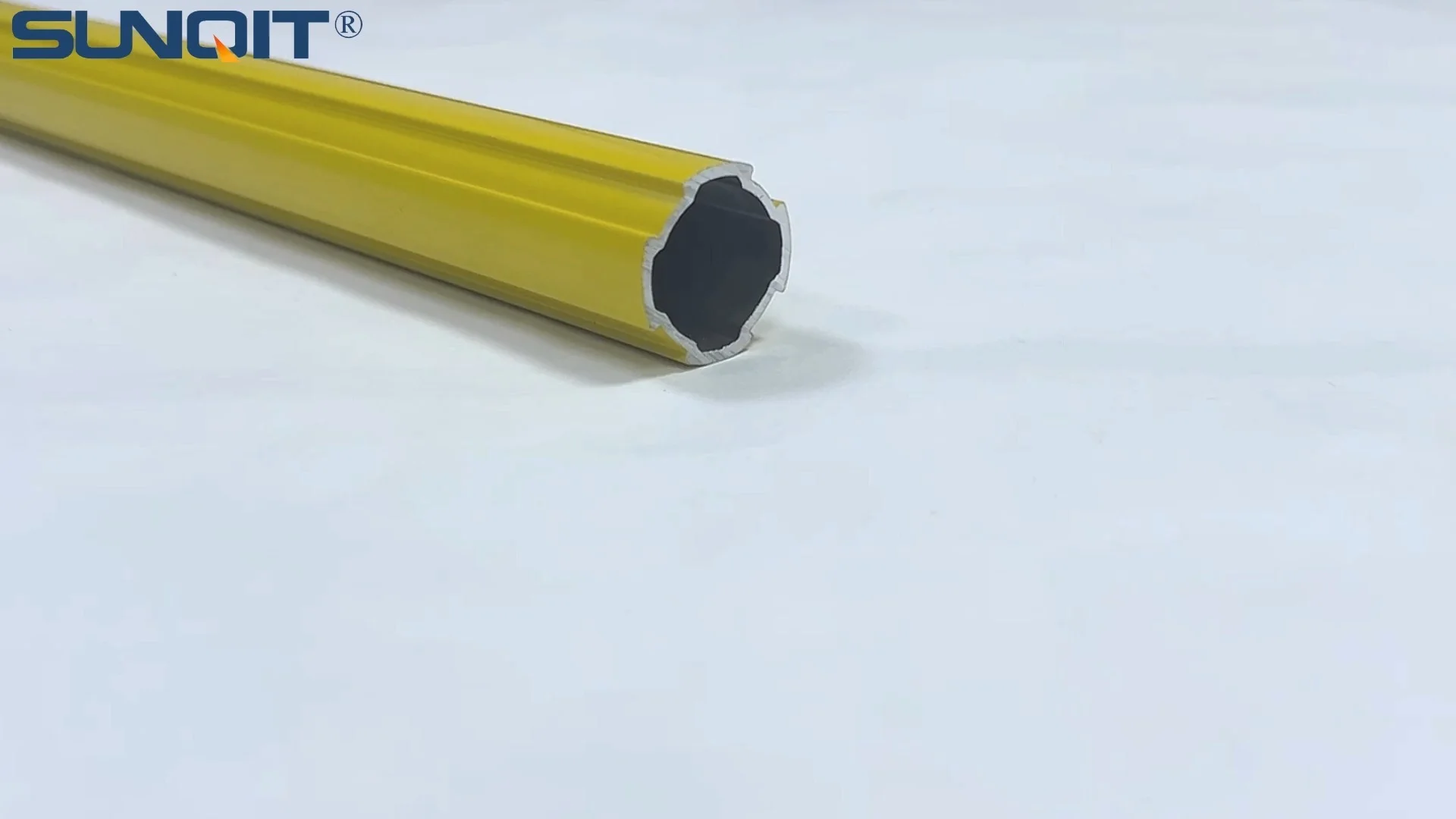
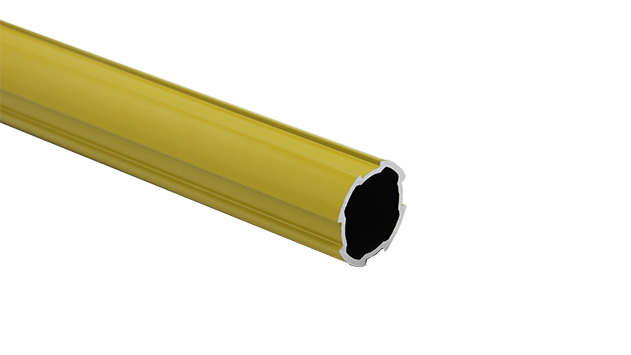
Aluminum pipe, it is used for workbench, flow rack,hand trolley assemble work with advantage of flexible and durable, yellow color makes it more attactive as a caution remind.
Temporary structures are the unsung heroes of modern life. They're the garage workshops where weekend DIYers tinker, the pop-up event booths that bring markets to life, the office partitions that adapt to shifting teams, and the storage racks that keep cluttered spaces organized. But here's the thing: not all materials are created equal when it comes to building these hardworking setups. For decades, wood has been the go-to—familiar, affordable, and easy to find. But in recent years, T Slot Aluminum Pipe has emerged as a formidable competitor, promising flexibility, durability, and hassle-free assembly. So, which one should you choose for your next temporary project? Let's dive in.
The Case for Wood: Comfortable, but Limited
Wood has been a building staple for centuries, and it's easy to see why. Walk into any hardware store, and you'll find stacks of 2x4s, plywood sheets, and wooden planks—no special orders or waiting required. It's a material we intuitively understand: cut it with a saw, drill a hole, screw it together, and boom—you've got a shelf, a table, or a partition. For small, one-off projects, wood feels approachable, even for beginners. There's a certain satisfaction in working with natural materials, too; the warmth of pine or oak adds a cozy, homemade vibe that's hard to replicate with metal.
But scratch the surface, and wood's flaws start to show—especially when it comes to temporary structures that need to keep up with life's chaos. Let's say you build a wooden workbench in your garage. If your garage isn't climate-controlled, that wood will absorb moisture in the summer, warp in the winter, and maybe even start to rot if there's a leak. Spill a drink on it? You'll be sanding out stains or dealing with water rings. And if you ever want to move that workbench? Good luck—wooden structures are heavy, and the screws or nails holding them together can loosen over time, making disassembly a game of "will this board crack when I pull it?"
T Slot Aluminum Pipe: The New Kid on the Block (But a Quick Learner)
If wood is the reliable but stubborn old friend, T Slot Aluminum Pipe is the adaptable, low-maintenance newcomer. At first glance, it looks simple: lightweight aluminum tubes with a T-shaped groove running along their length. But that groove is where the magic happens. Pair the pipes with aluminum profile accessories —joints, brackets, end caps, and even caster wheels —and suddenly you've got a building system that bends to your needs, not the other way around.
Let's start with durability. Aluminum is naturally resistant to rust, corrosion, and pests—no more worrying about termites munching on your storage rack or rain warping your outdoor event setup. I once helped a friend build a temporary market stall using aluminum pipe and a few plywood shelves. After a summer of rain, wind, and the occasional spilled lemonade, the aluminum frame looked as good as new; the only casualty was a warped wooden shelf (which we replaced with an aluminum panel, naturally). Wood, by contrast, would have needed sealing, staining, or even replacement after that kind of abuse.
Flexibility: The Make-or-Break Factor for Temporary Structures
Temporary structures aren't meant to be permanent—and neither should the materials holding them together. Here's where T Slot Aluminum Pipe really shines: it's designed to be reimagined. Let's say you start with a basic workbench for your home workshop. A few months later, you need more storage, so you disassemble the workbench, add a few extra pipes and shelves, and suddenly it's a tall storage rack. A year after that, you move to a bigger space and need a mobile cart to haul tools around—swap out the fixed feet for caster wheels , and you've got a turnover trolley that glides across the floor. All with the same set of pipes and aluminum profile accessories .
Wood? Not so much. Once you cut a 2x4 to length and screw it into a frame, it's committed. Want to shorten that shelf? You'll need a saw, and you'll end up with a shorter, possibly splintered piece of wood. Need to add a new section? You'll have to drill new holes, which weakens the existing structure, or start from scratch. I've seen too many DIYers abandon perfectly good wooden projects because they outgrew them—all that time and effort, wasted.

Ease of Assembly: No Tools? No Problem (Well, Almost)
Let's be honest: not everyone has a workshop full of power tools. With wood, building even a simple structure requires a saw, a drill, screws, maybe a level, and a healthy dose of patience. Measure twice, cut once—right? But even with careful planning, a miscalculation can ruin a piece of wood, turning your project into a frustrating exercise in trial and error. And if you're not handy with tools? Forget it—wood can feel intimidating, even for small tasks.
T Slot Aluminum Pipe flips the script. Most systems require nothing more than a hex key (or sometimes just your hands) to tighten joints into the T-slot grooves. No cutting, no drilling, no splinters. I tested this once with my 12-year-old nephew, who wanted to build a shelf for his Lego collection. We unboxed the pipes, joints, and a small level, and in under an hour, he had a sturdy, 3-tier shelf. The secret? The aluminum profile accessories —like corner joints and T-connectors—snap into the slots and lock into place with a twist. Even if he'd messed up the first try, we could have pulled the joints apart and started over without wasting a single piece.

Cost: The Upfront vs. Long-Term Debate
Okay, let's talk money. Wood is cheap upfront. A 2x4 costs a few dollars, and a sheet of plywood isn't much more. Aluminum pipe? It'll set you back more initially—maybe 2-3 times the cost of wood for the same length. But here's the catch: temporary structures rarely stay temporary. That "quick" wooden shelf you build today might need to be replaced in 2 years when it warps. The aluminum one? It could last a decade or more, even with heavy use. Suddenly, that higher upfront cost starts to look like an investment.
And let's not forget the hidden costs of wood: sandpaper, screws, wood glue, stain, and sealant. If you don't own tools, you'll need to rent or buy a saw, drill, and measuring tools. With aluminum, the only extras you'll need are the aluminum profile accessories (joints, casters, etc.), which are reusable across projects. Over time, aluminum pays for itself by eliminating replacement costs and tool expenses.
By the Numbers: A Side-by-Side Comparison
| Feature | T Slot Aluminum Pipe | Wood |
|---|---|---|
| Durability | Resistant to rust, moisture, and pests; lasts 10+ years | Prone to warping, rotting, and staining; needs replacement every 2-5 years |
| Flexibility | Reconfigurable with aluminum profile accessories ; easy to disassemble and repurpose | Permanent once built; modifications require cutting/drilling and weaken structure |
| Assembly Difficulty | Tool-free or minimal tools (hex key); no cutting required | Requires saw, drill, screws; precise measuring needed |
| Weight | Lightweight (easy to move, even with caster wheels ) | Heavy; hard to relocate without disassembly |
| Maintenance | Wipe clean with a damp cloth; no sealing or staining | Needs sanding, staining, and sealing; prone to scratches/dents |
| Best For | Long-term temporary structures, mobile setups ( turnover trolley and rack ), humid/outdoor use | Short-term, low-use projects, decorative setups, or tight budgets |
Real-World Wins: When Aluminum Outshines Wood
Still on the fence? Let's look at a few real-life scenarios where T Slot Aluminum Pipe proved its worth.
Scenario 1: The Small Business Owner – Maria runs a boutique bakery and needed a temporary display rack for weekend farmers' markets. She started with wood, but after a few rainy weekends, the shelves warped, and the paint peeled. She switched to aluminum pipe and aluminum profile accessories : now, she disassembles the rack in 10 minutes, loads it into her car, and sets it up at the market in 15. Even when it rains, a quick wipe with a towel is all it needs. "I used to dread market prep," she told me. "Now, it's just part of the routine."
Scenario 2: The Home Garage Guru – Tom, a hobbyist mechanic, wanted a workbench that could grow with his tools. He built a wooden one first, but when he added a vice and a tool chest, the legs started to bow. With aluminum pipe, he built a sturdier bench, then added a shelf above it using leftover pipes. A year later, he needed more floor space, so he removed the shelf, added caster wheels , and turned the bench into a mobile cart. "I've rearranged my garage three times, and the aluminum bench just adapts," he said. "Wood would have been firewood by now."
The Verdict: Aluminum for the Win (Most of the Time)
Don't get me wrong—wood has its place. If you need a quick, cheap structure for a single event (like a backyard party photo booth) and don't care if it gets damaged, wood works. And if you love the look of natural wood and plan to keep your project indoors and low-use, go for it. But for most temporary structures—those that need to last, adapt, and stand up to life's messiness— T Slot Aluminum Pipe is the smarter choice.
It's durable enough to handle rain, humidity, and heavy use. It's flexible enough to grow with your needs, whether you're building a workbench , a turnover trolley and rack , or a pop-up display. It's easy to assemble, even if you're not a DIY pro. And while it costs more upfront, it saves you time, money, and frustration in the long run.
So, the next time you're gearing up to build something temporary, ask yourself: Do I want something that works for me, or something I'll be fixing (or replacing) six months from now? If it's the former, grab some T Slot Aluminum Pipe and aluminum profile accessories —your future self will thank you.