- Company Articles
- Products and Technology
- Product knowledge
- T Slot Aluminum Pipe Wall Thickness: Choosing Based on Application

T Slot Aluminum Pipe Wall Thickness: Choosing Based on Application
Related Product
T Slot Aluminum Pipe
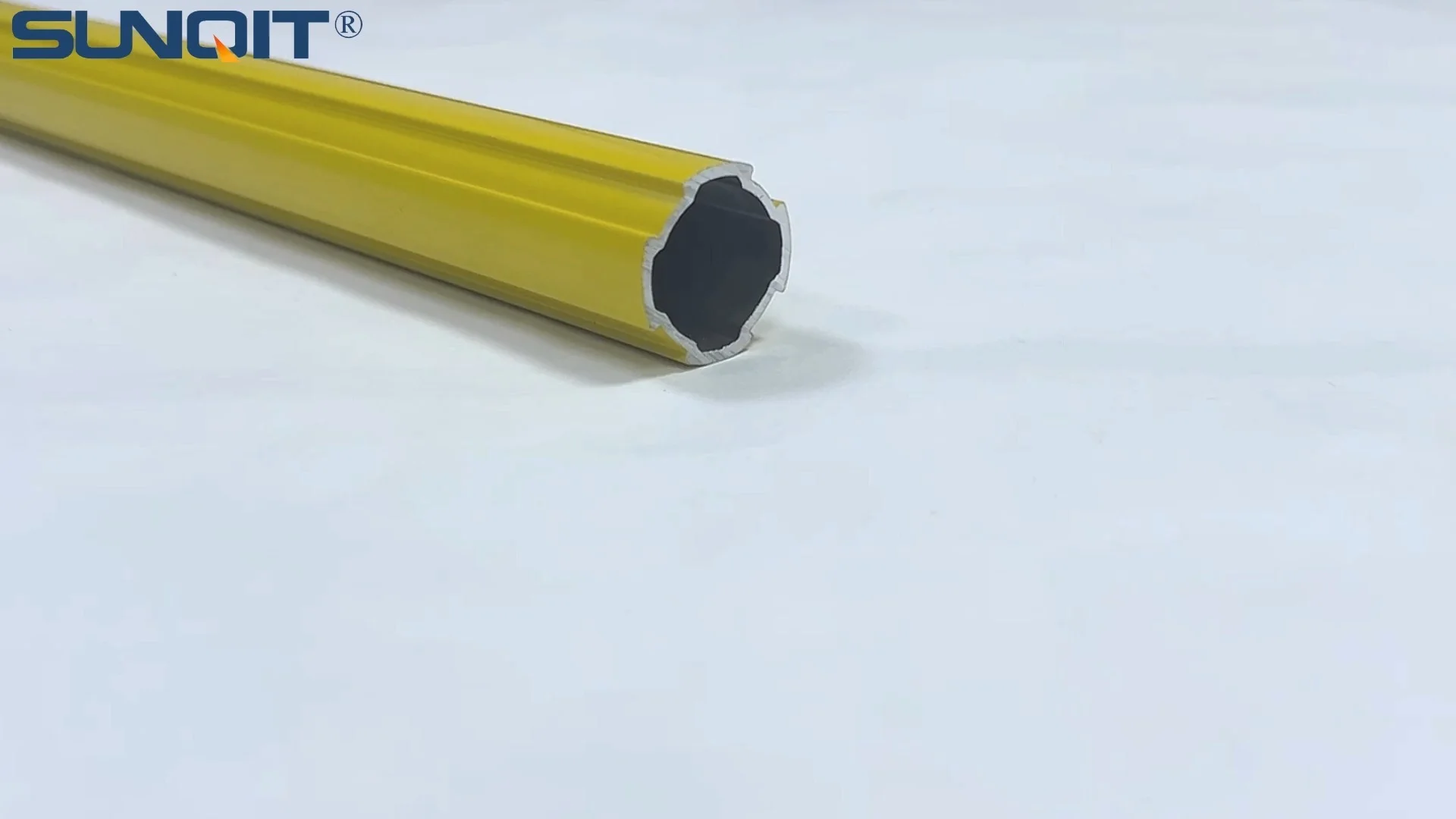
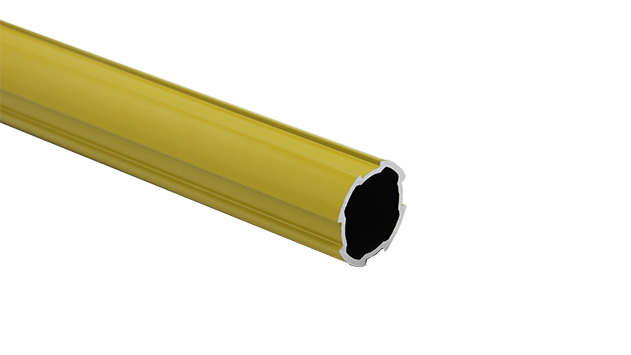
Aluminum pipe, it is used for workbench, flow rack,hand trolley assemble work with advantage of flexible and durable, yellow color makes it more attactive as a caution remind.
Walk into any modern factory, workshop, or even a tech startup's prototyping lab, and you'll likely spot a familiar sight: sleek, modular structures built from aluminum pipes with T-shaped slots running along their length. These are
T slot aluminum pipes
—the unsung heroes of flexible manufacturing, assembly, and storage. From workbenches where intricate electronics are assembled to material racks that keep production lines organized, these pipes form the backbone of countless industrial and commercial setups. But here's the thing: not all T slot aluminum pipes are created equal. One of the most critical decisions you'll make when designing with them? Choosing the right wall thickness.
Wall thickness isn't just a number on a spec sheet. It's the difference between a workbench that wobbles under a technician's weight and one that stays rock-solid for years. It's what determines if a material rack can safely hold stacked boxes of components or if it'll sag under pressure. And yes, it even impacts your budget—thicker walls mean more material, which means higher costs, but skimping on thickness can lead to costly replacements or safety risks down the line.
In this guide, we'll break down everything you need to know about T slot aluminum pipe wall thickness: why it matters, how to choose it based on your specific application, and real-world examples to illustrate key points. Whether you're building a lightweight display shelf or a heavy-duty conveyor system, by the end, you'll have the confidence to pick the perfect thickness for the job.
Wall thickness isn't just a number on a spec sheet. It's the difference between a workbench that wobbles under a technician's weight and one that stays rock-solid for years. It's what determines if a material rack can safely hold stacked boxes of components or if it'll sag under pressure. And yes, it even impacts your budget—thicker walls mean more material, which means higher costs, but skimping on thickness can lead to costly replacements or safety risks down the line.
In this guide, we'll break down everything you need to know about T slot aluminum pipe wall thickness: why it matters, how to choose it based on your specific application, and real-world examples to illustrate key points. Whether you're building a lightweight display shelf or a heavy-duty conveyor system, by the end, you'll have the confidence to pick the perfect thickness for the job.
Understanding T Slot Aluminum Pipes: More Than Just Metal Tubes
Before diving into wall thickness, let's get clear on what T slot aluminum pipes are and why they've become so popular. At their core, these are extruded aluminum profiles (there's that
aluminum profile
term you might have heard) designed with a continuous T-shaped groove along their length. This groove isn't just for show—it's a built-in connection system. Slide in a bracket, bolt, or accessory, tighten a screw, and you've got a secure, tool-free joint. No welding, no drilling, no hassle.
Most T slot aluminum pipes are made from aluminum alloys like 6063 or 6061, chosen for their winning combo of strength, lightweight, and corrosion resistance. Unlike steel, they won't rust in humid environments, and their smooth finish makes them easy to clean—ideal for industries like food processing or electronics manufacturing where hygiene matters.
The versatility of these pipes is unmatched. Want a workbench? Combine pipes with a plywood or aluminum honeycomb panel top. Need a material rack? Add shelves and roller tracks. Building a conveyor? Attach casters and guide rails. And because they're modular, you can reconfigure them as your needs change—no need to start from scratch if your production line expands or your storage requirements shift.
Most T slot aluminum pipes are made from aluminum alloys like 6063 or 6061, chosen for their winning combo of strength, lightweight, and corrosion resistance. Unlike steel, they won't rust in humid environments, and their smooth finish makes them easy to clean—ideal for industries like food processing or electronics manufacturing where hygiene matters.
The versatility of these pipes is unmatched. Want a workbench? Combine pipes with a plywood or aluminum honeycomb panel top. Need a material rack? Add shelves and roller tracks. Building a conveyor? Attach casters and guide rails. And because they're modular, you can reconfigure them as your needs change—no need to start from scratch if your production line expands or your storage requirements shift.
Why Wall Thickness Matters: The Hidden Foundation of Performance
If the T slot design is the "how" of assembly, wall thickness is the "how well." It directly impacts four critical areas:
1. Structural Integrity : Thicker walls mean a stiffer pipe. A pipe with a 2.0mm wall will bend far less under pressure than one with a 0.8mm wall. This stiffness is crucial for structures that need to maintain shape, like a workbench where precision assembly happens. A wobbly surface could lead to misaligned parts or even accidents.
2. Load-Bearing Capacity : How much weight can the pipe support without deforming? Thicker walls distribute weight more evenly, allowing the pipe to handle heavier loads. A 1.5mm wall pipe might safely hold 50kg per linear meter, while a 1.0mm pipe might max out at 30kg. Ignore this, and you risk collapsed shelves or damaged equipment.
3. Weight and Portability : Aluminum is already lighter than steel, but wall thickness adds up. A structure built with 2.0mm pipes will be noticeably heavier than one with 1.0mm pipes. If you need something portable—like a mobile workbench or a turnover trolley—opting for a thinner wall (within load limits) can make moving it by hand feasible.
4. Cost : More aluminum = higher cost. Thicker walls require more material to extrude, so a 2.0mm pipe will cost more per meter than a 0.8mm one. But here's the catch: buying a pipe that's too thin to handle your needs will cost you more in the long run when you have to replace bent or broken parts. It's a classic case of "pay now or pay later."
1. Structural Integrity : Thicker walls mean a stiffer pipe. A pipe with a 2.0mm wall will bend far less under pressure than one with a 0.8mm wall. This stiffness is crucial for structures that need to maintain shape, like a workbench where precision assembly happens. A wobbly surface could lead to misaligned parts or even accidents.
2. Load-Bearing Capacity : How much weight can the pipe support without deforming? Thicker walls distribute weight more evenly, allowing the pipe to handle heavier loads. A 1.5mm wall pipe might safely hold 50kg per linear meter, while a 1.0mm pipe might max out at 30kg. Ignore this, and you risk collapsed shelves or damaged equipment.
3. Weight and Portability : Aluminum is already lighter than steel, but wall thickness adds up. A structure built with 2.0mm pipes will be noticeably heavier than one with 1.0mm pipes. If you need something portable—like a mobile workbench or a turnover trolley—opting for a thinner wall (within load limits) can make moving it by hand feasible.
4. Cost : More aluminum = higher cost. Thicker walls require more material to extrude, so a 2.0mm pipe will cost more per meter than a 0.8mm one. But here's the catch: buying a pipe that's too thin to handle your needs will cost you more in the long run when you have to replace bent or broken parts. It's a classic case of "pay now or pay later."
Key Factors to Consider When Choosing Wall Thickness
Choosing wall thickness isn't a one-size-fits-all decision. It depends on your unique situation. Here are the top factors to weigh:
1. What Are You Building? (Application Type)
A lightweight display rack for a trade show booth has very different needs than a roller track system that moves heavy automotive parts. Start by defining the structure's purpose: is it a static workbench, a mobile trolley, a vertical storage rack, or a dynamic conveyor? Each has its own stress points.
2. How Much Weight Will It Carry? (Load Requirements)
Be specific here. Static load (weight that sits still, like boxes on a shelf) vs. dynamic load (weight that moves, like parts sliding down a roller track) matter. A pipe supporting 10kg of static weight might be fine with a thin wall, but 10kg bouncing on a moving trolley needs more reinforcement.
3. Where Will It Live? (Environmental Conditions)
Indoor, climate-controlled environments are gentle on aluminum, but outdoor or humid settings (like a warehouse near the coast) might require thicker walls for added durability—though aluminum's natural corrosion resistance helps here. If the structure will be exposed to impacts (think: forklifts in a busy factory), thicker walls can absorb more shock.
4. Will It Need to Move? (Assembly and Portability)
If you're building a material rack B (3 row and 3 floor) that stays in one spot forever, weight is less of an issue. But if you're assembling a workbench that needs to be repositioned weekly, a lighter, thinner-walled pipe will save your back (and your team's morale).
5. What's Your Budget? (Cost vs. Longevity)
Thicker walls cost more upfront, but they last longer and require less maintenance. If your structure is temporary (e.g., a pop-up shop display), a thinner wall might be acceptable. For a permanent production line, investing in thicker walls is often smarter.
1. What Are You Building? (Application Type)
A lightweight display rack for a trade show booth has very different needs than a roller track system that moves heavy automotive parts. Start by defining the structure's purpose: is it a static workbench, a mobile trolley, a vertical storage rack, or a dynamic conveyor? Each has its own stress points.
2. How Much Weight Will It Carry? (Load Requirements)
Be specific here. Static load (weight that sits still, like boxes on a shelf) vs. dynamic load (weight that moves, like parts sliding down a roller track) matter. A pipe supporting 10kg of static weight might be fine with a thin wall, but 10kg bouncing on a moving trolley needs more reinforcement.
3. Where Will It Live? (Environmental Conditions)
Indoor, climate-controlled environments are gentle on aluminum, but outdoor or humid settings (like a warehouse near the coast) might require thicker walls for added durability—though aluminum's natural corrosion resistance helps here. If the structure will be exposed to impacts (think: forklifts in a busy factory), thicker walls can absorb more shock.
4. Will It Need to Move? (Assembly and Portability)
If you're building a material rack B (3 row and 3 floor) that stays in one spot forever, weight is less of an issue. But if you're assembling a workbench that needs to be repositioned weekly, a lighter, thinner-walled pipe will save your back (and your team's morale).
5. What's Your Budget? (Cost vs. Longevity)
Thicker walls cost more upfront, but they last longer and require less maintenance. If your structure is temporary (e.g., a pop-up shop display), a thinner wall might be acceptable. For a permanent production line, investing in thicker walls is often smarter.

Common Wall Thicknesses and Their Typical Uses: A Practical Guide
T slot aluminum pipes come in a range of wall thicknesses, from ultra-thin 0.8mm to heavy-duty 2.0mm and beyond. Let's break down the most common options and when to use them:
0.8mm: The Lightweight Contender
Think of 0.8mm as the "featherweight" of the bunch. It's incredibly lightweight and affordable, making it perfect for temporary structures or light-duty applications. Examples? Small display shelves, temporary partition walls, or hobbyist projects. Just don't push it—0.8mm struggles with loads over 15-20kg per linear meter.
1.0mm: The Versatile All-Rounder
1.0mm hits the sweet spot for many everyday uses. It's strong enough for light-to-medium loads but still lightweight enough for easy assembly. You'll see this thickness in small material racks, desktop organizers, or lightweight roller track systems for moving small parts (like circuit boards or cosmetics). It's also a favorite for DIY enthusiasts building custom storage solutions.
1.2mm: The Workhorse for Workspaces
When you need something sturdier than 1.0mm but don't want to jump to heavy-duty thickness, 1.2mm is your go-to. This is the thickness you'll find in most standard workbench frames—think of the benchtop where technicians assemble smartphones or test equipment. It handles static loads up to 40-50kg per linear meter and can take occasional dynamic stress, like a toolbox being set down firmly.
1.5mm: The Heavy-Duty Reliable
1.5mm steps up to medium-heavy duty. It's the choice for structures that need to stand up to daily abuse: think industrial material rack B (3 row and 3 floor) units holding multiple layers of heavy turnover boxes, or conveyor frames that support motorized belts. It's also common in medical equipment frames, where stability and durability are non-negotiable.
2.0mm: The Industrial Powerhouse
When "overkill" is just "adequate," there's 2.0mm. This thickness is for heavy industry: steel mills, automotive manufacturing lines, or outdoor structures like loading docks. It can handle static loads over 100kg per linear meter and shrug off impacts that would bend thinner pipes. Just be prepared for heavier lifting during assembly!
0.8mm: The Lightweight Contender
Think of 0.8mm as the "featherweight" of the bunch. It's incredibly lightweight and affordable, making it perfect for temporary structures or light-duty applications. Examples? Small display shelves, temporary partition walls, or hobbyist projects. Just don't push it—0.8mm struggles with loads over 15-20kg per linear meter.
1.0mm: The Versatile All-Rounder
1.0mm hits the sweet spot for many everyday uses. It's strong enough for light-to-medium loads but still lightweight enough for easy assembly. You'll see this thickness in small material racks, desktop organizers, or lightweight roller track systems for moving small parts (like circuit boards or cosmetics). It's also a favorite for DIY enthusiasts building custom storage solutions.
1.2mm: The Workhorse for Workspaces
When you need something sturdier than 1.0mm but don't want to jump to heavy-duty thickness, 1.2mm is your go-to. This is the thickness you'll find in most standard workbench frames—think of the benchtop where technicians assemble smartphones or test equipment. It handles static loads up to 40-50kg per linear meter and can take occasional dynamic stress, like a toolbox being set down firmly.
1.5mm: The Heavy-Duty Reliable
1.5mm steps up to medium-heavy duty. It's the choice for structures that need to stand up to daily abuse: think industrial material rack B (3 row and 3 floor) units holding multiple layers of heavy turnover boxes, or conveyor frames that support motorized belts. It's also common in medical equipment frames, where stability and durability are non-negotiable.
2.0mm: The Industrial Powerhouse
When "overkill" is just "adequate," there's 2.0mm. This thickness is for heavy industry: steel mills, automotive manufacturing lines, or outdoor structures like loading docks. It can handle static loads over 100kg per linear meter and shrug off impacts that would bend thinner pipes. Just be prepared for heavier lifting during assembly!

Wall Thickness Comparison Table: At a Glance
To make it easier, here's a quick reference table comparing common wall thicknesses, their capabilities, and best uses:
| Wall Thickness (mm) | Typical Material | Max Static Load (kg/m) | Best For | Common Applications | Key Considerations |
|---|---|---|---|---|---|
| 0.8mm | 6063 Aluminum Alloy | 15-20 | Light, temporary structures | Display shelves, small partition walls, hobby projects | Not for heavy loads or impacts; budget-friendly |
| 1.0mm | 6063 Aluminum Alloy | 25-30 | Light-to-medium duty, portable setups | Small material racks, lightweight roller tracks, desktop organizers | Great balance of weight and strength; easy to assemble |
| 1.2mm | 6063/6061 Aluminum Alloy | 40-50 | Standard workspaces and storage | Workbenches, medium material racks, static shelving | Ideal for daily use in workshops; handles occasional heavy tools |
| 1.5mm | 6061 Aluminum Alloy | 60-80 | Medium-heavy industrial use | Material Rack B (3 row and 3 floor), conveyor frames, medical equipment | Durable for high-traffic areas; resists bending under repeated stress |
| 2.0mm | 6061 Aluminum Alloy | 100+ | Heavy-duty industrial and outdoor use | Heavy conveyor systems, loading docks, outdoor storage racks | Most expensive but longest-lasting; requires tools for assembly |
Application Deep Dive: Real-World Examples
Let's put theory into practice with three common applications. For each, we'll walk through why a specific wall thickness was chosen and what could go wrong if the thickness was off.
Example 1: Workbench E (Single Deck – Without Caster)
A standard workshop workbench like "Workbench E" (single deck, no casters) needs to support tools, materials, and a technician leaning on it. Let's say the top is a 1200mm x 600mm aluminum honeycomb panel, and the frame is made from T slot aluminum pipes. What thickness works here?
A 1.2mm wall thickness is ideal. Why? The workbench is static (no moving parts), so dynamic load is minimal, but it needs to handle 50-60kg of tools and materials on top, plus occasional leaning (another 70-80kg of human weight). 1.2mm provides enough rigidity to prevent wobbling, and it's lightweight enough for two people to assemble without heavy equipment. Go thinner (1.0mm), and the legs might bow under the weight; go thicker (1.5mm), and you're paying extra for strength you don't need.
Example 2: Material Rack B (3 Row and 3 Floor)
"Material Rack B" is a multi-tiered storage solution with 3 rows and 3 floors, designed to hold turnover boxes full of components. Each floor might hold 4-5 boxes, each weighing 10-15kg—so per floor, that's 40-75kg, and with 3 floors, total load could hit 225kg. Add the weight of the shelves and the rack itself, and you're looking at a significant static load.
For this, 1.5mm wall thickness is the way to go. The vertical supports need to handle the cumulative weight of all three floors, and the horizontal beams must prevent sagging. 1.5mm's 60-80kg per linear meter capacity ensures the rack stays stable, even when fully loaded. Thinner walls (1.2mm) might work for lighter boxes, but with 15kg boxes, you risk the beams bending over time, leading to uneven shelves or even collapse.
Example 3: Roller Track for Small Parts
A roller track system moves small parts (like screws, washers, or circuit boards) from one workstation to another. The track itself is a T slot aluminum pipe with plastic or steel rollers mounted in the T slot. The load here is dynamic—parts sliding down the track, occasionally bumping into each other.
1.0mm thickness is perfect here. The track doesn't need to support massive weight (each part might weigh 0.1-0.5kg), but it does need to be lightweight so the rollers can move freely. Thicker walls would add unnecessary weight, making the parts harder to slide, while 1.0mm provides enough strength to keep the track straight without bending. Plus, it's easy to cut and assemble into custom lengths for the production line.
Example 1: Workbench E (Single Deck – Without Caster)
A standard workshop workbench like "Workbench E" (single deck, no casters) needs to support tools, materials, and a technician leaning on it. Let's say the top is a 1200mm x 600mm aluminum honeycomb panel, and the frame is made from T slot aluminum pipes. What thickness works here?
A 1.2mm wall thickness is ideal. Why? The workbench is static (no moving parts), so dynamic load is minimal, but it needs to handle 50-60kg of tools and materials on top, plus occasional leaning (another 70-80kg of human weight). 1.2mm provides enough rigidity to prevent wobbling, and it's lightweight enough for two people to assemble without heavy equipment. Go thinner (1.0mm), and the legs might bow under the weight; go thicker (1.5mm), and you're paying extra for strength you don't need.
Example 2: Material Rack B (3 Row and 3 Floor)
"Material Rack B" is a multi-tiered storage solution with 3 rows and 3 floors, designed to hold turnover boxes full of components. Each floor might hold 4-5 boxes, each weighing 10-15kg—so per floor, that's 40-75kg, and with 3 floors, total load could hit 225kg. Add the weight of the shelves and the rack itself, and you're looking at a significant static load.
For this, 1.5mm wall thickness is the way to go. The vertical supports need to handle the cumulative weight of all three floors, and the horizontal beams must prevent sagging. 1.5mm's 60-80kg per linear meter capacity ensures the rack stays stable, even when fully loaded. Thinner walls (1.2mm) might work for lighter boxes, but with 15kg boxes, you risk the beams bending over time, leading to uneven shelves or even collapse.
Example 3: Roller Track for Small Parts
A roller track system moves small parts (like screws, washers, or circuit boards) from one workstation to another. The track itself is a T slot aluminum pipe with plastic or steel rollers mounted in the T slot. The load here is dynamic—parts sliding down the track, occasionally bumping into each other.
1.0mm thickness is perfect here. The track doesn't need to support massive weight (each part might weigh 0.1-0.5kg), but it does need to be lightweight so the rollers can move freely. Thicker walls would add unnecessary weight, making the parts harder to slide, while 1.0mm provides enough strength to keep the track straight without bending. Plus, it's easy to cut and assemble into custom lengths for the production line.
Aluminum Pipe Accessories: The Unsung Partners in Strength
Wall thickness is critical, but it doesn't work alone. The
aluminum pipe accessories
you pair with your pipes—joints, brackets, casters, and connectors—play a huge role in overall strength. A thick-walled pipe with flimsy joints will still fail; a well-chosen accessory set can even enhance the performance of a moderately thick pipe.
For example, using heavy-duty internal rotary aluminum joints with a 1.2mm pipe can reinforce corners, allowing the structure to handle more load than the pipe alone might support. Similarly, adding gusset brackets (triangular supports) to a workbench frame made with 1.2mm pipes can increase stability, making it feel as solid as a 1.5mm frame at a lower cost.
When choosing accessories, look for ones rated for your pipe's thickness and load capacity. Cheap plastic connectors might work for 0.8mm pipes but will crack under the stress of a 1.5mm pipe supporting heavy loads. Invest in high-quality aluminum or steel accessories—they're a small upcharge that pays off in durability.
For example, using heavy-duty internal rotary aluminum joints with a 1.2mm pipe can reinforce corners, allowing the structure to handle more load than the pipe alone might support. Similarly, adding gusset brackets (triangular supports) to a workbench frame made with 1.2mm pipes can increase stability, making it feel as solid as a 1.5mm frame at a lower cost.
When choosing accessories, look for ones rated for your pipe's thickness and load capacity. Cheap plastic connectors might work for 0.8mm pipes but will crack under the stress of a 1.5mm pipe supporting heavy loads. Invest in high-quality aluminum or steel accessories—they're a small upcharge that pays off in durability.
Final Thoughts: Choosing Confidently
T slot aluminum pipe wall thickness is a balancing act—between strength and weight, cost and longevity, and application needs and practicality. By now, you should have a clear sense of how to approach it: start by defining your application, calculate your load requirements, consider your environment, and then match those to the thickness that fits.
Remember, there's no "best" thickness—only the best thickness for your project. A 1.2mm pipe might be overkill for a display shelf but underpowered for a material rack. And when in doubt, err on the side of slightly thicker walls—replacing a bent pipe is far more frustrating (and expensive) than spending a little extra upfront.
With the right thickness, your T slot aluminum structure will not only meet your needs today but adapt to tomorrow's challenges. Whether it's a workbench that grows with your team or a material rack B that holds your expanding inventory, you've got this. Now go build something great.
Remember, there's no "best" thickness—only the best thickness for your project. A 1.2mm pipe might be overkill for a display shelf but underpowered for a material rack. And when in doubt, err on the side of slightly thicker walls—replacing a bent pipe is far more frustrating (and expensive) than spending a little extra upfront.
With the right thickness, your T slot aluminum structure will not only meet your needs today but adapt to tomorrow's challenges. Whether it's a workbench that grows with your team or a material rack B that holds your expanding inventory, you've got this. Now go build something great.