- Company Articles
- Products and Technology
- Application Cases
- T Slot Aluminum Pipe with Board Holder in Automotive Repair Shops: Practical Setup

T Slot Aluminum Pipe with Board Holder in Automotive Repair Shops: Practical Setup
Related Product
T Slot Aluminum Pipe with Board Holder
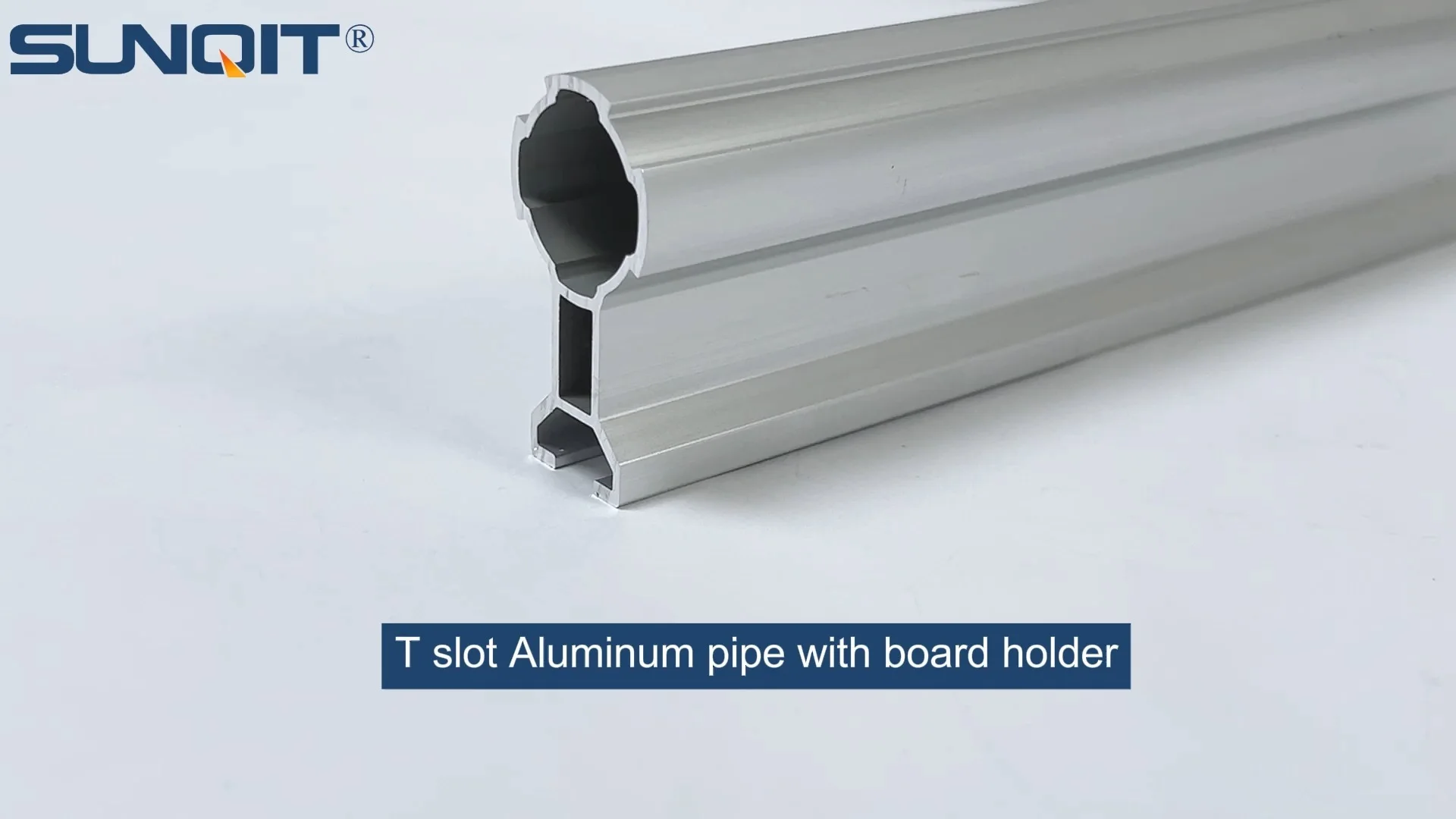
T slot Aluminum pipe with board holder,the pipe one side connected by a joint, the other side with a slot which can hold a tray or a aluminum pannel
Walk into any busy automotive repair shop on a Tuesday morning, and you'll likely be greeted by the clatter of impact wrenches, the hum of diagnostic machines, and a sea of tools scattered across workbenches. Mechanics dart between cars, juggling socket sets, torque wrenches, and replacement parts—all while racing to meet tight deadlines. In this chaos, efficiency isn't just a buzzword; it's the difference between a profitable day and a frustrating one. Yet, for many shops, disorganization reigns: tools vanish into drawers, parts pile up on the floor, and workbenches double as storage units for everything from rags to half-finished projects. The result? Wasted time, increased errors, and a workforce stretched thin. Enter the T Slot Aluminum Pipe with Board Holder —a humble yet transformative solution that's quietly revolutionizing how repair shops organize, work, and thrive. Let's dive into how this unassuming system turns chaos into clarity, one aluminum profile and roller track at a time.
The Hidden Cost of Clutter in Repair Shops
Before we talk about solutions, let's acknowledge the problem: clutter isn't just messy—it's expensive. A 2023 study by the Automotive Service Association (ASA) found that mechanics spend an average of 15-20 minutes per day searching for tools or parts. That's over 100 hours a year per mechanic—time that could be spent fixing cars, interacting with customers, or training. Multiply that by a team of five, and you're looking at 500+ hours of lost productivity annually. Add in the cost of misplaced tools (the average shop replaces $2,000 worth of tools yearly due to loss or damage) and the risk of errors from disorganized workspaces (like installing the wrong part because it was mixed in with others), and the price tag of chaos becomes impossible to ignore.
Traditional workbenches, often made of wood or basic steel, only make matters worse. They're static—once built, you can't reconfigure them to fit a new project or a taller mechanic. Tool storage is an afterthought: a few pegboards here, a jumble of drawers there, with no rhyme or reason. Parts bins overflow, and heavy components like alternators or brake calipers end up on the floor, creating tripping hazards. And when a shop needs to scale—adding a new service bay or expanding into electric vehicle repairs—these rigid setups become obstacles, not assets.
What Is T Slot Aluminum Pipe with Board Holder?
At its core, T Slot Aluminum Pipe with Board Holder is a modular system designed for adaptability. Think of it as building blocks for grown-ups: lightweight yet sturdy aluminum profiles (hollow tubes with a T-shaped groove running along their length) that connect with specialized joints, brackets, and accessories. The "board holder" component is a simple but genius addition—a flat surface (usually wood, metal, or plastic) mounted to the aluminum frame, creating a workbench, shelf, or parts station. But here's the magic: the T-slot groove lets you add, remove, or reposition accessories on the fly . Need a tool hook? Slide it into the slot. Want a cup holder for your coffee? Clip it on. Need to raise the workbench by 6 inches? Swap out the legs with longer aluminum pipes. It's a system that grows with your shop, not against it.
Unlike traditional steel pipes, aluminum profiles are corrosion-resistant (critical in shops where oil, grease, and cleaning fluids are everywhere), lightweight (so you can move setups without a forklift), and infinitely customizable. The board holder turns the frame into a functional workspace, while add-ons like roller tracks (for sliding parts) or casters (for mobility) take it from "good" to "game-changing."

Key Benefits for Automotive Repair Shops
Why has this system become a favorite among shop owners and mechanics? Let's break down the perks:
1. Unmatched Flexibility
Repair shops don't do "one-size-fits-all." A day might start with tuning a compact car's engine, shift to replacing a truck's transmission, and end with diagnosing an electric vehicle's battery. Each job needs different tools, parts, and workspace configurations. With T slot aluminum, you can retool a workbench in 15 minutes: lower the board holder for detailed work (like wiring), add a roller track to slide heavy parts across, or attach a parts bin rack for small components. No saws, no welding, no headaches—just a few twists of a wrench to adjust joints and accessories.
2. Durability That Stands Up to Shop Life
Aluminum profiles might look lightweight, but they're tough. Most are made from 6063-T5 aluminum alloy, which boasts a tensile strength of 24,000 psi—strong enough to support a 500-pound engine block without bending. The T-slot groove is reinforced to handle repeated use (no worrying about the slot warping after years of adding/removing accessories). And since aluminum resists rust and corrosion, you won't have to replace the frame every few years like you would with a wooden workbench (which soaks up oil and rots) or a steel setup (which rusts if not constantly painted).
3. Ergonomics That Keep Mechanics Happy (and Healthy)
Chronic back pain is an epidemic in auto repair. Mechanics spend hours hunched over engines or kneeling to reach under cars, and a poorly designed workbench only exacerbates the issue. T slot aluminum changes that. You can adjust the height of the board holder to match each mechanic's waist (the sweet spot for reducing strain), angle the surface for better visibility, or add a tilting feature for tasks like carburetor rebuilds. Even better: mount the entire setup on casters, so mechanics can roll the workbench to the car instead of carrying heavy parts across the shop. Fewer trips to the supply closet, fewer strained muscles, and a team that goes home feeling energized, not exhausted.
4. Lean System Integration for Smoother Workflows
"Lean manufacturing" isn't just for factories—it's a mindset that translates perfectly to repair shops. At its heart, lean is about eliminating waste: wasted time, wasted space, wasted effort. T slot aluminum pipe with board holder is a lean dream. Roller tracks, for example, let parts flow from the storage area to the workbench with a gentle push, cutting down on carrying. Modular shelves keep frequently used tools at eye level (so no more bending to reach the bottom drawer). And since the system is modular, you can design workflows that follow the repair process: diagnosis station → parts prep area → repair bench → quality check shelf. It's like putting your shop on autopilot—parts and tools move where they're needed, when they're needed, with zero fuss.

Practical Setup Guide: Building Your First T Slot Aluminum Workbench
Ready to ditch the chaos? Let's walk through building a basic T slot aluminum workbench with a board holder and roller track—perfect for general repair work. You'll need a few key components (all available from most aluminum profile suppliers):
| Component | Quantity | Purpose |
|---|---|---|
| 4040 Aluminum Profile (120cm length) | 4 | Workbench legs (2 for front, 2 for back) |
| 4040 Aluminum Profile (180cm length) | 2 | Workbench frame (side rails) |
| Aluminum Board Holder Bracket | 4 | Mounts the workbench top to the frame |
| Particleboard/MDF Top (180cm x 60cm) | 1 | Workbench surface (board holder) |
| Roller Track (180cm length, yellow plastic guide rail) | 1 | Slides parts across the workbench |
| 90° Aluminum Joints | 8 | Connects legs to side rails |
| Caster Wheels with Brake | 4 | Makes the workbench mobile |
| T-Slot Bolts & Nuts | 20 | Secures accessories to the aluminum profiles |
Step 1: Assemble the Frame
Start by building the basic frame. Lay two 120cm aluminum profiles (legs) on the ground, parallel to each other, 180cm apart. Attach the 180cm profiles (side rails) to the top of the legs using 90° aluminum joints—one joint at each corner. Tighten the bolts with an Allen wrench, but leave them slightly loose for now (you'll adjust alignment later). Repeat for the back legs and side rail, creating a rectangular frame.
Step 2: Add the Board Holder
Mount the aluminum board holder brackets to the side rails—two on each long rail, spaced evenly. Place the particleboard top on the brackets and secure it with screws (pre-drill holes to avoid splitting the wood). Now, stand the frame upright and adjust the legs until the workbench is level (use a spirit level). Tighten all joint bolts once aligned.
Step 3: Install Roller Track
Measure 30cm from the back edge of the workbench top and mark a line—this is where the roller track will go. Attach the roller track brackets to the aluminum frame using T-slot bolts (slide the bolts into the T-groove, position the bracket, and tighten the nut). Snap the yellow plastic roller track guide rail into the brackets. Test it by sliding a small part (like a brake pad) along the track—it should glide smoothly with minimal effort.
Step 4: Add Casters (Optional but Recommended)
Flip the workbench upside down and attach caster wheels to the bottom of the legs using caster mounting plates (included with most caster kits). Make sure the casters have brakes—critical for stability when working. Once installed, flip the workbench back over and test the mobility: it should roll easily but lock securely when the brakes are engaged.
Step 5: Customize with Accessories
Now for the fun part: accessorizing! Add tool hooks to the side rails for wrenches and screwdrivers, a parts bin holder under the roller track for small components, and a cup holder (trust us, mechanics will thank you). Need more storage? Add a second shelf below the board holder using shorter aluminum profiles and brackets. The beauty is, you can start simple and add on later as your needs change.
Real-World Impact: How One Shop Transformed Its Workflow
Don't just take our word for it—let's look at a real example. Joe's Auto Repair, a 5-bay shop in Cincinnati, was struggling with inefficiency before switching to T slot aluminum. "We had three wooden workbenches, all built in the '90s," says owner Joe Martinez. "They were wobbly, the tops were covered in oil stains, and we were constantly tripping over parts bins. Mechanics were spending 20 minutes a day just looking for tools." In 2022, Joe invested in 4 T slot aluminum workbenches (each with a board holder, roller track, and casters) and never looked back.
"The first thing we noticed was how much cleaner the shop felt," Joe recalls. "Tools have dedicated spots, parts slide on the roller track instead of getting dropped, and we can move the workbenches right next to the car—no more walking 50 feet to grab a socket set." The results speak for themselves: Joe's reduced tool replacement costs by 60%, cut average repair time by 15 minutes per job, and even hired two more mechanics (since the shop could handle more cars without feeling cramped). "Best $8,000 I ever spent," he laughs. "The system paid for itself in 6 months."
Why Aluminum Profile Beats Steel, Wood, and Plastic
You might be thinking, "Why not just build a steel workbench? It's cheaper." Or, "Wood is familiar—why switch?" Let's compare:
- Steel: Strong, but heavy (a steel workbench weighs 3x more than aluminum, making it impossible to move). Prone to rust in damp shops. Welding required for modifications (not DIY-friendly).
- Wood: Cheap upfront, but rots quickly in oily environments. Can't support heavy weight without warping. No T-slot for accessories—you're stuck with whatever you drill or nail on.
- Plastic: Lightweight, but flimsy (can't hold more than 100 pounds). Fades in sunlight and cracks under extreme temperatures (like near a torch or space heater).
- Aluminum Profile: The sweet spot. Light enough to move, strong enough to support heavy parts, rust-proof, and infinitely customizable. Yes, it costs more upfront than wood or plastic, but it lasts 10-15 years (vs. 2-3 for wood) and saves money in the long run via efficiency gains.
Maintenance Tips to Keep Your System Running Smoothly
T slot aluminum systems are low-maintenance, but a little care goes a long way:
- Clean the T-slot regularly: Grease and dirt can build up in the groove, making it hard to slide accessories. Wipe it out monthly with a rag and a small brush (an old toothbrush works great).
- Tighten joints annually: Vibration from tools can loosen bolts over time. Do a quick check every 6 months and tighten any wobbly joints with an Allen wrench.
- replace worn roller track wheels: If parts start sticking, swap out the plastic wheels (they're cheap and easy to replace—just pop them out of the guide rail).
- Protect the board holder: If using wood, seal it with polyurethane to resist oil stains. For metal tops, wipe down with a degreaser weekly.
Conclusion: From Chaos to Clarity—One Aluminum Profile at a Time
Automotive repair is a tough business. Margins are tight, competition is fierce, and customers demand fast, reliable service. In a world where every minute counts, a disorganized shop isn't just a nuisance—it's a liability. T Slot Aluminum Pipe with Board Holder isn't a silver bullet, but it's a powerful tool for turning chaos into clarity. It's a system that adapts to your shop, not the other way around—growing with you, streamlining workflows, and letting your team focus on what they do best: fixing cars.
Whether you're a small independent shop or a large dealership, the message is clear: invest in your workspace, and you'll invest in your success. Joe's Auto Repair did, and they're reaping the rewards. Now it's your turn. Your mechanics (and your bottom line) will thank you.