- Company Articles
- Products and Technology
- Installation And Maintenance
- T Slot Aluminum Pipe with Board Holder Maintenance: Tips for Longevity

T Slot Aluminum Pipe with Board Holder Maintenance: Tips for Longevity
Related Product
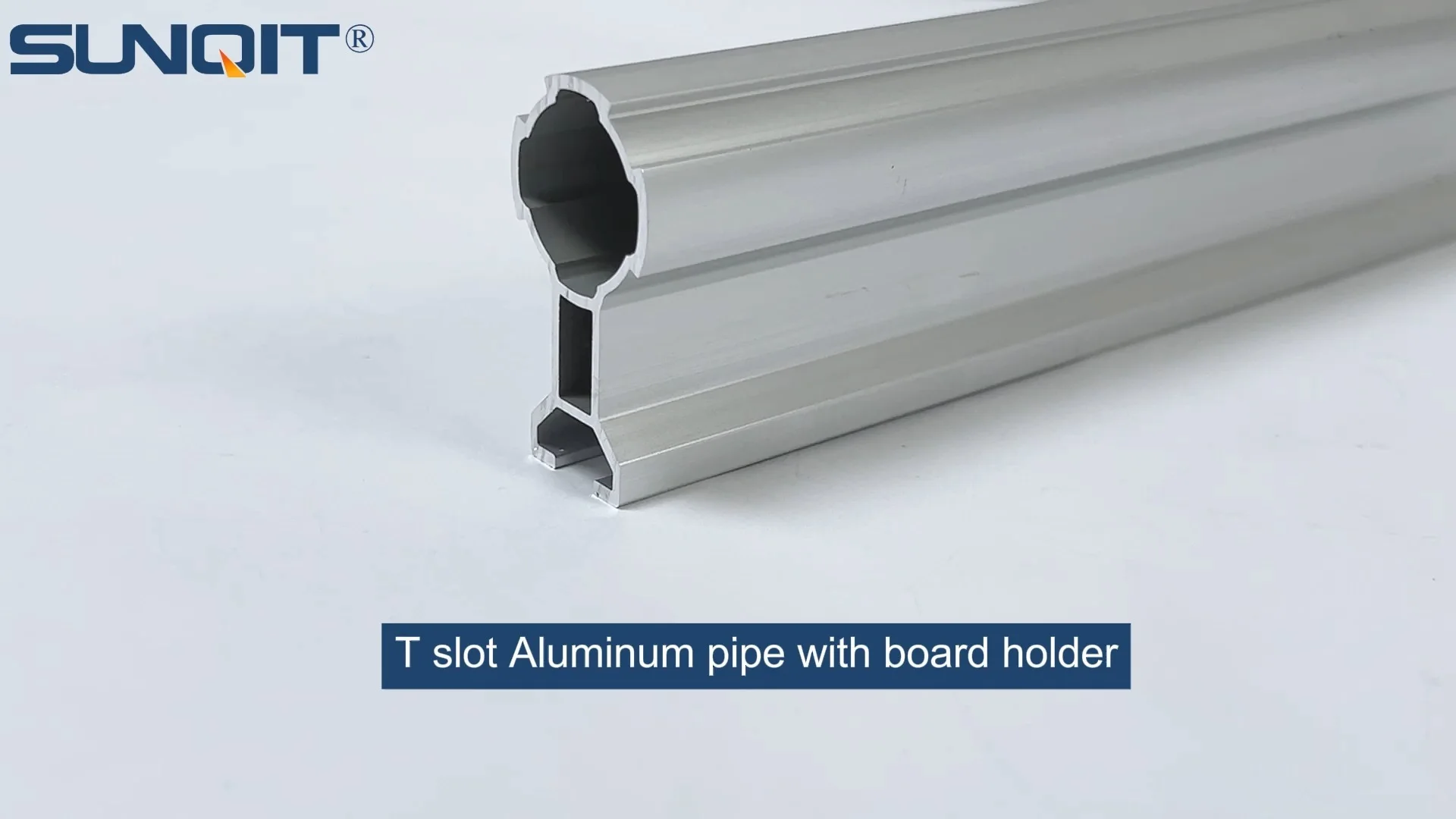
T Slot Aluminum Pipe with Board Holder
T slot Aluminum pipe with board holder,the pipe one side connected by a joint, the other side with a slot which can hold a tray or a aluminum pannel
If you've ever stepped into a busy workshop, manufacturing floor, or even a well-organized home garage, chances are you've seen a T Slot Aluminum Pipe with Board Holder in action. These versatile setups are the unsung heroes of efficient workspaces—they hold tools, support materials, and streamline workflows with their modular design. But like any hardworking tool, they need a little TLC to keep performing at their best. Neglecting maintenance might seem harmless at first, but over time, loose joints, grimy surfaces, or worn-out parts can turn your reliable workbench into a frustrating, inefficient hassle. In this guide, we'll walk through practical, everyday tips to extend the life of your T Slot Aluminum Pipe with Board Holder, ensuring it stays sturdy, smooth, and ready for whatever task comes next. Whether you're a seasoned facility manager or a DIY enthusiast who's invested in this handy setup, these insights will help you protect your investment and keep your workspace running like clockwork.
1. Start with a Daily "Health Check": The 2-Minute Inspection
You don't need to be a maintenance expert to spot early signs of trouble—just a few minutes each day to scan your T Slot Aluminum Pipe with Board Holder can save you from costly repairs later. Think of it like checking your car before a drive: small issues, if caught early, are easy to fix. Here's what to look for:
- Loose Connections: Run your hand along the aluminum pipes and joints. Do any parts wiggle or shift? Pay extra attention to areas where the board holder attaches to the T slot aluminum pipe—these take the most weight and are prone to loosening over time. Even a slightly loose aluminum pipe clamp can throw off stability, so note these spots for tightening later.
- Board Condition: The board itself (whether it's wood, plastic, or metal) takes a beating. Check for cracks, warping, or stains that might weaken it. A small chip today could grow into a big split tomorrow if moisture seeps in, so mark damaged areas for repair.
- Rollers and Sliders (If Applicable): If your setup includes roller tracks or sliding components, give them a gentle push. They should glide smoothly without sticking or making grinding noises. Rough movement often means debris is trapped or parts are worn.
- Edge Protection: Many T Slot Aluminum setups use aluminum profile rubber strips along the edges to prevent scratches and cushion impacts. Peeling, cracked, or missing strips leave the aluminum vulnerable to dents and your hands at risk of nicks—keep an eye out for these, too.
This quick check doesn't require tools or expertise—just a keen eye and a minute of your time. Jot down notes (or take a quick photo with your phone) if you spot something off; it'll make fixing it later that much easier.
2. Clean Like You Mean It: Grime Is the Enemy
Aluminum is durable, but it's not impervious to the buildup of dirt, grease, and dust. Over time, grime can corrode surfaces, clog T slots, and even cause moving parts to jam. The good news? Cleaning your T Slot Aluminum Pipe with Board Holder is simple, and you probably already have most of the supplies you need.
What to Avoid: Harsh chemicals like bleach, ammonia, or abrasive scrubbers (think steel wool) are a big no-no. They can strip the aluminum's protective coating, leaving it dull and prone to rust. Similarly, pressure washers might seem efficient, but the high pressure can force water into joints, leading to internal corrosion.
The Right Way to Clean: Start with a soft, lint-free cloth or a microfiber towel—these won't scratch the aluminum. For light dust, a dry wipe is often enough. For heavier grime (like oil or grease from machinery), mix a few drops of mild dish soap with warm water. Dip the cloth in the soapy water, wring it out well (you don't want pooling water), and wipe down the pipes, board, and accessories. Pay special attention to T slots and crevices where dust likes to hide—use a soft-bristled brush (an old toothbrush works!) to dislodge trapped dirt.
After cleaning, dry everything thoroughly with a clean towel. Moisture left on aluminum can lead to water spots or, worse, oxidation (that chalky white residue). For extra shine (and added protection), you can wipe down the aluminum pipes with a small amount of aluminum polish—just follow the product instructions and avoid getting it on the board or rubber strips.

3. Tighten, But Don't Over-Tighten: The Art of Secure Connections
One of the biggest myths about maintenance is that "tighter is better." When it comes to T Slot Aluminum Pipes with Board Holders, over-tightening can do more harm than good. Aluminum is a relatively soft metal, and cranking down too hard on bolts or aluminum pipe clamps can strip threads, warp pipes, or crack joints. The goal is "snug," not "immovable."
Tools You'll Need: A set of hex keys (Allen wrenches) in various sizes is a must—most T slot systems use hex bolts. Keep a torque wrench handy if you're working with critical joints (like those supporting heavy loads), but for everyday tightening, a regular hex key with a gentle, steady twist is usually sufficient.
Step-by-Step Tightening:
- Start with the joints you noted during your daily inspection—those loose spots are priority.
- Hold the hex key firmly and turn clockwise until you feel resistance. Stop when the joint feels stable but not rigid. If you hear a "creaking" sound or the aluminum starts to indent, back off slightly—you've gone too far.
- Don't forget hidden connections! The board holder itself is often attached to the T slot pipe with small clamps or brackets—these can loosen as the board shifts under weight, so give them a quick check, too.
- For aluminum profile accessories like brackets or sliders, check their mounting points. These smaller parts are easy to overlook but crucial for keeping the entire system balanced.
Pro tip: If you notice a joint that keeps loosening, even after tightening, it might be worn. Look for signs of stripped threads or cracks in the joint—if you see either, replace the part ASAP. A cheap replacement now is better than a collapsed workbench later.

4. Protect the Edges: Aluminum Profile Rubber Strips Matter
Those small, often-overlooked aluminum profile rubber strips along the edges of your T Slot setup are more important than you think. They do double duty: cushioning impacts (so your aluminum pipes don't get dented when tools are dropped) and creating a non-slip surface for materials. When these strips wear out, the aluminum edges become sharp, and the risk of scratches or slips increases.
Signs It's Time to replace: If the rubber is cracked, brittle, or peeling away from the aluminum, it's no longer doing its job. You might also notice that materials slide around more easily on the board, or that tools left on the edges leave scratch marks—both red flags.
How to replace Them: Start by peeling off the old strip. Use a hair dryer on low heat if it's stuck—this softens the adhesive and makes removal easier. Once the surface is clean (wipe with rubbing alcohol to remove residue), measure the length of the edge you need to cover. Cut the new rubber strip to size (a pair of sharp scissors works best), peel off the backing, and press it firmly into place. Hold each section for 30 seconds to ensure the adhesive bonds well. For extra durability, avoid stretching the strip as you apply it—this can cause it to loosen over time.
Bonus: Keep a few extra rubber strips in your toolbox. They're inexpensive, and having spares on hand means you can replace a worn strip immediately instead of waiting for an order to arrive.
5. Level It Out: Adjustable Leveling Feet for Stability
A wobbly workbench isn't just annoying—it's a safety hazard. Uneven weight distribution can strain joints, cause materials to slide, and even lead to the entire setup tipping over. Most T Slot Aluminum Pipe systems come with adjustable leveling feet (those small, threaded knobs at the bottom of the legs) designed to stabilize the unit on uneven floors. But over time, these feet can loosen or sink into soft surfaces, throwing off balance.
How to Check Level: Place a bubble level on the board holder. If the bubble isn't centered, your setup is uneven. You can also listen for wobbling—give the frame a gentle shake; if it rocks, the feet need adjustment.
Adjusting the Feet: Turn the leveling feet clockwise to raise that corner, or counterclockwise to lower it. Work slowly, checking the level after each adjustment. If the floor is very uneven, you might need to use shims under the feet (a small piece of rubber or metal) to prevent them from sinking. Just make sure the shim is stable and won't slip.
Pro tip: If you move your T Slot setup to a new location, always recheck the level. Floors that seem flat can have subtle slopes that affect stability.
6. Troubleshooting Common Issues: Quick Fixes for Everyday Problems
Even with regular maintenance, issues can pop up. Here's a handy table to diagnose and fix the most common problems with your T Slot Aluminum Pipe with Board Holder:
| Problem | Probable Cause | Solution |
|---|---|---|
| Workbench wobbles | Loose adjustable leveling feet or uneven floor | Tighten leveling feet; use shims if floor is uneven |
| Board holder slips | Loose aluminum pipe clamp | Tighten clamp with hex key; replace if threads are stripped |
| Aluminum pipes look dull or stained | Buildup of grease/dust; oxidation | Clean with mild soap and water; polish with aluminum cleaner |
| Materials slide off edges | Worn aluminum profile rubber strips | replace rubber strips with new ones |
| Joints make grinding noise when adjusted | Dry or dirty joints; lack of lubrication | Clean joints with compressed air; apply silicone lubricant |
7. Lubricate Moving Parts: Keep It Smooth
If your T Slot Aluminum Pipe with Board Holder has moving parts—like sliding board holders, roller tracks, or adjustable shelves—lubrication is key to keeping them operating smoothly. Without it, friction wears down components, and movement becomes stiff or jerky.
What to Lubricate: Focus on joints that pivot, sliders that move along T slots, and roller bearings (if your setup includes them). Avoid lubricating the board itself or rubber strips—oil can make surfaces slippery and damage the rubber.
Best Lubricants to Use: Silicone-based lubricants (like spray silicone or silicone grease) are ideal for aluminum. They repel water, won't attract dust, and won't corrode the metal. Avoid petroleum-based lubricants (like WD-40, unless it's the silicone-specific formula)—they can break down rubber over time.
How to Apply: For small joints, use a toothpick or cotton swab to apply a tiny amount of lubricant (a little goes a long way!). For larger areas like roller tracks, spray a light mist and then wipe away excess with a clean cloth. Open and close the moving part a few times to distribute the lubricant evenly.
8. Store Smart: Protect It When Not in Use
If your T Slot Aluminum Pipe with Board Holder sits idle for long periods (like during holidays or project lulls), how you store it matters. Leaving it exposed to moisture, extreme temperatures, or direct sunlight can wear and tear.
Indoor Storage Tips: Keep it in a dry, climate-controlled area. If space is tight, disassemble non-essential parts (like extra shelves) and store them separately to reduce stress on joints. Cover the board with a clean tarp or sheet to protect it from dust.
Outdoor Storage (If Necessary): Avoid this if possible, but if you have no choice, use a waterproof cover and elevate the setup on blocks to prevent contact with wet ground. Check regularly for rust or mildew, and clean/dry thoroughly before bringing it back indoors.
Conclusion: Invest a Little Time, Save a Lot of Trouble
Your T Slot Aluminum Pipe with Board Holder is more than just a piece of equipment—it's a partner in productivity. By taking a few minutes each day to inspect, clean, and tighten, and addressing small issues before they grow, you'll extend its life by years. Whether it's replacing a worn aluminum profile rubber strip , tightening an aluminum pipe clamp , or adjusting adjustable leveling feet , these simple steps add up to a setup that stays strong, smooth, and reliable. Remember: maintenance isn't a chore—it's an investment in your workspace's efficiency and safety. With these tips, your T Slot Aluminum Pipe with Board Holder will keep supporting you, project after project, for years to come.