- Company Articles
- Products and Technology
- Product knowledge
- T Slot Aluminum Pipe with Board Holder vs. Wooden Racks: Durability Showdown

T Slot Aluminum Pipe with Board Holder vs. Wooden Racks: Durability Showdown
Related Product
T Slot Aluminum Pipe with Board Holder
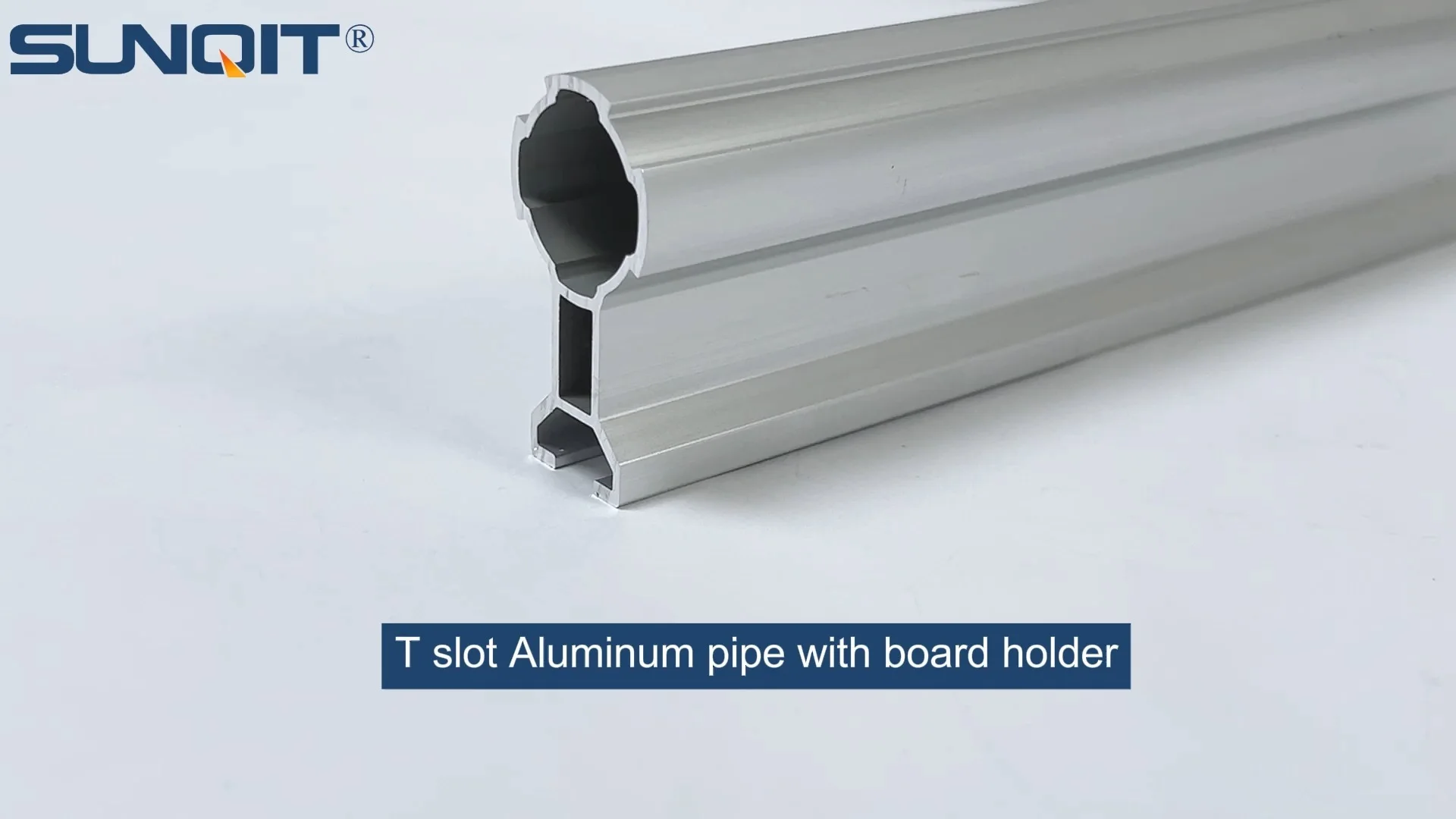
T slot Aluminum pipe with board holder,the pipe one side connected by a joint, the other side with a slot which can hold a tray or a aluminum pannel
Walk into any workshop, warehouse, or even a busy garage, and you'll likely spot a common sight: racks and storage solutions holding tools, materials, or finished products. For decades, wooden racks have been the go-to choice for many—familiar, easy to source, and seemingly budget-friendly. But as workspaces evolve, so do the demands on these essential structures. Enter the T Slot Aluminum Pipe with Board Holder : a modern alternative that's been turning heads with its sleek design and promises of longevity. But is it really a better investment than good old wood? Let's dive in, roll up our sleeves, and put these two contenders head-to-head in a durability showdown.
This isn't just about comparing materials—it's about the backbone of your workspace. Whether you're a small business owner setting up a new workshop, a warehouse manager looking to cut down on replacement costs, or a hobbyist tired of flimsy storage, the choice between aluminum and wood can impact everything from daily efficiency to long-term expenses. Let's start by getting to know each (contender) a little better.
What is a T Slot Aluminum Pipe with Board Holder?
If you're not familiar with aluminum extrusion systems, the term "T Slot Aluminum Pipe with Board Holder" might sound like technical jargon. Let's break it down simply: it's a modular storage or workbench system built from lightweight, durable aluminum pipes with T-shaped grooves (the "T Slot") running along their length. These grooves allow you to slide in accessories—like brackets, shelves, or the titular board holder —without needing to drill holes or weld. Think of it as a grown-up version of building blocks, but for adults who need their structures to hold heavy tools or materials.
What makes this system stand out is its versatility. The aluminum pipes are paired with aluminum profile accessories —joints, clamps, and connectors—that let you customize the setup to fit your space. Need a taller rack? Add more pipes. Want a shelf at a specific angle? Swap out a straight joint for an adjustable one. The board holder itself is a simple but genius addition: a bracket that securely holds wooden or metal boards, turning the aluminum frame into a functional workbench or shelving unit. It's like having a storage system that can adapt as your needs change—no saws, nails, or glue required.
But durability isn't just about flexibility. Aluminum, by nature, is resistant to rust and corrosion, making it a solid choice for spaces that might get damp, like garages or workshops near water. It's also surprisingly strong for its weight; a well-built aluminum frame can hold hundreds of pounds without bending or warping. And because the components are standardized, if a part does wear out (say, a clamp gets bent), you can easily replace just that piece instead of the entire rack.
What Are Wooden Racks?
Wooden racks are the old reliable of the storage world. They're exactly what they sound like: structures made from planks, beams, and screws, designed to hold items. From the simple pine shelves in your garage to heavy-duty oak racks in industrial warehouses, wood has been a staple for centuries. There's a reason for that: wood is readily available, relatively cheap upfront, and easy to work with if you have basic carpentry skills. A quick trip to the hardware store, a saw, and a drill, and you can build a wooden rack in an afternoon.
Wood's appeal also lies in its aesthetics. Many people love the warm, natural look of wood—it feels homey and timeless. In retail spaces or offices, wooden racks can add a touch of rustic charm that aluminum, with its sleek, industrial vibe, might not match. And for lightweight storage needs—like holding books, small tools, or craft supplies—wood works just fine. A well-built wooden shelf can last for years if it's kept dry and not overloaded.
But wood has its weaknesses, especially when durability is the name of the game. For starters, it's porous, which means it soaks up moisture. In humid environments, wooden racks can warp, swell, or even grow mold. If you spill water or leave tools damp on a wooden shelf, you might come back to a stained, misshapen mess. Wood also dents and scratches easily; drop a heavy tool on a wooden workbench, and you'll likely leave a permanent mark. Over time, screws can loosen as the wood expands and contracts with temperature changes, making the rack wobbly or unsafe. And if a wooden beam cracks or breaks, fixing it often means replacing the entire piece—no quick swaps like with aluminum accessories.

Durability Factors: A Side-by-Side Comparison
To really see which option holds up better, let's break down durability into key factors and pit aluminum against wood. We'll cover everything from how they handle heavy loads to how they stand up to the elements.
| Factor | T Slot Aluminum Pipe with Board Holder | Wooden Racks |
|---|---|---|
| Material Composition | Aluminum alloy (lightweight, corrosion-resistant, high strength-to-weight ratio) | Natural wood (varies by type; pine is soft, oak is hard, but all porous and prone to moisture damage) |
| Weight Capacity | High (often 300-800 lbs per shelf, depending on frame design and aluminum pipe clamp quality) | Moderate to high (oak can hold 200-500 lbs, but softwoods like pine may sag under 100 lbs over time) |
| Resistance to Moisture | Excellent (aluminum doesn't rust or warp; ideal for garages, basements, or outdoor sheds) | Poor (swells, warps, or rots in humidity; requires sealing/painting to resist moisture) |
| Wear and Tear | Scratch-resistant, dents only under extreme force; aluminum profile accessories (joints, clamps) can be replaced individually | Scratches, dents, and stains easily; once damaged, wood is hard to repair without sanding or painting |
| Longevity | 15-20+ years with minimal maintenance | 5-10 years (less in humid/damp environments; may need replacement due to warping or rot) |
| Flexibility | Highly modular (reconfigure shelves, add/remove parts, or expand the frame with new pipes and joints) | Fixed (once built, hard to modify without rebuilding; requires sawing/drilling to adjust) |
Material Composition: Why Aluminum Wins Here
Aluminum's secret weapon is its alloy composition. Most T Slot Aluminum Pipes are made from 6063 aluminum, a grade known for its strength and corrosion resistance. It's lightweight—about a third the weight of steel—but can handle heavy loads without bending. Wooden racks, on the other hand, depend entirely on the type of wood. Softwoods like pine are cheap but weak; hardwoods like oak are strong but heavy and expensive. And even the best wood is still organic—it will degrade over time, especially if exposed to the elements.
Weight Capacity: Aluminum's Modular Advantage
When it comes to holding heavy items, aluminum's modular design shines. The T Slot system uses strong, interlocking joints and aluminum pipe clamps that distribute weight evenly across the frame. A well-built aluminum shelf with a board holder can easily support power tools, car parts, or stacks of heavy boxes without sagging. Wooden racks can handle weight too, but only if they're built with thick, sturdy boards and properly spaced supports. Over time, even strong wood can bow under constant pressure, especially if the rack isn't reinforced with brackets.
Moisture Resistance: The Dealbreaker for Wood
Here's where wood often falls short: moisture. Let's say you live in a humid climate or store cleaning supplies that sometimes leak in your garage. A wooden rack might start out straight, but within a few months, the planks could warp, making the shelf uneven. Over time, that warping can loosen screws, leading to a wobbly, unsafe structure. Aluminum? It laughs at moisture. Rain, spills, or humidity won't make it rust, swell, or rot. That's why aluminum systems are popular in food processing plants, car washes, and anywhere else dampness is a concern.

Practical Applications: Where Each Shines (and Struggles)
Durability isn't just about how long something lasts—it's about how well it fits your daily needs. Let's look at common workspaces and see how aluminum and wood stack up.
Workshops and Garages
Workshops are tough environments: tools get dropped, oil spills happen, and humidity can spike. A T Slot Aluminum Pipe with Board Holder thrives here. The aluminum frame resists oil stains and moisture, and the modular design lets you add a workbench or tool hooks exactly where you need them. If you rearrange your workspace, you can take the whole system apart and rebuild it in an hour. Wooden racks? They'll need regular sanding and repainting to cover stains, and if they warp, you'll have to replace the planks. Plus, wood can absorb oil, creating a fire hazard if not cleaned properly.
Warehouses and Material Handling
In warehouses, racks need to handle heavy pallets, constant loading/unloading, and occasional bumps from forklifts. Aluminum's strength and flexibility make it a great fit—especially when paired with roller track systems for easy material flow. The roller track, which can be integrated into the aluminum frame, lets boxes glide smoothly from one station to another, reducing worker strain. Wooden racks can work for light loads, but they're prone to damage from forklifts, and their fixed design makes it hard to adapt to changing inventory needs.
Retail and Office Spaces
Here, aesthetics matter. Wooden racks can add a cozy, inviting feel to a boutique or café, displaying products in a way that feels warm and approachable. Aluminum, with its modern look, is better for sleek, minimalist spaces—think tech stores or co-working offices. But don't count aluminum out on style: many aluminum systems come in black or silver finishes that blend with industrial decor, and you can even add wooden boards to the board holder for a mix of materials. The bonus? Aluminum won't scratch as easily as wood, so it will still look new after years of customer traffic.
Outdoor and Damp Areas
Basements, sheds, or outdoor patios are death for wooden racks. Even pressure-treated wood will eventually rot in constant moisture. Aluminum, though, is perfect. Whether you're storing gardening tools in a damp shed or pool supplies near the water, an aluminum system will stay strong and rust-free. Some aluminum accessories, like waterproof board holders, even let you use the rack as a potting bench or outdoor storage unit.
Cost: Short-Term Savings vs. Long-Term Value
Let's talk money. Wooden racks are cheaper upfront—you can build a basic pine shelf for $50-$100. Aluminum systems cost more initially, with a simple T Slot setup starting around $200-$300. But durability means aluminum often saves you money in the long run.
Consider maintenance: Wooden racks need sanding, painting, or staining every 1-2 years to prevent rot and warping. That's time and money—paint, sandpaper, and your weekend afternoon. Aluminum? Wipe it down with a damp cloth occasionally, and it's good to go. No repainting, no sealing, no replacing warped planks.
Replacement costs add up too. A wooden rack might last 5 years in a damp garage before needing to be replaced. An aluminum system? 15-20 years, easy. If you're running a business, that's 3-4 wooden racks for the price of one aluminum setup. And because aluminum is modular, you can expand it as your needs grow—no need to buy a whole new rack when you need more space.
For hobbyists or small-scale use, wood might still make sense. But for anyone who relies on their storage system daily—like a mechanic, warehouse manager, or small business owner—aluminum's long-term value is hard to beat.
Real-World Stories: Users Weigh In
Don't just take our word for it—let's hear from people who've made the switch from wood to aluminum.
Mark, Auto Repair Shop Owner
"I used wooden racks in my shop for 10 years, and they were always a headache. Oil leaks stained the shelves, and in the summer humidity, the wood warped so bad my toolboxes wouldn't sit straight. Last year, I installed a T Slot Aluminum system with a board holder, and it's been a game-changer. The shelves are sturdy, I can hose them down if there's a spill, and I added a workbench right next to my lift. Best part? When I needed more space for new tools, I just bought a few extra pipes and joints—no sawing, no mess."
Lisa, E-Commerce Warehouse Manager
"We used wooden shelves for our inventory, but they couldn't keep up with our growth. We were always drilling new holes to add brackets, and the wood started sagging under heavy boxes. We switched to aluminum with roller track, and now our pickers can slide boxes right to their stations. The racks haven't bent or warped, even with daily use, and we've expanded the system three times without replacing anything. It was a bigger investment upfront, but we've already saved money on repairs and replacements."
Final Verdict: The Durability Champion
Wooden racks have their place—they're affordable, easy to build, and charming in the right setting. But when it comes to durability, flexibility, and long-term value, the T Slot Aluminum Pipe with Board Holder is the clear winner. Its resistance to moisture, modular design, and low maintenance make it ideal for busy workspaces where reliability matters most.
Whether you're setting up a home workshop, managing a warehouse, or running a small business, aluminum offers a storage solution that grows with you. It's not just a rack—it's an investment in a workspace that works as hard as you do.
So, if you're tired of warped shelves, stained wood, and constant repairs, it might be time to make the switch. Your tools, your sanity, and your bottom line will thank you.