- Company Articles
- Products and Technology
- Product knowledge
- T-Slot Rubber Seal Cover Color Options: Do They Affect Performance or Just Aesthetics?

T-Slot Rubber Seal Cover Color Options: Do They Affect Performance or Just Aesthetics?
Related Product
T-slot Rubber Seal Cover
The rubber T-slot seal cover prevents dust and debris buildup, covers wires in the T-slot channel, and adds an extra layer of protection to applications. It rolls into the T-slot, making it easy to assemble.
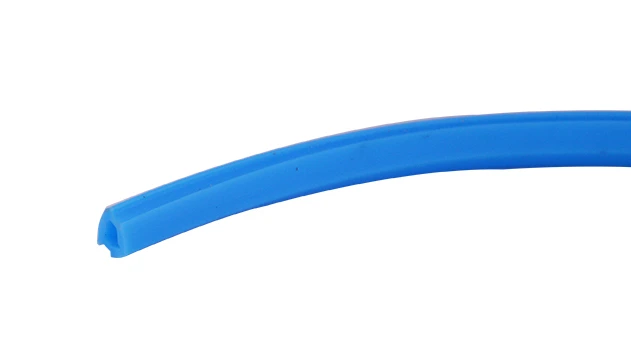
Walk into any modern manufacturing plant, warehouse, or even a high-tech workshop, and you'll likely spot rows of sleek aluminum extrusion profiles—their clean lines and modular design forming the backbone of workbenches, material racks, and conveyor systems. But if you lean in a little closer, you might notice something small yet significant: a thin rubber strip snuggly fitted into the t-slots of those profiles. That's the t-slot rubber seal cover, a component that does more than just fill a gap. And if you've ever shopped for one, you've probably been met with a surprisingly vibrant selection: sunny yellows, muted greys, crisp whites, deep blacks, and even bold blues. It's enough to make you wonder: Do these color choices actually matter for how the seal cover works, or are they just a way to add a pop of personality to an otherwise industrial setup?
To answer that, let's start by understanding what t-slot rubber seal covers are and why they're so widely used. As a key part of aluminum profile accessories, these small rubber strips are designed to fit into the t-slots—those long, narrow grooves running along the length of aluminum extrusion profiles. At first glance, they might seem like an afterthought, but their role is critical. They seal out dust and debris, protect the t-slots from damage during assembly or use, cushion components that slide into the slots (like brackets or connectors), and even reduce noise from metal-on-metal contact. In short, they're the unsung heroes that keep aluminum profile systems running smoothly and looking sharp.
What Are T-Slot Rubber Seal Covers, Exactly?
Before diving into colors, let's get clear on the basics. T-slot rubber seal covers are made from flexible elastomers—think materials like EPDM (ethylene propylene diene monomer), silicone, nitrile, or neoprene. Each material brings its own strengths: EPDM is great for general use with good weather resistance, silicone handles high temperatures, nitrile stands up to oils and chemicals, and neoprene offers durability in harsh environments. The "t-slot" part refers to their shape—they're designed to snap into the t-shaped grooves of aluminum profiles, creating a tight, secure fit that stays in place even with vibration or frequent use.
Their primary jobs? First, sealing: they block dust, dirt, and moisture from settling into the t-slots, which could otherwise gunk up the works or cause corrosion over time. Second, protection: they prevent scratches or dents to the slot edges when tools, accessories, or even hands slide along the profile. Third, noise reduction: that rubber buffer softens the sound of metal brackets being adjusted or parts sliding into place, making the workspace a little quieter. And finally, aesthetics: let's be honest, a profile with a neat, colored seal cover looks more finished than one with an exposed, empty slot. But here's the crux: does the color of that seal cover influence any of these functional roles?
The Rainbow of Options: Why So Many Colors?
Step into a catalog from a lean system supplier, and you'll quickly realize that t-slot rubber seal covers aren't one-size-fits-all—especially when it comes to color. Yellow, grey, white, black, blue, red… the options can feel almost endless. So why do manufacturers bother offering so many shades? The short answer: because workplaces are diverse, and so are their needs. A pharmaceutical lab might prioritize sterility, a warehouse might focus on efficiency, and a creative workshop might want to reflect their brand. Colors, it turns out, are a simple yet effective way to cater to these varied priorities.
Take yellow, for example. It's hard to miss, which is why it's a favorite in busy environments like automotive plants or distribution centers. Imagine a material rack (3 row and 3 floor) stacked with parts—using yellow seal covers on the profiles holding high-priority components makes them instantly recognizable, even from across the shop floor. No more squinting to read labels or wandering around looking for the right shelf; the bright yellow acts as a visual cue, cutting down on search time. It's a small tweak, but in a place where every second counts, those saved minutes add up.
Then there's grey, perhaps the most common color you'll encounter. Muted and neutral, grey seal covers blend seamlessly with industrial equipment and concrete floors, making them a go-to for workspaces where "less is more" visually. A warehouse using grey seal covers on roller tracks or workbenches avoids cluttering the environment with bold colors, keeping the focus on the tasks at hand. It's understated, but that's the point—sometimes, you don't want the seal cover to stand out; you just want it to do its job quietly.
White, on the other hand, is all about cleanliness. In labs, hospitals, or food processing facilities, white is synonymous with sterility. Using white t-slot rubber seal covers on aluminum workbenches or material racks sends a clear message: this space is maintained to the highest hygiene standards. Plus, white shows dirt easily, which might sound like a downside, but it's actually a bonus—if a spill or smudge appears, it's immediately visible, prompting a quick clean-up. In environments where contamination is a risk, that visual feedback is invaluable.
Black, meanwhile, is the workhorse of harsh environments. Outdoor setups, construction sites, or facilities dealing with heavy machinery often opt for black seal covers. Why? Black hides scuffs, stains, and general wear and tear better than lighter colors, so the profiles stay looking presentable even after months of rough use. Some black seal covers are also formulated with UV-resistant additives, making them ideal for outdoor use where sun exposure could degrade lighter materials over time.

The Big Question: Does Color Impact Performance?
Now, let's get to the heart of the matter: does the color of a t-slot rubber seal cover affect how well it performs? To answer this, we need to separate the color itself from the material it's made of. Because here's the thing: color is just a pigment added to the base elastomer. The real performance drivers—durability, flexibility, temperature resistance, chemical resistance—come from the material (EPDM, silicone, etc.), not the dye mixed into it.
Let's break it down with an example. Suppose you have two seal covers: one yellow EPDM and one grey EPDM. Both are made from the same batch of EPDM rubber, with the only difference being the color pigment. When tested, they'll perform nearly identically. Both will have the same tensile strength, meaning they'll stretch and return to shape without tearing. Both will resist water, ozone, and general wear. The yellow one won't suddenly become less flexible than the grey one, nor will the grey one last longer. The pigment is just along for the ride; the EPDM does the heavy lifting.
Temperature resistance is another area where color doesn't play a role. Take silicone seal covers, for instance. Silicone is prized for its ability to handle extreme temps—from -60°C to 200°C (and sometimes higher). A red silicone seal cover and a black silicone seal cover, made from the same grade of silicone, will both stand up to those temperatures equally well. The color doesn't make one more heat-resistant than the other; that's determined by the silicone's formulation, not the dye.
Chemical resistance follows the same logic. Nitrile rubber, known for its resistance to oils, fuels, and greases, will perform the same whether it's dyed blue or white. A white nitrile seal cover used in an automotive shop (where oil spills are common) will resist degradation just as well as a blue one. The color doesn't alter the rubber's molecular structure, so it doesn't impact how it interacts with chemicals.
That said, there's one rare exception: UV resistance in certain materials. Some pigments, particularly dark ones like black, can absorb more UV radiation than lighter colors. In theory, this might cause the rubber to degrade slightly faster in direct sunlight. But here's the catch: most manufacturers add UV stabilizers to rubber compounds intended for outdoor use, regardless of color. So even a white seal cover without stabilizers might break down faster than a black one with stabilizers. The key factor is the additive package, not the color itself. For indoor use, where UV exposure is minimal, this is a non-issue entirely.

When Color Matters: The Aesthetic and Organizational Benefits
If color doesn't affect performance, why do so many facilities invest in color-coded t-slot rubber seal covers? Because while they might not make the seal cover work better, they make the workspace work better. Color is a powerful tool for organization, safety, and even employee morale—factors that indirectly boost productivity and efficiency.
Consider 5S methodology, a cornerstone of lean system practices. 5S—Sort, Set in Order, Shine, Standardize, Sustain—emphasizes creating a workspace that's organized, clean, and efficient. Color-coding fits right into the "Set in Order" and "Standardize" steps. By assigning specific colors to specific tools, materials, or zones, you reduce confusion and make it easier for everyone to find what they need, when they need it. For example, a factory might use blue seal covers on profiles dedicated to electrical tools, green for mechanical tools, and yellow for PPE storage. New employees can quickly learn the system, and even veterans save time by following the color cues.
Safety is another area where color shines. High-visibility colors like yellow or orange can be used to mark hazard zones or emergency equipment. Imagine a conveyor system with moving parts: adding yellow seal covers to the profiles around the pinch points serves as a visual reminder to keep hands clear. It's not that the yellow seal cover is safer than a grey one; it's that the color draws attention to the potential danger, reducing the risk of accidents.
Employee morale might seem like a stretch, but studies have shown that a well-organized, visually appealing workspace can boost satisfaction and reduce stress. A drab, all-grey workshop can feel monotonous, while pops of color (think blue seal covers on a white aluminum workbench) can make the environment feel more dynamic and intentional. When employees feel like their workspace is cared for, they're more likely to take pride in their work—and that can translate to better performance and lower turnover.
Brand alignment is another subtle benefit. Creative agencies, tech startups, or customer-facing workshops might use seal covers in their brand colors to reinforce their identity. A brewery, for example, could use green seal covers on their custom aluminum workbenches, tying into their brand's earthy aesthetic. It's a small detail, but it shows thoughtfulness and attention to design, which can leave a positive impression on clients or visitors.
A Closer Look: Common Colors and Their Best Uses
Not all colors are created equal when it comes to practicality. Some shades are better suited for specific environments or tasks than others. To help you decide, here's a breakdown of the most popular t-slot rubber seal cover colors and where they work best:
| Color | Common Material | Best For | Why It Works |
|---|---|---|---|
| Yellow | EPDM | High-visibility zones, material racks, hazard markers | Bright and attention-grabbing, ideal for marking priorities or dangers. |
| Grey | EPDM/Nitrile | General industrial use, workbenches, conveyor systems | Neutral and versatile, blends with most industrial decor without being distracting. |
| White | Silicone/Nitrile | Cleanrooms, labs, food processing facilities | Associated with sterility; shows dirt easily, encouraging regular cleaning. |
| Black | Neoprene/EPDM | Outdoor use, heavy machinery, areas with frequent scuffs | Hides wear and tear well; available with UV stabilizers for outdoor durability. |
| Blue | Nitrile | Automotive shops, oil-resistant zones, brand alignment | Often paired with nitrile (oil-resistant) and works well for color-coding tools or fluids. |
Real-World Stories: How Color-Coding Makes a Difference
To see the impact of color-coded t-slot rubber seal covers in action, let's look at a few real-world examples from different industries. These stories highlight how color, while not affecting performance, can transform a workspace.
Case Study 1: Automotive Plant Streamlines Material Handling
A mid-sized automotive parts manufacturer was struggling with inefficiencies in their material storage area. Workers spent up to 20 minutes per shift searching for the right parts on their material racks (3 row and 3 floor), leading to delays in production. The plant manager, working with a lean system supplier, decided to implement color-coding using t-slot rubber seal covers. They assigned yellow to high-priority parts (used in daily production), blue to medium-priority (used weekly), and grey to low-priority (used monthly). Within a month, search time dropped to 5 minutes per shift, and production output increased by 8%. "It's amazing how something so small made such a big difference," the manager noted. "Now, even new hires can point to the yellow racks and know exactly where to go."
Case Study 2: Pharmaceutical Lab Enhances Cleanroom Compliance
A pharmaceutical lab specializing in sterile injectables needed to maintain strict cleanroom standards. Their aluminum workbenches, while functional, had exposed t-slots that collected dust—a potential contamination risk. They replaced the empty slots with white silicone t-slot rubber seal covers. Not only did the white color make dust and spills immediately visible (prompting faster clean-ups), but it also aligned with the lab's sterile aesthetic, which was important for regulatory inspections. "The auditors commented on how 'visibly clean' the workspace was," said the lab supervisor. "The white seal covers didn't change how the benches worked, but they gave us confidence that we were meeting our compliance goals."
Case Study 3: Warehouse Reduces Errors with Zone Color-Coding
A large e-commerce warehouse was dealing with frequent picking errors, where workers would grab items from the wrong zone. The warehouse was divided into sections based on order priority: express (same-day delivery), standard (2-3 day), and bulk (weekly shipments). To address the issue, they color-coded each zone using t-slot rubber seal covers: red for express, green for standard, and black for bulk. They also added the same colors to the roller tracks and material racks in each zone. Within three months, picking errors dropped by 35%. "Workers no longer have to double-check zone labels—they just follow the color," explained the warehouse operations director. "It's like giving them a built-in GPS for the warehouse."
Choosing the Right Color: Practical Tips
So, how do you decide which color t-slot rubber seal cover is right for your workspace? Here are a few practical tips to guide your choice:
Start with your goals. Are you trying to improve organization? Boost safety? Align with brand colors? Your primary goal will narrow down the options. For organization, focus on colors that can be easily assigned to specific categories. For safety, prioritize high-visibility shades like yellow or orange.
Consider the environment. Will the seal covers be used indoors or outdoors? In a cleanroom or a dirty workshop? Outdoor use might call for UV-resistant materials (regardless of color), while cleanrooms may benefit from white or light colors that show dirt. Harsh environments with frequent scuffs might lean toward black or dark grey to hide wear.
Think about your team. Involve your employees in the decision—they're the ones who'll be using the workspace daily. Ask for their input on which colors are easiest to distinguish or which would help them work more efficiently. Buy-in from the team will make it easier to implement and sustain the color-coding system.
Don't overcomplicate it. You don't need a different color for every tool or material. Stick to 3-5 colors max to avoid confusion. For example: red = emergency, yellow = high-priority, green = standard, blue = tools, grey = general use. Simple systems are easier to remember and maintain.
Test before committing. If you're unsure, order small samples of a few colors and test them in your workspace. See how they look under your lighting, how well they hide (or show) dirt, and how easy they are to distinguish. What looks good in a catalog might look different in your actual environment.
The Verdict: Color is About Function, Not Performance
So, back to the original question: Do t-slot rubber seal cover color options affect performance, or are they just aesthetics? The answer is clear: color doesn't impact how well the seal cover works—that's determined by its material and formulation. A yellow EPDM seal cover will seal, protect, and cushion just as well as a grey one. But that doesn't mean color is irrelevant. Far from it: color is a powerful tool for organization, safety, and workspace design, making it an indirect yet valuable contributor to efficiency and productivity.
When choosing a color, focus on your workspace needs: Do you need to streamline material handling? Enhance safety? Maintain compliance? Or simply create a more engaging environment? The right color will align with those goals, even if it doesn't change the seal cover's performance. And remember, at the end of the day, the best color is the one that makes your workspace work better for you and your team.
So, the next time you're shopping for t-slot rubber seal covers, don't just default to the first color you see. Take a moment to think about how color can transform your aluminum extrusion profiles from mere structures into tools for success. After all, in the world of lean systems and efficient workspaces, even the smallest details—like a splash of yellow or a streak of blue—can make a big difference.