- Company Articles
- Products and Technology
- Product knowledge
- T-Slot Rubber Seal Cover Lifespan: Factors That Affect Durability in Industrial Settings

T-Slot Rubber Seal Cover Lifespan: Factors That Affect Durability in Industrial Settings
Related Product
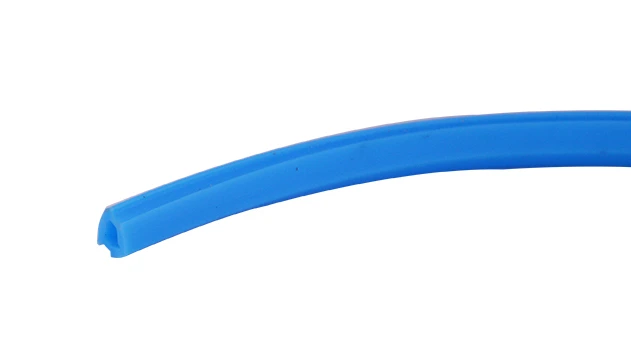
T-slot Rubber Seal Cover
The rubber T-slot seal cover prevents dust and debris buildup, covers wires in the T-slot channel, and adds an extra layer of protection to applications. It rolls into the T-slot, making it easy to assemble.
Small parts, big impact—why these unassuming accessories matter for your aluminum profile systems
Introduction: The Unsung Hero of Aluminum Profiles
Walk through any busy factory floor, and your eyes might be drawn to the large machinery, the hum of conveyor belts, or the precision of assembly lines. But if you take a closer look at the workbenches, material racks, or machine frames, you'll notice something smaller—narrow, rubber strips tucked into the grooves of aluminum extrusion profiles. These are T-slot rubber seal covers, and while they might seem, they're the quiet guardians of industrial efficiency.
Imagine a production line where parts slide smoothly along an aluminum profile rack. Without a seal cover, dust, metal shavings, or spilled coolant could clog the T-slot, jamming the accessories that keep the line moving. Or picture a warehouse where humidity seeps into exposed T-slots, causing corrosion that weakens the profile over time. Suddenly, that "small" rubber strip doesn't seem so trivial anymore.
In this article, we'll dive into what makes T-slot rubber seal covers tick, explore the key factors that determine how long they last, and share practical tips to extend their lifespan. Whether you're a plant manager, a maintenance technician, or someone who simply wants to get the most out of your aluminum profile systems, understanding these factors can save you time, money, and headaches down the line.
What Are T-Slot Rubber Seal Covers, Anyway?
Let's start with the basics. Aluminum extrusion profiles—those versatile, modular building blocks used in everything from workbenches to automated machinery—feature T-shaped slots along their length. These slots are what make aluminum profiles so flexible: they let you attach accessories like brackets, handles, or panels without drilling holes, using screws or sliding nuts that fit snugly into the T-slot.
But T-slots are also vulnerable. Left exposed, they collect dust, debris, and moisture, which can corrode the aluminum, jam moving parts, or even compromise the structural integrity of the profile. That's where T-slot rubber seal covers come in. Made from flexible rubber or elastomer materials, these covers slide into the T-slot, creating a protective barrier. They're like the weatherstripping on a door—small, but essential for keeping the bad stuff out and the good stuff (smooth operation, longevity) in.
As part of aluminum profile accessories, seal covers also play a role in safety and aesthetics. A worn or missing seal can leave sharp edges exposed, increasing the risk of cuts for workers. And let's not forget appearance: a clean, well-sealed profile looks more professional than one caked with grime—small details that add up to a more polished workspace.

Key Factors That Impact Lifespan: Why Some Seal Covers Last Longer Than Others
Not all T-slot rubber seal covers are created equal. Some might fray after a few months, while others hold up for years. The difference comes down to a handful of critical factors. Let's break them down one by one.
1. Material Quality: It All Starts with the Rubber
The first thing to check is the type of rubber used. Seal covers are typically made from three materials: EPDM (ethylene propylene diene monomer), silicone, or PVC (polyvinyl chloride). Each has its own strengths and weaknesses, and choosing the right one for your environment is half the battle.
| Material Type | Temperature Resistance | Chemical Resistance | UV Resistance | Typical Lifespan (Industrial Settings) | Best For |
|---|---|---|---|---|---|
| EPDM | -40°C to 150°C (-40°F to 302°F) | Excellent (oils, coolants, mild acids) | Good (resists fading/cracking) | 3–5 years | General industrial use, outdoor applications |
| Silicone | -60°C to 230°C (-76°F to 446°F) | Fair (resists water, weak acids; poor with oils) | Excellent (no UV degradation) | 5–7 years | High-temperature environments (ovens, foundries) |
| PVC | -10°C to 60°C (14°F to 140°F) | Poor (swells in oils, solvents) | Poor (brittles in sunlight) | 1–2 years | Low-cost, indoor, low-stress applications |
EPDM is the workhorse of the group—affordable, durable, and resistant to most industrial chemicals. It's a safe bet for general use, from factory workbenches to warehouse racks. Silicone, on the other hand, thrives in extreme heat, making it ideal for settings like automotive paint shops or food processing plants. PVC is cheaper but falls short in harsh conditions; it's best saved for temporary setups or indoor spaces with minimal exposure to elements.
Another thing to watch for is the rubber's hardness, measured in Shore A durometer. Most seal covers range from 60–80 Shore A—softer (60A) for tight T-slots, harder (80A) for high-wear areas. A cover that's too soft might tear easily; too hard, and it won't seal properly, leaving gaps for debris.
2. Environmental Conditions: Your Factory's "Weather" Matters
Even the best rubber can't withstand a hostile environment forever. Let's say you install an EPDM seal cover in a cold storage facility where temperatures dip to -30°C. Over time, the rubber will harden and crack—EPDM's lower limit is -40°C, but constant exposure to near-freezing temps accelerates wear. Similarly, a silicone cover in a factory with heavy oil mist might swell and degrade, since silicone isn't oil-resistant.
Humidity is another culprit. In coastal areas or plants with high moisture (like paper mills), excess water can seep under the seal, causing the aluminum profile to corrode from the inside out. And don't forget UV light: seal covers near windows or outdoor workstations take a beating from the sun, which breaks down rubber molecules and leads to brittleness.
The takeaway? Map your environment first. Note temperature ranges, humidity levels, and exposure to chemicals or UV light. Then pick a seal cover material that's built to handle those conditions.
3. Installation: Even the Best Part Fails If Installed Wrong
You've chosen the perfect EPDM seal for your workshop. Now, you hand it to a new technician who stretches it to fit a slightly too-small T-slot. A month later, the cover is cracked along the edges. What happened? Overstretching weakens the rubber, making it prone to tearing. Similarly, a cover that's too loose will slide around, exposing parts of the T-slot and wearing unevenly.
Proper installation starts with measuring the T-slot correctly. Aluminum extrusion profiles come in standard sizes (like 2020, 3030, or 4040, referring to width and height in millimeters), and seal covers are designed to match these. A 2020 profile needs a 20mm-wide seal; using a 30mm cover will leave excess material that gets caught on accessories.
Installation tips: Clean the T-slot first—dust or debris can prevent the seal from seating properly. Use a rubber mallet to tap the cover into place gently, working from one end to the other to avoid air bubbles. And never use sharp tools to pry it in; that's a surefire way to nick the rubber.
4. Usage Intensity: How Hard Are You Working the Seal?
A seal cover on a rarely used storage rack will last longer than one on a busy assembly line workbench. Why? Because every time someone slides a bracket or tool into the T-slot, the seal rubs against the accessory, causing friction. Over time, this wears down the rubber, especially if the accessory has sharp edges or is moved frequently.
Heavy loads matter too. If you're attaching a 50kg tool holder to the profile, the pressure can compress the seal, leading to permanent deformation. In high-traffic areas, consider upgrading to a thicker or reinforced seal cover—some manufacturers offer double-walled or fabric-reinforced options for extra durability.
5. Compatibility: Not All Aluminum Profiles Are the Same
Aluminum profiles aren't just about size—they also have different T-slot designs. Some have narrow, deep slots; others are wide and shallow. A seal cover made for a narrow slot might not fit a wide one, even if the profile size is the same. For example, a 4040 aluminum extrusion profile from one supplier might have a T-slot width of 8mm, while another's 4040 profile has a 10mm slot. Using the wrong seal leads to poor fit and premature wear.
It's also worth checking if the profile has any special features, like rounded T-slot edges. Some seal covers are designed to snap into rounded slots, while others need sharp corners to hold. Mixing and matching can cause the seal to pop out or wear unevenly.

Extending Lifespan: Practical Tips for Longer-Lasting Seal Covers
Now that you know what affects lifespan, let's talk about how to make your T-slot rubber seal covers last longer. These simple steps can add years to their life—and save you from frequent replacements.
1. Choose the Right Material for the Job
We can't stress this enough: match the seal cover to your environment. For high temps, go silicone. For oil exposure, stick with EPDM. For budget-friendly indoor use, PVC might work—but be prepared to replace it sooner. When in doubt, ask your aluminum profile supplier for recommendations; they'll know which seal covers pair best with their profiles.
2. Train Your Team on Proper Installation
A 10-minute training session can prevent costly mistakes. Show your team how to measure T-slots, select the right seal size, and install without stretching or damaging the rubber. Provide tools like soft mallets and tape measures, and make sure everyone knows to avoid using knives or screwdrivers to adjust the seal.
3. Inspect and Clean Regularly
Set a schedule—say, monthly—to check seal covers. Look for cracks, fraying, or discoloration. Wipe them down with a damp cloth to remove dust and debris; for oily environments, use a mild detergent (avoid harsh chemicals that can degrade rubber). If you spot a small tear, patch it with rubber cement temporarily, but plan to replace the seal soon—small damage spreads quickly.
4. Protect Against the Elements
For outdoor profiles or those near windows, apply a UV protectant spray (like those used for car tires) to slow sun damage. In humid areas, use a dehumidifier or install drainage to keep moisture away from the T-slots. And if your factory uses harsh chemicals, consider adding a secondary barrier, like a plastic shield, to reduce direct exposure.
5. replace Proactively, Not Reactively
Waiting until a seal cover is completely worn out is risky. A torn seal lets debris into the T-slot, which can damage expensive aluminum profile accessories or even the profile itself. Instead, replace seals when you notice signs of wear—like cracks, brittleness, or loose fit. Keep a stock of spare covers on hand so you're not scrambling to find replacements.
Real-World Impact: How Seal Covers Keep Operations Running
Still not convinced these small rubber strips matter? Let's look at a real example. A mid-sized automotive parts manufacturer was struggling with frequent jams on their assembly line. The issue? Dust and metal shavings were clogging the T-slots of their aluminum profile workbenches, causing the sliding tool holders to stick. Production slowed by 15% as workers stopped to clean the slots.
After installing EPDM T-slot seal covers (chosen for their chemical resistance to oils and coolants), the jams stopped. The factory saved an estimated 10 hours per week in downtime, and the seal covers lasted over 4 years before needing replacement. The total cost? Less than $500 for covers and installation—compared to thousands in lost productivity.
Another example: a warehouse using aluminum extrusion profile racks for storing electronics components. High humidity was causing corrosion in exposed T-slots, leading to rust stains on the components. Switching to silicone seal covers (which repel moisture better than EPDM) and adding dehumidifiers eliminated the corrosion, reducing component waste by 30%.
Conclusion: Small Parts, Big Results
T-slot rubber seal covers might not be the most glamorous part of your industrial setup, but they're a reminder that success lies in the details. By choosing the right material, installing properly, and maintaining regularly, you can extend their lifespan and keep your aluminum profile systems running smoothly.
Remember: a well-sealed T-slot means less downtime, fewer repairs, and a safer, more efficient workspace. So the next time you walk past that aluminum extrusion profile workbench, take a second to check the seal covers. Those small rubber strips are working harder than you think.