- Company Articles
- Products and Technology
- Installation And Maintenance
- T-Slot Rubber Seal Cover Maintenance: How to Extend Lifespan in Heavy-Duty Industrial Use

T-Slot Rubber Seal Cover Maintenance: How to Extend Lifespan in Heavy-Duty Industrial Use
Related Product
T-slot Rubber Seal Cover
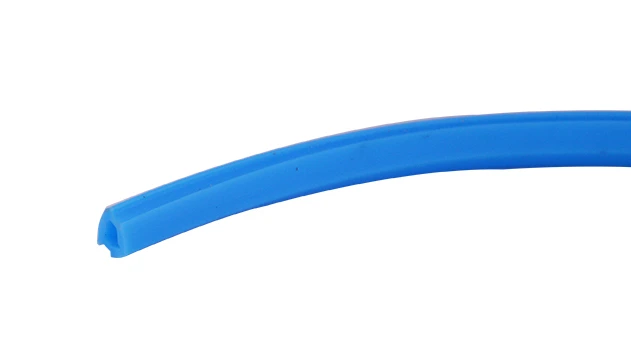
The rubber T-slot seal cover prevents dust and debris buildup, covers wires in the T-slot channel, and adds an extra layer of protection to applications. It rolls into the T-slot, making it easy to assemble.
A Practical Guide for Plant Managers, Maintenance Teams, and Industrial Enthusiasts
Introduction: Why T-Slot Rubber Seal Covers Deserve Your Attention
Walk through any modern factory, warehouse, or assembly line, and you'll likely spot rows of sleek aluminum extrusion profiles holding up workbenches, material racks, or conveyor systems. These structures are the backbone of efficient operations—but look closer, and you'll notice a small but mighty component filling the grooves of those profiles: the T-slot rubber seal cover. It's easy to overlook these unassuming strips of rubber, but they play a critical role in keeping your industrial setup running smoothly, safely, and cost-effectively.
Think about it: Every day, your aluminum profiles face dust, debris, moisture, and even accidental impacts from tools or materials. Without proper protection, those T-slots—the channels that make aluminum profiles so versatile for attaching accessories—can become clogged, corroded, or damaged. That's where T-slot rubber seal covers step in. They act as a barrier, shielding the slots from contaminants, reducing noise from vibrations, and even preventing workers from catching fingers or tools in the grooves. In short, they're the unsung heroes of industrial durability.
But here's the catch: Like any component, T-slot rubber seal covers don't last forever—especially in heavy-duty environments. Heat, chemicals, constant friction, and neglect can turn a reliable seal into a cracked, brittle mess, leaving your aluminum profiles vulnerable. The good news? With the right maintenance routine, you can significantly extend their lifespan, avoid costly replacements, and keep your operations humming. In this guide, we'll break down everything you need to know to care for these essential aluminum profile accessories, from understanding their design to troubleshooting common issues.
Understanding T-Slot Rubber Seal Covers: What They Are and How They Work
The Basics: Design and Materials
Before diving into maintenance, let's get familiar with what T-slot rubber seal covers actually are. As the name suggests, these are flexible strips of rubber (or rubber-like materials) designed to fit snugly into the T-shaped grooves of aluminum extrusion profiles. Their primary job? To seal the slot, but they do so much more.
Most T-slot rubber seal covers are made from one of three materials, each with its own strengths:
- EPDM Rubber: The workhorse of the group. EPDM (Ethylene Propylene Diene Monomer) is resistant to heat, ozone, and weathering—perfect for indoor and outdoor use. It's flexible, durable, and stands up well to water and mild chemicals.
- Silicone Rubber: The high-temperature champion. Silicone can handle extreme heat (up to 600°F in some cases) and cold, making it ideal for environments like automotive paint shops or food processing facilities. It's also resistant to oils and solvents, though slightly pricier than EPDM.
- PVC (Polyvinyl Chloride): The budget-friendly option. PVC is rigid yet flexible, resistant to abrasion, and easy to install. However, it's less durable in high heat or harsh chemical environments, so it's best for light to medium-duty applications.
Regardless of material, most seal covers feature a "T" or "U" shape that locks into the profile's groove, with a top lip that sits flush or slightly proud of the profile surface. Some even have additional features, like a felt or foam lining for extra dust protection, or a textured surface to reduce slipping.
Why They Matter: The Role in Industrial Setups
You might be thinking, "Do I really need these? Can't I just leave the T-slots open?" In short: No—especially if you care about efficiency, safety, and long-term costs. Here's why T-slot rubber seal covers are non-negotiable for aluminum extrusion profile systems:
- Contaminant Protection: Dust, dirt, metal shavings, and liquids love to settle in T-slots. Over time, these build up, making it hard to attach accessories (like brackets or shelves) and potentially causing corrosion. Seal covers block these invaders, keeping slots clean and functional.
- Safety First: Open T-slots are a hazard. Workers can catch gloves, clothing, or even fingers in them, leading to cuts or pinched skin. Seal covers smooth out the profile's surface, reducing the risk of accidents.
- Vibration and Noise Reduction: In busy factories, aluminum profiles vibrate—whether from nearby machinery or moving parts. Unsealed slots can amplify this noise. The rubber in seal covers acts as a dampener, quieting the workspace.
- Aesthetic and Structural Integrity: Let's face it—unsealed T-slots look unfinished. Seal covers give profiles a clean, professional appearance. They also help maintain the profile's structural integrity by preventing moisture from seeping into the groove and weakening the material over time.
Put simply, T-slot rubber seal covers are the unsung guardians of your aluminum profile systems. Neglect them, and you're not just replacing a cheap part—you're risking damage to the far more expensive profiles themselves.

Common Threats to Lifespan: What's Hurting Your Seal Covers?
To protect your T-slot rubber seal covers, you first need to know what's working against them. In heavy-duty industrial settings, these components face a barrage of enemies daily. Let's break down the most common culprits:
1. Heat and UV Exposure
Aluminum extrusion profiles are often used near machinery that generates heat—think furnaces, welding stations, or engines. Over time, constant high temperatures can cause rubber seal covers to dry out, harden, and crack. This is especially true for PVC and lower-grade EPDM, which start to degrade above 150°F. UV light (from sunlight or bright industrial lighting) accelerates this process by breaking down the rubber's molecular bonds, leading to discoloration and brittleness.
2. Chemical Contact
Factories are full of chemicals—oils, solvents, cleaning agents, coolants, and even harsh detergents. Many of these can react with rubber, causing swelling, softening, or discoloration. For example, mineral oils can dissolve PVC, while strong acids might eat away at EPDM. Even something as common as degreaser, if left on the seal cover, can cause long-term damage.
3. Friction and Abrasion
Heavy-duty use means movement: workers sliding tools along profiles, materials rubbing against surfaces, or accessories being attached and removed from T-slots. All this friction wears down the seal cover's top layer, eventually exposing the underlying rubber and weakening the seal. In areas with high traffic (like workbench edges or conveyor supports), this can happen surprisingly quickly.
4. Improper Installation
Even the best seal cover won't last if it's installed wrong. Stretching the rubber too tight during installation can cause it to tear or lose elasticity over time. Conversely, a loose fit allows debris to sneak in, and the cover may slide out of place, leaving parts of the slot exposed. Using the wrong size (e.g., a seal cover designed for a 20mm slot on a 30mm profile) is another common mistake—one that guarantees premature failure.
5. Neglect
Perhaps the biggest enemy of all: out of sight, out of mind. It's easy to forget about T-slot rubber seal covers when they're doing their job. But without regular checks and cleaning, small issues (like a tiny crack or a bit of debris) turn into big problems. By the time you notice a problem, the damage is often irreversible.

The Maintenance Routine: Daily, Weekly, and Monthly Tasks
The key to extending your T-slot rubber seal covers' lifespan is consistency. Below is a step-by-step maintenance schedule tailored to heavy-duty industrial environments. Stick to it, and you'll see a noticeable difference in how long your seal covers last.
Daily Maintenance: Quick Checks to Start Your Shift
These tasks take 5–10 minutes per work area and should be done at the start of each shift. They're designed to catch immediate issues before they escalate.
- Visual Inspection: Walk along your aluminum extrusion profiles and scan the seal covers. Look for obvious signs of damage: cracks, tears, missing sections, or discoloration (like fading or dark spots, which can indicate chemical exposure). Pay extra attention to high-traffic areas, like workbench edges or near conveyor belts.
- Dust and Debris Removal: Use a soft-bristled brush (a clean paintbrush or small hand broom works) to sweep away loose dust, dirt, or metal shavings from the seal cover surface and around the edges. Avoid using compressed air here—blowing debris into the T-slot can push it under the seal, causing more harm than good.
- Check for Loose Fit: Gently run your finger along the seal cover. It should feel snug in the slot. If you notice sections that are lifting, sliding, or gaping, press them back into place. If they won't stay, mark the area for closer inspection during weekly maintenance.
Weekly Maintenance: Deeper Cleaning and Adjustments
Set aside 30–60 minutes once a week for these more thorough tasks. They'll help prevent buildup and address minor issues.
- Deep Cleaning: Mix a mild detergent (like dish soap) with warm water in a bucket. Dip a soft sponge or microfiber cloth into the solution and gently wipe down the seal covers. Focus on areas with stubborn grime or oil spots. Rinse the sponge frequently to avoid spreading dirt. For hard-to-reach spots (like corners), use a soft toothbrush. Avoid harsh cleaners (bleach, ammonia, or abrasive scrubs) as they can degrade the rubber.
- Inspect T-Slot Grooves: Carefully peel back a small section of the seal cover (if possible) to check the groove underneath. If you see debris, use tweezers or a small pick to remove it. Be gentle—you don't want to damage the seal or the profile's finish.
- Lubrication (If Needed): For seal covers that slide or are frequently removed (e.g., in areas where accessories are changed often), apply a tiny amount of silicone-based lubricant to the edges of the seal. This reduces friction and makes reinstallation easier. Avoid petroleum-based lubricants (like WD-40), as they can degrade rubber over time.
- Tighten or Re-seat Loose Covers: For seal covers that were marked during daily checks, try to re-seat them properly. If they still won't stay, trim any excess rubber (if it's overlapping) or use a small amount of rubber adhesive (specifically designed for EPDM/silicone) to secure the edges. Avoid super glue—it's too rigid and can damage the profile.
Monthly Maintenance: Comprehensive Care and Planning
Once a month, dedicate 1–2 hours to these tasks. They'll help you spot long-term trends and plan for replacements.
- Full-Surface Inspection: Do a detailed check of every seal cover in your facility. Note the condition of each (e.g., "Workbench A: EPDM seal, minor cracking at corners; Conveyor B: Silicone seal, no issues"). Logging this information helps you track wear patterns and predict when replacements will be needed.
- Test Flexibility: Gently bend a small section of the seal cover (avoiding areas with cracks). It should spring back into shape. If it feels stiff, brittle, or doesn't flex easily, it's a sign the material is aging—start budgeting for a replacement.
- Check for Chemical Damage: If your facility uses oils, solvents, or other chemicals, use a pH test strip (available at hardware stores) to check the seal cover surface. A pH outside the 6–8 range (neutral) could indicate chemical residue. Clean affected areas thoroughly with mild soap and water, and consider switching to a more chemical-resistant seal cover (like silicone) in those zones.
- Inventory Check: Review your stock of replacement T-slot rubber seal covers and aluminum profile accessories. Heavy-duty environments go through seal covers faster than you might think—running out could leave your profiles exposed while waiting for new parts. Keep at least a 3-month supply on hand, and order from a reliable aluminum profile accessories supplier to ensure quality.
Seasonal Maintenance: Adapting to Environmental Changes
Twice a year (spring and fall), do these additional tasks to account for temperature and humidity shifts.
- Heat/Cold Prep: If summer brings high temperatures, check silicone or EPDM seals for signs of softening. In winter, ensure PVC seals aren't becoming too rigid (which can lead to cracking in cold weather). Consider adding extra insulation around profiles in extreme temperature zones.
- Humidity Check: In humid environments, mold or mildew can grow on seal covers. Use a mixture of equal parts water and white vinegar to clean affected areas (test a small spot first to ensure it doesn't discolor the rubber). Increase ventilation if mold is a recurring issue.
| Frequency | Key Tasks | Tools Needed | Notes |
|---|---|---|---|
| Daily | Visual inspection, dust removal, check fit | Soft brush, flashlight | Focus on high-traffic areas first |
| Weekly | Deep cleaning, groove inspection, lubrication (if needed) | Mild detergent, sponge, soft toothbrush, silicone lubricant | Avoid harsh cleaners—stick to soap and water |
| Monthly | Full inspection, flexibility test, chemical check, inventory review | pH test strips, inspection log, inventory sheet | Log data to track wear patterns over time |
Troubleshooting Common Issues: What to Do When Problems Arise
Even with perfect maintenance, issues can pop up. Here's how to diagnose and fix the most common T-slot rubber seal cover problems.
Problem 1: Cracks or Tears
Signs: Visible splits in the rubber, often along edges or at stress points (like corners).
Causes: Age, heat, UV exposure, or physical impact (e.g., a dropped tool).
Solution: Small cracks (less than 1 inch) can be temporarily repaired with rubber repair tape (ensure it's compatible with your seal material). For larger tears or multiple cracks, replace the seal cover immediately—leaving it could let debris into the T-slot and damage the aluminum profile.
Problem 2: Discoloration or Staining
Signs: Fading, yellowing, or dark spots on the seal cover surface.
Causes: UV exposure (fading), chemical spills (dark spots), or mold (green/black spots in humid areas).
Solution: For fading: If the seal is still flexible, it's cosmetic—no need to replace unless aesthetics matter. For chemical stains: Clean with mild soap and water; if they persist, switch to a chemical-resistant material (silicone). For mold: Scrub with vinegar solution, dry thoroughly, and improve ventilation.
Problem 3: Loose or Sliding Seal Covers
Signs: Sections of the seal cover pull away from the T-slot or shift position easily.
Causes: Improper installation, worn rubber (lost elasticity), or debris under the seal.
Solution: Remove the seal, clean the T-slot thoroughly, and re-install with a small amount of rubber adhesive (apply sparingly to avoid blocking future accessory installation). If the rubber is too worn to stay in place, replace it.
Problem 4: Hardening or Brittleness
Signs: The seal cover feels stiff, doesn't flex, or crumbles when bent.
Causes: Age, prolonged heat exposure, or oxidation (from air and moisture).
Solution: No fix here—hardened rubber is a sign of irreversible damage. replace the seal cover immediately to avoid pieces breaking off into the T-slot.
Advanced Care: Upgrades and Pro Tips for Extreme Environments
For facilities with especially harsh conditions—think foundries, chemical plants, or outdoor industrial yards—basic maintenance might not be enough. Here are some advanced strategies to boost your seal covers' resilience.
Upgrade to Heavy-Duty Materials
If you're still using PVC or standard EPDM in high-heat or chemical-rich areas, consider upgrading to:
- High-Temp Silicone: Look for silicone seal covers rated for 400°F+ (ideal for welding areas or near furnaces).
- Fluoroelastomer (FKM/Viton): For extreme chemicals (acids, fuels, solvents), FKM seal covers are nearly indestructible—though they come with a higher price tag.
- Reinforced Rubber: Some seal covers have a fabric or metal mesh core for added strength, perfect for high-abrasion areas (like conveyor supports).
Add Protective Guards
In areas with heavy impact (e.g., near loading docks or where pallets are moved), install aluminum profile guards over the seal covers. These are simple L-shaped aluminum extrusion profiles that bolt to the main profile, shielding the seal from direct hits.
Custom-Cut Seal Covers
Pre-cut seal covers are convenient, but they often have extra length that gets trimmed on-site—leading to waste and uneven edges. Work with your aluminum profile accessories supplier to order custom-cut seal covers tailored to your exact profile lengths. This reduces installation time and ensures a perfect fit, minimizing gaps where debris can sneak in.
Implement a "Seal Cover Map"
For large facilities, create a digital or physical map of your aluminum extrusion profiles, noting the type, age, and condition of each seal cover. This makes maintenance faster, helps track replacement cycles, and ensures no area is missed during inspections.
Case Study: How One Factory Extended Seal Cover Lifespan by 60%
To see these strategies in action, let's look at a real-world example. A mid-sized automotive parts manufacturer in Michigan was struggling with frequent T-slot rubber seal cover failures. Their production line used standard EPDM seal covers on aluminum extrusion profile workbenches and conveyor supports, but the covers were cracking and needing replacement every 3–4 months—costing them time and money.
After assessing their facility, we identified the main issues: high heat from welding stations, oil and coolant spills, and irregular maintenance. Here's what they did to turn things around:
- Material Upgrade: They switched to silicone seal covers near welding stations and EPDM with fabric reinforcement on conveyor supports.
- Maintenance Schedule: Implemented the daily/weekly/monthly routine outlined above, assigning a dedicated maintenance tech to log seal cover conditions.
- Chemical Training: Trained workers to clean up oil/coolant spills immediately and provided pH test strips for weekly checks.
- Custom-Cut Seals: Ordered custom-length seal covers from their aluminum profile accessories supplier to avoid trimming and ensure a snug fit.
The results? Within six months, seal cover replacement frequency dropped from every 3–4 months to 8–10 months—a 60% extension in lifespan. The factory saved over $12,000 in replacement parts and reduced downtime from unexpected seal failures.
Conclusion: Small Investment, Big Returns
T-slot rubber seal covers might seem like small, insignificant parts of your industrial setup, but their impact is huge. They protect your aluminum extrusion profiles from damage, keep your workspace safe, and ensure your equipment runs smoothly. By investing a little time in regular maintenance—daily checks, weekly cleaning, and monthly inspections—you can extend their lifespan by years, saving money and avoiding headaches down the line.
Remember: The goal isn't just to replace seal covers less often. It's to create a culture of care where every component, no matter how small, is given the attention it deserves. After all, in manufacturing and industrial settings, efficiency and durability start with the details. So grab your brush, start that inspection log, and give your T-slot rubber seal covers the care they need—your aluminum profiles (and your bottom line) will thank you.