- Company Articles
- Products and Technology
- Product knowledge
- T-Slot Rubber Seal Cover Materials: EPDM, Silicone, or Nitrile? Choosing the Right Rubber for Your Needs

T-Slot Rubber Seal Cover Materials: EPDM, Silicone, or Nitrile? Choosing the Right Rubber for Your Needs
Related Product
T-slot Rubber Seal Cover
The rubber T-slot seal cover prevents dust and debris buildup, covers wires in the T-slot channel, and adds an extra layer of protection to applications. It rolls into the T-slot, making it easy to assemble.
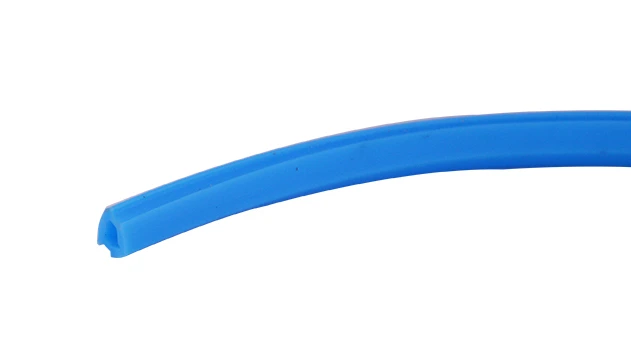
If you've ever worked with aluminum extrusion profiles, you know the small details matter just as much as the big ones. Take the T-slot, for example—that narrow, groove-like channel running along the length of the profile. It's the unsung hero of modular design, letting you attach everything from brackets to panels with ease. But leave that T-slot exposed, and you're asking for trouble: dust buildup, sharp edges, rattling components, or even moisture seeping in and corroding the aluminum. That's where T-slot rubber seal covers come in. These unassuming strips of rubber slide into the T-slot, transforming a functional but unfinished detail into a polished, protected, and purposeful part of your aluminum profile setup.
But not all rubber seal covers are created equal. Walk into any supplier's catalog, and you'll be faced with three main options: EPDM, silicone, and nitrile. Each has its own strengths, weaknesses, and ideal use cases. Choosing the wrong one could mean frequent replacements, reduced performance, or even safety hazards—especially in industrial settings where aluminum profile accessories like conveyor systems, workbenches, or material racks rely on durable, reliable components. So how do you pick? Let's break it down.
First Things First: What Are T-Slot Rubber Seal Covers, Anyway?
Before diving into materials, let's make sure we're on the same page about what T-slot rubber seal covers actually do. If you're new to aluminum profiles, think of the T-slot as the "backbone" of modular design. Aluminum extrusion profiles are engineered with these slots to allow for quick, tool-free assembly—no welding or drilling required. You slide a bolt or bracket into the slot, tighten it, and boom: a secure connection. But those slots are open by default, and that's a problem.
Imagine (oops, scratch that— think about ) a production line workbench built with aluminum profiles. The T-slots along the edges might be used to mount a lamp, a tool holder, or a small conveyor. But if the unused T-slots are left uncovered, metal shavings from machining could get stuck inside, making it hard to adjust components later. Or, if the workbench is in a busy factory, workers might brush against the exposed slot and catch their gloves or sleeves—a safety risk. Worse, in outdoor settings (like a loading dock rack made from aluminum extrusion profiles), rainwater could pool in the T-slot, leading to rust or corrosion over time.
T-slot rubber seal covers solve all these issues. They're flexible strips of rubber (or rubber-like material) designed to fit snugly into the T-slot. Some are solid, others are hollow; some have a lip to keep them in place, others rely on friction. Their job? To seal the slot from debris, protect against physical damage, reduce noise (no more rattling when the profile vibrates), insulate against temperature changes, and even add a finished look to the aluminum profile. In short, they're a tiny but critical aluminum profile accessory that keeps your setup running smoothly.
Now, the key word here is "rubber." But as anyone who's shopped for rubber products knows, "rubber" is a broad category. EPDM, silicone, and nitrile are all elastomers (materials that can return to their original shape after being stretched), but their chemical compositions give them very different properties. Let's meet each one.
EPDM: The All-Around Workhorse
EPDM (short for ethylene propylene diene monomer) is the most common rubber material you'll find in T-slot seal covers—and for good reason. It's like the reliable pickup truck of the rubber world: not flashy, but tough, versatile, and built to handle everyday wear and tear.
What Makes EPDM Stand Out?
Let's start with durability. EPDM is highly resistant to weathering, UV radiation, and ozone—three things that break down many other rubbers. Leave an EPDM seal cover exposed to sunlight, rain, or snow for years, and it won't crack, harden, or become brittle. That's why it's a top choice for outdoor applications, like aluminum profile racks used in warehouses or loading docks, or outdoor workbenches where the T-slots are exposed to the elements.
Temperature-wise, EPDM holds its own too. It can handle a wide range, from around -40°C (-40°F) to 150°C (302°F). That means it works just as well in a freezing cold storage facility as it does in a warm factory. It's also resistant to water and steam, making it a solid pick for environments with high humidity or occasional splashes—think car washes, food processing plants (though we'll talk about silicone for more strict food-grade needs later), or labs where spills are common.
Cost is another plus. EPDM is generally more affordable than silicone, making it a budget-friendly option for large-scale projects. If you're building a production line with hundreds of meters of aluminum extrusion profiles, using EPDM seal covers can cut down on material costs without sacrificing quality.
When to Choose EPDM (and When to Skip It)
EPDM shines in:
- Outdoor applications (UV, rain, ozone exposure)
- General industrial settings (factories, warehouses, workshops)
- Low to moderate temperature environments (-40°C to 150°C)
- Water or steam-exposed areas
- Projects where cost is a primary concern
But EPDM isn't perfect. It's not great with oils, fuels, or strong chemicals. If your aluminum profile setup is in an auto shop where it might come into contact with motor oil, or a lab with harsh solvents, EPDM will degrade over time. It also has lower tensile strength than nitrile, so if you need a seal cover that can withstand heavy abrasion (like constant rubbing from moving parts), you might want to look elsewhere.

Silicone: The High-Temp, High-Purity Specialist
If EPDM is the pickup truck, silicone is the sports car: more specialized, pricier, but built for performance in extreme conditions. Silicone rubber is made from silicon, oxygen, carbon, and hydrogen, giving it unique properties that set it apart from other elastomers.
What Makes Silicone Unique?
The biggest draw of silicone is its temperature resistance. While EPDM tops out at 150°C, silicone can handle up to 230°C (446°F) for extended periods—and some high-grade silicones can even go up to 300°C (572°F) for short bursts. On the flip side, it stays flexible in freezing temperatures as low as -60°C (-76°F). That makes it ideal for environments with extreme heat or cold, like foundries, ovens, or freezers.
Silicone is also inert, meaning it doesn't react with most chemicals, oils, or solvents. It's non-toxic, odorless, and tasteless, which is why it's the go-to for food and medical applications. If you're building a workbench for a commercial kitchen (using aluminum profiles, of course) or a lab bench where sterile conditions are a must, silicone T-slot seal covers are the way to go. They won't leach harmful substances, and they're easy to clean with harsh disinfectants—something EPDM might struggle with.
Another perk? Silicone has excellent electrical insulation properties. In settings where aluminum extrusion profiles are used in electrical enclosures or machinery, a silicone seal cover can add an extra layer of safety by preventing electrical arcing or short circuits through the T-slot.
The Downsides of Silicone
For all its benefits, silicone isn't a one-size-fits-all solution. First, it's expensive—often two to three times the cost of EPDM. If you're working with a tight budget and don't need its high-temperature or food-grade properties, silicone might be overkill.
It's also less resistant to abrasion and tearing than nitrile or even EPDM. If your seal cover will be subject to frequent friction (like from a sliding tool holder or a conveyor belt rubbing against the T-slot), silicone might wear out faster. And while it's chemical-resistant, it's not impervious: strong acids or bases can still break it down over time.
Finally, silicone has poor resistance to petroleum-based products. If it comes into contact with oil, gasoline, or motor fluid, it can swell, soften, or even dissolve. So unless you're in a high-heat or food-safe environment, silicone is probably not the best bet.

Nitrile: The Oil and Chemical Warrior
Last but not least, we have nitrile (also called Buna-N). Nitrile rubber is a synthetic elastomer made from acrylonitrile and butadiene, and it's all about chemical resistance—specifically, resistance to oils, fuels, and solvents. If EPDM is the workhorse and silicone is the specialist, nitrile is the bodyguard, standing strong against the harshest industrial substances.
Why Nitrile? The Lowdown on Chemical Resistance
Nitrile's claim to fame is its ability to repel oils, greases, and petroleum products. Spill motor oil on an EPDM seal cover, and it might swell or crack; spill it on nitrile, and it'll barely bat an eye. That makes nitrile the go-to for automotive shops, machine shops, or factories where lubricants, hydraulic fluids, or solvents are part of the daily grind. For example, if you're building a conveyor system using aluminum extrusion profiles to transport engine parts (which are often coated in oil), nitrile seal covers would be a smart choice to protect the T-slots from oil damage.
Nitrile is also highly abrasion-resistant. Its tough, durable surface can handle frequent rubbing, scraping, or impact—perfect for high-traffic areas like loading docks, where aluminum profile racks might get bumped by forklifts, or workbenches where tools are constantly being slid in and out of T-slot-mounted holders.
Temperature-wise, nitrile holds its own in moderate ranges: from -40°C (-40°F) to 120°C (248°F). That's not as broad as EPDM or silicone, but it's more than enough for most industrial settings that don't involve extreme heat or cold.
When Nitrile Falls Short
Nitrile's biggest weakness? Weather resistance. Unlike EPDM, it doesn't hold up well to UV radiation, ozone, or prolonged exposure to sunlight. Leave a nitrile seal cover outside, and it'll start to harden, crack, or fade within a year or two. That makes it a poor choice for outdoor applications.
It's also less flexible than silicone at low temperatures. While it can handle -40°C, it becomes stiffer and less elastic the colder it gets, which might make it harder to install or remove from the T-slot in freezing conditions. And like silicone, it's more expensive than EPDM—though usually cheaper than silicone.
EPDM vs. Silicone vs. Nitrile: A Side-by-Side Comparison
Still confused? Let's put all this info into a handy table to compare the key properties of each material:
| Property | EPDM | Silicone | Nitrile |
|---|---|---|---|
| Temperature Range | -40°C to 150°C (-40°F to 302°F) | -60°C to 230°C (-76°F to 446°F) | -40°C to 120°C (-40°F to 248°F) |
| Weather/UV Resistance | Excellent (best for outdoor use) | Good (but not as durable as EPDM long-term) | Poor (avoid outdoor exposure) |
| Oil/Fuel Resistance | Poor | Poor | Excellent (best for oil-exposed areas) |
| Chemical Resistance | Resistant to water, steam, mild acids/bases | Resistant to most chemicals, but not oils | Resistant to oils, fuels, solvents, mild acids |
| Abrasion Resistance | Good | Poor to fair | Excellent |
| Food/Medical Grade? | Only FDA-approved grades | Yes (widely used in food/medical) | Only FDA-approved grades (less common) |
| Cost | Low to moderate | High | Moderate to high |
| Best For | Outdoor use, general industrial, water/steam exposure | High heat, food/medical, electrical insulation | Oil/fuel exposure, high abrasion, chemical handling |
How to Choose: 5 Key Questions to Ask Yourself
Now that you know the basics of each material, how do you apply this to your specific project? Start by asking these five questions:
1. Where Will the Aluminum Profile Be Used? Indoor or Outdoor?
This is the first and most critical question. If your setup is outdoors (like an aluminum profile material rack in a warehouse yard) or exposed to direct sunlight (like a workbench near a window), EPDM is your best bet. Its UV and weather resistance will ensure the seal cover lasts for years. Nitrile and silicone will degrade too quickly outdoors, so save them for indoor use.
2. What Temperatures Will It Face?
If your environment regularly hits above 150°C (302°F)—think industrial ovens, foundries, or high-heat manufacturing lines—silicone is the only option. For freezing temperatures below -40°C (-40°F), silicone or EPDM work (nitrile gets stiff). For moderate temps (-40°C to 120°C), all three are possible, but let other factors (like oil exposure) decide.
3. Will It Come Into Contact With Oils, Chemicals, or Food?
Oil or fuel exposure? Nitrile is non-negotiable. Food, medical, or sterile environments? Silicone is the gold standard (look for FDA-approved grades). Water, steam, or mild chemicals? EPDM works great and is more affordable than silicone.
4. How Much Wear and Tear Will the Seal Cover Take?
If the T-slot will see a lot of action—tools sliding in and out, conveyor belts rubbing against it, or frequent adjustments—nitrile or EPDM are better choices than silicone, which tears more easily. For low-abrasion areas (like a stationary workbench where the T-slot is rarely used), silicone is fine.
5. What's Your Budget?
If cost is a major factor and you don't need silicone's high-heat properties or nitrile's chemical resistance, EPDM is the most economical choice. Silicone is the priciest, so reserve it for applications where its unique benefits are necessary. Nitrile falls in the middle, but its cost is justified if you need oil resistance.
Real-World Examples: Putting It All Together
Let's walk through a few scenarios to see how these choices play out in practice.
Example 1: Outdoor Loading Dock Rack
You're building a heavy-duty material rack using aluminum extrusion profiles to store pallets in a warehouse yard. The rack will be exposed to rain, snow, and direct sunlight year-round. T-slot seal covers are needed to keep water and debris out of the slots.
Best Choice:
EPDM. Its UV and weather resistance will prevent cracking or hardening, even after years outdoors. Nitrile would degrade in the sun, and silicone is too expensive for this basic outdoor use.
Example 2: Food Processing Workbench
You're assembling a workbench for a commercial bakery using aluminum profiles. The bench will be used to roll dough, and it needs to be easy to clean with harsh disinfectants. The T-slots need seal covers to prevent flour and water from getting stuck inside.
Best Choice:
Silicone. It's food-safe (FDA-approved), heat-resistant (for when hot pans are placed on the bench), and easy to sanitize. EPDM might harbor bacteria in small cracks, and nitrile isn't food-grade.
Example 3: Automotive Assembly Line Conveyor
You're installing a conveyor system using aluminum extrusion profiles to move car parts through an assembly line. The parts are coated in motor oil and lubricants, and the conveyor runs 24/7, so the T-slot seal covers will see constant abrasion from moving components.
Best Choice:
Nitrile. It resists oil, stands up to abrasion, and works in the moderate temperatures of a factory. EPDM would swell from the oil, and silicone would tear too quickly.
Common Mistakes to Avoid When Choosing
Even with all this info, it's easy to make missteps. Here are a few pitfalls to watch out for:
Mistake #1: Choosing Based on Cost Alone
It's tempting to go with the cheapest option (EPDM) to save money, but if you need oil resistance or high heat tolerance, you'll end up replacing the seal covers every few months—costing more in the long run. Invest in the right material upfront.
Mistake #2: Ignoring the "Small" Exposures
Maybe your workbench isn't directly in the sun, but it's near a window that lets in UV rays for 6 hours a day. Over time, that exposure will degrade nitrile or silicone. Always account for indirect environmental factors.
Mistake #3: Forgetting About Installation
Some seal covers are designed to snap into place, others require adhesive. Make sure the material you choose is flexible enough for your aluminum profile's T-slot design. For example, rigid nitrile might be harder to install in tight slots than flexible EPDM or silicone.
Pro Tip: Test Before You Buy
If you're unsure, ask your aluminum profile supplier for samples of each material. Test them in your environment for a few weeks: expose them to the same temperatures, chemicals, or UV light they'll face long-term. You'll quickly see which holds up best.
Final Thoughts: It's All About Your Specific Needs
At the end of the day, there's no "best" material—only the best material for your project. EPDM is the reliable, all-around choice for most indoor/outdoor industrial settings. Silicone is the specialist for high heat, food safety, or electrical applications. Nitrile is the tough guy for oil, chemicals, and heavy abrasion.
Remember, T-slot rubber seal covers might seem like a small detail, but they play a big role in the performance and longevity of your aluminum extrusion profile setup. Whether you're building a workbench, a conveyor, or a material rack, choosing the right seal cover material will save you time, money, and headaches down the line. And when paired with high-quality aluminum profile accessories, it'll ensure your modular system works as hard as you do.
So next time you're perusing a supplier's catalog, take a moment to think about the environment, the conditions, and the demands of your project. Your T-slots (and your bottom line) will thank you.