- Company Articles
- Products and Technology
- Product knowledge
- T-Slot Rubber Seal Cover vs. Adhesive Seals: Pros and Cons for Lean Manufacturing Systems

T-Slot Rubber Seal Cover vs. Adhesive Seals: Pros and Cons for Lean Manufacturing Systems
Related Product
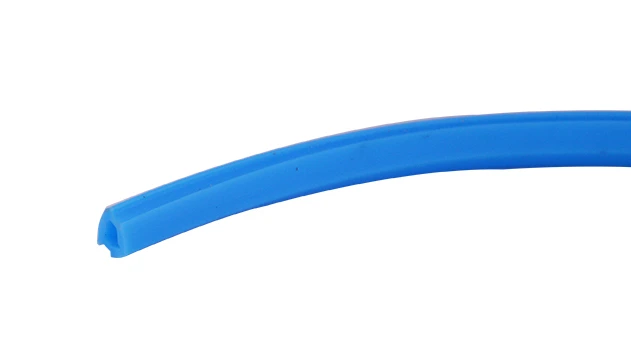
T-slot Rubber Seal Cover
The rubber T-slot seal cover prevents dust and debris buildup, covers wires in the T-slot channel, and adds an extra layer of protection to applications. It rolls into the T-slot, making it easy to assemble.
Introduction: The Small Parts That Drive Big Efficiency in Lean Systems
In the world of lean manufacturing, every detail counts. From the layout of a production line to the tools on a workbench, the goal is simple: eliminate waste, boost efficiency, and keep operations running like a well-oiled machine. But here's the thing—sometimes the smallest components make the biggest difference. Take seals, for example. These unassuming pieces might seem trivial, but they play a critical role in protecting equipment, reducing downtime, and maintaining the smooth flow of work. Today, we're diving into two common seal solutions: T-Slot Rubber Seal Covers and Adhesive Seals. We'll break down their pros, cons, and how they fit into the bigger picture of lean system design—especially when paired with workhorses like aluminum extrusion profiles and roller tracks.
Whether you're setting up a new aluminum profile workbench, retrofitting a roller track for faster material flow, or optimizing an existing lean system, choosing the right seal can mean the difference between a setup that hums and one that sputters. Let's start by understanding what each of these seals is, and then we'll weigh their strengths and weaknesses in real-world manufacturing scenarios.
What Are T-Slot Rubber Seal Covers?
If you've worked with aluminum extrusion profiles—those versatile, groove-lined beams used to build everything from workbenches to material racks—you've probably noticed the T-shaped slots running along their length. These slots are designed to hold fasteners, brackets, and yes, seals. T-Slot Rubber Seal Covers are exactly what they sound like: flexible rubber strips engineered to snap or slide into these T-slots, creating a protective barrier.
Made from durable materials like EPDM or silicone rubber, these seals are typically pre-cut to match standard aluminum profile sizes (think 2020, 3030, or 4040 profiles) and come in various colors (grey and yellow are common, but you'll find others too). Their design is simple but effective: the rubber conforms to the slot's shape, creating a tight fit that keeps out dust, debris, and even small spills. Some are ribbed or textured to enhance grip, while others are smooth for easy sliding when adjustments are needed.
But T-Slot Rubber Seal Covers aren't just about protection. They also add a layer of safety by covering sharp edges in the T-slots, reducing the risk of cuts during assembly or maintenance. And because they're designed specifically for aluminum extrusion profiles, they integrate seamlessly with the rest of the lean system—no awkward gaps or mismatched parts.

The Pros of T-Slot Rubber Seal Covers
1. Built to Last in High-Traffic Lean Environments
Lean manufacturing floors are busy places. Workbenches get banged, roller tracks see constant material movement, and equipment is adjusted or reconfigured regularly. T-Slot Rubber Seal Covers thrive here because rubber is inherently tough. Unlike flimsier materials, they stand up to abrasion, impacts, and temperature swings—whether it's the heat of a welding station or the cool of a warehouse. In fact, quality rubber seals can last years with minimal wear, even in 24/7 operations. That durability translates to less frequent replacements, which aligns perfectly with lean's "reduce waste" mantra.
2. Reusable and Adjustable—Perfect for Flexible Lean Systems
One of the hallmarks of lean manufacturing is adaptability. Production lines change, workbenches get repurposed, and aluminum profiles are often disassembled and reassembled into new configurations. T-Slot Rubber Seal Covers play nice with this flexibility. Since they're not glued down, you can easily remove them, trim them to length, or move them to a different aluminum profile when your setup changes. Need to add a bracket to a workbench? Just pop out the seal, install the bracket, and slide the seal back in. No mess, no fuss, and no wasted seals.
3. Superior Protection for Aluminum Extrusion Profiles and Equipment
The T-slots in aluminum profiles are a double-edged sword: they make customization easy, but they also collect dust, metal shavings, and liquids. Over time, this gunk can jam fasteners, corrode the metal, or even scratch parts moving along a roller track. T-Slot Rubber Seal Covers act like a shield, blocking debris from settling in the slots. This not only extends the life of the aluminum extrusion profiles but also reduces the time spent cleaning and maintaining equipment. Imagine a roller track where the T-slots are sealed tight—no more stopping production to fish out a stray screw or wipe up a spilled coolant. That's the efficiency lean systems are all about.
4. Consistent, Professional Fit with Aluminum Profiles
There's nothing more frustrating than a seal that doesn't quite fit. Adhesive seals can bubble, peel, or leave gaps, but T-Slot Rubber Seal Covers are designed to match the exact dimensions of standard aluminum profiles. This precision ensures a uniform, clean look across your entire lean system—whether it's a row of workbenches or a sprawling roller track setup. And because they're color-coded (grey for neutral setups, yellow for high-visibility areas), they can even help with organization, making it easier to identify zones or tool locations at a glance.

The Cons of T-Slot Rubber Seal Covers
1. Higher Upfront Cost Compared to Adhesive Seals
Quality comes at a price, and T-Slot Rubber Seal Covers are no exception. Compared to basic adhesive seals, they can cost 2–3 times more per foot. For small projects—a single workbench, say—this might not sting, but if you're outfitting an entire production line with aluminum extrusion profiles, the cost can add up quickly. For budget-strapped teams or temporary setups, this upfront expense might be a dealbreaker, even if the long-term durability saves money later.
2. Limited to T-Slot Aluminum Profiles
T-Slot Rubber Seal Covers are specialists, not generalists. They only work with aluminum extrusion profiles that have T-slots. If your lean system uses other materials—like stainless steel pipes, wooden workbenches, or non-slotted aluminum—these seals are useless. This limits their versatility, especially in mixed-material setups. For example, if you have a roller track with both aluminum profiles and steel supports, you'll need a different seal solution for the steel parts, complicating your inventory and installation process.
3. Installation Can Be Tricky in Tight Spaces
While T-Slot Rubber Seal Covers are generally easy to install on open profiles, they can be a hassle in tight or hard-to-reach areas. If your aluminum profile is already mounted to a wall or sandwiched between other components, sliding a seal into the T-slot might require contorting your hands or using special tools. And if the slot is dirty or has debris, you'll need to clean it first—otherwise, the seal won't seat properly. This isn't a dealbreaker, but it does add a few extra minutes to the setup process compared to peel-and-stick alternatives.
What Are Adhesive Seals?
Adhesive Seals, on the other hand, are the "quick fix" of the seal world. These are thin, flexible strips (often made of foam, rubber, or vinyl) with a strong adhesive backing. They come in rolls or pre-cut lengths, and installation is as simple as peeling off the protective liner and sticking them to a clean surface. No T-slots required—they'll adhere to aluminum, steel, wood, plastic, or just about any other material you can think of.
You've probably used adhesive seals before, even if you didn't realize it. They're common in DIY projects, office setups, and yes, manufacturing. Some are designed for general use (think black foam tape), while others are specialized: heat-resistant for near ovens, water-resistant for damp areas, or ESD-safe for electronics workbenches. They're lightweight, inexpensive, and available at just about any hardware store or industrial supplier.
In lean systems, Adhesive Seals are often used for temporary fixes, quick upgrades, or on surfaces where T-slots aren't present. For example, if you need to seal a gap between a roller track and a wooden workbench, or cover a scratch on a stainless steel tool cart, adhesive seals are a go-to. They're also popular for low-budget projects or when time is tight—no need to measure T-slot sizes or order custom parts; just grab a roll and stick.
The Pros of Adhesive Seals
1. Budget-Friendly for Small or Temporary Projects
Let's cut to the chase: Adhesive Seals are cheap. A roll can cost a fraction of what you'd pay for T-Slot Rubber Seal Covers, making them ideal for teams working with limited funds. If you're prototyping a new lean system layout, setting up a temporary workbench for a short-term project, or just need to patch a seal quickly, adhesive options won't break the bank. This low cost also makes them disposable—if a seal gets damaged, you can tear it off and replace it without worrying about wasting money.
2. Versatile Across Materials
Unlike T-Slot Rubber Seal Covers, Adhesive Seals aren't picky about surfaces. Need to seal a gap on an aluminum profile? Stick 'em. Cover a rough edge on a steel roller track? Stick 'em. Even on non-industrial materials like plywood or plastic, they'll adhere (as long as the surface is clean). This versatility is a huge plus in lean systems that mix materials or have legacy equipment that isn't T-slot compatible. One seal solution, multiple applications—no need to stock different products for different surfaces.
3. Lightning-Fast Installation
In lean manufacturing, time is money. Adhesive Seals win here hands down. No measuring T-slots, no tools, no fuss—just peel, stick, and press. Even a novice can install them in minutes, which is a lifesaver during tight production deadlines or unexpected maintenance. For example, if a seal on a roller track fails mid-shift, a quick trip to the supply closet and 5 minutes of work is all it takes to get things moving again. Compare that to T-Slot Covers, which might require cleaning the slot, aligning the seal, and ensuring a tight fit—valuable time that could be spent on more critical tasks.
The Cons of Adhesive Seals
1. Short Lifespan in High-Wear Areas
Adhesive Seals are great for quick fixes, but they're not built to last. The adhesive backing weakens over time, especially in high-traffic areas. On a busy workbench where tools are constantly slid around, or a roller track where boxes rub against the seal, they'll peel, crack, or wear thin within months. Even in low-traffic areas, exposure to heat, cold, or chemicals can break down the adhesive. This means frequent replacements—exactly the kind of waste lean systems aim to eliminate. Every time you stop to replace a seal, you're losing productivity, and those small delays add up.
2. Messy Residue and Damage During Removal
Ever tried to peel off old adhesive tape? It leaves a sticky, gunky mess. Adhesive Seals are no different. When you remove them, they often leave behind residue that's tough to clean, requiring solvents or scrapers. Worse, if the adhesive is too strong, it might even peel off paint, powder coating, or the top layer of an aluminum profile when removed. This damage isn't just unsightly—it can compromise the integrity of the material, leading to more waste down the line. In lean systems where equipment is reused or reconfigured, this residue becomes a maintenance headache.
3. Inconsistent Protection and Fit
Adhesive Seals rely on the user to apply them evenly, which is easier said than done. Bubbles, wrinkles, or misalignment can create gaps where debris or liquids seep through. Unlike T-Slot Rubber Seal Covers, which snap into a uniform slot, adhesive seals conform to the surface's irregularities—so if your aluminum profile has a scratch or dent, the seal might not lay flat, leaving weak spots. This inconsistent protection can lead to unexpected downtime, like a jammed roller track because a seal didn't block a stray screw.
T-Slot Rubber Seal Cover vs. Adhesive Seals: A Side-by-Side Comparison
To make it easier to weigh your options, here's a quick comparison table breaking down the key features of each seal type:
| Feature | T-Slot Rubber Seal Cover | Adhesive Seal |
|---|---|---|
| Best For | Aluminum extrusion profiles, long-term lean systems, high-traffic areas | Temporary setups, mixed-material surfaces, budget projects |
| Durability | High (years of use in industrial environments) | Low (months of use; prone to peeling/wear) |
| Cost | Higher upfront (2–3x adhesive seals) | Low upfront (affordable for small/short-term use) |
| Installation | Moderate (requires clean T-slots; tricky in tight spaces) | Easy (peel-and-stick; no tools needed) |
| Reusability | High (can be removed, trimmed, and reused) | Low (adhesive fails after removal; disposable) |
| Material Compatibility | Limited (only T-slot aluminum profiles) | High (adheres to aluminum, steel, wood, plastic, etc.) |
| Protection Level | Excellent (tight seal against debris, liquids, and sharp edges) | Basic (gaps possible; less protection against heavy debris) |
| Waste Impact | Low (long lifespan reduces replacements) | High (frequent replacements create waste) |
Real-World Scenarios: Which Seal Wins?
To put this all into context, let's look at two common lean system setups and see which seal makes sense.
Scenario 1: A Permanent Aluminum Profile Workbench in a High-Volume Assembly Line
Imagine a busy electronics assembly line where workers use an aluminum extrusion profile workbench 8 hours a day, 5 days a week. The workbench holds sensitive components, and the T-slots are used to mount tools, bins, and ESD-safe mats. Dust, solder splatter, and small screws are constant threats. Here, T-Slot Rubber Seal Covers are the clear winner. Their durability ensures they'll stand up to daily wear, their tight fit blocks debris from jamming tools, and their reusability means they can be adjusted if the workbench is reconfigured. The upfront cost is offset by reduced maintenance and longer equipment life—key for a permanent lean system component.
Scenario 2: A Temporary Roller Track for a 3-Month Product Launch
Now, picture a short-term project: a company launching a new product needs a temporary roller track to move boxes from the warehouse to the packaging station. The track is built with a mix of leftover aluminum profiles and steel pipes, and it will be disassembled after 3 months. Here, Adhesive Seals make sense. They're cheap, quick to install on both aluminum and steel, and disposable—no need to worry about saving them for future use. The temporary nature means the shorter lifespan isn't a problem, and the low cost keeps the project within budget.
Choosing the Right Seal for Your Lean System
At the end of the day, the choice between T-Slot Rubber Seal Covers and Adhesive Seals comes down to three key questions:
- How long will the setup last? For permanent or long-term lean systems (6+ months), T-Slot Rubber Seal Covers are worth the investment. For temporary projects, stick with adhesive.
- What materials are you working with? If your setup uses mostly aluminum extrusion profiles with T-slots, T-Slot Covers are the way to go. For mixed materials or non-slotted surfaces, adhesive is more versatile.
- What's your budget and maintenance tolerance? If you can afford upfront costs and want to minimize long-term maintenance, T-Slot Covers save time and waste. If budget is tight or you don't mind frequent replacements, adhesive works.
And remember: There's no rule that says you have to choose one or the other. Many lean systems use a hybrid approach—T-Slot Rubber Seal Covers on permanent aluminum profile workbenches and Adhesive Seals on temporary roller tracks or legacy equipment. The goal is to eliminate waste, so choose the seal that keeps your system running smoothly with the least hassle and cost.
Conclusion: Sealing the Deal for Lean Efficiency
In lean manufacturing, even the smallest components play a role in driving efficiency. T-Slot Rubber Seal Covers and Adhesive Seals might not be the most glamorous parts of your system, but they're critical for protecting equipment, reducing downtime, and keeping waste in check. T-Slot Covers excel in permanent, aluminum profile-heavy setups, offering durability and consistent protection that aligns with lean's long-term goals. Adhesive Seals, on the other hand, shine in temporary, budget-friendly, or mixed-material projects where quick fixes and low cost are priorities.
The next time you're designing or upgrading a lean system—whether it's a new aluminum extrusion profile workbench, a revamped roller track, or a full production line—take a moment to think about seals. The right choice won't just protect your equipment; it'll help your entire operation run leaner, smoother, and more efficiently. After all, in lean manufacturing, the details aren't just details—they're the building blocks of success.