- Company Articles
- Products and Technology
- Product knowledge
- T-Slot Rubber Seal Cover vs. Plastic Caps: Which Protects T-Slots Better in Manufacturing?

T-Slot Rubber Seal Cover vs. Plastic Caps: Which Protects T-Slots Better in Manufacturing?
Related Product
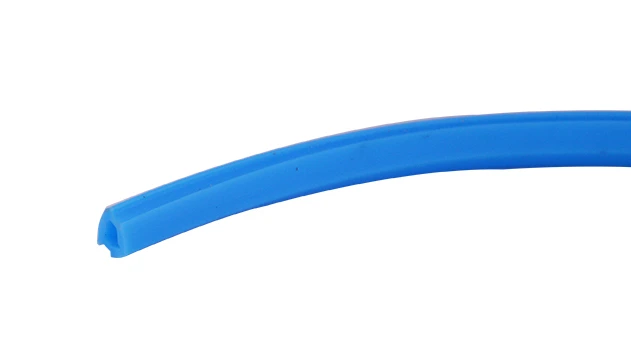
T-slot Rubber Seal Cover
The rubber T-slot seal cover prevents dust and debris buildup, covers wires in the T-slot channel, and adds an extra layer of protection to applications. It rolls into the T-slot, making it easy to assemble.
The Stakes: Why T-Slot Protection Matters in Manufacturing
Before we compare the contenders, let's talk about why T-slot protection isn't just a "nice-to-have." In a factory where every second counts, unprotected T-slots can lead to:
- Debris Buildup: Metal chips from machining, sawdust, or even stray screws can get trapped in T-slots. Over time, this gunk gums up the works, making it hard to slide in fasteners or adjust accessories. Imagine trying to attach a roller track to a workbench only to find the T-slot clogged—suddenly, a 2-minute task becomes a 10-minute cleanup.
- Corrosion and Wear: Coolants, lubricants, or even humidity can seep into unprotected T-slots, causing rust (if using steel) or degradation (if using aluminum). Aluminum extrusion profiles are durable, but their T-slots are vulnerable to pitting if exposed to harsh chemicals over time.
- Safety Risks: Sharp edges from damaged T-slots or protruding debris can snag gloves, clothing, or even skin—turning a routine task into a safety hazard. In high-traffic areas, like near turnover trolleys or conveyor systems, this risk multiplies.
- Equipment Downtime: When T-slots fail, you might need to replace entire sections of aluminum profile or spend hours repairing them. In a lean manufacturing setup, where efficiency is king, downtime equals lost revenue.
Simply put, protecting T-slots isn't just about maintenance—it's about keeping your operation running smoothly, safely, and cost-effectively. Now, let's meet the two main players in this protection game.
T-Slot Rubber Seal Covers: The Flexible Guardians
First up: T-slot rubber seal covers. As the name suggests, these are flexible strips made from rubber (often EPDM, silicone, or neoprene) designed to fit snugly into T-slots. Think of them as a "seal" for your slots—they're not just covering the opening; they're actively blocking debris, liquids, and other threats from getting in.
How Do They Work?
Most rubber seal covers are designed with a "T" or "U" shape that matches the profile of standard T-slots (common in aluminum extrusion profiles like 2020, 3030, or 4040 series). Installation is a breeze: you simply press the cover into the T-slot, and its flexibility allows it to conform to the shape, creating a tight seal. Some designs even have a lip that overlaps the slot's edges, adding extra protection against spills.
What makes rubber seal covers stand out is their adaptability. Unlike rigid covers, they can flex and bend with the aluminum profile—handy if your setup includes curved sections or if you need to temporarily remove a section to attach an accessory. Just peel back the rubber, install your fastener, and press the cover back into place. No tools, no fuss.
The Pros of Rubber Seal Covers
Superior Sealing: Rubber's natural elasticity creates a tight barrier against liquids, dust, and debris. In environments with coolants or frequent spills—like automotive assembly lines or machining shops—this is a game-changer. A rubber seal cover can keep even water from seeping into T-slots, protecting aluminum extrusion profiles from corrosion.
Durability in Harsh Conditions: Rubber is tough. It resists UV rays, extreme temperatures (depending on the type—silicone handles high heat better than EPDM), and most industrial chemicals. In factories with fluctuating temperatures or exposure to oils, rubber seal covers outlast many plastic alternatives.
Safety and Noise Reduction: The soft, flexible texture of rubber reduces the risk of cuts or snags compared to rigid plastic. Plus, it dampens vibrations—useful if your workbench or roller track generates noise during operation. Less clatter, fewer distractions.
Reusability: Unlike some plastic caps that crack when removed, rubber seal covers can be peeled off and reinserted multiple times. If you need to reconfigure your aluminum profile setup—say, moving a material rack or adding a new tool holder—you won't have to replace the covers each time.
The Cons of Rubber Seal Covers
Higher Upfront Cost: Rubber is more expensive than basic plastic, so rubber seal covers typically cost 2–3 times more than plastic caps. For small setups, this might not matter, but for a factory with hundreds of meters of aluminum extrusion profiles, the cost can add up.
Potential for Wear Over Time: While durable, rubber can degrade if exposed to prolonged sunlight (UV rays) or extremely high temperatures. For example, near ovens or welding stations, silicone-based covers might be needed instead of standard EPDM ones—adding to the cost.
Limited Color Options: Rubber seal covers usually come in neutral colors (black, gray, or white) to blend with aluminum profiles. If you need color-coding for organization (e.g., red for high-voltage areas, yellow for caution zones), plastic caps offer more variety.

Plastic Caps: The Budget-Friendly Protectors
Now, let's turn to plastic caps. These are rigid or semi-rigid covers made from plastic (often polyethylene, polypropylene, or PVC) designed to snap onto or press into T-slots or the ends of aluminum profiles. They're the most common T-slot protectors you'll see in factories—affordable, lightweight, and easy to install.
How Do They Work?
Plastic caps come in two main styles: end caps (for covering the open ends of aluminum profiles) and T-slot caps (for covering the length of T-slots). T-slot caps are usually long strips with a rigid "T" shape that fits into the slot, or they might be individual plugs for unused sections. Installation is simple: press them into place, and they stay put via friction or small tabs that grip the slot's edges.
Unlike rubber seal covers, plastic caps are rigid—they don't flex, so they're best for straight, uniform T-slots. They're often used in low-debris environments or as temporary protection during shipping or storage of aluminum extrusion profiles.
The Pros of Plastic Caps
Affordability: This is plastic caps' biggest selling point. They cost a fraction of rubber seal covers—often less than $0.50 per linear foot compared to $1–$2 for rubber. For large-scale operations or budget-conscious facilities, this makes them an attractive choice.
Lightweight and Easy to Install: Plastic caps are so light that you can carry a box of them in one hand. Installation is a quick press-fit—no tools required. This speed is a boon for assembly lines or facilities that frequently reconfigure their aluminum profile setups.
Color Variety: Plastic caps come in almost any color you can imagine—red, blue, yellow, green, you name it. This is perfect for color-coding workbenches, material racks, or lean pipe systems (e.g., green for "in-progress" zones, red for "defective" areas). It adds a visual layer of organization that rubber covers can't match.
UV and Chemical Resistance (Some Types): Certain plastics, like polypropylene, are resistant to UV rays and mild chemicals. For indoor use or areas with low exposure to harsh substances, they hold up well over time.
The Cons of Plastic Caps
Poor Sealing: Plastic caps are rigid, so they don't conform to T-slots as tightly as rubber. Gaps can form, allowing dust, liquids, or small debris to sneak in. In a factory with heavy machining or frequent spills, this means more frequent cleanups.
Brittleness and Breakage: Plastic is prone to cracking, especially in cold temperatures or if dropped. If you need to remove a plastic cap to adjust an accessory, there's a good chance it'll snap—meaning you'll need to replace it. Over time, these replacement costs can add up, even if the initial price is low.
Limited Durability in Harsh Environments: High heat (e.g., near furnaces) can warp plastic caps, while strong chemicals (like industrial solvents) can melt or degrade them. They're not ideal for heavy-duty manufacturing environments.
Safety Concerns: Cracked plastic caps can leave sharp edges, and their rigid nature makes them more likely to snag than flexible rubber. In areas with moving parts, like roller tracks or conveyor systems, a broken plastic cap could even jam machinery.

Head-to-Head: Rubber Seal Covers vs. Plastic Caps
To help you decide which is right for your facility, let's break down their key features side by side:
| Feature | T-Slot Rubber Seal Cover | Plastic Cap |
|---|---|---|
| Material | Rubber (EPDM, silicone, neoprene) | Plastic (polyethylene, polypropylene, PVC) |
| Flexibility | Highly flexible; conforms to T-slots and curved profiles | Rigid; best for straight, uniform T-slots |
| Sealing Effectiveness | Excellent; blocks dust, liquids, and debris | Poor to moderate; gaps allow small debris/liquids |
| Durability | High; resistant to wear, chemicals, and temperature extremes (varies by rubber type) | Low to moderate; prone to cracking, warping, or breaking |
| Cost (Per Linear Foot) | $1–$2 (higher upfront cost) | $0.25–$0.50 (lower upfront cost) |
| Installation Difficulty | Easy; press-fit, no tools needed | Very easy; snap-on or press-fit, no tools needed |
| Best For | Harsh environments (spills, chemicals, debris), outdoor use, ESD-sensitive areas | Low-debris indoor areas, temporary protection, color-coded organization |
Real-World Applications: When to Choose Which
Theory is great, but let's look at how these protectors perform in actual manufacturing settings. Here are three scenarios to illustrate the choice:
Scenario 1: Automotive Assembly Line Workbench
An automotive plant uses aluminum extrusion profile workbenches to assemble engine components. These workbenches are exposed to motor oil, coolant, and metal shavings daily. Workers frequently attach and reattach tools, fixtures, and roller tracks to the T-slots. Best Choice: T-Slot Rubber Seal Covers. The rubber's sealing ability keeps oil and metal chips out of T-slots, reducing cleanup time and preventing corrosion. Its flexibility also makes it easy to peel back and reattach when adjusting tools—critical for a fast-paced assembly line.
Scenario 2: Electronics Manufacturing Cleanroom
A cleanroom producing circuit boards uses aluminum profile material racks to store sensitive components. The environment is low-debris, temperature-controlled, and requires strict organization (color-coding racks by component type). Best Choice: Plastic Caps. Debris is minimal, so sealing isn't critical. Plastic caps in different colors (e.g., blue for resistors, yellow for capacitors) help workers quickly identify materials, and their low cost fits the cleanroom's budget for non-critical components.
Scenario 3: Outdoor Warehouse Material Racks
A warehouse stores aluminum extrusion profiles outdoors, exposed to rain, UV rays, and occasional dust storms. The T-slots on the profiles need protection during storage until they're used in production. Best Choice: Rubber Seal Covers (Silicone). Silicone rubber resists UV rays and rain, preventing water from pooling in T-slots and causing corrosion. Plastic caps would warp in the sun or crack in cold weather, leaving the profiles vulnerable.
The Verdict: Which Protects T-Slots Better?
At the end of the day, there's no one-size-fits-all answer—it depends on your specific needs. But if we're judging purely on protection , T-slot rubber seal covers come out on top. Their flexibility, superior sealing, and durability make them the best choice for keeping T-slots clean, safe, and functional in harsh or high-debris environments.
That said, plastic caps have their place. If you're working with a tight budget, need color-coding, or operate in a low-risk environment (like a cleanroom), they're a practical option. Just be prepared for more frequent replacements and occasional cleanup.
For most manufacturing facilities, though, investing in rubber seal covers is worth the upfront cost. They reduce downtime, extend the life of your aluminum extrusion profiles, and create a safer workspace—all of which translate to long-term savings. Think of it this way: a few extra dollars per foot now can save you hundreds in repairs or replacements later.
Final Thoughts
T-slots are the unsung heroes of lean manufacturing, enabling the flexibility and adaptability that modern facilities rely on. Protecting them with the right solution—whether rubber seal covers or plastic caps—is critical to keeping your operation running smoothly. By weighing factors like environment, budget, and durability, you can choose the protector that ensures your aluminum profiles, workbenches, and roller tracks stay in top shape for years to come. After all, in manufacturing, the little details—like a well-protected T-slot—often make the biggest difference.