- Company Articles
- Products and Technology
- Installation And Maintenance
- T-Slot Rubber Seal Cover Wear Indicators: How to Know When It's Time for Replacement

T-Slot Rubber Seal Cover Wear Indicators: How to Know When It's Time for Replacement
Related Product
T-slot Rubber Seal Cover
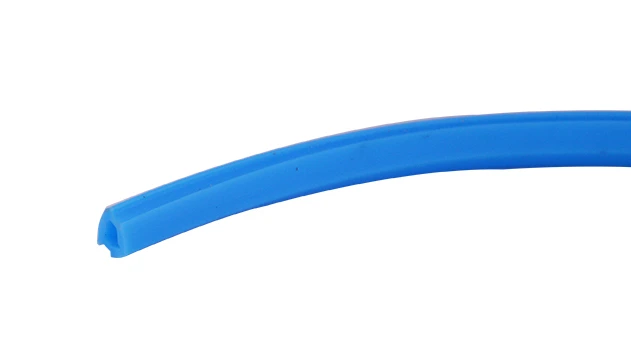
The rubber T-slot seal cover prevents dust and debris buildup, covers wires in the T-slot channel, and adds an extra layer of protection to applications. It rolls into the T-slot, making it easy to assemble.
Picture this: You're standing in your workshop, staring at the aluminum profile workbench that's been the backbone of your daily operations for years. It's held up through countless assembly tasks, tool storage, and even the occasional coffee spill (we've all been there). But lately, something feels off. When you slide a bracket into the T-slot to mount a new tool holder, it's not as smooth as it used to be. You glance down and notice a small, ragged tear in the rubber strip that lines the slot—the T-slot rubber seal cover. "Probably nothing," you think, and get back to work. But here's the thing: that tiny tear might be trying to tell you something important. T-slot rubber seal covers are the unsung heroes of aluminum profile setups, and ignoring their wear and tear could cost you more than just a few minutes of frustration down the line.
In this article, we're diving deep into the world of T-slot rubber seal covers—what they do, why they wear out, and most importantly, how to spot the signs that it's time to replace them. Whether you're running a bustling production line with material rack B setups or just maintaining a home workshop with a simple aluminum profile workbench, understanding these small but critical components will help you keep your equipment running smoothly, safely, and efficiently. Let's start by breaking down what exactly these seal covers are and why they matter.
What Are T-Slot Rubber Seal Covers, Anyway?
If you've worked with aluminum profiles (and if you're here, chances are you have), you're familiar with those long, grooved channels running along the length of the profiles—the T-slots. These slots are what make aluminum profiles so versatile: they let you attach brackets, shelves, handles, and just about any accessory you can think of by sliding bolts or nuts into the slot and tightening them down. But without some form of protection, those T-slots can quickly become a problem. Dust, dirt, metal shavings, and even liquids can work their way into the slots, gumming up the works and making it hard to insert or adjust accessories. That's where T-slot rubber seal covers come in.
T-slot rubber seal covers are flexible, durable strips designed to fit snugly into the T-slots of aluminum profiles. Made from materials like EPDM rubber or silicone, they act as a barrier, keeping debris out and preventing moisture from seeping into the slot and causing corrosion. They also reduce friction when inserting or removing accessories, making adjustments smoother and protecting the edges of the slot from scratches. Think of them as the "weatherstripping" for your aluminum profiles—small, unassuming, but critical for keeping things running smoothly.
But their job doesn't stop there. In setups like material rack B (the 3-row, 3-floor storage solution common in warehouses), T-slot rubber seal covers also help dampen vibrations when materials are loaded or unloaded, reducing noise and preventing accessories from loosening over time. On workbenches, they provide a softer surface that protects delicate parts from getting scratched when they're placed near the slot edges. In short, these little rubber strips are doing a lot more than just filling space—they're actively extending the life of your aluminum profile accessories and the profiles themselves.
Why Do T-Slot Rubber Seal Covers Wear Out?
Like any component that sees regular use, T-slot rubber seal covers aren't built to last forever. Their lifespan depends on a few factors: the quality of the material, how often the T-slots are used, the environment they're in, and even how careful you are when inserting or removing accessories. Let's break down the most common causes of wear:
Friction and Mechanical Wear: Every time you slide an accessory into the T-slot—whether it's a bracket for a work light or a nut for a shelf—the accessory rubs against the seal cover. Over time, this friction can wear down the rubber, especially if the accessory has sharp edges or if you're forcing it into the slot (we know, sometimes you're in a hurry). In high-use setups, like production line workbenches where accessories are adjusted multiple times a day, this wear happens even faster.
Environmental Factors: Rubber is sensitive to its surroundings. Exposure to extreme temperatures (like the sweltering heat of a summer workshop or the cold of an unheated garage) can cause the material to harden, crack, or become brittle. Chemicals are another culprit: oils, solvents, or even strong cleaning agents can degrade the rubber over time, making it lose its elasticity. And let's not forget UV light—if your aluminum profile setup is near a window or in an outdoor workspace, prolonged sun exposure can break down the rubber's molecular structure, leading to discoloration and weakening.
Physical Damage: Accidents happen. A dropped tool might land directly on the seal cover, tearing it. A heavy object sliding across the profile could catch the edge of the seal and rip it. Even something as simple as a misaligned accessory being forced into the slot can pinch or tear the rubber. In busy environments, these small impacts add up, and before you know it, what was once a smooth seal is full of nicks and cuts.
Aging and Material Degradation: Even with perfect care, rubber naturally degrades over time. The polymers in the material break down, causing the seal cover to lose its flexibility. You might notice it becoming stiffer, or it might start to crumble when you press on it. This is just the natural life cycle of the material, and it's why even rarely used aluminum profiles will eventually need their seal covers replaced.

The Key Wear Indicators: How to Tell If Your Seal Cover Needs Replacing
Now that we know why T-slot rubber seal covers wear out, let's get to the good stuff: spotting the signs. The tricky thing about these wear indicators is that they often start small—so small, in fact, that you might miss them if you're not looking closely. But catching them early can save you from bigger headaches later. Below, we've outlined the most common wear indicators, what they look like, and what they mean for your aluminum profile setup.
| Wear Indicator | What It Looks Like | Severity | Action Needed |
|---|---|---|---|
| Cracks or Tears | Small, jagged splits in the rubber; can range from hairline cracks to larger tears that expose the T-slot underneath. | Moderate to Severe | replace immediately if tears expose the slot; monitor small cracks and replace at the first sign of spreading. |
| Brittleness | Rubber feels hard or rigid when pressed; may crumble or flake off when touched. | Severe | replace as soon as possible—brittle seal covers no longer protect the slot or reduce friction. |
| Discoloration | Fading, yellowing, or darkening of the rubber; often uneven across the length of the seal. | Mild to Moderate | Discoloration alone isn't an emergency, but it often signals UV or chemical damage—inspect for other signs of wear. |
| Loosening or Detachment | Seal cover pulls away from the T-slot edges; may slide out partially or fully when accessories are inserted. | Moderate | Reattach if possible, but replace if the seal no longer stays in place—loose seals don't block debris effectively. |
| Reduced Flexibility | Seal cover doesn't bend or compress easily; feels stiff when accessories are inserted, causing resistance. | Moderate | replace soon—reduced flexibility means increased friction and poor protection. |
| Debris Buildup Inside the Slot | Dust, dirt, or metal shavings visible inside the T-slot, even after cleaning. | Indirect Indicator | Check the seal cover for gaps or tears that allow debris in—replace if damage is found. |
Let's dive deeper into a few of these indicators, as they're the most critical to watch for:
Cracks and Tears: The Most Obvious Red Flag
Cracks and tears are the easiest wear indicators to spot, and they're also the most urgent. A small, hairline crack might not seem like a big deal, but it's a weak point that will only get worse over time. Every time you insert an accessory, the edges of the crack can catch on the bolt or bracket, tearing it further. Once the tear is large enough to expose the metal of the T-slot underneath, you've lost the seal cover's main protective function. Debris will start to accumulate in the slot, and the metal edges of the slot itself can become damaged by friction with accessories. If you notice any cracks or tears—no matter how small—it's time to start planning for a replacement.
Brittleness: When Rubber Loses Its Bounce
Rubber is supposed to be flexible—when you press on a healthy T-slot seal cover, it should compress slightly and spring back into shape. But if it feels hard, rigid, or even crumbly, that's a sign of brittleness. Brittleness is often caused by age, UV exposure, or chemical damage, and it's a serious problem because brittle rubber can't absorb impacts or reduce friction effectively. In fact, a brittle seal cover is more likely to crack or break entirely when an accessory is inserted, sending small rubber fragments into the T-slot (which then become debris themselves). If your seal cover feels like it could snap if you bend it, don't wait—replace it immediately.
Debris Buildup: A Silent Sign of Trouble
You might not notice the seal cover itself is worn, but you will notice what happens when it fails: debris in the T-slot. If you find yourself cleaning out dust, dirt, or metal shavings from your T-slots more often than usual, take a closer look at the seal cover. Even small gaps or tears can allow debris to sneak in, and once it's in there, it can scratch the inside of the slot, make accessory insertion difficult, or even cause bolts to jam. If debris is becoming a regular issue, the seal cover is probably no longer doing its job.

The Risks of Ignoring Wear: Why Replacement Matters
Okay, so you've spotted a few cracks in your T-slot rubber seal cover. Is it really that big of a deal to put off replacement? Let's be honest: we've all procrastinated on maintenance tasks, especially when they seem "small." But when it comes to T-slot seal covers, delaying replacement can lead to a domino effect of problems that affect everything from efficiency to safety to your bottom line. Here's what could happen if you ignore those wear indicators:
Damaged Aluminum Profiles: The Costly Domino Effect
Aluminum profiles are durable, but they're not indestructible—especially their T-slots. Without a seal cover, the edges of the T-slot are exposed to friction from accessories, debris, and even accidental impacts. Over time, this can cause the slot edges to become bent, scratched, or dented. Once the T-slot is damaged, inserting or adjusting accessories becomes difficult, if not impossible. In severe cases, you might even need to replace the entire aluminum profile, which is exponentially more expensive than replacing a $5 seal cover. For example, material rack B setups, which rely on multiple T-slots to hold shelves and dividers, could see multiple slots damaged if seal covers are ignored, turning a simple maintenance task into a major overhaul.
Safety Hazards: More Than Just a Nuisance
A worn seal cover isn't just a mechanical issue—it can also be a safety hazard. Sharp, torn edges of the rubber can catch on gloves or clothing, leading to cuts or trips. If debris builds up in the T-slot, accessories might not tighten properly, causing shelves or tool holders to become loose and potentially fall. In a production environment, a loose shelf on material rack B could send parts crashing to the floor, risking injury to workers or damage to equipment. Even in a home workshop, a wobbly tool holder on your workbench could lead to a dropped tool and a bruised toe (or worse). Safety should always be a priority, and replacing worn seal covers is a simple way to keep your workspace safe.
Reduced Efficiency: Time Is Money
Ever spent 10 minutes fighting with a stuck bolt in a T-slot? Multiply that by how many times a day you or your team adjust accessories, and suddenly you're looking at hours of wasted time each week. Worn seal covers make accessory insertion and adjustment slower and more frustrating. A stiff, brittle seal cover might require extra force to slide a bracket into place, increasing the risk of injury or damaging the accessory. Debris in the slot can cause bolts to jam, leading to stripped threads or broken tools. All of this adds up to reduced productivity—and in a business setting, reduced productivity means lost revenue. For a small workshop, it means less time spent on the projects you love and more time wrestling with equipment.
How to replace Your T-Slot Rubber Seal Cover: A Step-by-Step Guide
Okay, so you've inspected your seal covers, spotted the wear indicators, and decided it's time to replace them. Good call! Now, how do you actually do it? Don't worry—it's a simple process that doesn't require any special tools or expertise. Here's a step-by-step guide to get the job done right:
Step 1: Gather Your Supplies
First, you'll need to collect a few things: new T-slot rubber seal covers (make sure they're the right size for your aluminum profile—measure the width of the T-slot if you're unsure), a flathead screwdriver or a plastic pry tool (to avoid scratching the profile), a clean cloth, and rubbing alcohol or a mild cleaner (for cleaning the T-slot).
Step 2: Remove the Old Seal Cover
Start by gently prying up one end of the old seal cover with your screwdriver or pry tool. Be careful not to scratch the aluminum profile—plastic tools are best for this. Once you have a grip, slowly pull the seal cover out of the T-slot. If it's brittle or torn, it might break into pieces, so take your time and remove all fragments. If there's any adhesive residue left in the slot (uncommon, but possible with some older seal covers), use a cloth dampened with rubbing alcohol to clean it off.
Step 3: Clean the T-Slot
Now that the old seal cover is out, take a moment to clean the T-slot thoroughly. Use the cloth and rubbing alcohol to wipe away any debris, dust, or oil that's accumulated. This step is crucial because any debris left in the slot can prevent the new seal cover from fitting properly, leading to premature wear. For stubborn debris, you can use a small brush (like a toothbrush) to scrub the slot gently.
Step 4: Install the New Seal Cover
Take your new seal cover and align one end with the start of the T-slot. Gently press it into place, starting at the end and working your way down the length of the profile. You should feel it snap into the slot—this is the seal cover's retaining lip catching on the edges of the T-slot. If it's a tight fit (which is normal), use your fingers to press firmly but evenly along the length to ensure it's fully seated. Avoid stretching the seal cover, as this can cause it to loosen over time. If you're installing seal covers on a long aluminum profile (like those used in material rack B), you might want to have a helper hold one end to keep it from slipping as you work.
Step 5: Test It Out
Once the new seal cover is installed, give it a quick test. Slide an accessory into the T-slot—you should feel smooth, even resistance, with no catching or sticking. Press on the seal cover to ensure it's seated properly and doesn't pop out. If everything feels good, you're done! Stand back and admire your handiwork—your aluminum profile is now protected, and your accessories will slide like new.
Pro Tips for Extending the Life of Your New Seal Covers
Now that you've replaced your T-slot rubber seal covers, you probably want to make them last as long as possible. Here are a few simple tips to extend their lifespan and keep your aluminum profile setups in top shape:
Handle Accessories with Care
The biggest cause of seal cover wear is friction from accessories, so be gentle when inserting or removing them. Avoid forcing brackets or bolts into the T-slot—if it's not sliding smoothly, check for debris or misalignment instead of pushing harder. If you're using accessories with sharp edges, consider filing them down slightly to reduce friction.
Keep Them Clean
Regular cleaning goes a long way. Wipe down the seal covers with a damp cloth every few weeks to remove dust and debris, and avoid using harsh chemicals or solvents that can degrade the rubber. If you do spill oil or another chemical on the seal cover, clean it off immediately with mild soap and water.
Protect from Extreme Conditions
If your aluminum profile setup is in an area with extreme temperatures or UV exposure, consider adding a cover or shade to protect the seal covers. For example, a simple tarp over material rack B in an outdoor warehouse can shield the seal covers from sun and rain. Indoors, avoid placing profiles near heaters or air conditioners that blow hot or cold air directly on them.
Inspect Regularly
Make seal cover inspections part of your regular maintenance routine. Every month or so, take a few minutes to check for cracks, tears, or brittleness—catching issues early means you can replace a single seal cover instead of waiting until multiple are worn out.
Final Thoughts: Small Components, Big Impact
T-slot rubber seal covers might seem like small, insignificant parts of your aluminum profile setup, but as we've seen, they play a huge role in keeping your workbench, material rack B, and other equipment running smoothly, safely, and efficiently. By understanding what to look for—cracks, brittleness, debris buildup—and taking action when you spot those wear indicators, you'll save yourself time, money, and frustration in the long run.
So the next time you're in your workshop, take a minute to kneel down and inspect those T-slot rubber seal covers. They might not be the most glamorous part of your setup, but they're working hard to protect your aluminum profiles, keep your accessories sliding smoothly, and ensure your workspace stays safe. And when you do replace them? You'll be amazed at how much of a difference those small rubber strips can make. Your workbench (and your sanity) will thank you.