- Company Articles
- Products and Technology
- Product knowledge
- T-Slot Rubber Seal Covers and UV Resistance: Preventing Degradation in Outdoor or Bright-Light Environments

T-Slot Rubber Seal Covers and UV Resistance: Preventing Degradation in Outdoor or Bright-Light Environments
Related Product
T-slot Rubber Seal Cover
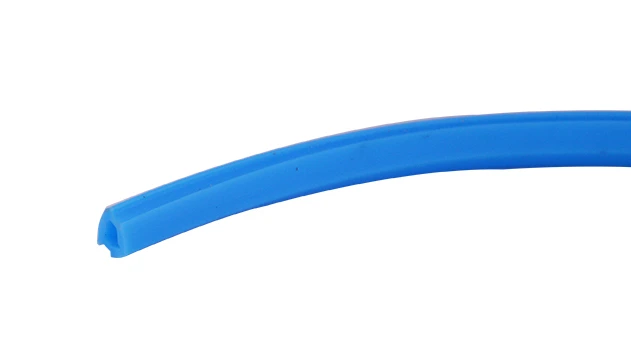
The rubber T-slot seal cover prevents dust and debris buildup, covers wires in the T-slot channel, and adds an extra layer of protection to applications. It rolls into the T-slot, making it easy to assemble.
Walk into any busy manufacturing plant, logistics hub, or even a solar panel assembly yard, and you'll notice a common backbone: aluminum extrusion profiles. These versatile structures form workbenches, material racks, conveyor frames, and more. But here's the thing—many of these setups aren't tucked away in dark, climate-controlled rooms. They're exposed to sunlight streaming through warehouse skylights, mounted outdoors for easy loading, or positioned near large windows that flood the area with bright light. Over time, that light—especially the sun's ultraviolet (UV) rays—can take a toll. Cracks form, colors fade, and once-tight seals start to loosen. That's where T-slot rubber seal covers come in. These unassuming aluminum profile accessories play a quiet but critical role in protecting your equipment from degradation. Let's dive into why they matter, how they work, and why UV resistance should be at the top of your checklist when choosing them.
The Hidden Threat: Why Bright Environments Wreak Havoc on Industrial Equipment
Picture this: A warehouse manager in Phoenix, Arizona, notices that the aluminum profile workbenches near the loading docks are starting to show signs of wear. The T-slots—those handy grooves that let you attach accessories like shelves or tools—are filled with dust and grime. Worse, the plastic edges around the slots are cracked, and the once-smooth surfaces now feel rough to the touch. When she asks the maintenance team, they mention that these workbenches are only two years old. "Why are they falling apart so fast?" she wonders. The answer, in short, is UV radiation and constant light exposure.
Sunlight isn't just warm and bright—it's a cocktail of energy, and UV rays are the troublemakers. These high-energy photons break down the chemical bonds in materials like plastic, rubber, and even some metals over time. For industrial setups using aluminum extrusion profiles, the T-slots are particularly vulnerable. Without protection, UV rays penetrate the slots, attacking any exposed rubber or plastic components. Add in temperature swings—scorching heat during the day, cooler nights—and you get a recipe for rapid degradation. Cracks form, seals fail, and suddenly your "durable" aluminum profiles become less reliable. Dust, moisture, and debris creep into the slots, jamming accessories and making adjustments a hassle. In extreme cases, the structural integrity of the profile itself can weaken, putting workers and products at risk.
It's not just outdoor setups, either. Even indoor environments with large windows or high-intensity lighting (like LED arrays in manufacturing plants) can expose equipment to significant UV and visible light. Over months and years, that cumulative exposure adds up. So, what's the solution? Enter T-slot rubber seal covers—small, affordable, and designed to act as a shield between your aluminum profiles and the elements.
What Are T-Slot Rubber Seal Covers, Anyway?
If you're new to aluminum extrusion profiles, let's start with the basics. Aluminum profiles—like the 2020, 3030, or 4040 models commonly used in industrial settings—have T-shaped slots running along their length. These slots are genius: they let you slide in bolts, brackets, or accessories, making it easy to customize workbenches, racks, and frames without welding or drilling. But those slots are also open channels, vulnerable to whatever the environment throws at them. That's where T-slot rubber seal covers come in.
T-slot rubber seal covers are flexible, strip-like accessories designed to fit snugly into the T-slots of aluminum profiles. Think of them as protective caps for your profile's "teeth." Made from durable rubber or elastomeric materials, they seal off the slot, preventing dust, dirt, moisture, and yes—UV rays—from getting inside. They're available in various sizes to match common profile slot widths (like 6mm, 8mm, or 10mm) and colors (often black, gray, or yellow, though custom hues are possible). Some are even textured or ribbed to enhance grip, making them easier to install and remove when you need to adjust your setup.
But they're more than just "plugs." High-quality T-slot rubber seal covers are engineered to withstand the demands of industrial use. They're resistant to oils, chemicals, and temperature extremes, and—crucially for our topic—many are formulated with UV inhibitors to stand up to bright light. When properly installed, they form a tight seal that keeps the slot clean and protected, while still allowing easy access when you need to add or remove accessories. Just peel back a section, make your adjustment, and press the cover back into place. It's simple, effective, and often overlooked—until you see the difference between a protected profile and one left exposed.

Why UV Resistance Is Non-Negotiable for T-Slot Rubber Seal Covers
Not all rubber seal covers are created equal. Walk into a hardware store, and you might find generic rubber strips that claim to "seal" slots, but they'll crack and crumble within months if exposed to sunlight. That's because standard rubber or plastic materials lack UV resistance. Let's break down why UV rays are so damaging—and why a UV-resistant cover is worth the investment.
How UV Rays Break Down Materials
UV radiation is invisible to the human eye, but its effects are very visible. When UV rays hit a material like rubber, they initiate a process called "photo-oxidation." This breaks down the chemical bonds in the polymer chains that give rubber its elasticity. Over time, the material becomes brittle, loses flexibility, and starts to crack. Colors fade, turning vibrant yellows or grays into dull, washed-out versions of themselves. In severe cases, the cover may even split or peel away from the slot, leaving the profile exposed again.
But it's not just about the cover itself. If a UV-damaged cover cracks, it can no longer seal the slot. Moisture seeps in, leading to corrosion of the aluminum profile's interior (especially if the profile isn't anodized). Dust and debris accumulate, making it hard to slide accessories into the slot. What started as a small crack can quickly escalate into a bigger problem, requiring costly repairs or even profile replacement. For businesses relying on efficient workflows, downtime to fix these issues is a hidden cost that adds up fast.
The Benefits of UV-Resistant T-Slot Rubber Seal Covers
UV-resistant T-slot rubber seal covers are formulated to fight back against photo-oxidation. Manufacturers add UV stabilizers or inhibitors to the rubber compound during production. These additives absorb or scatter UV rays, preventing them from breaking down the polymer chains. The result? A cover that retains its flexibility, color, and sealing properties for years—even in direct sunlight.

Materials Matter: What Makes a UV-Resistant T-Slot Rubber Seal Cover?
Not all rubber is created equal when it comes to UV resistance. The material your T-slot cover is made from will determine how well it stands up to bright light. Let's take a look at the most common options and how they perform:
EPDM Rubber: The Workhorse of UV Resistance
Ethylene Propylene Diene Monomer (EPDM) rubber is the gold standard for outdoor and UV-exposed applications. It's inherently resistant to UV radiation, ozone, and weathering, making it ideal for T-slot covers. EPDM is flexible across a wide temperature range (-40°C to 150°C/-40°F to 302°F), so it won't become brittle in cold weather or melt in the heat. It's also resistant to water, steam, and many chemicals, which is a bonus in industrial settings where oils or coolants might be present.
EPDM T-slot covers are often black or gray, though they can be pigmented. The key advantage? They maintain their elasticity even after years of sun exposure. You'll find EPDM covers used in outdoor setups like solar panel racks, outdoor conveyor systems, or construction site workbenches—places where UV exposure is constant.
Silicone Rubber: For Extreme Temperatures and UV Exposure
Silicone rubber is another top performer for UV resistance, though it's pricier than EPDM. Silicone can withstand even higher temperatures (up to 200°C/392°F) and is highly resistant to UV, ozone, and oxidation. It's also inert, meaning it won't react with most chemicals, making it a good choice for pharmaceutical or food processing environments where cleanliness is critical.
Silicone T-slot covers are softer and more flexible than EPDM, which can make installation a breeze. However, they're less resistant to abrasion than EPDM, so they might not be the best fit for high-traffic areas where the cover could get scuffed or torn. They're ideal for settings like outdoor electronics enclosures or aerospace manufacturing facilities, where extreme conditions are the norm.
PVC: Budget-Friendly but Less Durable
Polyvinyl Chloride (PVC) is a common material for basic T-slot covers. It's affordable, easy to produce, and comes in a range of colors. However, standard PVC lacks inherent UV resistance. Without additives, it will degrade quickly in sunlight, becoming brittle and discolored. Some manufacturers offer "UV-stabilized PVC" covers, which include inhibitors to slow down photo-oxidation. These can work in low-light or indoor environments with indirect sunlight, but they're not as reliable as EPDM or silicone for long-term outdoor use.
If you're on a tight budget and your setup is indoors with minimal light exposure, UV-stabilized PVC might suffice. But for outdoor or bright-light applications, it's worth investing in EPDM or silicone. The extra cost upfront will pay off in fewer replacements and less downtime.
Hybrid Materials: The Best of Both Worlds
Some manufacturers are now blending materials to create hybrid T-slot covers. For example, an EPDM-silicone blend might offer EPDM's abrasion resistance with silicone's high-temperature tolerance. Or a PVC-EPDM mix could provide budget-friendly UV resistance for moderate exposure. These hybrids are still niche, but they're worth asking about if your environment has unique challenges (like both high UV and high chemical exposure).
How T-Slot Rubber Seal Covers Protect Aluminum Extrusion Profiles
We've talked about why UV resistance matters for the covers themselves, but let's zoom out: how do these covers protect the aluminum extrusion profiles they're attached to? After all, the profile is the backbone of your setup—so keeping it in top shape is key.
Blocking UV Rays from the Slot Interior
Aluminum extrusion profiles are typically anodized or powder-coated to protect against corrosion. But the T-slot's interior is often uncoated or has a thinner finish, making it more vulnerable to UV damage. When sunlight hits an exposed slot, the UV rays can break down the aluminum's surface layer over time, leading to pitting or discoloration. This isn't just cosmetic—pitted slots can make it hard to slide accessories in and out, as the bolts or brackets might catch on rough edges.
T-slot rubber seal covers act as a physical barrier, blocking UV rays from reaching the slot's interior. By absorbing or reflecting the radiation, they prevent the aluminum from degrading. This keeps the slot smooth and functional, ensuring your accessories adjust easily for years to come.
Preventing Moisture and Corrosion
UV rays aren't the only threat in bright environments—sunlight often goes hand-in-hand with humidity, rain, or dew (in outdoor setups). Moisture that seeps into an uncovered T-slot can lead to corrosion, especially if the aluminum isn't properly treated. Over time, rust or oxidation can form, weakening the profile and making the slot unusable.
Rubber seal covers create a watertight seal, keeping rain, condensation, and spills out of the slot. Even in indoor settings, where moisture might come from cleaning sprays or humid air, the cover acts as a barrier. This is especially important for aluminum profiles used in coastal areas, where saltwater mist can accelerate corrosion. A simple cover can extend the profile's lifespan by years.
Keeping Debris Out: Less Maintenance, More Productivity
In busy industrial settings, dust, metal shavings, wood chips, and other debris are constant nuisances. Without a cover, these particles accumulate in T-slots, turning them into mini trash cans. When you try to slide a bracket or bolt into a debris-filled slot, it jams—slowing down setup changes and frustrating workers. In worst cases, debris can scratch the slot's interior, leading to more friction and wear.
T-slot rubber seal covers keep the slot clean. They're easy to wipe down or vacuum, and if debris does get on top of the cover, it can be brushed away without entering the slot. This reduces maintenance time—no more picking bits of dirt out of slots with tweezers—and keeps your workflow running smoothly.
Real-World Applications: Where UV-Resistant T-Slot Covers Shine
To understand the impact of UV-resistant T-slot rubber seal covers, let's look at a few real-world scenarios where they make a tangible difference. These examples highlight how the right cover can solve specific problems and save businesses time and money.
Case Study 1: Solar Panel Assembly Yard
A solar panel manufacturer in California uses aluminum extrusion profiles to build workbenches and material racks in their outdoor assembly yard. The sun beats down on these setups for 8–10 hours a day, and within six months, the uncovered T-slots on their 4040 profiles were showing signs of wear: the interior was pitted, and debris had built up, making it hard to adjust the shelving. Workers were spending 30 minutes per shift cleaning slots instead of assembling panels.
The solution? Switching to EPDM T-slot rubber seal covers with UV inhibitors. After installation, the slots stayed clean and smooth. Even after two years of direct sunlight, the covers showed no signs of cracking or brittleness, and the profiles underneath looked brand new. The maintenance team estimates they've saved 10+ hours per week in cleaning time, and the workbenches are now adjusted in minutes instead of hours. The investment in UV-resistant covers paid for itself within three months.
Case Study 2: Warehouse with Skylights
A logistics company in Texas operates a large warehouse with skylights that flood the space with natural light. Their aluminum profile material racks (using 3030 profiles) were positioned directly under these skylights, and within a year, the T-slots had become discolored and brittle. The plastic bins on the racks would sometimes get stuck when sliding, leading to delays in order fulfillment.
They tried generic PVC covers first, but within four months, the PVC had cracked and peeled, leaving the slots exposed again. After consulting with their aluminum profile supplier, they switched to silicone T-slot covers. Silicone's UV resistance stood up to the skylight exposure, and the covers remained flexible. The bins now slide smoothly, and the racks require minimal maintenance. The company estimates a 20% increase in order processing speed for the affected area.
Case Study 3: Outdoor Construction Site Workbench
A construction company in Florida uses portable aluminum workbenches (built with 2020 and 3030 profiles) on outdoor job sites. These workbenches are exposed to rain, sun, and humidity year-round. Initially, they didn't use T-slot covers, and the slots quickly became clogged with dirt and rust. When they tried to add tool holders or shelves, the bolts would seize up, making the workbenches less versatile.
They installed UV-resistant EPDM covers, and the difference was immediate. The slots stayed clean, even during rainstorms, and the covers didn't degrade in the sun. The workbenches are now adjusted daily to fit different tasks, and the company reports that the profiles have lasted twice as long as previous uncovered models. "We used to replace workbenches every 18 months," says the site foreman. "Now, they're going strong after three years—and still look good."
Choosing the Right UV-Resistant T-Slot Rubber Seal Cover: Key Considerations
Now that you understand why UV-resistant T-slot rubber seal covers matter, how do you choose the right one for your setup? Here are the key factors to consider:
1. Match the Cover to Your Aluminum Profile's Slot Size
First things first: measure your T-slot. Aluminum extrusion profiles come with different slot widths (e.g., 6mm, 8mm, 10mm) and depths. A cover that's too narrow will fall out; one that's too wide won't fit. Most suppliers list the compatible slot sizes for their covers (e.g., "fits 8mm T-slots on 3030 profiles"). If you're unsure, ask your aluminum profile supplier for the slot dimensions—they'll be happy to help.
2. Assess Your Environment's UV Exposure Level
How much sunlight does your setup get? If it's outdoors in direct sun (like a construction site or solar yard), go with EPDM or silicone. For indoor settings with bright indirect light (like a warehouse with skylights), UV-stabilized EPDM should suffice. If you're in a low-light indoor area, standard EPDM or even UV-stabilized PVC might work—but when in doubt, opt for higher UV resistance. It's better to overprotect than underprotect.
3. Consider Temperature and Chemical Exposure
UV resistance isn't the only environmental factor. If your setup is in a hot environment (like a foundry or desert location), choose a cover with high-temperature tolerance (silicone or EPDM). For cold climates, ensure the cover remains flexible at low temps (EPDM is a good bet). If the area has oils, solvents, or chemicals, check that the cover material is resistant to them. EPDM and silicone are both chemical-resistant, but PVC may not be.
4. Look for Quality Indicators: UV Inhibitors and Certifications
Not all "UV-resistant" covers are created equal. Ask suppliers if their covers contain UV stabilizers or inhibitors—these are the additives that block UV rays. Some covers may also have certifications, like ISO 4892 (a standard for testing UV resistance) or UL listings for safety. A reputable supplier will be happy to share test results or material specifications.
5. Don't Overlook Color and Aesthetics (If They Matter)
While function is key, color can matter too. For example, yellow covers might be used in safety zones to highlight hazards, while black or gray blends in with industrial settings. Some companies even use color-coded covers to differentiate between workstations or departments. Most suppliers offer standard colors, but custom hues are possible for large orders.
A Quick Comparison: UV-Resistant T-Slot Cover Materials
| Material | UV Resistance (1-5 Stars) | Temperature Range | Chemical Resistance | Abrasion Resistance | Best For | Cost (Relative) |
|---|---|---|---|---|---|---|
| EPDM Rubber | ★★★★★ | -40°C to 150°C (-40°F to 302°F) | Excellent (oils, water, mild chemicals) | High | Outdoor setups, direct sunlight, high traffic | Moderate |
| Silicone Rubber | ★★★★★ | -60°C to 200°C (-76°F to 392°F) | Excellent (most chemicals, inert) | Moderate | Extreme temps, pharmaceutical/food processing, UV + heat | High |
| UV-Stabilized PVC | ★★★☆☆ | -10°C to 60°C (14°F to 140°F) | Good (water, mild acids) | Moderate | Indoor low-light, budget-friendly setups | Low |
| EPDM-Silicone Blend | ★★★★★ | -50°C to 180°C (-58°F to 356°F) | Excellent | High | Mixed environments (UV + high temps + chemicals) | High-Moderate |
Maintenance Tips: Keeping Your T-Slot Covers in Top Shape
Even the best UV-resistant T-slot rubber seal covers need a little care to maximize their lifespan. Here's how to keep them performing:
Conclusion: Small Accessory, Big Impact
T-slot rubber seal covers might seem like minor aluminum profile accessories, but their impact is anything but small. In bright or outdoor environments, they're the first line of defense against UV degradation, keeping your aluminum extrusion profiles clean, functional, and durable. By blocking UV rays, moisture, and debris, they reduce maintenance costs, extend equipment lifespan, and keep your workflow running smoothly.
When choosing a cover, prioritize UV resistance—opt for EPDM or silicone for the best results. Match the cover to your profile's slot size, consider your environment's unique challenges, and don't skimp on quality. Remember: a few dollars spent on a UV-resistant cover today can save hundreds in profile replacements tomorrow.
So, the next time you walk through your facility, take a look at those aluminum profiles. Are their T-slots exposed to sunlight? If so, it might be time to invest in UV-resistant T-slot rubber seal covers. Your equipment—and your bottom line—will thank you.