- Company Articles
- Products and Technology
- Product knowledge
- T-Slot Rubber Seal Covers and Vibration Resistance: Protecting T-Slots in High-Movement Applications

T-Slot Rubber Seal Covers and Vibration Resistance: Protecting T-Slots in High-Movement Applications
Related Product
T-slot Rubber Seal Cover
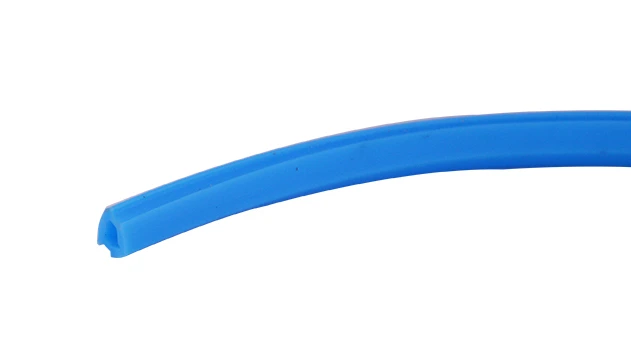
The rubber T-slot seal cover prevents dust and debris buildup, covers wires in the T-slot channel, and adds an extra layer of protection to applications. It rolls into the T-slot, making it easy to assemble.
Walk into any busy manufacturing plant, and you'll likely be surrounded by the hum of machinery, the clink of parts being assembled, and the steady rhythm of conveyor belts moving products from one station to the next. Behind all this activity, there's a silent hero holding everything together: the humble T-slot. Found in aluminum extrusion profiles that form the backbone of workbenches, material racks, and assembly lines, T-slots are the unsung connectors that make modern lean systems possible. But here's the thing—these small, groove-like channels are also surprisingly vulnerable, especially in high-movement environments where vibration, debris, and constant wear threaten to throw a wrench into operations. That's where T-slot rubber seal covers come in. These unassuming strips of rubber might not look like much, but they're the first line of defense in keeping T-slots intact, functional, and ready to handle the chaos of a busy factory floor.
In this article, we're going to dive deep into the world of T-slot rubber seal covers. We'll explore why T-slots matter so much, the unique challenges they face in high-movement applications, and how these simple yet effective covers provide the vibration resistance and protection needed to keep your aluminum profiles—and your entire operation—running smoothly. Whether you're a plant manager looking to reduce downtime, a maintenance technician tired of cleaning out jammed slots, or just curious about the small parts that make big systems work, this is for you.
What Are T-Slots, and Why Do They Need Protection?
Let's start with the basics: What exactly is a T-slot? If you've ever looked closely at an aluminum extrusion profile—the metal frames used to build everything from workbenches to conveyor rails—you've probably noticed long, narrow grooves running along their length. These are T-slots, named for their T-shaped cross-section. Imagine a slot that's wide at the bottom and narrow at the top; this design lets you slide in T-nuts, bolts, or accessories, which then lock into place to attach shelves, guides, or other components. It's this flexibility that makes aluminum profiles so popular in lean manufacturing: they're modular, easy to reconfigure, and adaptable to almost any task.
But here's the catch: T-slots are open channels. Unlike solid metal surfaces, they're exposed to whatever's floating around in the environment—dust, metal shavings, oil, even spilled coolant. In high-movement applications, like a roller conveyor zipping parts along or a turnover trolley being wheeled across the floor, the problem gets worse. Vibration from moving machinery shakes loose debris, which then settles into the T-slots. Over time, that debris builds up, turning a smooth channel into a gritty mess. And it's not just dirt: the constant back-and-forth motion of components sliding along the T-slots causes friction, which wears down the edges of the slot. Add in the stress of vibration—think of a conveyor belt that never stops running—and you've got a recipe for premature wear, loose connections, and even system failure.
Real Talk: A few years back, I visited a automotive parts plant that was struggling with frequent jams on their assembly line. The issue? Their aluminum profile workbenches had T-slots clogged with metal filings and grease. Every few hours, a technician had to stop the line to clean them out, costing the plant thousands in lost productivity. The root cause? They weren't using T-slot rubber seal covers. Once they installed them, those jams dropped by 90%. It's a small fix, but the impact was huge.
T-slots are also critical for maintaining alignment. In systems like flow racks or roller tracks, components need to glide smoothly along the T-slots to keep production on schedule. If a T-slot is damaged or filled with debris, parts might get stuck, leading to bottlenecks. Even worse, misaligned T-slots can cause accessories like caster wheels or roller track connectors to loosen, creating safety hazards. For example, a wobbly material rack B (3 row and 3 floor) due to worn T-slots could tip over, putting workers at risk and damaging inventory. Simply put, T-slots are too important to leave unprotected.
The Challenges of High-Movement Applications: Vibration, Wear, and Debris
High-movement applications—think conveyor systems, automated assembly lines, or even manually operated turnover trolleys—are tough on equipment. The constant motion, repeated impacts, and never-ending vibration create a hostile environment for any component, and T-slots are no exception. Let's break down the three biggest threats they face.
Vibration: The Silent Erosive Force
Vibration is everywhere in a factory. It comes from motors, pumps, conveyor belts, and even the act of workers moving heavy trolleys. On its own, a little vibration might not seem like a big deal, but over time, it's incredibly destructive. When an aluminum profile is vibrating, the T-slot acts like a tiny hammer, with any debris inside (like a grain of sand or a metal chip) getting jostled against the slot walls. This repeated friction wears away at the metal, widening the slot and making it harder for accessories to grip. In extreme cases, vibration can even loosen the bolts or T-nuts inside the slot, causing components to shift or detach entirely.
For example, consider a roller track used to move heavy boxes. Every time a box hits the rollers, it sends a shockwave through the aluminum guide rail. Without protection, the T-slot holding the rail in place will start to degrade. Over weeks or months, the rail might become misaligned, leading to boxes getting stuck or tipping off the track. This isn't just an inconvenience—it's a safety risk and a productivity killer.
Debris: The Unseen Saboteur
Factories are messy places. Even with strict cleaning protocols, there's always dust, metal shavings, plastic particles, or spilled liquids floating around. These tiny invaders love T-slots. They settle into the grooves, where they're hard to reach with a broom or cloth. Once inside, they act like sandpaper. When you slide a T-nut or accessory along the slot, the debris grinds against the metal, causing scratches and wear. Over time, those scratches turn into grooves, and those grooves turn into jams.
Worse, some debris is corrosive. Coolant, oil, or cleaning chemicals can seep into T-slots and eat away at the aluminum, leading to rust or pitting. This is especially problematic for aluminum profile accessories like joint connectors, which rely on a tight fit with the T-slot to stay secure. A corroded slot might not hold a connector properly, leading to wobbly structures or even collapse.
Wear and Tear: The Cost of Constant Motion
Even without debris or vibration, T-slots would still wear out over time. Every time you attach or detach an accessory—say, moving a shelf on a material rack or adjusting the height of a workbench—you're rubbing metal against metal. Multiply that by hundreds of adjustments per year, and you've got significant wear. In high-movement applications, where components are sliding along T-slots dozens of times per minute (like on a conveyor belt), this wear accelerates exponentially.
The edges of the T-slot are particularly vulnerable. These thin metal lips are what hold T-nuts and accessories in place. If they wear down, the accessory can slip or twist, leading to instability. For example, a workbench E (single deck-without caster) mounted on worn T-slots might wobble when a worker leans on it, making precision tasks like assembly or inspection nearly impossible.

Enter T-Slot Rubber Seal Covers: The Simple Solution to Big Problems
So, how do we protect T-slots from vibration, debris, and wear? The answer is surprisingly simple: T-slot rubber seal covers. These are flexible strips of rubber (or similar materials) designed to fit snugly into T-slots, creating a barrier between the slot and the outside world. Think of them as a protective "skin" for your aluminum extrusion profiles—simple, affordable, and incredibly effective.
At first glance, a T-slot rubber seal cover might look like nothing more than a long, thin piece of rubber. But there's more to it than meets the eye. Let's break down how they work and why they're so crucial for high-movement applications.
How T-Slot Rubber Seal Covers Work
T-slot rubber seal covers are engineered to fit the unique shape of T-slots. Most are designed with a "T" or "U" shape that matches the slot's cross-section, allowing them to snap into place securely. Once installed, they form a tight seal that blocks debris from entering the slot. But they're not just passive barriers—they also absorb vibration. Rubber is a natural dampener, so when the aluminum profile vibrates, the seal cover flexes, reducing the amount of shock transferred to the T-slot walls. This minimizes wear and tear and keeps debris from being jostled into the slot in the first place.
Another key feature is flexibility. T-slot rubber seal covers are soft enough to allow accessories to be installed or removed without damaging the cover. When you need to attach a component, you simply peel back the cover (or cut a small section if it's a permanent installation), insert the T-nut or bolt, and press the cover back into place. It's quick, easy, and doesn't require any special tools. This makes them ideal for lean systems, where reconfiguring workstations or material racks is a regular part of operations.
Materials Matter: Choosing the Right Rubber for the Job
Not all T-slot rubber seal covers are created equal. The material used depends on the environment they'll be in. Here are the most common options, along with their pros and cons:
| Material | Temperature Resistance | Wear Resistance | Chemical Resistance | Best For |
|---|---|---|---|---|
| EPDM Rubber | -40°C to 150°C (-40°F to 302°F) | High | Good (resistant to water, steam, mild chemicals) | General manufacturing, food processing, outdoor use |
| Silicone Rubber | -60°C to 230°C (-76°F to 446°F) | Medium | Excellent (resistant to oils, solvents, acids) | High-temperature environments, medical equipment, chemical plants |
| Nitrile Rubber (NBR) | -40°C to 120°C (-40°F to 248°F) | Very High | Excellent (resistant to oils, fuels, greases) | Automotive plants, machinery with oil exposure |
| Neoprene Rubber | -40°C to 120°C (-40°F to 248°F) | High | Good (resistant to ozone, sunlight, mild chemicals) | Outdoor applications, construction, marine environments |
For most factory settings, EPDM rubber is a solid all-around choice. It's affordable, durable, and stands up to the daily grind of high-movement applications. If your plant uses a lot of oils or coolants (like an automotive assembly line), nitrile rubber might be better due to its superior chemical resistance. For high-temperature areas, like near ovens or furnaces, silicone rubber is the way to go. The key is to match the material to the conditions—this ensures the seal cover lasts as long as possible and provides maximum protection.
Design Features for Maximum Protection
Beyond material, the design of the T-slot rubber seal cover plays a big role in its effectiveness. Here are some key features to look for:
- Compression Fit: The best seal covers have a slightly larger cross-section than the T-slot, so they compress when installed. This creates a tight seal that won't pop out, even during heavy vibration.
- Ribbed or Textured Surface: Some covers have ribs or a textured surface on top. This improves grip, making it easier to peel back the cover when installing accessories. It also helps hide minor scratches or dirt, keeping your workstations looking clean.
- Color Coding: Many manufacturers offer seal covers in different colors, like yellow or grey (think "plastic roller track guide rail yellow" or "grey" from the world of roller tracks). This isn't just for aesthetics—color coding can help with organization. For example, yellow covers might indicate slots used for heavy-duty accessories, while grey covers are for lighter components.
- UV Resistance: If the aluminum profile is near windows or exposed to sunlight, look for UV-resistant rubber. This prevents the cover from cracking or fading over time.
One example of a well-designed seal cover is the T-slot rubber seal cover made for 4040 aluminum profile end caps. It's contoured to fit the 4040 profile's T-slot perfectly, with a compression fit that stays in place even on vibrating conveyor rails. The grey color blends in with the aluminum, keeping the workspace looking neat, while the EPDM material stands up to the daily wear and tear of a busy factory.

The Benefits of T-Slot Rubber Seal Covers: More Than Just Protection
Installing T-slot rubber seal covers might seem like a small upgrade, but the benefits ripple through your entire operation. Let's take a look at how they impact everything from maintenance costs to worker safety.
Reduced Downtime and Maintenance Costs
The biggest benefit of T-slot rubber seal covers is simple: they keep T-slots clean and intact, which means less downtime for cleaning or repairs. Think about the earlier example of the automotive plant with jammed assembly lines. Before seal covers, they spent 2-3 hours per week cleaning T-slots. After installation, that dropped to 15 minutes per month. Over a year, that's hundreds of hours saved—time that can be spent on actual production, not maintenance.
Fewer repairs also mean lower costs. Aluminum extrusion profiles and aluminum profile accessories aren't cheap. Replacing a worn 4080 aluminum profile or a damaged roller track connector can cost hundreds of dollars, not to mention the labor to install it. By protecting T-slots, seal covers extend the lifespan of these components, delaying the need for replacement. One study by a manufacturing consulting firm found that plants using seal covers saw a 30% reduction in annual maintenance costs for aluminum profile systems.
Improved Vibration Resistance and Stability
As we discussed earlier, vibration is a major enemy of T-slots. T-slot rubber seal covers absorb that vibration, acting like a cushion between the aluminum profile and the accessories. This reduces the stress on T-slots and the components attached to them. For example, a material rack B (3 row and 3 floor) mounted on seal-protected T-slots will wobble less during vibration, keeping the shelves stable and preventing items from falling off. This stability also makes the rack safer to use, reducing the risk of accidents.
Vibration resistance also improves the performance of moving parts. On a roller track with seal covers, the aluminum guide rail stays aligned longer, so products glide smoothly without jamming. This consistency is key in lean manufacturing, where every second counts. When parts move predictably, assembly lines run faster, and workers can focus on their tasks instead of troubleshooting jams.
Enhanced Safety for Workers
A safer workplace is a more productive workplace, and T-slot rubber seal covers play a role here too. By keeping T-slots clean and debris-free, they reduce the risk of components jamming or breaking. For example, a hand trolley with caster wheels attached to a worn T-slot might suddenly tip over, but with a seal cover protecting the slot, the caster stays secure. Seal covers also prevent sharp edges from forming on worn T-slots, reducing the chance of cuts when workers adjust accessories.
Another safety benefit is reduced (slip hazards). Without seal covers, oil or coolant can pool in T-slots, creating a slippery surface. Seal covers block these liquids, keeping the top of the aluminum profile dry. This is especially important in areas where workers walk or stand for long periods, like around workbenches or material racks.
Longer Lifespan for Aluminum Profiles and Accessories
Aluminum extrusion profiles are built to last, but they're not indestructible. T-slot damage is one of the main reasons profiles need to be replaced early. By protecting T-slots from wear, debris, and corrosion, seal covers extend the lifespan of your aluminum profiles by years. This is a huge cost-saver, especially for large operations with hundreds of meters of aluminum framing.
The same goes for aluminum profile accessories. T-nuts, bolts, and connectors last longer when they're not grinding against debris in the T-slot. For example, a 90° aluminum profile connector will stay tight for years if the T-slot is clean and smooth, whereas a dirty slot will cause the connector to loosen over time, requiring frequent tightening or replacement.
Real-World Applications: Where T-Slot Rubber Seal Covers Shine
T-slot rubber seal covers aren't just theoretical—they're making a difference in factories, warehouses, and workshops around the world. Let's look at a few real-world scenarios where they've proven their worth.
Automotive Assembly Lines
Automotive plants are a perfect example of high-movement environments. Conveyor belts carry car parts from station to station, robots weld and assemble components, and workers use hand trolleys to move tools and materials. The aluminum profiles here are under constant stress from vibration, oil, and metal shavings. One major automaker in the Midwest installed T-slot rubber seal covers on their 3030 and 4040 aluminum profile workbenches and conveyor rails. Within six months, they reported a 40% reduction in T-slot cleaning time and a 25% drop in the number of loose connectors. The maintenance team estimated that the seal covers paid for themselves in less than a year through reduced downtime and replacement costs.
Electronics Manufacturing (ESD Workstations)
Electronics manufacturing requires precision, and ESD (electrostatic discharge) workstations are critical for protecting sensitive components. These workstations are often built with aluminum profiles, and their T-slots must remain clean to ensure proper grounding and alignment of tools. A semiconductor plant in California was struggling with static-related defects on their ESD workbench E (single deck-without caster). The root cause? Dust in the T-slots was interfering with the grounding connections. After installing T-slot rubber seal covers, the dust buildup stopped, and static defects dropped by 60%. The covers also made it easier to keep the workstations clean, which is crucial for meeting strict industry standards.
Food and Beverage Processing
Food and beverage plants have unique challenges: they need to be easy to clean, resistant to water and chemicals, and compliant with hygiene regulations. T-slot rubber seal covers made from EPDM or silicone are ideal here, as they're non-porous and can withstand frequent washing with hot water and sanitizers. A brewery in Colorado installed silicone seal covers on their aluminum material racks, which hold bottles and kegs. The covers prevented beer spills from seeping into the T-slots, reducing the risk of mold growth and making cleanup faster. They also withstood the high temperatures of the brewery's daily steam cleaning, without cracking or degrading.
Choosing the Right T-Slot Rubber Seal Cover: A Buyer's Guide
Now that you know why T-slot rubber seal covers are important, how do you choose the right one for your needs? Here's a step-by-step guide to help you make the best decision.
Step 1: Measure Your T-Slot
The first step is to measure the T-slot in your aluminum profile. T-slots come in different sizes, depending on the profile (e.g., 2020, 3030, 4040, 4080). You'll need to know the width and depth of the slot to ensure the seal cover fits. Most manufacturers list the compatible profile sizes for their covers, so check the product specs carefully. If you're unsure, take a sample of your profile to a supplier—they'll be able to match you with the right cover.
Step 2: Consider the Environment
As we discussed earlier, the environment determines the material. Ask yourself:
- What's the temperature range? (Choose EPDM for moderate temps, silicone for high temps.)
- Are there chemicals, oils, or water present? (Nitrile for oils, silicone for chemicals.)
- Is the profile exposed to sunlight or UV rays? (Look for UV-resistant rubber.)
- How much vibration is there? (A thicker or more flexible cover may be needed for high vibration.)
Step 3: Think About Installation and Maintenance
Some seal covers are easier to install than others. Look for covers that snap into place without adhesives—these are faster to install and can be removed and reused if you reconfigure your workstation. Also, consider how easy the cover is to clean. Smooth surfaces are easier to wipe down than textured ones, which might trap dirt.
Step 4: Check for Compatibility with Accessories
Make sure the seal cover works with the aluminum profile accessories you use. For example, if you frequently install roller track placon mount brackets into the T-slot, the cover should be easy to peel back and re-seal after installation. Some covers have pre-cut notches or tear lines to make this even easier.
Step 5: Don't Skimp on Quality
It might be tempting to buy the cheapest seal cover you can find, but low-quality rubber will crack, fade, or fall out of the slot quickly. Invest in covers from a reputable aluminum profile supplier—they'll use high-quality materials and stand behind their products with warranties. Remember, a good seal cover will save you money in the long run by reducing maintenance and replacement costs.
Conclusion: Small Covers, Big Impact
T-slot rubber seal covers might not be the most glamorous part of your manufacturing setup, but they're undeniably essential. In high-movement applications, where vibration, debris, and wear threaten to derail operations, these simple strips of rubber act as a first line of defense. They protect T-slots, extend the life of aluminum extrusion profiles and accessories, reduce maintenance costs, and improve safety. Whether you're running an automotive assembly line, an electronics workshop, or a food processing plant, T-slot rubber seal covers are a small investment that delivers big returns.
So, the next time you walk through your factory, take a look at the aluminum profiles around you. Are their T-slots exposed? If so, it might be time to consider adding seal covers. Your maintenance team will thank you, your workers will be safer, and your bottom line will reflect the savings. After all, in the world of lean manufacturing, it's the little things that often make the biggest difference.