- Company Articles
- Products and Technology
- Product knowledge
- T-Slot Rubber Seal Covers and Water Resistance: Keeping T-Slots Dry in Washdown Areas

T-Slot Rubber Seal Covers and Water Resistance: Keeping T-Slots Dry in Washdown Areas
Related Product
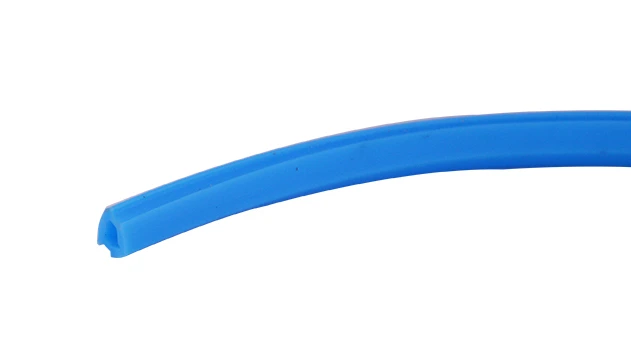
T-slot Rubber Seal Cover
The rubber T-slot seal cover prevents dust and debris buildup, covers wires in the T-slot channel, and adds an extra layer of protection to applications. It rolls into the T-slot, making it easy to assemble.
How a Simple Accessory Protects Industrial Aluminum Profiles in Harsh, Moist Environments
Walk into any modern manufacturing facility, and you'll likely spot them: sleek, modular structures that seem to adapt to every need—workbenches where assembly lines hum, material racks stacked with components, and conveyors gliding products from station to station. What ties these structures together? Aluminum profiles —the backbone of industrial flexibility. These profiles owe much of their versatility to their T-slots: long, narrow channels running along their length that let you attach everything from shelves to tools with simple bolts or brackets. But in environments where water, chemicals, and debris are daily realities—think food processing plants, pharmaceutical labs, or automotive facilities—those T-slots can become a hidden vulnerability. That's where T-slot rubber seal covers step in, quietly protecting the heart of your aluminum structures and ensuring they stand up to the toughest washdowns.
The Unsung Hero: T-Slots in Industrial Design
To understand why T-slot protection matters, let's start with the basics: why are T-slots so critical? Aluminum profiles, with their lightweight yet durable build, have revolutionized how factories and workshops operate. Unlike rigid steel frames, they're modular—you can reconfigure a workbench or a material rack in hours, not days, by sliding accessories into those T-slots. Need to add a tool holder to your assembly station? Just slot in a bracket. Want to adjust the height of a conveyor guard? Loosen a bolt in the T-slot, reposition, and tighten. This flexibility is why aluminum profiles are the go-to for lean manufacturing systems, where adaptability directly impacts productivity.
But here's the catch: T-slots are, by design, open channels. Their shape—narrow at the top, wider inside—makes them perfect for gripping fasteners, but it also makes them magnets for unwanted guests. Dust, grease, metal shavings, and yes, water, can all settle into those slots. In dry environments, a quick brush might be enough to keep them clean. But in washdown areas —spaces where equipment is regularly hosed down, sprayed with sanitizers, or exposed to high humidity—T-slots face a far bigger threat: moisture penetration.
The Washdown Dilemma: Why Moisture is Public Enemy #1
Let's take a typical day in a food processing plant. By mid-morning, the production line has already churned out thousands of packaged snacks. Now, it's time for the first washdown: workers wheel in high-pressure hoses, dousing conveyor belts, workbenches, and material racks with hot water and food-grade sanitizer to kill bacteria and prevent cross-contamination. The goal? A spotless workspace. But while the visible surfaces get a thorough cleaning, water inevitably seeps into the T-slots of the aluminum profiles holding everything together. At first, it might seem harmless—after all, aluminum is corrosion-resistant, right? Not entirely.
Aluminum profiles are indeed more resistant to rust than steel, but they're not impervious. When water sits in a T-slot, especially if it's mixed with cleaning chemicals or food residues, it can trigger pitting corrosion —small, localized holes that weaken the profile over time. Even worse, trapped moisture creates a breeding ground for mold or bacteria, a nightmare in industries like pharmaceuticals where sterility is non-negotiable. And let's not forget debris: bits of food, plastic, or metal can get stuck in the slot, making it impossible to slide in new accessories or adjust existing ones. Over time, a once-flexible structure becomes rigid, defeating the purpose of using aluminum profiles in the first place.
This isn't just a problem for food or pharma. Automotive factories, where parts are degreased with harsh solvents, face similar issues. Marine workshops, exposed to saltwater spray, see T-slots degrade even faster. The solution? Closing off those T-slots without sacrificing their functionality. Enter the T-slot rubber seal cover.

What Are T-Slot Rubber Seal Covers, Anyway?
At first glance, a T-slot rubber seal cover might seem unremarkable: a long, flexible strip of rubber, often black or gray, with a shape that mirrors the T-slot's contours. But looks can be deceiving. These small accessories are engineered to do one job exceptionally well: seal the T-slot against moisture, debris, and chemicals while still letting you access the slot when you need to. Think of them as a protective "lid" for your T-slots—one that stays in place during washdowns but peels back easily when you want to add a new bracket or adjust a component.
Most T-slot rubber seal covers are made from EPDM (ethylene propylene diene monomer) rubber, a material chosen for its resilience. EPDM stands up to extreme temperatures (from -40°C to 150°C), resists UV rays, and doesn't break down when exposed to common cleaning agents like bleach, hydrogen peroxide, or citrus-based sanitizers. Some are even made from silicone for extra chemical resistance, though EPDM is the workhorse for most industrial applications due to its balance of durability and cost.
The design is simple but clever. The seal cover has a "tongue" that fits snugly into the narrow opening of the T-slot, while the top sits flush with the profile's surface. This creates a barrier that water can't penetrate, even under high-pressure spray. When you need to use the T-slot, you just peel back the seal—its flexibility lets it stretch without tearing—and once you're done, press it back into place. No tools, no hassle, no downtime.

Design Features That Make Water Resistance Possible
Not all T-slot rubber seal covers are created equal. The best ones share a few key features that set them apart in washdown areas:
- Snug, Compression Fit: The seal's tongue is slightly wider than the T-slot opening, so it presses against the slot's walls, creating a watertight seal. This compression ensures even small gaps are filled, leaving no room for water to seep in.
- Smooth, Seamless Surface: No cracks, seams, or crevices where water can pool. A smooth surface also makes cleaning the seal itself easier—just wipe it down with a cloth or sponge during washdowns.
- Flexibility Without Fatigue: Rubber that stiffens or cracks after repeated peeling and pressing is useless. High-quality seals retain their elasticity, even after hundreds of uses, so they keep sealing tightly for years.
- UV and Chemical Resistance: In outdoor or high-chemical environments, the seal must stand up to sun exposure and harsh cleaners. EPDM's inherent resistance to these elements ensures the seal doesn't degrade or become brittle.
To put this in perspective, imagine two identical aluminum profile workbenches in a dairy processing plant. One has T-slots left uncovered; the other has T-slot rubber seal covers. After six months of daily hot water and sanitizer spray, the uncovered workbench's T-slots show signs of pitting and discoloration, and debris has built up inside, making it hard to adjust the height of the assembly jigs. The covered workbench? Its T-slots are clean, dry, and as functional as the day it was installed. The difference? A few dollars' worth of rubber seals.
Comparing T-Slot Protection Options
T-slot rubber seal covers aren't the only way to protect your T-slots. Let's compare them to other common solutions to see why they're the top choice for washdown areas:
| Protection Type | Water Resistance | Ease of Access | Durability | Best For |
|---|---|---|---|---|
| T-Slot Rubber Seal Cover | Excellent (blocks high-pressure spray) | Easy (peels back by hand, no tools) | 5–7 years (EPDM rubber) | Washdown areas, high-moisture environments |
| Foam Inserts | Poor (absorbs water, hard to dry) | Difficult (must be removed completely) | 1–2 years (breaks down with compression) | Dry, low-debris environments (temporary use) |
| Metal Strip Covers | Good (but gaps at edges) | Hard (requires unscrewing) | 10+ years (but heavy, corrosion risk) | Static structures, no frequent reconfiguration |
| Silicone Caps | Very good (chemical resistant) | Moderate (stretchy but can tear) | 3–5 years (prone to UV damage) | Chemical-heavy areas (e.g., labs) |
*Based on average performance in industrial washdown conditions (daily high-pressure spray, 2–3 chemical cleanings per week).
Where T-Slot Rubber Seal Covers Shine: Real-World Applications
T-slot rubber seal covers aren't just a "nice-to-have"—they're a necessity in industries where downtime, contamination, or equipment failure can cost thousands. Let's look at three sectors where they make a tangible difference:
1. Food and Beverage Processing
In a bakery that produces artisanal bread, the production line runs 18 hours a day. After each shift, the entire line—including the aluminum profile workbenches where dough is shaped and the material racks holding flour and sugar—gets a thorough washdown with hot water and a chlorine-based sanitizer. Without T-slot rubber seal covers, water would seep into the T-slots of the workbenches, mixing with leftover flour to form a paste that hardens overnight. Over time, this paste would attract mold, and the chlorine would corrode the aluminum from the inside out. With seal covers, the T-slots stay clean and dry, and the bakery avoids costly repairs or product recalls due to contamination.
2. Pharmaceutical Manufacturing
Pharmaceutical labs have zero tolerance for contamination. In a facility producing injectable medications, the aluminum profile racks that hold vials and syringes must be sanitized daily with hydrogen peroxide vapor. Vapor can penetrate tiny gaps, so T-slots left uncovered would let the vapor reach the inner parts of the profile, potentially causing oxidation. T-slot rubber seal covers create a barrier, ensuring the vapor only cleans the visible surfaces and doesn't damage the rack's structural integrity. This not only extends the rack's life but also ensures compliance with strict FDA regulations.
3. Automotive Assembly
Automotive plants use aggressive degreasers to clean parts before painting. These degreasers are often alkaline and can etch aluminum if left in contact. The aluminum profile conveyors that move car parts through the degreasing station have T-slots that adjust the height of guide rails. Without seal covers, degreaser would pool in the T-slots, slowly eating away at the metal. With seal covers, the degreaser runs off the surface, leaving the T-slots untouched. This reduces maintenance costs and ensures the conveyors stay aligned, preventing jams that halt production.
Installing T-Slot Rubber Seal Covers: A 5-Minute Upgrade
You don't need to be a mechanic to install T-slot rubber seal covers—most come in rolls of 2 or 3 meters, and you can cut them to length with a pair of scissors. Here's how to do it right:
- Clean the T-Slot First: Before installing, use a small brush or compressed air to remove any debris from the T-slot. A clean slot ensures the seal sits flush and forms a tight barrier.
- Measure and Cut: Unroll the seal cover and measure the length of the T-slot. Add 2–3 cm to the measurement to ensure full coverage, then cut with scissors or a utility knife.
- Start at One End: Peel back a small section of the seal's tongue and press it into the T-slot at one end of the profile. Make sure it's centered—you want the top of the seal to sit evenly on the profile's surface.
- Smooth It Into Place: Gradually work your way down the profile, pressing the seal into the slot with your thumb. Apply gentle pressure to ensure the tongue seats properly and there are no bubbles or gaps.
- Trim Excess (If Needed): If there's extra seal at the end, trim it with scissors so it sits flush with the profile's edge. This prevents the seal from catching on hoses or tools during washdowns.
Pro tip: For profiles with aluminum profile accessories like end caps or corner brackets, install the seal cover before attaching the accessories. This way, the seal runs continuously, leaving no gaps at the joints.
Caring for Your Seal Covers: Simple Steps for Longevity
T-slot rubber seal covers are low-maintenance, but a little care goes a long way. Here's how to keep them performing at their best:
- Inspect Monthly: Check for cracks, tears, or areas where the seal has come loose. Pay extra attention to corners and edges, where wear is most likely.
- Clean Gently: During washdowns, wipe the seal covers with a soft cloth or sponge. Avoid abrasive brushes or scouring pads, which can scratch the rubber.
- replace When Worn: If you notice the seal is stiff, discolored, or no longer seals tightly, replace it. Most seals last 5–7 years with regular use, but harsh chemicals or extreme temperatures might shorten that lifespan.
- Store Spare Rolls: Keep extra seal covers on hand so you can replace a damaged section quickly, minimizing downtime.
The Bottom Line: Small Investment, Big Returns
T-slot rubber seal covers might not be the most glamorous part of your industrial setup, but they're a classic example of how the smallest accessories can have the biggest impact. By protecting your aluminum profiles' T-slots from water, debris, and chemicals, they extend the life of your workbenches, racks, and conveyors, reduce maintenance costs, and ensure your facility stays compliant with safety and sanitation standards.
So the next time you're planning a washdown or setting up a new aluminum profile structure, don't overlook the T-slots. A few meters of rubber seal cover could be the difference between a structure that lasts a year and one that serves your facility for a decade. After all, in industrial design, the best solutions are often the ones that work quietly, behind the scenes—just like T-slot rubber seal covers.