- Company Articles
- Products and Technology
- Product knowledge
- T-Slot Rubber Seal Covers for Automated Conveyors: Ensuring Smooth Operation and T-Slot Protection

T-Slot Rubber Seal Covers for Automated Conveyors: Ensuring Smooth Operation and T-Slot Protection
Related Product
T-slot Rubber Seal Cover
The rubber T-slot seal cover prevents dust and debris buildup, covers wires in the T-slot channel, and adds an extra layer of protection to applications. It rolls into the T-slot, making it easy to assemble.
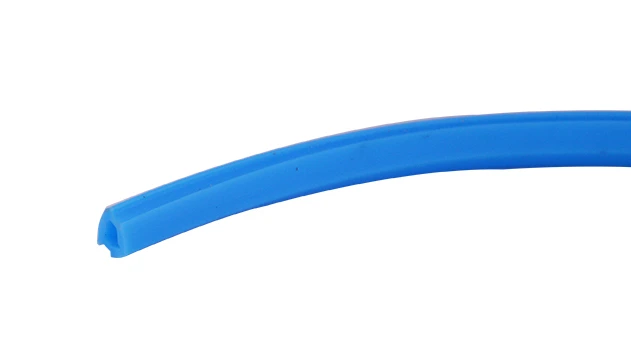
The unsung heroes keeping your conveyor systems running at their best
Introduction: The Heartbeat of Modern Manufacturing
Walk into any modern manufacturing facility, and you'll hear it—the steady hum of automated conveyors moving parts, components, and products with precision. From automotive assembly lines to electronics factories, these systems are the backbone of production, ensuring materials flow seamlessly from one workstation to the next. But behind this efficiency lies a network of small, often overlooked components that keep the entire operation from grinding to a halt. Today, we're shining a spotlight on one such component: the T-slot rubber seal cover .
At first glance, a rubber seal cover might seem trivial. It's small, flexible, and often hidden away in the grooves of conveyor frames. But ask any plant manager or maintenance technician, and they'll tell you: these unassuming pieces play a critical role in protecting the aluminum profile T-slots that are the foundation of many conveyor systems. Without them, dust, debris, and moisture can sneak into these slots, causing jams, corrosion, and costly downtime. In a world where every second of production counts, the difference between a smooth operation and a frustrating delay often comes down to details like this.
In this article, we'll dive deep into the world of T-slot rubber seal covers—what they are, why they matter, and how they contribute to the reliability of conveyor systems in lean manufacturing environments. Whether you're a seasoned engineer looking to optimize your facility or a curious newcomer to industrial design, understanding these tiny guardians will give you a new appreciation for the thought and care that goes into building efficient, long-lasting production lines.
The Role of T-Slots in Automated Conveyors: More Than Just Grooves
To understand why T-slot rubber seal covers are so important, we first need to understand T-slots themselves. If you've ever worked with aluminum extrusion profiles —the modular building blocks of everything from conveyors to workbenches—you've likely noticed the distinctive T-shaped grooves running along their length. These slots aren't just for show; they're the unsung heroes of modular design, allowing for endless customization and adaptability.
In automated conveyors, T-slots serve as connection points for a wide range of components. Need to attach a roller track to guide products? Slide a bracket into the T-slot and secure it with a bolt. Want to add a side guard to prevent items from falling off? T-slots make it easy. They also allow for quick adjustments: if a conveyor needs to be reconfigured to handle a new product size, technicians can loosen the bolts, reposition the components, and tighten them back up—no welding or drilling required. This flexibility is a cornerstone of lean system principles, where adaptability and waste reduction are key.
But T-slots aren't just about attachment. They also play a role in cable management, routing wires and hoses neatly along the conveyor frame to avoid tangling or damage. In some cases, they even act as channels for lubrication, ensuring moving parts stay smooth and functional. In short, T-slots are the "nerve endings" of a conveyor system—connecting, powering, and guiding every part of the operation.
However, this versatility comes with a trade-off: those open grooves are vulnerable. Without protection, they become magnets for all kinds of unwanted guests—metal shavings from nearby machining, dust from product packaging, spilled lubricants, even small tools or fasteners that might accidentally fall onto the conveyor. Over time, this buildup can turn a flexible, efficient system into a maintenance headache.

Challenges Without Proper T-Slot Protection: The Hidden Costs of Neglect
Imagine a busy electronics manufacturing plant. Conveyors zip circuit boards from one workbench to the next, where technicians assemble and test components. One day, a production line suddenly grinds to a halt. The culprit? A tiny screw that fell into an unprotected T-slot, jamming the bracket holding the roller track . By the time maintenance clears it, an hour of production is lost—costing the company thousands in missed deadlines and overtime. This isn't a hypothetical scenario; it's a reality for facilities that overlook T-slot protection.
The challenges of unprotected T-slots go beyond occasional jams. Let's break them down:
- Debris Buildup: Dust, dirt, and metal shavings accumulate in T-slots, acting like sandpaper on moving parts. Over time, this can wear down brackets and bolts, leading to loose components and misaligned conveyors.
- Corrosion: Moisture—from cleaning solutions, humidity, or spilled liquids—can seep into unprotected slots, causing the aluminum profile to corrode. Corroded T-slots lose their grip, making components prone to slipping or failing.
- Increased Maintenance Time: Technicians spend hours cleaning out T-slots instead of focusing on more critical tasks. What should be a 10-minute adjustment becomes a 30-minute ordeal because the slot is clogged with gunk.
- Safety Risks: Sharp edges from corroded or damaged T-slots can cut gloves or skin during maintenance. Loose components due to worn slots also pose a risk of parts falling off the conveyor, endangering workers below.
- Reduced Lifespan: A conveyor system with unprotected T-slots will likely need replacement years earlier than one with proper protection. The cost of replacing an entire aluminum profile frame far outweighs the investment in seal covers.
In lean manufacturing, where efficiency and waste reduction are paramount, these issues directly contradict core principles. Every minute spent cleaning slots, every dollar spent on replacement parts, and every hour of downtime erodes the bottom line. That's where T-slot rubber seal covers step in—they're not just a "nice-to-have" accessory, but a critical investment in the longevity and reliability of your conveyor system.

What Are T-Slot Rubber Seal Covers? Your Conveyor's First Line of Defense
T-slot rubber seal covers are exactly what they sound like: flexible, durable strips of rubber designed to fit snugly into the T-slots of aluminum profiles. Think of them as protective caps for your conveyor's "veins"—they seal off the open grooves, keeping out debris, moisture, and other contaminants while still allowing easy access when adjustments are needed.
Made from high-quality materials like PVC (polyvinyl chloride) or EPDM (ethylene propylene diene monomer), these covers are engineered to withstand the harsh conditions of industrial environments. They're resistant to oils, chemicals, and temperature fluctuations, ensuring they hold up even in factories with extreme heat or frequent cleaning cycles. Most are designed with a slight taper or lip that locks them into the T-slot, so they stay in place even when the conveyor is vibrating or in motion.
One of the best things about T-slot rubber seal covers is their simplicity. Unlike rigid metal covers, they're easy to install and remove by hand—no tools required. Need to adjust a bracket? Just peel back the cover, make your changes, and press it back into place. This balance of protection and accessibility is what makes them so valuable in dynamic manufacturing settings.
Available in a range of colors—like the plastic roller track guide rail yellow and plastic roller track guide rail grey options you might see in facilities—they also serve a secondary purpose: visibility. Bright yellow covers, for example, make T-slots more noticeable, reducing the risk of accidental damage during maintenance. Grey covers, on the other hand, blend in with aluminum profiles for a cleaner, more professional look.
Key Benefits of T-Slot Rubber Seal Covers: Why They're Worth Every Penny
Investing in T-slot rubber seal covers might seem like a small expense, but the returns are significant. Let's explore the top benefits these unassuming components bring to your conveyor system and overall operations:
1. Extended Conveyor Lifespan
By keeping debris and moisture out of T-slots, seal covers prevent corrosion and wear, adding years to your conveyor's life. A study by the Manufacturing Technology Insights found that facilities using T-slot protection saw a 30% reduction in aluminum profile replacement costs over five years. That's a substantial saving when you consider the price of even a single 10-foot aluminum extrusion.
2. Reduced Downtime
Downtime is the enemy of productivity, and unprotected T-slots are a common cause. With seal covers, jams from debris become rare, and adjustments take less time because slots stay clean. A mid-sized automotive plant reported cutting maintenance-related downtime by 15% after installing T-slot covers on all conveyors—translating to an extra 360 production hours per year.
3. Lower Maintenance Costs
Cleaning T-slots is a tedious, time-consuming task. Seal covers eliminate most of this work, freeing technicians to focus on preventive maintenance and repairs that actually move the needle. Over a year, a team of three maintenance workers could save up to 200 hours—time better spent on training, process improvements, or tackling backlogged projects.
4. Improved Safety
Seal covers smooth out the edges of T-slots, reducing the risk of cuts and scrapes during maintenance. They also keep small tools and fasteners from falling into slots, where they could become projectiles if dislodged. In one food processing facility, reported hand injuries dropped by 22% after installing T-slot covers, leading to lower workers' compensation costs and a happier, more productive team.
5. Enhanced Aesthetics and Brand Image
A clean, well-maintained facility sends a message to clients, auditors, and employees that you care about quality. T-slot covers give conveyor systems a polished, professional look, free of the rust and grime that accumulate in unprotected slots. This attention to detail can make a difference during factory tours or ISO certification audits, where organization and cleanliness are key criteria.
Types of T-Slot Rubber Seal Covers: Finding the Right Fit for Your Needs
Not all T-slot rubber seal covers are created equal. Just as conveyor systems vary in size, environment, and function, so too do the covers designed to protect them. Understanding the different types available will help you choose the best option for your facility. Here's a breakdown of the most common varieties:
| Type | Material | Color Options | Best For | Key Features |
|---|---|---|---|---|
| Standard PVC Covers | PVC (Polyvinyl Chloride) | Yellow, Grey, Black | General manufacturing, dry environments | Cost-effective, easy to install, good chemical resistance |
| EPDM Covers | EPDM Rubber | Black, White | High-temperature areas (up to 300°F), outdoor use | Heat and UV resistant, excellent elasticity |
| ESD-Safe Covers | Conductive PVC | Black | Electronics manufacturing, cleanrooms | Prevents static buildup, meets ESD standards |
| Heavy-Duty Covers | Reinforced PVC | Yellow, Grey | High-traffic areas, heavy machinery | Thicker material, resistant to punctures and tears |
When choosing a cover, consider your environment first. For example, a bakery with high temperatures would benefit from EPDM covers, while a semiconductor plant handling sensitive chips would need ESD-safe options. Color can also play a role: yellow covers are popular in warehouses for visibility, while grey or black blends in better in professional settings like laboratories.
Most suppliers offer covers in standard lengths (5–10 feet), but custom cuts are available for unique conveyor designs. It's also worth checking if the covers are compatible with your specific aluminum profile—while many are universal, some T-slot sizes (like 2020 vs. 4040 profiles) may require slightly different dimensions.
Installation Guide: How to Fit T-Slot Rubber Seal Covers in 5 Easy Steps
Installing T-slot rubber seal covers is a simple task that requires no special tools or expertise. Even if you're new to conveyor maintenance, you can have your slots protected in minutes. Here's a step-by-step guide to get you started:
- Prepare the T-Slot: Start by cleaning the T-slot thoroughly. Use a soft brush or compressed air to remove dust, debris, and old adhesive residue. For stubborn grime, wipe the slot with a damp cloth and let it dry completely—moisture can prevent the cover from adhering properly.
- Measure and Cut: Unroll the seal cover and measure the length of the T-slot. Add 1–2 inches to account for any overhang, then cut the cover with scissors or a utility knife. A straightedge can help ensure clean, even cuts.
- Align the Cover: Peel back a small section of the cover (if it has adhesive—some designs rely on friction alone) and align it with the end of the T-slot. Make sure the cover is centered and the lip is facing the correct direction (most have a "top" side that sits flush with the profile).
- Press and Secure: Slowly press the cover into the slot, working your way from one end to the other. Use your thumb or a rubber mallet (for tight fits) to ensure it's fully seated. For adhesive-backed covers, smooth out any bubbles or wrinkles as you go.
- Trim Excess: Once the cover is installed, trim any overhanging ends with scissors. If the conveyor has corners or joints, use a utility knife to make clean cuts around brackets or connectors.
Pro tip: For long conveyor runs, have a colleague help feed the cover into the slot while you press it down—this prevents kinks and ensures a smooth installation. If you're unsure about the fit, test a small section first before committing to the entire length.
Most T-slot rubber seal covers are designed to be reusable, so you can remove and reposition them if needed. Just gently peel them out of the slot (adhesive-backed covers may lose stickiness after multiple removals, so consider friction-fit designs for frequently adjusted conveyors).
Maintenance Tips: Keeping Your T-Slot Rubber Seal Covers in Top Shape
T-slot rubber seal covers are low-maintenance, but a little care goes a long way in extending their lifespan. Follow these simple tips to ensure your covers continue protecting your conveyors for years to come:
- Inspect Regularly: Include T-slot covers in your weekly maintenance checks. Look for signs of wear—cracks, tears, or loose sections. Pay extra attention to areas near roller track connections or high-traffic zones, as these are more prone to damage.
- Clean Gently: Wipe covers with a soft, damp cloth to remove dust and spills. Avoid harsh chemicals or abrasive cleaners, which can degrade the rubber. For oil or grease stains, use a mild soap solution and rinse thoroughly.
- replace When Worn: If a cover is cracked or no longer fits snugly, replace it immediately. A damaged cover is worse than no cover at all—it can trap debris inside the slot instead of keeping it out. Most covers last 3–5 years with proper care, but harsh environments may require more frequent replacement.
- Protect During Cleaning: When pressure-washing or steam-cleaning conveyors, cover the T-slot seals with tape or plastic to prevent excessive water exposure. While many covers are water-resistant, prolonged exposure to high-pressure water can loosen adhesive or degrade the rubber.
- Store Spare Covers Properly: Keep extra covers in a cool, dry place away from direct sunlight and chemicals. UV rays and extreme temperatures can cause rubber to harden or crack over time.
By incorporating these steps into your routine, you'll ensure that your T-slot rubber seal covers remain effective guardians of your conveyor system, keeping it running smoothly and efficiently.
Real-World Applications: Where T-Slot Rubber Seal Covers Make a Difference
T-slot rubber seal covers aren't just for automotive factories—they're used in a wide range of industries where automated conveyors and aluminum profiles play a role. Let's take a look at how different sectors benefit from these simple yet effective components:
Electronics Manufacturing
In cleanrooms where circuit boards and microchips are assembled, even a speck of dust can ruin a product. ESD-safe T-slot covers prevent static buildup and keep contaminants out of conveyor T-slots, ensuring sensitive electronics aren't damaged during transport. Facilities like semiconductor plants often use black conductive covers to blend in with their sleek, high-tech environments.
Food and Beverage Processing
Food-grade T-slot covers (made from FDA-approved materials) are essential in this industry. They resist bacteria growth, stand up to frequent washdowns with sanitizing solutions, and prevent food particles from lodging in T-slots. Bright yellow covers are popular here—they're easy to spot during inspections, ensuring no area is missed during cleaning.
Aerospace and Defense
Precision is everything in aerospace manufacturing, where even minor misalignments can have catastrophic consequences. T-slot covers keep conveyor frames free of debris, ensuring brackets and roller track components stay tightly secured. Heavy-duty EPDM covers are often used here to withstand the high temperatures of paint booths and curing ovens.
Warehousing and Logistics
In busy distribution centers, conveyors run 24/7, moving packages of all shapes and sizes. T-slot covers protect against the constant vibration and impact of heavy loads, reducing the need for emergency repairs. Grey or black covers are preferred here for their ability to hide scuffs and wear, maintaining a professional appearance even in high-traffic areas.
Pharmaceutical Production
Pharmaceutical facilities require strict adherence to hygiene standards. T-slot covers with smooth, non-porous surfaces are easy to sanitize, preventing the growth of mold or bacteria. White EPDM covers are common here, as they make it easy to spot any contamination during visual inspections.
Conclusion: Small Components, Big Impact
In the grand scheme of automated manufacturing, T-slot rubber seal covers might seem like an afterthought. But as we've explored, these tiny components are the unsung heroes that keep conveyor systems running smoothly, protect valuable aluminum profiles, and save facilities time and money in the long run. They embody the spirit of lean system thinking—optimizing the small details to create big improvements in efficiency, reliability, and safety.
Whether you're managing a bustling automotive plant, a high-tech electronics facility, or a busy warehouse, investing in quality T-slot rubber seal covers is a decision that pays dividends. They reduce downtime, lower maintenance costs, extend equipment lifespan, and create a safer, more professional work environment. And best of all, they're simple to install, easy to maintain, and affordable—making them one of the smartest investments you can make in your conveyor system.
So the next time you walk past a conveyor line, take a moment to look down at those small, unassuming grooves. Chances are, there's a T-slot rubber seal cover hard at work, quietly ensuring that everything runs like clockwork. After all, in manufacturing, as in life, it's often the little things that make the biggest difference.