- Company Articles
- Products and Technology
- Product knowledge
- T-Slot Rubber Seal Covers for Automotive Assembly Lines: Protecting T-Slots in High-Volume Production

T-Slot Rubber Seal Covers for Automotive Assembly Lines: Protecting T-Slots in High-Volume Production
Related Product
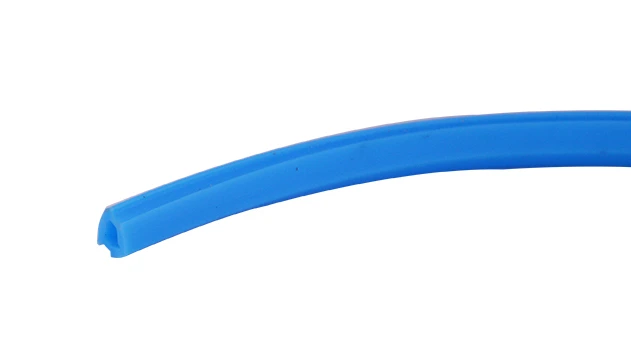
T-slot Rubber Seal Cover
The rubber T-slot seal cover prevents dust and debris buildup, covers wires in the T-slot channel, and adds an extra layer of protection to applications. It rolls into the T-slot, making it easy to assemble.
Walk into any modern automotive assembly plant, and you'll be met with a controlled chaos that's equal parts impressive and overwhelming. Robotic arms twist and turn with pinpoint accuracy, conveyor belts hum as they ferry components from station to station, and workers in safety gear move with purpose—all racing toward a common goal: building reliable vehicles at scale. In this high-stakes environment, where a single minute of downtime can cost thousands of dollars, every detail matters. Yet, amid the flashy machinery and cutting-edge tech, there's a quiet workhorse that keeps the entire operation grounded: the aluminum extrusion profile. These unassuming metal structures form the backbone of assembly stations, workbenches, and material racks, and hidden within their design is a feature that makes customization possible: the T-slot. But in the relentless pace of high-volume production, T-slots face threats that could compromise efficiency, safety, and longevity. That's where T-slot rubber seal covers step in—a small accessory with a big mission. Let's explore why these simple tools are becoming indispensable in automotive manufacturing.
Aluminum Extrusion Profiles: The Backbone of Modern Assembly Lines
Before diving into T-slots and their protection, it's worth understanding why aluminum extrusion profiles have become the go-to choice for automotive plants. Unlike traditional steel frames, aluminum profiles offer a rare blend of strength, lightness, and flexibility. They're corrosion-resistant, easy to modify, and can be mass-produced with consistent precision—qualities that align perfectly with the demands of high-volume production. But what truly sets them apart is their adaptability, and that's largely thanks to the T-slots running along their length.
Aluminum extrusion profiles are created through a process where heated aluminum is pushed through a die, forming long, uniform shapes with built-in features like channels, grooves, and—most importantly—T-slots. These profiles come in standard sizes (think 2020, 3030, or 4040, referring to their width and height in millimeters) but can also be custom-extruded for specific needs. In automotive plants, they're used everywhere: as the frame for workbenches where technicians assemble engines, as the structure for flow racks that hold parts like bolts and gaskets, and even as the rails for conveyors that move car bodies through painting and welding stations.
The beauty of aluminum extrusion profiles lies in their modularity. Need to reconfigure an assembly line to produce a new model? Swap out a few profiles. Want to add a tool holder or a light fixture to a workstation? Attach it directly to the T-slot. This flexibility is the cornerstone of lean system principles, which prioritize minimizing waste and maximizing adaptability. But to keep this flexibility intact, the T-slots themselves need to stay in top shape—and that's easier said than done in a factory environment.
T-Slots: The Unsung Heroes of Customization
If aluminum extrusion profiles are the backbone of the assembly line, T-slots are the joints that let that backbone bend and flex. A T-slot is a longitudinal groove with a T-shaped cross-section, running the length of the profile. It's designed to accept T-nuts, bolts, and brackets, which can slide along the slot and lock into place, allowing for quick and secure attachment of almost any accessory. Need to mount a monitor above a workbench? Slide a bracket into the T-slot and tighten. Want to add a stop block to a conveyor rail? Lock a bolt into the slot. This adaptability means assembly lines can evolve with changing production needs without requiring a complete overhaul.
In high-volume automotive production, where lines often run 24/7, this customization is critical. For example, a plant building sedans might need shallower shelves on their flow racks than one building SUVs. A workstation assembling door panels might require different tool positioning than one assembling dashboards. T-slots make these adjustments possible in minutes, not days, keeping production on track. They also support the "kaizen" philosophy of continuous improvement—workers can tweak their stations to be more ergonomic or efficient, and managers can test new layouts without investing in entirely new infrastructure.
But here's the catch: T-slots are vulnerable. Their open design, which makes them so versatile, also leaves them exposed to the harsh realities of factory life. Dust, metal shavings, oil, coolant, and even small parts can fall into the slots, gumming them up. Over time, this debris can wear down the edges of the slot, making it harder to slide in T-nuts or causing them to jam. Moisture from cleaning or humidity can lead to corrosion, weakening the aluminum. And the constant vibration from nearby machinery can loosen fasteners, which then rattle around in the slot, scratching and damaging it further. In short, T-slots need protection to keep doing their job.

The Hidden Costs of Unprotected T-Slots in High-Volume Production
To understand why T-slot protection matters, let's break down the consequences of leaving T-slots unguarded in a high-volume automotive plant. Imagine a busy assembly line producing 60 cars per hour. Each station along that line uses aluminum extrusion profiles with T-slots to hold tools, fixtures, and material bins. Now, multiply that by 50 stations, and you've got hundreds of feet of exposed T-slots—each a potential target for debris and damage.
First, there's downtime. When a T-slot gets clogged with metal chips or oil, workers can't quickly adjust their tools or reposition fixtures. They might spend 10 minutes cleaning out the slot, or worse, need to call maintenance to fix a jammed T-nut. In a line where every second counts, those 10 minutes add up. Multiply that by several incidents per day across multiple stations, and you're looking at hours of lost production—time that could have been used to build dozens more cars.
Then there's maintenance costs. A clogged or corroded T-slot might require the entire aluminum extrusion profile to be replaced, which isn't cheap. Even if it just needs cleaning, that's labor hours spent on upkeep instead of production. Over time, repeated wear can also lead to misalignment in fixtures, which affects precision. A slightly wobbly tool holder, for example, might result in parts being assembled incorrectly, leading to quality issues and costly rework.
Safety is another concern. Debris that falls out of unprotected T-slots can end up on the factory floor, creating slip hazards. Loose fasteners rattling in slots can come loose and become projectiles, risking injury to workers. And corroded or damaged profiles are weaker, increasing the risk of fixtures or tools falling off—a serious safety hazard in a plant with heavy machinery.
Finally, there's the impact on lean system goals. Lean manufacturing is all about eliminating waste, but unprotected T-slots create waste in multiple forms: waste of time (cleaning, maintenance), waste of materials (replacing damaged profiles), and waste of labor (reworking parts due to misaligned fixtures). For plant managers trying to hit efficiency targets, these hidden costs can derail even the best-laid plans.
"We used to have a problem with our door panel assembly station," says Maria Gonzalez, a production supervisor at a mid-sized automotive plant in Michigan. "The T-slots on the workbench would get filled with glue and fabric scraps from the door liners. Every few days, we'd have to stop the line for 15 minutes to clean them out with compressed air and a brush. It didn't seem like much at the time, but over a month, that added up to hours of lost production. And once, a T-nut jammed so bad, we had to replace the entire profile section—it cost us $200 in parts and two hours of downtime. That's when we started looking for a better solution."

T-Slot Rubber Seal Covers: A Simple Fix with Big Returns
Enter T-slot rubber seal covers—small, flexible strips designed to fit snugly into T-slots, creating a protective barrier against debris, moisture, and damage. Think of them as a "lid" for T-slots: they keep out the bad stuff while still allowing easy access when you need to adjust or add fixtures. Made from durable rubber compounds like EPDM or silicone, these covers are designed to withstand the harsh conditions of automotive plants, from extreme temperatures to exposure to oils and coolants.
At first glance, they might seem too simple to make a difference. After all, they're just rubber strips, right? But that simplicity is their strength. Unlike rigid plastic caps or metal plates, which are hard to remove and reattach, rubber seal covers are flexible. You can peel back a section to insert a T-nut, then press it back into place—no tools required. They conform to the shape of the T-slot, creating a tight seal that blocks dust, chips, and liquids. And because they're made of rubber, they absorb vibration, reducing the risk of fasteners coming loose and rattling around. In short, they solve the problems of unprotected T-slots without adding complexity to the assembly line.
But not all T-slot rubber seal covers are created equal. To be effective in automotive production, they need to meet specific criteria. Let's take a closer look at what makes a quality seal cover.
What to Look for in a Quality T-Slot Rubber Seal Cover
When choosing T-slot rubber seal covers for an automotive assembly line, there are several key features to consider. These features ensure the covers can stand up to the demands of high-volume production and deliver long-term value.
Material Matters: Choosing the Right Rubber Compound
The first thing to check is the material. Most T-slot seal covers are made from EPDM (ethylene propylene diene monomer) rubber, which is prized for its excellent resistance to heat, ozone, and weathering. EPDM can handle temperatures from -40°C to 150°C (-40°F to 302°F), making it ideal for factories with hot welding stations or cold storage areas. It's also resistant to oils, coolants, and mild chemicals—common in automotive plants. For more extreme conditions, like stations near foundries or those using harsh solvents, silicone rubber might be a better choice. Silicone can withstand higher temperatures (up to 200°C/392°F) and has superior chemical resistance, though it's slightly more expensive than EPDM.
Perfect Fit: Matching the T-Slot Profile
T-slots come in different sizes, depending on the aluminum extrusion profile. A 2020 profile (20mm x 20mm) has a narrower T-slot than a 4040 profile (40mm x 40mm). A quality seal cover should be designed to fit these standard sizes precisely. A cover that's too loose will fall out; one that's too tight will be hard to install and might tear when removed. Look for covers with a "lip" design that grips the edges of the T-slot, ensuring a secure fit even during vibration. Some manufacturers also offer custom sizes for non-standard profiles, which is useful for plants with older or specialized equipment.
Durability and Longevity
In a plant running 24/7, seal covers need to last. Look for covers with a thickness of at least 1.5mm—thinner covers might wear out quickly from repeated opening and closing. Check for UV resistance if the profiles are near windows or skylights, as sunlight can degrade rubber over time. It's also worth asking about the manufacturer's warranty; reputable brands often offer 1-2 years of coverage against defects or premature wear.
Easy Installation and Maintenance
The best seal covers are easy to install. Many come with a self-adhesive backing—simply peel off the protective strip and press the cover into the T-slot. Others use a press-fit design, relying on the rubber's flexibility to stay in place. Either way, installation should take minutes per profile, with no need for special tools or training. Maintenance is equally simple: wipe the covers down during regular cleaning, and replace sections if they become damaged or worn. Since they're sold in rolls (typically 5-10 meters long), replacing a section is affordable and quick.
From the Factory Floor: Real-World Benefits of T-Slot Rubber Seal Covers
To put this in perspective, let's return to Maria Gonzalez's plant. After dealing with repeated T-slot jams and downtime, her team decided to test T-slot rubber seal covers on 10 of their busiest assembly stations. The results were immediate.
"Within the first week, we noticed a difference," Gonzalez recalls. "Workers weren't stopping to clean out T-slots anymore. The glue and fabric scraps from the door panels just wiped right off the rubber covers instead of getting stuck in the slots. We also saw fewer T-nut jams—probably because the covers kept the slots clean and smooth. After a month, we calculated that we'd cut maintenance time on those stations by 40%. And when we expanded the covers to all 50 stations, our overall line downtime related to T-slot issues dropped by 75%. It was a game-changer for us."
Gonzalez's experience isn't unique. Across the automotive industry, plants that have adopted T-slot rubber seal covers report similar benefits:
Reduced Downtime
Cleaner T-slots mean fewer jams and faster adjustments. Workers can reconfigure stations in minutes instead of hours, keeping production on schedule.
Lower Maintenance Costs
Less debris and corrosion mean aluminum extrusion profiles last longer. Plants report replacing profiles 50-60% less frequently, and spending far less on cleaning supplies and labor.
Improved Safety
Fewer loose fasteners and debris on the floor reduce slip and trip hazards. Corrosion-resistant T-slots also mean stronger, more reliable fixtures, lowering the risk of tools or parts falling.
Better Adherence to Lean Principles
By minimizing waste (time, materials, labor), T-slot rubber seal covers support lean system goals. They make it easier to implement quick changeovers and continuous improvement, keeping the line agile and efficient.
How T-Slot Rubber Seal Covers Compare to Other Protection Methods
You might be wondering: Are there other ways to protect T-slots? The short answer is yes—but none offer the same balance of protection, flexibility, and cost-effectiveness as rubber seal covers. Let's compare the most common alternatives:
| Protection Method | How It Works | Pros | Cons | Best For |
|---|---|---|---|---|
| T-Slot Rubber Seal Covers | Flexible rubber strips that seal T-slots; peel back to access. | Easy to install/remove; affordable; protects against debris/moisture; absorbs vibration. | May wear over time in extreme conditions; not suitable for slots needing constant access. | High-volume assembly lines, lean systems, stations with moderate adjustment needs. |
| Plastic End Caps | Rigid plastic caps that snap into the ends of T-slots. | Cheap; easy to install; good for sealing unused slot ends. | Only protect ends, not the entire slot; hard to remove/reuse; can crack in cold temps. | Sealing unused slot ends; low-vibration, low-debris areas. |
| Metal Plates | Thin metal sheets bolted over T-slots. | Durable; protects against heavy impact. | Heavy; expensive; require tools to remove; add weight to profiles. | Heavy machinery stations; areas with high risk of impact damage. |
| Adhesive Tape | Double-sided tape applied over T-slots. | Extremely cheap; quick to apply. | Not durable; peels off in heat/moisture; leaves residue; hard to remove cleanly. | Temporary protection during short-term projects; low-budget, low-priority areas. |
As the table shows, rubber seal covers strike the best balance for most automotive applications. They're affordable enough to deploy across the entire plant, flexible enough to support lean system adjustments, and durable enough to withstand the daily grind of high-volume production. For stations that need constant access to T-slots (e.g., testing areas where fixtures change hourly), metal plates might make sense—but for the majority of assembly line stations, rubber seal covers are the clear choice.
The Future of T-Slot Protection: Innovations on the Horizon
As automotive manufacturing continues to evolve—with trends like electric vehicles, autonomous production, and "lights-out" factories—so too will the tools that support it. T-slot rubber seal covers are no exception. Manufacturers are already exploring new materials and designs to make them even more effective.
One emerging trend is conductive rubber seal covers, which can dissipate electrostatic discharge (ESD). This is critical for electronics assembly areas, where static electricity can damage sensitive components like circuit boards. By integrating conductive particles into the rubber, these covers protect T-slots while also grounding the aluminum extrusion profile, reducing ESD risks.
Another innovation is smart seal covers embedded with tiny sensors. These sensors can detect wear, temperature changes, or moisture intrusion and send alerts to maintenance teams before a problem arises. For example, if a cover starts to degrade in a high-heat area, the sensor could trigger a notification to replace it, preventing debris from entering the T-slot. While still in development, these "smart" covers could further reduce downtime and maintenance costs.
Finally, there's a push toward more sustainable materials. Some manufacturers are experimenting with recycled rubber compounds for seal covers, reducing waste and lowering environmental impact. This aligns with the automotive industry's growing focus on sustainability, as plants aim to reduce their carbon footprints.
Conclusion: Small Investment, Big Returns for Automotive Assembly Lines
In the world of automotive manufacturing, where success hinges on precision, efficiency, and reliability, it's often the smallest components that make the biggest difference. T-slot rubber seal covers are a perfect example. They're simple, affordable, and easy to overlook—but their impact on reducing downtime, cutting maintenance costs, and supporting lean system goals is undeniable.
For plant managers and production supervisors, the message is clear: protecting T-slots isn't a luxury—it's a necessity. By investing in quality T-slot rubber seal covers, you're not just safeguarding aluminum extrusion profiles; you're protecting the efficiency, safety, and profitability of your entire operation. In high-volume production, where every minute and every dollar counts, that's an investment that pays off—day in, day out.
So the next time you walk through an automotive assembly plant, take a closer look at those aluminum extrusion profiles. Chances are, if the line is running smoothly, efficiently, and with minimal downtime, there's a good chance T-slot rubber seal covers are hard at work—quietly keeping the backbone of the operation safe, clean, and ready for whatever production throws at it.