- Company Articles
- Products and Technology
- Product knowledge
- T-Slot Rubber Seal Covers for Heavy-Duty Material Handling: Withstanding Loads and Impact

T-Slot Rubber Seal Covers for Heavy-Duty Material Handling: Withstanding Loads and Impact
Related Product
T-slot Rubber Seal Cover
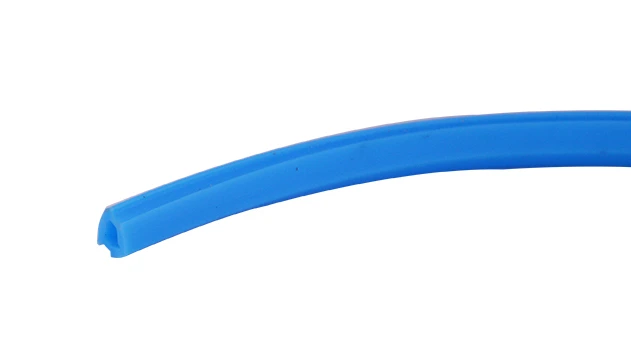
The rubber T-slot seal cover prevents dust and debris buildup, covers wires in the T-slot channel, and adds an extra layer of protection to applications. It rolls into the T-slot, making it easy to assemble.
T-Slot Rubber Seal Covers for Heavy-Duty Material Handling: Withstanding Loads and Impact
Walk into any busy warehouse, manufacturing plant, or logistics hub, and you'll be hit with a symphony of movement: forklifts humming, pallets clanging, conveyor belts whirring, and workers bustling to keep pace with deadlines. In the middle of all this chaos, there's a silent player that keeps everything from falling apart—literally. It's not the massive cranes or the high-tech robots, but something small, unassuming, and often overlooked: T-slot rubber seal covers. These little strips of rubber might not grab headlines, but they're the unsung heroes protecting the backbone of material handling systems: aluminum profiles, roller tracks, and workbenches. Today, we're diving deep into why these humble components are non-negotiable for anyone serious about heavy-duty material handling.
What Are T-Slot Rubber Seal Covers, Anyway?
Let's start with the basics. If you've ever worked with aluminum extrusion profiles (those versatile, groove-lined beams used to build everything from workbenches to conveyor frames), you know they're full of T-shaped slots. These slots are genius—they let you bolt on accessories, attach shelves, or slide in components with ease. But here's the catch: those slots are also vulnerable. Exposed to heavy loads, constant friction, and the occasional dropped tool, they can get dented, filled with debris, or corroded over time. That's where T-slot rubber seal covers come in.
T-slot rubber seal covers are flexible, durable strips designed to snap into the T-slots of aluminum profiles. Think of them as protective armor for the profile's "bones." Made from high-grade rubber compounds, they seal off the slots, shielding them from dust, moisture, and physical impact. But they're not just about protection—they also smooth out the profile's surface, reducing friction when materials slide across them (critical for roller tracks) and preventing snags that could slow down workflows.
Quick Example: Imagine a warehouse where roller tracks are used to slide heavy boxes from one station to another. Without seal covers, the T-slots on the aluminum profiles supporting those tracks would collect dirt and small debris. Over time, that debris would gunk up the tracks, causing boxes to jam or slide unevenly. With seal covers, the slots stay clean, the tracks run smoothly, and the whole operation stays on schedule.
Why Heavy-Duty Material Handling Can't Afford to Skip Them
Heavy-duty material handling isn't for the faint of heart. We're talking about loads that can weigh hundreds, even thousands, of pounds. We're talking about constant impact—pallets slamming down, tools dropping, machinery vibrating. And we're talking about friction: metal on metal, plastic on metal, all day, every day. Aluminum profiles and roller tracks are tough, but they're not indestructible. Let's break down the challenges and how T-slot rubber seal covers address them.
1. The Battle Against Loads
In a factory that assembles car parts, a workbench might hold a 300-pound engine block one minute and a stack of steel sheets the next. The aluminum profile frame of that workbench is under constant stress, and the T-slots take the brunt of it. Without a seal cover, the edges of the slot can wear down from the pressure, leading to cracks or deformation. A cracked profile isn't just a maintenance headache—it's a safety risk. T-slot rubber seal covers act as a buffer, distributing the load across the slot's surface and absorbing some of the pressure. This reduces wear and tear, extending the life of the aluminum profile by years.
2. Impact: When Things Get Rough
Accidents happen. A forklift operator misjudges a turn and bumps into a roller track. A worker drops a wrench onto a workbench. These impacts might seem minor, but over time, they add up. Unsealed T-slots are like tiny crumple zones—they're the first to take damage. A sharp impact can bend the slot's edges or chip the aluminum, making it harder to attach accessories later. Rubber seal covers are shock absorbers. Their flexible material cushions the blow, preventing dents and chips. It's like putting a bumper on a car—you hope you never need it, but you're glad it's there when you do.
3. Friction: The Silent Efficiency Killer
On a roller track, every bit of friction matters. If a box catches on a rough, unsealed T-slot, it slows down, jams, or even tips over. That's a recipe for delays and damaged goods. T-slot rubber seal covers smooth out the surface of the aluminum profile, creating a low-friction barrier. When a box slides across a sealed profile, it glides instead of grinding. This might not sound like a big deal, but in a warehouse processing hundreds of boxes an hour, those seconds add up to hours of saved time (and fewer frustrated workers).
The Top 5 Benefits of T-Slot Rubber Seal Covers
By now, you get the gist: T-slot rubber seal covers protect aluminum profiles, roller tracks, and workbenches. But let's get specific. Here are the key benefits that make them a must-have for heavy-duty operations:
1. Unbeatable Durability
These aren't your average rubber bands. T-slot rubber seal covers are made from industrial-grade rubber compounds like EPDM, nitrile, or silicone—materials chosen for their resistance to wear, tear, and extreme conditions. EPDM, for example, can handle temperatures from -40°F to 248°F (-40°C to 120°C) and resists UV rays, ozone, and water. Nitrile is great for oil and chemical resistance, making it ideal for factories where lubricants or solvents are present. No matter the environment, these covers are built to last, even under daily punishment.
2. Load Resistance That Doesn't Quit
Heavy loads are part of the job in material handling, and T-slot rubber seal covers rise to the occasion. They're designed to withstand static loads (like a workbench holding tools) and dynamic loads (like a roller track sliding pallets). Most high-quality covers can handle up to 500 pounds of pressure per linear inch without deforming. That means even when you stack heavy materials on a sealed aluminum profile, the cover stays in place, protecting the slot underneath.
3. Impact Absorption to Prevent Damage
Remember that dropped wrench or bumped forklift? Rubber's natural elasticity lets seal covers absorb impact energy and bounce back. Tests show that a good seal cover can reduce the force of a 10-pound impact by up to 30%, significantly lowering the risk of damage to the aluminum profile. Over time, this translates to fewer repairs, less downtime, and lower maintenance costs.
4. Compatibility with Every Setup
Whether you're building a workbench, a roller track, or a custom material rack, T-slot rubber seal covers play well with others. They're available in sizes to fit standard aluminum profile slots (like 20mm, 30mm, or 40mm widths) and can be cut to length with a simple utility knife. No special tools, no complicated installation—just snap them into place, and you're good to go. They also work with all types of accessories: brackets, clamps, and even the wheels on roller tracks glide smoothly over them.
5. Easy Maintenance, Big Savings
Unlike some industrial components that require regular lubrication or cleaning, T-slot rubber seal covers are low-maintenance. A quick wipe with a damp cloth is usually enough to keep them clean. And if one does wear out (after years of use), replacing it is cheap and easy—no need to replace the entire aluminum profile. Over the lifespan of a material handling system, this adds up to significant cost savings.
Technical Deep Dive: What Makes a Great T-Slot Rubber Seal Cover?
Not all T-slot rubber seal covers are created equal. To stand up to heavy-duty material handling, they need the right materials, design, and dimensions. Let's break down the technical details that matter.
Materials: Choosing the Right Rubber Compound
The rubber compound is the heart of the seal cover. Here's how the most common options stack up:
| Rubber Type | Load Resistance | Impact Absorption | Temperature Range | Best For |
|---|---|---|---|---|
| EPDM | High (up to 500 lbs/in) | Excellent | -40°F to 248°F (-40°C to 120°C) | Outdoor use, warehouses, general manufacturing |
| Nitrile | Very High (up to 600 lbs/in) | Good | -22°F to 212°F (-30°C to 100°C) | Factories with oil, grease, or solvents |
| Silicone | Medium (up to 400 lbs/in) | Good | -67°F to 572°F (-55°C to 300°C) | High-temperature environments (ovens, foundries) |
Dimensions: Fit Matters
Seal covers need to fit snugly in the T-slot to stay in place under load. Most are designed with a "lip" that grips the edges of the slot, preventing them from popping out. Common widths range from 8mm to 25mm, and thicknesses from 3mm to 8mm. Thicker covers offer more impact absorption but may add slight height to the profile—something to consider if you're working with tight clearances.
Environmental Resistance
Heavy-duty material handling doesn't happen in a bubble. Warehouses get hot in summer and cold in winter; factories deal with chemicals; outdoor yards face rain and UV rays. The best T-slot rubber seal covers are tested to resist all these: UV stabilizers prevent sun damage, chemical-resistant formulas stand up to oils and cleaners, and water-resistant materials stop moisture from seeping into the slot and causing corrosion.
Real-World Wins: How T-Slot Seal Covers Transform Operations
Still not convinced? Let's look at some real stories from businesses that made the switch to T-slot rubber seal covers. These aren't just "case studies"—they're proof that small changes can lead to big results.
Case Study 1: A Busy E-Commerce Warehouse
A large e-commerce fulfillment center in the Midwest was struggling with frequent jams on their roller tracks. The problem? Dirt and debris were getting stuck in the T-slots of the aluminum profiles supporting the tracks, causing boxes to catch and slow down. Maintenance crews were spending 2 hours a day cleaning the slots, and the warehouse was falling behind on shipping deadlines.
After installing T-slot rubber seal covers on all roller track profiles, the jams stopped. The covers kept debris out, and the tracks ran smoothly. Maintenance time dropped to 15 minutes a week, and the warehouse met its deadlines consistently. Over six months, they saved over $10,000 in labor costs alone.
Case Study 2: An Automotive Manufacturing Plant
An automotive plant was using aluminum profile workbenches to assemble engine parts. The workbenches were durable, but the T-slots were getting damaged from dropped tools and heavy engine components. Every few months, they had to replace sections of the profiles, costing $500 per replacement and causing downtime.
They added T-slot rubber seal covers to all workbenches. A year later, not a single profile needed replacement. The covers had absorbed the impact of dropped tools and distributed the weight of heavy parts, keeping the slots intact. The plant estimates they've saved over $6,000 in replacement costs and avoided 20 hours of downtime.
Case Study 3: A Logistics Hub with Outdoor Storage
A logistics company stored aluminum profile racks outdoors, exposed to rain, snow, and UV rays. The T-slots were corroding, making it hard to attach shelves or adjust rack heights. They tried painting the slots, but the paint chipped off quickly.
Switching to EPDM T-slot seal covers solved the problem. The EPDM material resisted UV damage and kept moisture out of the slots. After two years of outdoor exposure, the profiles still look new, and the slots are as functional as the day they were installed. The company now uses seal covers on all outdoor racks, saving on repainting and replacement costs.
How to Choose the Right T-Slot Rubber Seal Cover for Your Needs
Now that you're sold on the benefits, how do you pick the right seal cover for your operation? Here's a step-by-step guide:
Step 1: Identify Your Aluminum Profile's Slot Size
Measure the width of the T-slot in your aluminum profile (common sizes are 10mm, 15mm, 20mm, etc.). The seal cover should match this width exactly—too narrow, and it will fall out; too wide, and it won't fit. Most manufacturers list slot size in their product descriptions, so double-check before ordering.
Step 2: Consider Your Environment
Is your operation indoors or outdoors? Do you deal with oil, chemicals, or high temperatures? Choose the rubber compound accordingly: EPDM for general use and outdoors, nitrile for oil/chemical exposure, silicone for high heat.
Step 3: Think About Load and Impact
If you're handling very heavy loads (over 500 lbs), opt for a thicker cover (6mm or 8mm) with a high-load rubber compound like nitrile. For moderate loads, a standard 4mm EPDM cover will work.
Step 4: Check for Compatibility with Accessories
If you frequently attach accessories to the T-slots (like brackets or clamps), make sure the seal cover is designed to be removed easily. Some covers have a pull tab for quick access to the slot when needed.
Installation 101: It's Easier Than You Think
Installing T-slot rubber seal covers is a 5-minute job—no special tools, no technical expertise required. Here's how to do it:
- Clean the T-slot: Wipe out any dirt, debris, or old adhesive from the slot. A dry cloth or small brush works best.
- Measure and cut the cover: Use a tape measure to find the length you need, then cut the cover with a utility knife or scissors. For longer profiles, you can overlap covers slightly (just make sure the overlap is smooth).
- Snap it into place: Start at one end of the slot and press the cover firmly into the T-slot. The lip of the cover should grip the edges of the slot, holding it securely. If it's a tight fit, gently stretch the cover as you go—rubber's flexibility will help it conform.
- Test it: Give the cover a light tug to make sure it doesn't pop out. If it does, check that the size is correct or that the slot was clean before installation.
That's it! No glue, no screws, no hassle. And if you ever need to remove it (to access the slot for an accessory), just peel it out—most covers are reusable, so you can pop them back in later.
The Bottom Line: Small Investment, Big Returns
T-slot rubber seal covers might seem like a minor purchase, but they deliver major ROI. For a few dollars per linear foot, you get protection for aluminum profiles, roller tracks, and workbenches that can extend their lifespan by 5-10 years. You reduce maintenance costs, cut downtime, and keep your material handling operations running smoothly. In the world of heavy-duty material handling, where every second and every dollar counts, that's not just a win—it's a game-changer.
So the next time you walk through your warehouse or factory, take a look at those aluminum profiles. Are their T-slots exposed and vulnerable? If so, it's time to give them the protection they deserve. T-slot rubber seal covers aren't just accessories—they're essential. And your bottom line will thank you.