- Company Articles
- Products and Technology
- Product knowledge
- T-Slot Rubber Seal Covers for Turnover Carts: Enhancing Durability During Material Transport

T-Slot Rubber Seal Covers for Turnover Carts: Enhancing Durability During Material Transport
Related Product
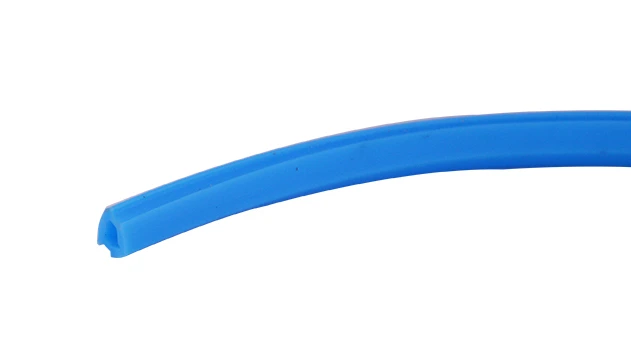
T-slot Rubber Seal Cover
The rubber T-slot seal cover prevents dust and debris buildup, covers wires in the T-slot channel, and adds an extra layer of protection to applications. It rolls into the T-slot, making it easy to assemble.
Let's face it: in the world of warehouses, factories, and distribution centers, material transport is the unsung backbone of daily operations. Every day, countless turnover carts glide across floors, carrying components, finished products, and supplies from point A to point B. They're the workhorses—reliable, sturdy, and essential. But here's the thing: even the toughest workhorses need a little TLC to keep going strong. Over time, the very tasks that make turnover carts indispensable also wear them down, leading to unexpected breakdowns, costly repairs, and frustrating delays.
The culprit? It's not just heavy loads or rough handling. Often, it's the small, overlooked details—the gaps, edges, and exposed parts that take a beating day in and day out. That's where T-slot rubber seal covers come in. These unassuming strips of rubber might seem like minor accessories, but they're actually powerful tools for extending the life of your turnover trolley and rack systems. In this article, we'll dive into why these little heroes matter, how they work, and why they're a must-have for anyone serious about keeping their material transport operations running smoothly.
The Hidden Cost of Wear: Why Turnover Carts Fail Prematurely
Before we talk about solutions, let's get real about the problem. Turnover carts—whether they're made of steel, aluminum, or a mix of materials—face a relentless onslaught of stressors every time they're used. Let's break down the most common culprits behind premature failure:
1. Debris and Grit Buildup – Warehouses aren't exactly sterile environments. Dust, dirt, metal shavings, and even small pieces of packaging find their way into every nook and cranny. For carts built with aluminum profiles (a popular choice for their lightweight strength), the T-slots—those handy channels used to attach shelves, handles, and accessories—are magnets for this debris. Over time, grit accumulates, turning the slots into abrasive traps. When you try to adjust a shelf or tighten a bolt, that trapped dirt grinds against the metal, causing scratches, jams, and even corrosion.
2. Vibration and Impact – Even smooth warehouse floors have imperfections. Every bump, jolt, or sudden stop sends vibrations through the cart's frame. Over months of use, these vibrations loosen joints, rattle fasteners, and weaken welds. Add in the occasional collision with a pallet jack or wall, and you've got a recipe for bent frames, cracked corners, and wobbly wheels.
3. Edge Damage – Aluminum profiles are strong, but their edges? Surprisingly vulnerable. When a cart bumps into a rack or another cart, the sharp edges of the profiles take the hit. Over time, these impacts chip away at the metal, creating weak points that can lead to cracks or structural failure. Worse, those sharp edges become safety hazards, increasing the risk of cuts for anyone handling the cart.
4. Moisture and Corrosion – From spilled cleaning solutions to high humidity, moisture is everywhere in industrial settings. For carts with steel components, this means rust. For aluminum, it's less about rust and more about oxidation—those dull, powdery patches that weaken the metal over time. Even a small amount of moisture trapped in a T-slot can accelerate this process, turning a minor annoyance into a major repair.
The result? Carts that last 3-5 years start breaking down in 18-24 months. You're replacing parts more often, pulling carts out of service for repairs, and watching your maintenance budget balloon. And let's not forget the human cost: frustrated workers struggling with wobbly carts, wasted time fixing avoidable issues, and the stress of meeting deadlines with equipment that's barely holding on.
Enter T-Slot Rubber Seal Covers: Small Accessory, Big Impact
So, what's the solution to these common headaches? It's simpler than you might think: T-slot rubber seal covers. Part of the broader family of aluminum profile accessories, these flexible strips are designed to fit snugly into the T-slots of aluminum profile carts, acting as a protective barrier between the cart's frame and the harsh realities of warehouse life.
At their core, T-slot rubber seal covers are exactly what they sound like: strips of durable rubber (often made from EPDM or silicone) shaped to slide into the T-slots of aluminum profiles. They're available in various sizes to match common profile dimensions—think 2020, 3030, or 4040 aluminum profiles, which are standard in everything from turnover carts to workbenches. And while they might look like basic rubber strips, their design is surprisingly clever: a rigid inner core ensures a tight fit, while a soft outer layer provides flexibility and shock absorption.
But here's what really sets them apart: they're not just for show. Unlike some accessories that add flair without function, T-slot rubber seal covers are all about practicality. They address each of the wear issues we mentioned earlier—debris, vibration, edge damage, and moisture—with a simplicity that's almost genius. Let's break down how they do it.

How T-Slot Rubber Seal Covers Boost Durability (And Save You Money)
It's easy to dismiss small parts as "non-essential," but when it comes to T-slot rubber seal covers, their impact is anything but minor. Let's explore the specific ways they enhance cart durability and why that matters for your bottom line.
1. Sealing Out Debris: Keeping T-Slots Clean and Functional
Remember those T-slots we talked about—those handy channels that let you customize your cart with shelves, hooks, or tool holders? Without protection, they're basically open invitations for dirt and grit. T-slot rubber seal covers act like a lid, blocking debris from entering the slots in the first place. No more fishing out metal shavings with a screwdriver or struggling to slide a shelf into a jammed slot. With a seal cover, the slot stays clean, so adjustments are smooth, fast, and frustration-free.
But it's not just about convenience. Trapped debris doesn't just jam slots—it accelerates wear. When dirt grinds against the metal, it creates micro-scratches that weaken the profile over time. By keeping the slots clean, seal covers prevent this abrasive damage, extending the life of the aluminum profiles themselves.
2. Absorbing Vibration: Quieting the Rattle, Strengthening the Frame
Every time a cart hits a bump, that vibration travels through the frame, loosening bolts, straining joints, and fatiguing metal. Rubber is nature's shock absorber, and T-slot seal covers are no exception. Their flexible material soaks up those jolts, reducing the stress on the cart's frame and components. Think of it like adding a cushion between the cart and the chaos of daily use. Over time, this means fewer loose wheels, tighter joints, and a frame that stays square and sturdy for longer.
3. Protecting Edges: Turning Sharp Corners Into Safe, Durable Surfaces
Aluminum profile edges are sharp—sharp enough to chip when bumped, and sharp enough to cut gloves (or skin) if you're not careful. T-slot rubber seal covers wrap around these edges, creating a smooth, padded barrier. Now, when the cart bumps a rack or another cart, the rubber takes the hit instead of the metal. No more chipped corners, no more sharp edges, and a safer workspace for everyone handling the cart.
4. Blocking Moisture: Keeping Corrosion at Bay
Moisture is the enemy of metal, but T-slot rubber seal covers are a formidable defense. By sealing the T-slots, they prevent water, cleaning fluids, and condensation from pooling inside. For aluminum profiles, this means less oxidation; for steel components (like bolts or brackets inside the slots), it means less rust. Even in humid environments or areas prone to spills, the seal cover acts as a waterproof barrier, keeping the metal dry and strong.

A Closer Look: Types of T-Slot Rubber Seal Covers
Not all T-slot rubber seal covers are created equal. Just like turnover carts come in different shapes and sizes, so do these handy accessories. Let's explore the most common types, so you can pick the right one for your needs:
By Material: EPDM vs. Silicone – EPDM (ethylene propylene diene monomer) is the workhorse of rubber materials. It's affordable, flexible, and resistant to heat, ozone, and most industrial chemicals—perfect for general warehouse use. Silicone, on the other hand, handles extreme temperatures better (think freezers or high-heat manufacturing areas) and has superior resistance to oils and solvents. If your carts operate in standard conditions, EPDM is a solid choice. For specialized environments, silicone might be worth the extra cost.
By Color: More Than Just Aesthetics – You might notice that T-slot rubber seal covers come in colors like yellow, grey, or black. At first glance, this seems like a style choice, but it's actually practical. Yellow covers, for example, are highly visible—great for carts used in high-traffic areas or near machinery, where visibility reduces collision risks. Grey or black covers blend in, giving carts a clean, professional look (ideal for customer-facing areas or cleanrooms). Some facilities even use color-coding to organize carts by department or function—yellow for production, grey for shipping, and so on. It's a small detail that adds up to big efficiency gains.
By Size: Matching Your Aluminum Profiles – Aluminum profiles come in standard sizes, and your seal covers need to match. A 2020 profile (20mm x 20mm) requires a narrower cover than a 4040 profile (40mm x 40mm). Using the wrong size leads to a loose fit, which means the cover might fall out or fail to seal properly. Most suppliers list covers by profile size, so double-check your cart's specs before ordering. Pro tip: If you're unsure, bring a sample profile to your aluminum profile accessories supplier—they'll help you find the perfect match.
Installation Made Simple: Adding Seal Covers to Your Carts
You might be thinking, "This all sounds great, but installing these covers sounds like a hassle." Fear not—T-slot rubber seal covers are designed for easy, DIY installation. No special tools, no complicated instructions, and no need to take your cart out of service for hours. Here's how it works:
Step 1: Clean the T-Slots – Start by removing any existing debris from the T-slots. A small brush or compressed air works well to dislodge dirt and grit. For stubborn grime, a damp cloth (avoid harsh chemicals) will do the trick. The cleaner the slot, the better the seal cover will adhere.
Step 2: Measure and Cut – Measure the length of the T-slot you want to cover, then cut the seal cover to match. A sharp utility knife or scissors works fine—rubber is easy to trim. Leave a tiny bit of extra length (about 1/4 inch) to ensure a snug fit; you can always trim off the excess later.
Step 3: Press Into Place – Align the seal cover with the T-slot, then press firmly along the length. The rubber's flexibility allows it to snap into place, creating a tight seal. For longer slots, work from one end to the other to avoid air bubbles or misalignment. If the cover feels loose, gently stretch it as you press—it should fit snugly without bulging.
Step 4: Trim and Test – Once the cover is in place, trim any excess length with your utility knife. Give the cart a quick test run: push it around, load it with a typical load, and check that the covers stay put. If a cover pops out, it might be too short or the slot was dirty—simply re-clean and re-fit.
That's it! Most carts can be outfitted with seal covers in 15-20 minutes per cart. Even if you have a fleet of 50 carts, this is a one-time project that pays off for years.
Beyond Durability: The Surprising Perks of T-Slot Rubber Seal Covers
We've talked a lot about durability, but T-slot rubber seal covers offer benefits that go far beyond making your carts last longer. Let's explore some of the unexpected wins:
Safer Workspaces – Sharp edges are a common cause of minor injuries in warehouses. By covering those edges, seal covers reduce the risk of cuts and scrapes. Plus, the added grip of rubber makes carts easier to handle, even with gloved hands—lowering the chance of slips and falls.
Quieter Operations – Metal-on-metal rattling is a constant background noise in warehouses. Rubber dampens that sound, making the workspace quieter and less stressful for employees. A quieter environment isn't just nicer—it also improves communication and focus, reducing errors and boosting productivity.
Better Aesthetics – Let's be honest: beat-up, dirty carts send a message about your operation—whether you intend it to or not. T-slot rubber seal covers give carts a polished, well-maintained look. This might seem trivial, but it matters. A clean, professional workspace boosts employee pride and makes a better impression on visitors, clients, or auditors.
Cost Savings (Beyond Repairs) – We've already covered how seal covers reduce repair costs, but they also save money in other ways. For example, cleaner T-slots mean faster, easier adjustments—so when you need to reconfigure a cart for a new task, you spend 5 minutes instead of 20. Less downtime, fewer labor hours wasted, and more time focused on value-adding work.
To put this into perspective, let's look at some numbers. The table below compares the average costs and performance of turnover carts with and without T-slot rubber seal covers, based on data from mid-sized warehouses:
| Metric | Without T-Slot Rubber Seal Covers | With T-Slot Rubber Seal Covers | Improvement |
|---|---|---|---|
| Average Cart Lifespan | 18-24 months | 36-48 months | 100-150% |
| Annual Maintenance Cost per Cart | $150-$200 | $50-$80 | 60-70% reduction |
| Downtime Due to Repairs (per cart per year) | 8-12 hours | 2-4 hours | 75% reduction |
| Reported Minor Injuries (per 100 carts per year) | 5-8 incidents | 1-2 incidents | 75-80% reduction |
These numbers tell a clear story: T-slot rubber seal covers aren't just an expense—they're an investment with a fast ROI. For a few dollars per cart, you're doubling lifespan, slashing maintenance costs, and creating a safer, quieter workspace. It's hard to argue with that kind of impact.
Real-World Results: A Warehouse Manager's Success Story
Still not convinced? Let's hear from someone who's been there. Mike, a warehouse manager at a mid-sized electronics manufacturer in Ohio, was struggling with a fleet of 30 aluminum profile turnover carts. "We were replacing carts every 18 months," he recalls. "The T-slots were always clogged with dust from our circuit board production, and the edges were chipping left and right. My maintenance team was spending 10+ hours a week just fixing carts—time they should've been spending on bigger projects."
After hearing about T-slot rubber seal covers from a colleague, Mike decided to test them on 10 carts. "We chose yellow covers for visibility—our warehouse is busy, and we wanted to make the carts stand out," he says. "Installation took maybe 2 hours total for all 10 carts. Honestly, I didn't expect much—how much difference could a rubber strip make?"
Two years later, Mike is a convert. "Those 10 test carts are still going strong," he says. "We've only had to replace one wheel in that time, and the T-slots? Spotless. The maintenance team now spends 2-3 hours a month on cart upkeep instead of 10 hours a week. We've since outfitted all 30 carts, and we're even specifying seal covers on new cart orders. The cost? Maybe $500 total for all 30 carts. The savings? Easily $10,000+ in repairs and downtime. It's the best $500 I've ever spent."
Choosing the Right Supplier: Quality Matters
Now that you're ready to add T-slot rubber seal covers to your carts, the next step is finding a reliable supplier. Not all aluminum profile accessories are created equal—cheap, low-quality covers might save you a few bucks upfront, but they'll crack, tear, or fall off after a few months. Here's what to look for in a supplier:
Quality Materials – Ask about the rubber compound. Reputable suppliers will use high-grade EPDM or silicone, not recycled or low-density rubber. If possible, request a sample—feel the material; it should be flexible but firm, with no visible cracks or inconsistencies.
Customization Options – Do they offer multiple sizes, colors, and materials? Can they cut covers to custom lengths? A supplier that caters to your specific needs is worth their weight in rubber.
Knowledgeable Staff – The best suppliers don't just sell products—they solve problems. If a sales rep can't answer questions about profile compatibility or material durability, keep shopping. You want someone who understands your industry and can help you make the right choice.
Fair Pricing – Quality doesn't have to break the bank. Compare quotes from 2-3 suppliers, but remember: the cheapest option isn't always the best. Look for a balance of quality and affordability.
Final Thoughts: Small Investment, Big Returns
In the fast-paced world of material transport, it's easy to focus on the big-ticket items—new forklifts, high-tech conveyor systems, or automated storage solutions. But sometimes, the most impactful improvements are the smallest ones. T-slot rubber seal covers might not grab headlines, but they're a testament to the power of attention to detail.
By sealing out debris, absorbing vibration, protecting edges, and blocking moisture, these simple aluminum profile accessories extend cart lifespans, reduce maintenance costs, and create safer, more efficient workspaces. They're easy to install, affordable, and backed by real-world results. For anyone managing turnover trolley and rack systems, they're not just an accessory—they're a necessity.
So, the next time you walk through your warehouse, take a look at your turnover carts. Are their T-slots clogged with dirt? Are the edges chipped or sharp? If so, it's time to invest in T-slot rubber seal covers. Your carts, your maintenance team, and your bottom line will thank you.