- Company Articles
- Products and Technology
- Product knowledge
- T-Slot Rubber Seal Covers for Workbench E: How They Enhance Operator Comfort and Workbench Longevity

T-Slot Rubber Seal Covers for Workbench E: How They Enhance Operator Comfort and Workbench Longevity
Related Product
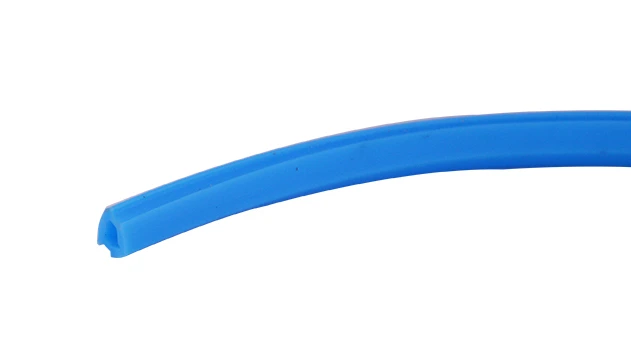
T-slot Rubber Seal Cover
The rubber T-slot seal cover prevents dust and debris buildup, covers wires in the T-slot channel, and adds an extra layer of protection to applications. It rolls into the T-slot, making it easy to assemble.
The Unsung Heroes of the Workshop: Why Small Parts Matter
Walk into any busy manufacturing facility, and your eyes might be drawn to the big machines—the conveyor belts humming, the robotic arms precision-moving parts, the assembly lines stretching across the floor. But if you take a closer look at the heart of these operations, you'll find something smaller but just as critical: the workbenches. These are where operators spend hours assembling components, inspecting products, and keeping the workflow moving. And while workbenches like the Workbench E (single deck-without caster) might seem like simple pieces of equipment, their performance hinges on tiny details—details like the T-slot rubber seal covers that often go unnoticed.
Think about the last time you spent a full day at a desk or workbench. Maybe your wrists ached from resting on a hard edge, or small tools kept slipping into gaps, disrupting your rhythm. Now multiply that by eight hours a day, five days a week, for years. Those "small" discomforts add up—not just for operators, but for the workbenches themselves. Scratches, dust buildup, and wear from constant use can shorten a workbench's lifespan, leading to costly replacements. That's where T-slot rubber seal covers come in. They're not the flashiest part of a lean system, but they're a game-changer for both people and equipment.
What Are T-Slot Rubber Seal Covers, Anyway?
To understand why these little strips of rubber matter, let's start with the basics. Most modern workbenches, including Workbench E, are built using aluminum profiles —lightweight, durable frames with T-shaped slots running along their length. These T-slots are genius: they let you attach accessories like shelves, tool holders, or monitor arms quickly, without drilling holes. But here's the catch: those slots are open. Left uncovered, they collect dust, debris, and even small parts. Worse, their sharp edges can irritate operators' hands or catch on gloves, tools, or materials.
T-slot rubber seal covers are exactly what they sound like: flexible rubber strips designed to slide into those T-slots, sealing them off. They're usually made from industrial-grade EPDM or silicone rubber, which is soft enough to cushion impacts but tough enough to stand up to oil, chemicals, and daily wear. Some are colored (like the common yellow or grey options) to add visibility, but their real job is protection—for both the operator and the workbench.
You might be thinking, "Can't I just use plastic or metal covers instead?" It's a fair question. Let's break down why rubber is the better choice with a quick comparison:
| Material | Comfort for Operators | Protection for Workbench | Durability | Best For |
|---|---|---|---|---|
| Rubber (T-slot seal covers) | Soft, non-abrasive; cushions hands and forearms during use | Seals out dust/moisture; absorbs impacts from tools/parts | Resistant to oils, chemicals, and temperature changes | Daily-use workbenches (like Workbench E), operator-focused stations |
| Plastic | Harder than rubber; may cause discomfort during long shifts | Blocks dust but cracks easily under heavy impacts | Prone to brittleness over time, especially in cold environments | Temporary setups or low-use areas |
| Metal | Sharp edges; cold to the touch; increases fatigue | Protects slots but adds weight; can scratch aluminum profiles | Durable but prone to rust if not coated | Heavy-duty industrial settings with minimal operator contact |
As the table shows, rubber strikes the perfect balance between comfort, protection, and durability—making it ideal for workbenches like Workbench E, where operators are hands-on for hours at a time.

Why Workbench E Specifically Needs T-Slot Rubber Seal Covers
Workbench E isn't just any workbench. Designed as a single-deck, caster-free station, it's built for stability—perfect for precision tasks like electronics assembly or quality inspection. But that stability comes with a tradeoff: it's stationary. Unlike mobile workbenches with casters, Workbench E stays in one spot, meaning it's exposed to the same environment day in and day out. Dust, coolant, lubricants, and even spilled coffee (we've all been there) can seep into its T-slots, leading to corrosion or jamming when you try to add accessories later.
Then there's the operator factor. Without casters, operators aren't moving the bench around—they're standing or sitting at it for hours. That means more contact with the workbench's edges and surfaces. A sharp, uncovered T-slot along the front edge? It's a recipe for sore wrists or even small cuts. Over time, that discomfort can lead to reduced productivity, increased absenteeism, or even workplace injuries. For a lean system aiming to eliminate waste (including wasted time and energy), that's a problem.
But here's the good news: adding T-slot rubber seal covers to Workbench E is a simple fix. They slide into the T-slots in seconds, no tools required, and they're easy to replace if they wear out. Think of them as a protective skin for your workbench—one that also happens to make the operator's day a little easier.

Enhancing Operator Comfort: It's the Little Things That Count
Let's zoom in on how these rubber covers make a real difference for the people using Workbench E. Comfort isn't just a "nice-to-have"—it's a productivity driver. When operators aren't distracted by discomfort, they focus better, make fewer mistakes, and stay engaged longer. Here's how T-slot rubber seal covers contribute:
1. No More "Edge Fatigue"
Ever rested your forearm on a metal table edge for an hour? By the end, it feels like you've been pressing against a blade. Aluminum profiles, while strong, have sharp T-slot edges. Rubber covers soften those edges, turning a hard, unforgiving surface into a gentle cushion. Operators can lean in to inspect a part or steady their hands during assembly without worrying about soreness.
2. Quieter Workdays
Dropping a small tool or part into an open T-slot makes a (cì'ěr de—shrill) noise. Multiply that by 20 operators in a workshop, and it adds up to a constant din. Rubber covers muffle those sounds. A screwdriver or washer hits rubber instead of metal, reducing noise levels and creating a calmer, less stressful environment.
3. Less Fumbling, More Focus
Open T-slots are magnets for small parts: nuts, bolts, washers—you name it. An operator reaching for a tool might knock a washer into a slot, then spend 5 minutes fishing it out with tweezers. Rubber covers seal those slots shut, so parts stay on the work surface where they belong. No more interruptions, no more frustration.
4. All-Weather Comfort
Aluminum conducts temperature—bad news in hot or cold workshops. On a sweltering summer day, an uncovered profile feels like a radiator; in winter, it's icy to the touch. Rubber acts as an insulator, keeping the edges closer to room temperature. No more burning or freezing hands when leaning on the workbench.
These might seem like small wins, but they add up. A 2019 study by the Manufacturing Ergonomics Institute found that simple comfort upgrades (like padded edges) reduced operator fatigue by 32% and increased task accuracy by 18%. That's a big impact for a tiny accessory.
Boosting Workbench Longevity: Protecting Your Investment
Now, let's talk about the other side of the equation: keeping Workbench E in top shape for years. A quality workbench isn't cheap, and replacing it prematurely eats into your budget. T-slot rubber seal covers extend lifespan in three key ways:
1. Blocking Dust and Debris
Workshops are dusty places. Metal shavings, sawdust, and dirt find their way into everything—including open T-slots. Over time, that debris builds up, making it hard to slide accessories into the slots. Worse, it can trap moisture, leading to corrosion (even on aluminum). Rubber covers act like a door, keeping the gunk out and the T-slots clean and functional.
2. Absorbing Impacts
Tools get dropped. Parts get banged against the workbench. Without protection, those impacts can dent or scratch the aluminum profile, weakening it over time. Rubber is elastic—it absorbs the shock, sparing the profile from damage. A hammer accidentally tapping the edge? The rubber cover takes the hit, not the workbench.
3. Preserving T-Slot Integrity
The T-slots are the workbench's "backbone." They're what make it adaptable—letting you reconfigure accessories as your needs change. If a slot gets bent or clogged, the workbench loses its flexibility. Rubber covers keep the slots straight and clear, ensuring you can add a new shelf or tool holder 5 years from now, just as easily as you did on day one.
Consider this: A Workbench E without rubber covers might last 3–4 years in a busy shop. With covers? That lifespan could stretch to 6–7 years. That's nearly double the value for a tiny, inexpensive accessory. It's lean thinking at its best: investing in small, smart solutions to avoid big, costly problems later.
Beyond Workbench E: Where Else Do These Covers Shine?
While we've focused on Workbench E, T-slot rubber seal covers are versatile. They're useful wherever there are aluminum profiles with T-slots—think flow racks, material carts, or even conveyor side rails. For example, a material rack B (3 row and 3 floor) uses the same aluminum profiles as Workbench E; adding rubber covers would protect its slots from dust and make loading/unloading materials smoother. Even in cleanrooms, where dust control is critical, these covers help maintain sterility by sealing off potential debris traps.
The key is to think about where operators interact with aluminum profiles. Any edge that gets touched, leaned on, or used to support materials is a candidate for a rubber cover. It's a small upgrade that scales across your entire lean system.
Choosing the Right Covers: Tips from a Lean Pipe Workbench Supplier
Not all T-slot rubber seal covers are created equal. To get the most comfort and longevity, you need to pick the right ones. We talked to a veteran lean pipe workbench supplier to get their top tips:
1. Match the Profile Size
Aluminum profiles come in different sizes (like 2020, 3030, or 4040, referring to their width and height in millimeters). Make sure the cover fits your profile's T-slot size—too loose, and it'll fall out; too tight, and it'll tear when installing. A good supplier will list compatible profiles for each cover.
2. Look for Quality Rubber
Cheap rubber cracks in cold weather or melts in heat. Opt for EPDM rubber, which handles temperatures from -40°C to 150°C (-40°F to 302°F) and resists oils and chemicals common in workshops.
3. Consider Color for Visibility
Yellow or bright-colored covers are easier to spot if they come loose, ensuring you replace them quickly. They also add a pop of color to an otherwise industrial workspace, which can boost morale (yes, really!).
4. Buy in Bulk (But Not Too Bulk)
Keep a few extra covers on hand—they're easy to lose or damage. But don't overstock; rubber does degrade over time (albeit slowly). A 6-month supply is usually enough.
And remember: your supplier matters. A reputable aluminum profile accessories supplier will offer samples, so you can test the cover's fit and feel before buying. They'll also stand behind their products if something goes wrong—unlike a no-name online seller.
Final Thoughts: Small Parts, Big Impact
T-slot rubber seal covers might not make it onto any "top 10 cool manufacturing tools" lists, but they're a reminder that lean systems are built on details. Workbench E is a solid, reliable workbench—but adding rubber covers turns it from "good" to "great." It shows operators you care about their comfort, and it protects your investment in equipment.
So the next time you're setting up a new workbench or upgrading an old one, don't overlook the T-slots. Slide in a rubber cover. It's a tiny step that makes a world of difference—for your team, your workflow, and your bottom line.
After all, in lean manufacturing, the best solutions are often the simplest ones.