- Company Articles
- Products and Technology
- Application Cases
- T-Slot Rubber Seal Covers in 3C Assembly Lines: Applications and Sealing Solutions

T-Slot Rubber Seal Covers in 3C Assembly Lines: Applications and Sealing Solutions
Related Product
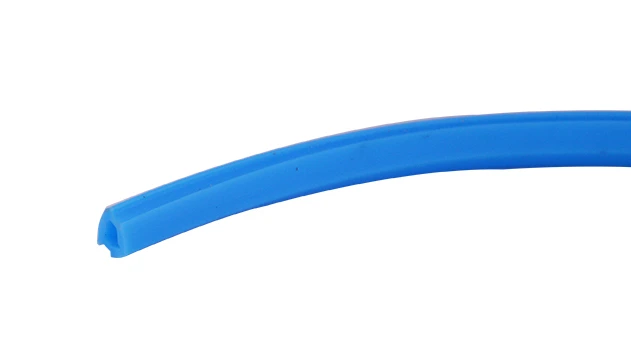
T-slot Rubber Seal Cover
The rubber T-slot seal cover prevents dust and debris buildup, covers wires in the T-slot channel, and adds an extra layer of protection to applications. It rolls into the T-slot, making it easy to assemble.
Walk into any 3C assembly line—where smartphones, laptops, and smartwatches come to life—and you'll be met with a symphony of precision. Conveyors hum as circuit boards glide by, robotic arms pivot with millimeter accuracy, and operators lean over aluminum profile workbenches, assembling components smaller than a grain of rice. In this high-stakes environment, every detail matters. But amid the flashy machinery and advanced robotics, there's an unsung hero quietly ensuring everything runs smoothly: the T-slot rubber seal cover. These unassuming strips of rubber, designed to fit snugly into the T-slots of aluminum extrusion profiles, play a critical role in protecting equipment, streamlining workflows, and keeping operators safe. Let's dive into how these small components make a big impact in 3C manufacturing.
What Are T-Slot Rubber Seal Covers? A Closer Look
At first glance, T-slot rubber seal covers might seem like little more than glorified rubber strips. But their design is deceptively clever. Aluminum extrusion profiles—the backbone of most 3C assembly lines—feature T-shaped grooves (T-slots) along their length. These slots are versatile: they let manufacturers mount tools, fixtures, sensors, and even other profiles without drilling holes. But left uncovered, T-slots can collect dust, debris, or stray screws, and their sharp edges pose a risk to operators. That's where seal covers step in.
Most T-slot rubber seal covers are made from elastic materials like EPDM (ethylene propylene diene monomer), silicone, or neoprene. EPDM is a favorite in 3C plants because it stands up to heat, ozone, and common factory chemicals (like cleaning solvents or adhesives). Silicone, on the other hand, excels in high-temperature zones—think near soldering stations or curing ovens. Neoprene, with its oil resistance, is ideal for areas where lubricants might splash, like near conveyor bearings.
The covers themselves are usually extruded into a "T" or "U" shape, designed to snap into T-slots without adhesives. Some have a split design, making them easy to install even if cables or hoses are already routed through the slot. Others come with a smooth top surface to reduce friction, or a textured finish for better grip—useful if operators need to slide tools along the profile.
Material Breakdown: Which Rubber Works Best in 3C Lines?
| Material | Temperature Range | Key Resistance | Best For |
|---|---|---|---|
| EPDM | -40°C to 150°C | Ozone, UV, mild chemicals | General assembly areas, workbenches |
| Silicone | -60°C to 230°C | High heat, strong chemicals | Soldering stations, curing ovens |
| Neoprene | -40°C to 120°C | Oil, grease, abrasion | Conveyor systems, lubricated machinery |
Applications in 3C Assembly: Where They Make a Difference
T-slot rubber seal covers aren't one-trick ponies. They pop up all over 3C assembly lines, solving unique problems in different areas. Let's walk through the most common spots you'll find them—and why they're indispensable there.
1. On Aluminum Profile Workbenches: Protecting Precision Stations
Workbenches are the heart of 3C assembly. Whether operators are attaching screens to phone bodies or soldering tiny chips onto PCBs, these stations rely on aluminum profiles for flexibility. A typical workbench might have 2020 or 3030 aluminum profiles with T-slots holding LED task lights, magnifying glasses, or electrostatic discharge (ESD) mats. Without seal covers, these slots become magnets for chaos: dust from sanding phone cases, microscopic solder balls, and even loose adhesive from tape can wedge into the grooves.
"We used to spend 10 minutes cleaning T-slots every time we needed to reposition a fixture," says Maria, a production supervisor at a mid-sized 3C manufacturer. "Now, with the rubber covers, we just wipe the surface, and the slots stay clean. Adjusting our camera alignment tool used to take 20 minutes—now it's 5."
But it's not just about cleanliness. Workbenches often have cables snaking everywhere: power for soldering irons, USB for testing tools, data lines for barcode scanners. Routing these cables through T-slots (instead of letting them dangle) keeps the workspace tidy—but unprotected slots can fray cables over time. Seal covers with a split design (like a "U" shape that opens along one edge) let operators tuck cables into the slot, then snap the cover shut. This prevents cables from rubbing against sharp slot edges and getting damaged, which means fewer tool failures and less downtime.
2. Along Conveyor Systems: Smoothing Material Flow
Conveyors are the arteries of 3C lines, moving PCBs, housings, and finished products between stations. Many use aluminum extrusion profiles (like 4040 or 4080) as side rails or support frames. These profiles have T-slots for mounting guide rails, photo eyes, or roller track components (think plastic roller track guide rails in yellow or grey). If debris builds up in these slots, it can throw off guide rail alignment, causing products to jam or skew. A single jam on a high-speed conveyor can back up production for 15 minutes or more—costing thousands in lost output.
"We had a conveyor that kept jamming because tiny plastic shavings from phone cases were getting stuck in the T-slots holding the guide rails," explains Raj, an engineer at a smartphone factory. "After adding neoprene seal covers, the shavings just slide off the covers instead of lodging in the slots. Jams dropped by 90% in that area."
Seal covers also dampen noise. Metal conveyor frames can vibrate, causing a constant hum. Rubber covers act as a buffer, absorbing some of that vibration and lowering decibel levels—making the factory floor a little easier on operators' ears during long shifts.
3. Within Lean Pipe Structures: Strengthening Flexible Workflows
Lean pipe (or aluminum lean pipe) systems are all about adaptability. These modular structures—used for everything from temporary workstations to material trolleys—let manufacturers reconfigure lines quickly to meet changing production needs. But their T-slots are just as vulnerable as those on permanent workbenches. Seal covers here serve two key roles: protecting the slots from dents (since lean pipe structures are often moved) and covering sharp edges to prevent operator cuts when adjusting the setup.
"Our lean pipe trolleys carry heavy component bins," says Lisa, a logistics coordinator. "When we move them, the metal edges of the T-slots would sometimes scrape against walls or other trolleys, leaving burrs. Now, the rubber covers take the hit, and the slots stay smooth. Plus, no more band-aids for scraped knuckles when we reconfigure the trolleys!"
4. Around Material Racks: Safeguarding Components
Material racks—like the "material rack b (3 row and 3 floor)" often seen in 3C facilities—hold small components: screws, connectors, adhesive tapes. These racks use aluminum profiles to adjust shelf heights, and their T-slots can become traps for tiny parts. A single misplaced screw in a T-slot might seem trivial, but multiply that by 100 racks, and you're looking at hours of cleanup and potential lost parts. Seal covers block these slots, keeping components on the shelves where they belong.

The Hidden Benefits: Beyond Just "Sealing"
T-slot rubber seal covers do more than just plug T-slots—they deliver a cascade of benefits that boost efficiency, safety, and the bottom line. Let's break down the most impactful ones.
Extended Equipment Lifespan
Dust and debris in T-slots act like sandpaper. When you adjust a fixture or mount a new tool, the debris grinds against the slot walls, wearing them down over time. Worn slots grip fixtures less securely, leading to wobbly tools and imprecise assembly. By keeping slots clean, seal covers extend the life of aluminum profiles—saving manufacturers from replacing expensive racks or workbenches prematurely.
Streamlined Workflow Efficiency
Time is money in 3C manufacturing, where lines run 24/7 to meet demand. Every minute spent cleaning T-slots, untangling cables, or fixing jams is a minute not spent producing. Seal covers reduce these delays by:
- Cutting cleanup time: No more picking debris out of slots with tweezers.
- Organizing cables: Neatly routed cables mean faster tool setup and fewer disconnections.
- Preventing jams: Smooth conveyors and aligned guide rails keep products moving.
Safety Compliance
3C factories face strict safety regulations, and for good reason: sharp edges, tangled cables, and debris can lead to injuries. T-slot rubber covers address all three:
- Sharp edges: Rubber cushions slot lips, reducing cut risks.
- Cables: Tucked-away cables mean no tripping hazards or caught hands.
- Debris: Less debris on the floor lowers slip risks.
Cost-Effectiveness
At first glance, seal covers might seem like an extra expense. But consider the alternative: replacing worn aluminum profiles ($50–$200 each), paying for downtime ($1,000+ per hour in 3C), or covering worker's comp claims. A set of seal covers for a workbench costs $20–$50 and lasts 2–3 years—making them one of the cheapest insurance policies in manufacturing.

Navigating the Selection Maze: Key Considerations for 3C Manufacturers
Not all T-slot rubber seal covers are created equal. Choosing the right ones requires thinking about your specific environment. Here's what to keep in mind:
Material Matters: Match to Your Environment
If your line has soldering stations, silicone is a must (it handles high heat). For areas with lubricants (like conveyor bearings), neoprene resists oil better than EPDM. Most suppliers will send material samples—test them with your common chemicals or expose them to your factory's temperature extremes for a week to see how they hold up.
Size and Fit: Measure Twice, Buy Once
T-slots come in different widths and depths (e.g., 6mm, 8mm, 10mm). A cover that's too small will pop out; too large will stretch and tear. Measure your T-slot's width (the opening) and depth, then check the supplier's size chart. Many offer custom sizes if your profile is non-standard (like internal rotatary aluminum joints or special aluminum guide rails).
Installation and Maintenance
Look for covers that install easily—no adhesives or tools needed. A good cover should snap into place with a firm press and stay put, even with vibration. For maintenance, choose covers that are easy to remove and reinsert; this matters if you need to access T-slots for new fixtures. Some suppliers make covers with a pull tab for quick removal.
Case Study: How T-Slot Rubber Seal Covers Transformed a Smartphone Assembly Line
Let's put this all into context with a real-world example. "TechNova," a manufacturer of mid-range smartphones, was struggling with three recurring issues on their main assembly line:
1. Conveyor jams: 3–4 times per week, caused by debris in T-slots holding guide rails.
2. Slow fixture adjustments: Workbenches took 20+ minutes to reconfigure due to debris in T-slots.
3. Cable damage: 2–3 tool disconnections monthly from frayed cables in uncovered slots.
TechNova partnered with a supplier to install T-slot rubber seal covers on:
- 20 workbenches (3030 aluminum profiles, EPDM covers).
- 5 conveyors (4040 profiles, neoprene covers for oil resistance).
- 10 material racks (2020 profiles, EPDM covers).
After 3 months, the results were clear:
- Conveyor jams: 0–1 per month (down 75–100%).
- Fixture adjustments: 5–10 minutes (time cut by 50%).
- Cable damage: 0 incidents reported.
- Maintenance costs: Down by $12,000 annually (fewer part replacements, less downtime).
"We didn't realize how much time we were wasting until we fixed it," says TechNova's operations manager. "The seal covers paid for themselves in 2 months."
Looking Ahead: Innovations in T-Slot Rubber Seal Covers for Smart Manufacturing
As 3C manufacturing moves toward smart factories (Industry 4.0), T-slot rubber seal covers are evolving too. Here are three trends to watch:
Eco-Friendly Materials
Manufacturers are demanding sustainable options. Look for covers made from recycled rubber or bio-based materials (like plant-derived elastomers) that perform as well as traditional rubber but have a lower carbon footprint.
Smart Integration
Imagine seal covers with embedded RFID tags or sensors that track wear and tear. When a cover starts to degrade, it sends a signal to the maintenance system—no more guessing when to replace them. Some suppliers are testing conductive rubber covers that can route low-voltage power or data, eliminating the need for separate cables.
Customization for Advanced Profiles
New aluminum extrusion profiles (like those with curved edges or multi-layer T-slots) need custom seal covers. Suppliers are using 3D scanning and printing to create prototypes quickly, ensuring a perfect fit for even the most complex designs.
Conclusion: Small Component, Big Impact
In the high-pressure world of 3C manufacturing, where every second and every component counts, T-slot rubber seal covers are the quiet MVPs. They protect equipment, streamline workflows, keep operators safe, and save money—all while costing just a few dollars per meter. Whether you're building smartphones, laptops, or smart home devices, don't overlook these unassuming rubber strips. They might not make the headlines, but they'll make your assembly line run smoother, safer, and more efficiently than ever before.
So the next time you walk through a 3C factory, take a closer look at those aluminum profiles. Chances are, there's a T-slot rubber seal cover hard at work—proving that sometimes, the smallest components make the biggest difference.