- Company Articles
- Products and Technology
- Product knowledge
- T-Slot Rubber Seal Covers in Communication Equipment Manufacturing: Sealing and Insulation Benefits

T-Slot Rubber Seal Covers in Communication Equipment Manufacturing: Sealing and Insulation Benefits
Related Product
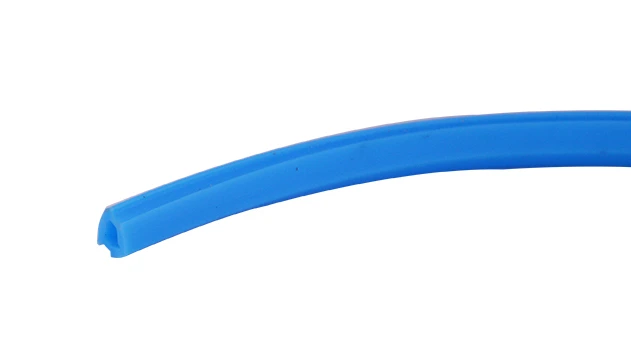
T-slot Rubber Seal Cover
The rubber T-slot seal cover prevents dust and debris buildup, covers wires in the T-slot channel, and adds an extra layer of protection to applications. It rolls into the T-slot, making it easy to assemble.
In today's hyper-connected world, communication equipment—from the routers in our homes to the massive data center servers powering the internet—keeps us linked, productive, and informed. But have you ever stopped to think about what makes these devices reliable, especially when they're exposed to harsh environments, constant use, or sensitive electrical components? Behind the sleek exteriors and complex circuit boards lies a network of small, often overlooked components that play a critical role in durability and performance. One such unsung hero is the T-slot rubber seal cover, a simple yet powerful accessory that works hand-in-hand with aluminum extrusion profiles to solve two big challenges in manufacturing: sealing out contaminants and insulating sensitive parts.
Why Aluminum Extrusion Profiles Are the Backbone of Communication Equipment
Before diving into the specifics of T-slot rubber seal covers, let's talk about the foundation they're built on: aluminum extrusion profiles. Walk through any communication equipment factory, and you'll notice these profiles everywhere—forming the frames of server racks, the bodies of outdoor telecom cabinets, and the supports for wiring systems. Why aluminum? For starters, it's lightweight, which matters when you're building equipment that might need to be mounted on walls, ceilings, or even transported frequently. It's also incredibly durable, resistant to corrosion (a must for outdoor gear exposed to rain or humidity), and—thanks to the extrusion process—easily customizable. Manufacturers can create profiles with unique shapes, including the signature "T-slots" that give these covers their name.
T-slots are the grooves running along the length of an aluminum profile, designed to let you attach components like brackets, panels, or shelves without drilling holes. They're the reason aluminum extrusion profiles are so versatile—you can reconfigure a server rack or adjust a cabinet's internal layout in minutes, just by sliding in a new accessory. But here's the catch: those open slots, while useful, can also be a weak point. They're like tiny doorways for dust, moisture, and debris to enter the equipment, and they can compromise the insulation needed to protect electrical parts from interference or temperature swings. That's where T-slot rubber seal covers come in.
What Are T-Slot Rubber Seal Covers, Anyway?
At first glance, a T-slot rubber seal cover might seem unremarkable—a thin, flexible strip of rubber, often black or gray, with a shape that mirrors the T-slot in an aluminum profile. But don't let its simplicity fool you. These covers are engineered to fit snugly into the T-slot, creating a tight, protective barrier. They're typically made from materials like EPDM (ethylene propylene diene monomer) rubber or silicone, chosen for their elasticity, resistance to heat and cold, and ability to withstand wear over time. Some are even formulated to be flame-retardant or anti-static, making them ideal for sensitive communication gear.
Think of them as the "weatherstripping" for industrial equipment. Just as weatherstripping keeps rain and drafts out of your home, T-slot rubber seal covers seal off the open T-slots in aluminum profiles, turning a potentially vulnerable spot into a fortified line of defense. And because they're flexible, they conform to the slot's shape, ensuring no gaps—even if the profile has slight irregularities from manufacturing. Installing them is a breeze, too: most just press into place, requiring no tools or adhesives, which saves time on the production line.

Sealing Benefits: Keeping the Bad Stuff Out
Let's start with the most obvious advantage: sealing. Communication equipment, whether it's a 5G base station in a desert or a router in a dusty warehouse, faces a constant battle against contaminants. Dust, for example, might seem harmless, but when it builds up on circuit boards or cooling fans, it can block airflow, leading to overheating. Moisture is even worse—condensation or rainwater can cause short circuits, corrosion, or mold growth, all of which spell disaster for sensitive electronics. Debris like metal shavings (from nearby construction) or insects (yes, they've been known to crawl into open slots) can also jam moving parts or damage wiring.
T-slot rubber seal covers act as a physical barrier to all these threats. By filling the T-slot, they prevent dust from settling inside the profile, where it might later dislodge and drift into critical components. They block water from seeping in during rainstorms or high humidity, protecting internal wiring and PCBs. Even small debris like screws or wire clippings—common in busy factories—can't fall into the slots and cause jams. For outdoor equipment, this sealing capability is a game-changer. Imagine a telecom cabinet mounted on a utility pole in a coastal area: saltwater spray, wind-blown sand, and heavy rain are all part of its daily life. Without proper sealing, that cabinet might need repairs every few months. With T-slot rubber seal covers, maintenance teams can breathe easier, knowing the internal components are shielded from the elements.
But sealing isn't just about keeping things out—it's also about keeping things in. Many communication devices rely on controlled airflow to stay cool. Server racks, for instance, use fans to draw in cool air and expel hot air. If T-slots are left open, air can leak through them, disrupting the airflow pattern and reducing cooling efficiency. By sealing the slots, T-slot rubber seal covers help maintain consistent airflow, ensuring equipment runs at optimal temperatures and reducing the risk of overheating-related failures.

Insulation Benefits: Protecting Sensitive Electronics
Beyond sealing, T-slot rubber seal covers offer another key benefit: insulation. In the world of communication equipment, insulation comes in two forms—electrical and thermal—and both are critical.
Electrical insulation is all about preventing unwanted current flow. Aluminum extrusion profiles are conductive, which is useful for grounding equipment but risky if exposed slots come into contact with loose wires or metal tools. A T-slot rubber seal cover, made of non-conductive rubber, acts as a buffer, reducing the chance of short circuits or electrical shocks. This is especially important in high-voltage equipment, like the power supplies in data centers, where even a small electrical leak can lead to downtime or safety hazards.
Thermal insulation, on the other hand, helps regulate temperature. Communication equipment generates heat—lots of it. Servers, routers, and transceivers all produce thermal energy as they process data, and if that heat isn't managed, it can degrade performance or shorten lifespan. T-slot rubber seal covers help by reducing heat transfer through the aluminum profile. Rubber is a poor conductor of heat, so it slows down the flow of thermal energy from the inside of the equipment to the outside (or vice versa, in cold environments). This means in hot weather, the cover helps keep the interior cooler; in cold weather, it prevents condensation from forming inside by maintaining a more stable internal temperature.
For equipment with sensitive components like fiber optic transceivers or radio modules, which are highly temperature-sensitive, this thermal stability is crucial. Even a few degrees of temperature fluctuation can cause signal loss or data corruption. T-slot rubber seal covers don't replace cooling systems, but they complement them by reducing heat leakage, making the entire thermal management system more efficient.
Working in Harmony with Aluminum Profile Accessories
One of the best things about T-slot rubber seal covers is how well they integrate with other aluminum profile accessories. Communication equipment manufacturing isn't just about individual parts—it's about systems. A typical setup might include aluminum extrusion profiles, brackets, end caps, hinges, and now, T-slot rubber seal covers, all working together to create a functional, durable product. These covers are designed to be compatible with standard profile sizes, like the 2020, 3030, or 4040 series (named for their width and height in millimeters), so manufacturers don't have to worry about custom ordering for every project.
For example, if you're building a server rack using 4040 aluminum profiles, you can install T-slot rubber seal covers in the vertical slots to seal them off, then attach horizontal shelves using bracket accessories that clamp onto the same profiles. The covers don't interfere with the brackets because they're designed to be low-profile—they sit flush with the profile's surface, leaving plenty of space for other accessories. Even when you need to reconfigure the rack later (adding a new shelf or moving a bracket), the covers can be easily removed and reused, making them a cost-effective, sustainable choice.
Another example is outdoor telecom enclosures, which often use aluminum profile accessories like hinges and latches to secure the door. T-slot rubber seal covers in the enclosure's frame work alongside these hinges to create a tight seal when the door is closed, preventing water or dust from entering through the gaps around the edges. It's this synergy between components that makes aluminum extrusion profiles and their accessories so powerful—and T-slot rubber seal covers are a key part of that ecosystem.
| Aspect | Without T-Slot Rubber Seal Covers | With T-Slot Rubber Seal Covers |
|---|---|---|
| Sealing Effectiveness | Open T-slots allow dust, moisture, and debris to enter; higher risk of contamination. | Slots are fully sealed, blocking 99% of contaminants; internal components stay clean and dry. |
| Insulation Performance | Heat transfers freely through aluminum profiles; temperature fluctuations common. | Rubber reduces heat transfer; more stable internal temperatures; lower risk of condensation. |
| Maintenance Frequency | Frequent cleaning needed to remove dust/debris; higher risk of component failures. | Reduced cleaning requirements; fewer repairs due to contamination or overheating. |
| Equipment Lifespan | Components degrade faster due to exposure; average lifespan 3–5 years. | Components protected from environmental stress; average lifespan extended to 5–7+ years. |
| Cost Over Time | Higher long-term costs due to maintenance, repairs, and early replacements. | Lower long-term costs; initial investment in covers offsets future expenses. |
Real-World Impact: A Case for Better Reliability
To put these benefits into perspective, let's look at a real-world scenario. A major telecom provider in the American Southwest was struggling with frequent failures in their outdoor 5G base stations. The region is known for extreme heat, dust storms, and occasional monsoon rains—tough conditions for any electronic equipment. Their base stations, built with aluminum extrusion profiles but without T-slot rubber seal covers, were suffering from two issues: dust buildup on internal cooling fans (causing overheating) and water seepage during rains (leading to short circuits). Maintenance teams were being dispatched every 2–3 months to clean the fans and repair damaged components, costing the company time and money.
After consulting with their manufacturing partner, they decided to retrofit the base stations with T-slot rubber seal covers. The change was subtle—just adding the covers to the T-slots in the aluminum profiles—but the results were dramatic. Dust buildup decreased by 80%, reducing the need for fan cleanings. Water seepage was eliminated entirely, as the covers sealed off the slots where water had been entering. Within six months, maintenance calls dropped by 60%, and the base stations' uptime increased from 92% to 99.5%. For a provider serving millions of customers, that uptime improvement translated to happier users and reduced revenue loss from outages.
This story isn't unique. From data centers in Europe to telecom towers in Southeast Asia, manufacturers and operators are discovering that T-slot rubber seal covers offer a high return on investment. They're not the flashiest component in the communication equipment toolkit, but they deliver tangible, bottom-line benefits by solving two critical problems: keeping contaminants out and keeping sensitive parts insulated.
Conclusion: Small Component, Big Difference
In the fast-paced world of communication equipment manufacturing, where innovation often focuses on cutting-edge technology like faster processors or better antennas, it's easy to overlook the small components. But as we've seen, T-slot rubber seal covers are a reminder that reliability often lies in the details. By working with aluminum extrusion profiles and other accessories, these covers provide essential sealing and insulation benefits that protect equipment, reduce maintenance costs, and extend lifespan—all while keeping manufacturing flexible and efficient.
Whether you're building a home router, a data center server rack, or a 5G base station, the next time you look at an aluminum extrusion profile, take a moment to appreciate the T-slot rubber seal cover filling its grooves. It might not make headlines, but it's working around the clock to keep you connected. And in a world where communication never stops, that's more important than ever.