- Company Articles
- Products and Technology
- Solution
- T-Slot Rubber Seal Covers in Food and Beverage Manufacturing: Sanitary Sealing Solutions

T-Slot Rubber Seal Covers in Food and Beverage Manufacturing: Sanitary Sealing Solutions
Related Product
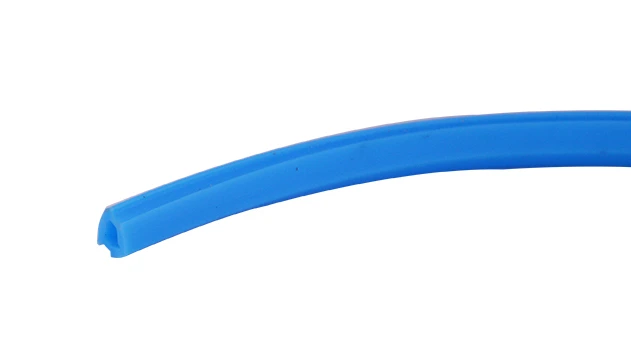
T-slot Rubber Seal Cover
The rubber T-slot seal cover prevents dust and debris buildup, covers wires in the T-slot channel, and adds an extra layer of protection to applications. It rolls into the T-slot, making it easy to assemble.
Walk into any food or beverage manufacturing facility, and you'll see a symphony of moving parts: conveyor belts shuttling ingredients, workbenches where operators assemble products, and material racks storing everything from spices to packaging. Behind this efficiency lies a silent guardian of safety: sanitation. Every surface, every crevice, and every piece of equipment must meet rigorous standards to prevent contamination—and yet, some of the most critical sanitation risks hide in plain sight. One such hidden risk? The T-slots found in aluminum profiles, a staple in modular equipment design. This is where T-slot rubber seal covers step in, turning potential sanitation gaps into fortified barriers. Let's dive into how these unassuming components are revolutionizing hygiene in food and beverage production, one sealed slot at a time.
The Hidden Risk: T-Slots in Food-Grade Equipment – Why Sanitation Gaps Matter
Aluminum profiles have become the backbone of modern manufacturing facilities, and for good reason. Lightweight, durable, and infinitely configurable, they're used to build everything from workbenches and conveyor frames to material racks and turnover trolleys. Their modular design—featuring T-slots that accept bolts, brackets, and accessories—makes them ideal for adapting to changing production needs. But here's the catch: those same T-slots, while versatile, are tiny traps for debris, moisture, and bacteria.
Imagine a busy bakery where a workbench made from 4040 EU standard aluminum profile is used to prepare dough. Flour dust, crumbs, and even traces of oil settle into the T-slots along the bench's edges. By the end of a shift, these slots become a breeding ground for microbes like E. coli or Salmonella , especially if cleaning crews miss them during wipe-downs. Over time, this buildup can lead to cross-contamination, product recalls, or worse—outbreaks that damage brand trust and risk consumer health.
Regulatory bodies like the FDA (Food and Drug Administration) and the EU's 10/2011 regulation leave no room for error. They mandate that all food contact surfaces must be "easily cleanable" and "non-absorbent," with no crevices that could harbor pathogens. T-slots, by their very design, violate this principle. Their narrow, recessed channels are difficult to scrub or sanitize with standard cleaning methods, creating a loophole in otherwise compliant equipment. For manufacturers, this isn't just a compliance issue—it's a operational one. A single contamination incident can shut down production lines, incur fines, and erode customer loyalty.
What Are T-Slot Rubber Seal Covers? Breaking Down the Basics
T-slot rubber seal covers are exactly what they sound like: flexible, food-grade rubber strips designed to fit snugly into the T-slots of aluminum profiles, sealing them off from debris and moisture. Think of them as the "gaskets" for modular equipment—unseen but essential. Made from materials like silicone or EPDM (ethylene propylene diene monomer), these covers are engineered to withstand the harsh conditions of food manufacturing, including exposure to cleaning chemicals, high temperatures, and repeated wear.
At first glance, they might seem simple, but their design is surprisingly thoughtful. Most T-slot rubber seal covers feature a "lip" that hugs the edges of the T-slot, creating a tight seal without requiring adhesives or tools. This flexibility means they can be easily installed, removed, or replaced during cleaning or equipment reconfigurations—critical for facilities that need to adapt quickly. Some variants, like the aluminum profile rubber strip, are even color-coded (think yellow for high-visibility zones or grey for standard areas) to help operators quickly identify where covers are missing or damaged.
But what truly sets these covers apart is their commitment to food safety. Reputable manufacturers produce T-slot rubber seal covers using FDA-approved, LFGB-compliant materials that are free from BPA, phthalates, and other harmful substances. They're also non-porous, meaning they won't absorb liquids or harbor bacteria, and resistant to common cleaning agents like hydrogen peroxide, chlorine, and caustic soda. For facilities operating in extreme temperatures—such as frozen food plants or bakeries with ovens—high-temperature silicone covers can withstand ranges from -60°C to 230°C, ensuring they don't degrade or leach chemicals into products.

Beyond Sealing: The Multifaceted Benefits of T-Slot Rubber Seal Covers in Food Manufacturing
Sealing T-slots is just the beginning. T-slot rubber seal covers deliver a cascade of benefits that ripple through every aspect of food and beverage production, from compliance to cost savings. Let's break down why they've become a must-have for forward-thinking facilities.
1. Fortified Sanitation: The Foundation of Food Safety – The most obvious benefit is eliminating hidden contamination hotspots. By sealing T-slots, these covers prevent flour, sugar, oil, and other residues from accumulating. In one case study, a snack food manufacturer reported a 47% reduction in microbial counts on their aluminum profile workbenches after installing T-slot covers, as verified by third-party lab testing. This isn't just about passing inspections—it's about protecting consumers and building trust in your brand.
2. Streamlined Cleaning: Saving Time and Labor – Cleaning T-slots manually is a tedious, time-consuming task. Operators often use small brushes or picks to dislodge debris, a process that can add hours to daily cleaning routines. With T-slot rubber seal covers, cleaning becomes as simple as wiping the surface with a sanitizing cloth. A dairy processing plant in Wisconsin estimated that switching to seal covers reduced their daily equipment cleaning time by 2.5 hours per line—a savings of over 600 hours annually. For facilities operating 24/7, this translates to more uptime and lower labor costs.
3. Extended Equipment Lifespan: Protecting Your Investment – Aluminum profiles are durable, but exposed T-slots are vulnerable to corrosion, especially in high-moisture environments like breweries or fruit processing plants. Moisture trapped in slots can cause oxidation, weakening the profile over time and leading to costly replacements. T-slot rubber seal covers act as a barrier, shielding the aluminum from moisture, chemicals, and abrasion. A beverage bottler in Mexico reported that their aluminum conveyor frames, once needing replacement every 3 years, now last upwards of 5 years with seal covers—cutting equipment costs by 40%.
4. Compliance Confidence: Navigating Regulatory Waters – FDA audits and third-party certifications (like SQF or BRC) can be stressful, but T-slot rubber seal covers provide tangible proof of a proactive sanitation strategy. During inspections, auditors often flag T-slots as potential risks; with covers in place, facilities can demonstrate they've addressed these gaps. One bakery in Canada even credited their seal covers with helping them achieve SQF Level 3 certification, a distinction that opened doors to new retail partnerships.
5. Lean Manufacturing Alignment: Reducing Waste, Boosting Efficiency – Lean manufacturing principles emphasize eliminating waste, and T-slot rubber seal covers align perfectly with this goal. By reducing cleaning time, preventing product contamination (and thus waste), and extending equipment life, they help facilities operate more efficiently. A pasta manufacturer in Italy, for example, used seal covers as part of their lean system overhaul, reporting a 12% reduction in overall waste within the first year—all while maintaining strict hygiene standards.

Types of T-Slot Rubber Seal Covers: Finding the Right Fit for Your Operation
Not all T-slot rubber seal covers are created equal. Just as food and beverage facilities have unique needs—from temperature extremes to specific chemical exposures—so too do the covers designed to protect them. Here's a breakdown of the most common types, their features, and which applications they're best suited for:
| Material Type | Shore Hardness (A) | Temperature Range (°C) | Color Options | Key Applications | Compliance Standards |
|---|---|---|---|---|---|
| Food-Grade Silicone | 60–70 | -60 to 230 | Transparent, White, Blue, Red | Ovens, Freezers, High-Temp Processing (Bakeries, Dairies) | FDA 21 CFR 177.2600, LFGB |
| EPDM (Ethylene Propylene Diene Monomer) | 70–80 | -40 to 150 | Grey, Black, Yellow | Wet Environments (Meat/Poultry Plants, Bottling Lines) | FDA 21 CFR 177.2600, REACH |
| Thermoplastic Elastomer (TPE) | 50–60 | -40 to 120 | Natural, Green, Orange | Light-Duty Applications (Snack Packaging, Assembly Lines) | FDA 21 CFR 177.2600, RoHS |
| Aluminum Profile Rubber Strip (Reinforced) | 75–85 | -30 to 180 | Yellow, Grey, Black | Heavy-Duty Equipment (Material Racks, Roller Tracks) | FDA 21 CFR 177.2600, ISO 9001 |
For example, a brewery using aluminum profile conveyor systems (fitted with roller track components) would benefit from EPDM covers, thanks to their resistance to water, beer spills, and cleaning chemicals. A bakery with high-temperature ovens, on the other hand, would opt for silicone covers to withstand the heat. Meanwhile, the aluminum profile rubber strip, with its reinforced design, is ideal for heavy-duty applications like material racks and turnover trolleys, where covers need to withstand frequent impacts and weight.
Color coding also plays a role in functionality. Yellow covers are often used in high-traffic areas or near machinery with moving parts, making them easier to spot if they come loose. Grey or black covers blend into equipment, ideal for aesthetic-focused zones like packaging lines where brand presentation matters. Some facilities even use color to denote zones (e.g., red for allergen areas, blue for non-allergen) to further reduce cross-contamination risks.
Installation Made Simple: How to Integrate T-Slot Rubber Seal Covers Into Existing Equipment
One of the biggest myths about T-slot rubber seal covers is that they're complicated to install. In reality, they're designed for simplicity, even for operators with no specialized training. Here's a step-by-step guide to integrating them into your facility's equipment:
Step 1: Assess Your Equipment and T-Slot Sizes – Aluminum profiles come in various sizes, from 2020 EU standard profiles (20mm x 20mm) to larger 4080 profiles. Measure the width and depth of your T-slots to ensure you purchase covers that fit snugly. Most suppliers offer covers in standard sizes, but custom options are available for non-standard slots.
Step 2: Clean the T-Slots Thoroughly – Before installing covers, remove any existing debris from the slots using a brush or compressed air. This ensures the covers seat properly and form a tight seal. For heavily soiled slots, use a mild detergent and water, then dry completely to prevent moisture from being trapped.
Step 3: Align and insert the Cover – Starting at one end of the T-slot, align the cover's lip with the slot opening. Gently press the cover into the slot, using your thumb or a rubber mallet (for stiffer materials like EPDM) to ensure it clicks into place. Work your way down the length of the slot, smoothing out any kinks or bubbles as you go.
Step 4: Trim to Fit (If Needed) – For corners or custom lengths, use sharp scissors or a utility knife to trim the cover to size. Leave a small gap (1–2mm) at corners to allow for thermal expansion, especially in high-temperature environments.
Step 5: Inspect and Test – After installation, run your finger along the cover to check for gaps or loose sections. Test the seal by wiping the surface with a damp cloth—no water should seep into the slot. For conveyor systems or moving parts, run the equipment briefly to ensure the covers don't catch or dislodge.
The best part? This process takes minutes per linear meter of T-slot, meaning a typical workbench can be fully outfitted in under an hour. And since no adhesives are used, covers can be removed and reinstalled during deep cleaning or equipment modifications—no damage to the aluminum profile, no downtime, no hassle.
Real-World Impact: Case Studies in Food and Beverage Facilities
Talk is cheap—results speak volumes. Let's look at how two food and beverage manufacturers transformed their operations by adopting T-slot rubber seal covers.
Case Study 1: A Craft Brewery's Fight Against Mold and Mildew – A mid-sized brewery in Oregon was struggling with recurring mold growth on their aluminum profile material racks, which stored hops and malt. The culprit? Moisture trapped in the T-slots, which thrived in the brewery's humid environment. Despite daily cleaning, the racks required monthly deep cleans that took 8 hours and shut down production. After installing EPDM T-slot covers, the brewery saw a 90% reduction in mold growth. Deep cleans were reduced to quarterly, saving over 300 production hours annually. "It was like night and day," said the plant manager. "We went from dreading rack cleaning to barely thinking about it."
Case Study 2: A Bakery's Journey to SQF Certification – A commercial bakery in Texas was aiming for SQF Level 2 certification to expand into retail grocery chains. During a pre-audit, inspectors flagged the T-slots on their aluminum profile workbenches as a sanitation risk. The bakery installed food-grade silicone covers and retested microbial counts: total aerobic bacteria dropped from 120 CFU/sq.in to 15 CFU/sq.in, well below the SQF threshold of 50 CFU/sq.in. They earned certification within 6 months and now uses the covers as a selling point in their marketing materials. "The covers didn't just help us pass the audit—they gave our customers peace of mind," noted the quality control director.
Maintenance and Longevity: Keeping Your Seal Covers in Top Shape
T-slot rubber seal covers are durable, but they're not indestructible. Like any equipment component, they require regular maintenance to ensure they continue performing at their best. Here's how to extend their lifespan and keep your T-slots sealed tight:
Daily Inspections – During pre-shift checks, have operators visually inspect covers for signs of damage: cracks, tears, missing sections, or discoloration. Pay special attention to high-wear areas, like conveyor tracks or workbench edges, where covers may rub against tools or products.
Weekly Cleaning – Wipe covers with a damp cloth or sponge using a mild, food-safe detergent. Avoid abrasive cleaners or scouring pads, which can scratch or degrade the material. For stubborn stains, use a soft-bristled brush and warm water.
Monthly Deep Cleaning – Remove covers and soak them in a solution of warm water and baking soda (1 tablespoon per liter) to remove oils or residues that may have built up. Rinse thoroughly and air dry before reinstalling. This is also a good time to clean the T-slots themselves, ensuring no debris has accumulated under the covers.
replace When Needed – As a general rule, replace covers every 12–18 months, depending on usage. In high-temperature or high-abrasion environments, shorten this interval to 6–12 months. Signs it's time for replacement include permanent discoloration, loss of elasticity (covers no longer snap back when stretched), or visible cracks.
Sourcing replacement covers is easy, too. Most aluminum profile accessories suppliers stock a range of T-slot rubber seal covers, and many offer bulk discounts for facilities ordering in large quantities. Partnering with a reputable supplier also ensures you're getting genuine, food-grade materials—avoid generic covers from non-specialized retailers, as they may not meet FDA or LFGB standards.
Conclusion: The Future of Sanitary Equipment Design – Small Components, Big Impact
In the world of food and beverage manufacturing, it's often the smallest components that make the biggest difference. T-slot rubber seal covers may not grab headlines, but they're quietly transforming how facilities approach sanitation—turning overlooked gaps into strengths, reducing cleaning time, and protecting consumers from harm. As regulatory standards grow stricter and consumer demand for transparency rises, these covers are no longer optional—they're essential.
But their impact goes beyond compliance. By streamlining cleaning, extending equipment life, and aligning with lean system principles, T-slot rubber seal covers are helping facilities operate more efficiently, reduce costs, and focus on what matters most: creating safe, high-quality products. Whether you're running a small bakery or a large-scale beverage plant, the message is clear: don't overlook the power of a well-sealed T-slot.
So, the next time you walk through your facility, take a closer look at those aluminum profiles. Are their T-slots exposed, or are they protected by rubber seal covers? The answer could be the difference between a sanitation success story and a costly mistake. After all, in food manufacturing, the best defense is often the smallest one.