- Company Articles
- Products and Technology
- Product knowledge
- T-Slot Rubber Seal Covers in Heat-Intensive Environments: Selecting High-Temp Resistant Options

T-Slot Rubber Seal Covers in Heat-Intensive Environments: Selecting High-Temp Resistant Options
Related Product
T-slot Rubber Seal Cover
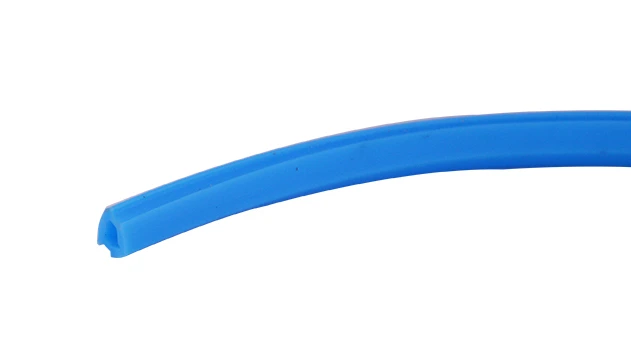
The rubber T-slot seal cover prevents dust and debris buildup, covers wires in the T-slot channel, and adds an extra layer of protection to applications. It rolls into the T-slot, making it easy to assemble.
Walk into any manufacturing plant, automotive workshop, or industrial facility on a sweltering summer day, and you'll quickly notice a silent battle unfolding: machines humming, assembly lines churning, and every surface radiating heat. In these environments, where temperatures can climb well above 100°F (38°C) and equipment runs nonstop, even the smallest components play a critical role in keeping operations smooth. One such unsung hero? The humble T-slot rubber seal cover. These unassuming strips of rubber might not grab headlines, but they're the guardians of your aluminum extrusion profiles, workbenches, and material racks—preventing dust, debris, and heat-related wear from compromising your setup. But not all seal covers are created equal, especially when the mercury rises. Let's dive into how to choose high-temp resistant T-slot rubber seal covers that stand up to the heat, keep your equipment intact, and save you from costly downtime.
The Hidden Cost of Overlooking Heat Resistance in T-Slot Seal Covers
Imagine this: It's a busy Tuesday afternoon at your automotive parts plant. The welding stations are firing, the conveyor belts are moving, and the temperature near the assembly line has hit 115°F (46°C). Suddenly, a worker notices a material rack B (3 row and 3 floor) starting to jam. Upon inspection, you find the T-slot rubber seal covers on the aluminum guide rails have melted slightly, sticking to the rollers and causing the jams. An hour of downtime later, you're left with repairs, missed deadlines, and a frustrated team. Sound familiar? This scenario plays out more often than you'd think—and it's almost always avoidable.
T-slot rubber seal covers are designed to fit snugly into the grooves of aluminum profiles, acting as a barrier between the profile's internal structure and the harsh. They prevent metal-on-metal friction, shield against dirt and moisture, and even muffle noise. But when exposed to high temperatures, low-quality seal covers can soften, crack, or lose their elasticity. This isn't just a cosmetic issue: a failed seal allows debris to enter the T-slot, leading to stuck fasteners, corroded aluminum profile accessories, and eventually, equipment breakdowns. In heat-intensive settings—think foundries, plastic molding facilities, or even commercial kitchens—this risk multiplies. The question isn't whether your seal covers will face heat, but how well they'll handle it.
Key Properties to Look for in High-Temp T-Slot Rubber Seal Covers
When shopping for T-slot rubber seal covers for hot environments, it's easy to get overwhelmed by technical jargon. Terms like "temperature range" and "chemical resistance" might blur together, but they're crucial for making the right choice. Let's break down the must-have properties that separate a reliable high-temp seal cover from one that will fail when you need it most.
1. Temperature Range: Know Your Limits
The first number you should check? The seal cover's continuous operating temperature range. This tells you the maximum heat the material can withstand without degrading over time. For example, a basic neoprene seal might handle up to 200°F (93°C), which works for mild environments but falls short in a factory with ovens or high-powered machinery. Silicone, on the other hand, often boasts ranges of -60°F to 450°F (-51°C to 232°C), making it a star in extreme heat. But don't just go for the highest number—consider your average operating temp, too. If your facility typically runs at 120°F (49°C) but spikes to 150°F (66°C) during summer, a seal rated for 200°F (93°C) might still wear faster than one rated for 300°F (149°C). It's better to overshoot than undershoot here.
2. Material Durability: Beyond Heat Alone
Heat resistance doesn't exist in a vacuum. Your seal covers will also face oils, coolants, cleaning agents, and physical abrasion from moving parts (like the swivel roller balls on your flow racks). A cover that holds up to 300°F (149°C) but dissolves when it touches hydraulic fluid is useless. This is where material choice becomes critical. Silicone, for instance, excels in heat but can struggle with certain solvents. Viton (fluoroelastomer), though pricier, handles both high temps (up to 400°F/204°C) and aggressive chemicals like fuels and acids. EPDM, a common choice for general use, offers good heat resistance (up to 300°F/149°C) and excellent water resistance—perfect for environments with both heat and moisture, like food processing plants.
3. Compression Set: Will It Bounce Back?
Here's a term you might not have heard: compression set. It refers to a material's ability to return to its original shape after being compressed—think of the seal cover being squeezed into the T-slot day in and day out. In high heat, some rubbers lose their elasticity, staying "squashed" even after the pressure is released. This creates gaps in the seal, letting in dirt and reducing its lifespan. Look for seal covers with a low compression set rating (measured in percentages; lower is better). Silicone and Viton typically perform well here, while cheaper materials like PVC might harden and crack over time, leaving your aluminum profiles vulnerable.

Comparing High-Temp T-Slot Rubber Seal Cover Materials: A Practical Guide
With so many materials on the market, choosing the right one can feel like navigating a maze. To simplify, let's compare the most common options side by side. This table will help you match material properties to your specific environment:
| Material | Continuous Temp Range | Chemical Resistance | Compression Set (Low = Better) | Cost (Relative) | Best For |
|---|---|---|---|---|---|
| Silicone | -60°F to 450°F (-51°C to 232°C) | Good (poor with oils/solvents) | Low (excellent recovery) | Moderate | High-heat, dry environments (ovens, electronics) |
| EPDM | -40°F to 300°F (-40°C to 149°C) | Excellent (water, steam, mild chemicals) | Low-Moderate | Budget-Friendly | Heat + moisture (food processing, car washes) |
| Viton (Fluoroelastomer) | -15°F to 400°F (-26°C to 204°C) | Excellent (fuels, acids, oils) | Very Low | High | Extreme heat + chemicals (refineries, chemical plants) |
| Neoprene | 0°F to 250°F (-18°C to 121°C) | Good (oils, mild chemicals) | Moderate | Moderate-Low | Mild heat, general industrial use |
For most heat-intensive manufacturing settings—like automotive assembly lines or packaging facilities—silicone or EPDM will be your best bets. Silicone shines in dry, high-heat areas (think near ovens or welding stations), while EPDM is ideal if you're dealing with both heat and occasional moisture, such as washdown areas. Viton is the premium choice for extreme conditions, but unless you're working with aggressive chemicals, it might be overkill. Neoprene, while affordable, is better suited for milder temps—avoid it if your facility regularly exceeds 200°F (93°C).

Installation Tips: Ensuring Your Seal Covers Actually Stay Put (Even in the Heat)
Choosing the right material is half the battle—installing it correctly is the other half. Even the best high-temp seal cover will fail if it's not seated properly in your aluminum extrusion profiles. Here's how to ensure a snug, long-lasting fit:
1. Clean the T-Slot First
Heat and dirt are a deadly combo for seal covers. Before installing, use a dry cloth or compressed air to remove dust, grease, and debris from the T-slot. In high-heat areas, oils from machinery can accumulate, so a quick wipe with isopropyl alcohol (let it dry fully!) will help the seal adhere better. A clean surface ensures the rubber doesn't bond to grime instead of the aluminum profile, preventing premature lifting or peeling.
2. Match the Seal Cover to Your Profile Size
Aluminum profiles come in all shapes and sizes—2020, 3030, 4040, and beyond. T-slot rubber seal covers are designed to fit specific groove widths, so measure twice, buy once. A cover that's too narrow will slip out; one that's too wide will stretch, weakening its structure over time. Most suppliers list compatible profile sizes (e.g., "fits 4040 aluminum extrusion profile"), but when in doubt, ask for samples. Testing a small section in your actual environment (heat and all) will save you from bulk-ordering the wrong size.
3. Avoid Overstretching During Installation
It's tempting to yank the seal cover tight as you install it, thinking it will "hug" the T-slot better. Resist the urge! Rubber expands in heat, and stretching it during installation leaves no room for expansion. Instead, lay the cover flat, align it with the T-slot, and press it in gently with a roller or your thumb. For longer lengths (like on a conveyor rail), have a helper hold one end to prevent sagging. The goal is a snug, but not strained, fit.
4. Consider Adhesive-Backed Options for Extreme Heat
In environments where vibration or extreme heat could loosen even a well-fitted seal, adhesive-backed T-slot covers are worth the investment. These come with a heat-resistant adhesive layer that bonds to the aluminum profile, adding an extra layer of security. Just be sure the adhesive is rated for your temperature range—some standard adhesives melt at 150°F (66°C), so look for high-temp formulas (up to 300°F/149°C or more) if needed.
Real-World Applications: Where High-Temp Seal Covers Make the Biggest Difference
To put this all in perspective, let's look at three industries where high-temp T-slot rubber seal covers are non-negotiable—and how the right choice transformed their operations.
1. Automotive Manufacturing: Welding Lines and Paint Shops
Automotive plants are heat hotspots. Welding stations reach 120°F (49°C) or more, and paint curing ovens can hit 350°F (177°C). A mid-sized auto parts manufacturer in Michigan was struggling with frequent jams on their material rack B (3 row and 3 floor) units near the welding line. The culprit? Cheap neoprene seal covers that softened in the heat, sticking to the roller track placon mount for aluminum profile flat. After switching to silicone seal covers (rated to 450°F/232°C), they saw a 70% reduction in jams and extended the lifespan of their aluminum guide rails by 3 years. "We used to replace seal covers every 6 months; now it's once every 2 years," said their maintenance manager. "The upfront cost was higher, but the savings in downtime and parts more than paid for it."
2. Food Processing: Baking and Packaging Lines
Food processing facilities face a double whammy: high heat and constant moisture. A bakery in Texas was dealing with mold growth in the T-slots of their workbench E (single deck-without caster) units near the ovens. The original EPDM seal covers were holding up to the heat (180°F/82°C) but weren't resisting the steam and cleaning chemicals. Switching to a food-grade EPDM blend with enhanced chemical resistance solved the problem. "The new covers don't degrade when we sanitize the workbenches," noted the plant supervisor. "No more mold, no more scrubbing T-slots for hours—just smooth operations."
3. Plastic Molding: Injection Molding Machines
Injection molding machines generate intense heat, with barrel temperatures often exceeding 500°F (260°C). A plastics manufacturer in Ohio was using standard PVC seal covers on their aluminum profile accessories near the machines, only to find them cracking and crumbling within months. After consulting with their aluminum profile supplier, they switched to Viton seal covers. Though pricier, the Viton covers withstood the radiant heat, resisted the plasticizers in the air, and lasted over 4 years—eliminating quarterly replacements and the associated downtime.
Choosing a Supplier: Beyond the Product—Support Matters
You've narrowed down the material, size, and installation method—now it's time to pick a supplier. This step is just as critical as the product itself, especially when dealing with specialized high-temp seal covers. Here's what to look for:
1. Experience with Heat-Intensive Industries
Not all suppliers understand the nuances of high-heat environments. Look for companies that specialize in aluminum profile accessories for industrial settings—they'll ask the right questions: "What's the maximum temp in your facility?" "Are there chemicals or oils present?" "How much vibration does the equipment see?" A supplier that only offers generic seal covers won't cut it. For example, a supplier who also provides roller track and accessories or workbench components is more likely to grasp how seal covers integrate with your entire setup.
2. Transparent Material Certifications
Don't take a supplier's word for it—ask for certifications. Reputable manufacturers provide datasheets with test results: temperature range, compression set values, chemical resistance ratings, and even FDA compliance (for food-related settings). If a supplier hesitates to share this info, walk away. High-quality materials have nothing to hide.
3. Flexibility for Custom Orders
Maybe you need a yellow plastic roller track guide rail with a matching T-slot seal cover, or a custom length for a unique aluminum profile. The best suppliers offer custom cutting, color options (grey, yellow, black ESD for static-sensitive areas), and even material blends for niche needs. While custom orders take longer, they ensure the seal cover fits your environment perfectly—no compromises.
Conclusion: Heat-Resistant T-Slot Seal Covers—Small Investment, Big Returns
In the grand scheme of industrial operations, T-slot rubber seal covers might seem trivial. But as we've explored, they're the linchpin of a durable, low-maintenance setup—especially in heat-intensive environments. By prioritizing heat resistance, matching the material to your needs, and installing with care, you'll protect your aluminum extrusion profiles, reduce downtime, and extend the life of your equipment. Remember: the cost of a high-quality seal cover is a fraction of the cost of repairing a jammed conveyor, replacing corroded aluminum profile accessories, or losing a day of production. So the next time you're ordering supplies, don't overlook these small but mighty components. Your machines (and your bottom line) will thank you.
Whether you're running a foundry, a bakery, or an automotive plant, the right T-slot rubber seal cover turns heat from an enemy into a manageable challenge. It's not just about surviving the heat—it's about thriving in it. And with the tips above, you're well on your way to making that happen.