- Company Articles
- Products and Technology
- Product knowledge
- T-Slot Rubber Seal Covers vs. Foam Gaskets: Compression, Recovery, and Sealing Performance

T-Slot Rubber Seal Covers vs. Foam Gaskets: Compression, Recovery, and Sealing Performance
Related Product
T-slot Rubber Seal Cover
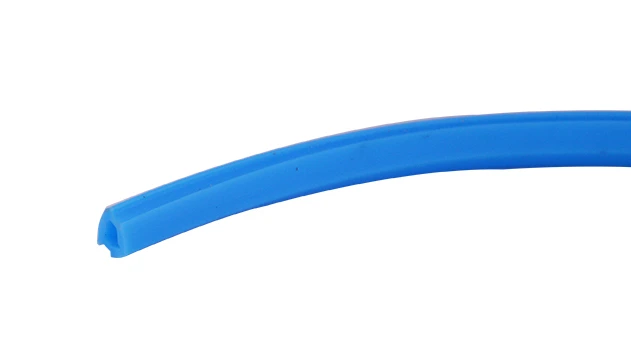
The rubber T-slot seal cover prevents dust and debris buildup, covers wires in the T-slot channel, and adds an extra layer of protection to applications. It rolls into the T-slot, making it easy to assemble.
Walk into any modern factory, workshop, or manufacturing facility, and you'll likely spot aluminum profiles forming the backbone of workbenches, material racks, and assembly lines. These lightweight, durable structures are the unsung heroes of efficient operations—but their performance hinges on more than just the profiles themselves. Gaps between components, vibrations, and environmental factors like dust or moisture can undermine stability, safety, and productivity. That's where sealing solutions come in. Today, we're diving into two critical players in this space: t-slot rubber seal covers and foam gaskets. We'll break down how they perform in compression, recovery, and sealing—so you can choose the right fit for your aluminum profile accessories, workbenches, and beyond.
Understanding T-Slot Rubber Seal Covers: Design and Purpose
First, let's get up close with t-slot rubber seal covers. If you've worked with aluminum profiles, you're familiar with the T-shaped grooves (t-slots) running along their length—these slots are where accessories like brackets, panels, and yes, seal covers, fit. T-slot rubber seal covers are flexible, ribbed strips designed to snap into these slots, creating a tight, protective barrier.
Made from materials like EPDM (ethylene propylene diene monomer), silicone, or nitrile rubber, they're engineered for resilience. EPDM, for example, stands out for its resistance to weather, ozone, and temperature extremes—making it a staple in outdoor or high-heat environments. Silicone, on the other hand, excels in high-temperature applications (think near furnaces or ovens) and offers excellent flexibility at low temperatures. Nitrile rubber, with its oil and fuel resistance, is a go-to for automotive or machinery settings where fluids are present.
Their design is simple but clever: the seal's ribs compress when inserted into the t-slot, creating friction that holds it in place without adhesives. This not only makes installation a breeze (no tools required—just press and snap) but also allows for easy removal or replacement if needed. For anyone building or maintaining aluminum profile structures—whether it's a workbench, a material rack, or a production line—these covers are a key part of the aluminum profile accessories toolkit.
Compression Performance: How T-Slot Rubber Seal Covers Stand Up to Pressure
Compression is all about how a material deforms under load—and then how well it maintains that deformation to fill gaps. For t-slot rubber seal covers, this is critical. When you install a panel or bracket over the t-slot, the seal compresses to fill the space between the profile and the accessory, preventing rattling, dust ingress, or moisture seepage.
Rubber's natural elasticity gives these seals an edge here. Let's take EPDM rubber, which typically has a Shore A hardness of 60–80. This means it's firm enough to resist excessive compression (so it won't flatten and lose shape) but flexible enough to conform to minor irregularities in the t-slot or the accessory above. Imagine clamping a workbench top onto aluminum profile legs: the t-slot rubber seal cover between them compresses just enough to create a snug fit, absorbing vibrations from tools like drills or saws without deforming permanently.
Another factor is compression set—the tendency of a material to retain deformation after the load is removed. High-quality t-slot rubber seals have low compression set, meaning they bounce back even after prolonged pressure. For example, in a 24/7 production line where a conveyor belt bracket is bolted onto aluminum profiles, the seal might stay compressed for months. A good rubber seal will still spring back when the bracket is removed, ready for reuse.

Recovery Performance: Bouncing Back When the Pressure's Off
Recovery goes hand-in-hand with compression. It's the material's ability to return to its original shape after being compressed. For t-slot rubber seal covers, this is vital for long-term sealing performance. If a seal can't recover, it will develop gaps over time, letting in dust, water, or noise—and that's a problem for any aluminum profile structure, from a cleanroom workbench to a warehouse rack.
Rubber's molecular structure is the secret here. Cross-linked polymer chains in rubber stretch under compression and snap back when the load is released. Silicone rubber, for instance, has exceptional recovery properties, even at extreme temperatures. Think of a food processing plant where workbenches are hosed down daily: the t-slot rubber seals around the edges compress when the bench top is secured, then recover fully after cleaning, ensuring no water seeps into the t-slots to cause rust or mold.
In contrast, cheaper rubber blends or low-quality materials may suffer from "creep"—slow deformation over time. A seal that creeps will lose its ability to recover, leading to permanent gaps. That's why investing in high-grade rubber (like EPDM or silicone) for t-slot covers pays off in longevity, especially in high-use environments.

Sealing Performance: Keeping the Bad Stuff Out
At the end of the day, a seal's job is to seal—and t-slot rubber covers excel here. Their tight fit in the t-slot, combined with rubber's inherent impermeability, creates a barrier against a range of threats:
- Dust and debris: In manufacturing facilities, dust from cutting, grinding, or sanding can clog t-slots, making it hard to attach accessories later. A rubber seal cover blocks this debris, keeping slots clean and functional.
- Moisture: From spills on workbenches to rain in outdoor setups, water can corrode aluminum profiles or damage electronics housed in profile enclosures. Rubber seals repel water, preventing leaks and rust.
- Noise and vibration: Loose components rattle, creating noise and wear. The rubber's elasticity dampens vibrations, reducing noise and extending the life of the structure.
- Chemicals: In labs or factories using solvents, oils, or acids, nitrile or EPDM rubber resists chemical attack, ensuring the seal doesn't degrade or leach contaminants.
Take a pharmaceutical packaging line, for example. The workbenches and material racks are built with aluminum profiles to meet strict hygiene standards. T-slot rubber seal covers here prevent dust from collecting in slots, where bacteria could thrive, and repel cleaning agents used to sanitize the area—critical for compliance with health regulations.
Foam Gaskets: A Softer Alternative
Now, let's turn to foam gaskets. Unlike solid rubber seals, foam gaskets are made from porous materials—either open-cell (like a sponge, with interconnected pores) or closed-cell (with sealed pores, like a pool noodle). Common materials include polyurethane, neoprene, polyethylene (PE), and PVC foam. They're often thin, flexible, and backed with adhesive for easy application—making them a popular choice for quick, temporary, or low-load sealing.
Foam gaskets shine in applications where conformability is key. Their spongy texture allows them to compress into uneven surfaces, filling gaps that rigid rubber might miss. For example, if you're attaching a plastic panel to an aluminum profile with slight warping, a foam gasket will conform to the panel's curves, creating a seal where a solid rubber strip might leave gaps.
But foam has limitations. Open-cell foam, while highly compressible, absorbs liquids and dust—making it a poor choice for wet or dirty environments. Closed-cell foam is better here, as its sealed pores resist moisture, but it's still less durable than rubber in high-wear scenarios. Adhesive-backed foam gaskets also rely on the bond strength of the adhesive, which can weaken over time with heat, humidity, or repeated handling.
Compression and Recovery in Foam Gaskets: The Trade-Offs
Foam gaskets compress easily—sometimes too easily. Closed-cell PE foam, for instance, can compress up to 50% of its thickness under light pressure, which is great for low-clamping-force applications. But this comes with a catch: compression set. Foam, especially lower-density varieties, tends to "set" over time, meaning it won't fully recover after prolonged compression. Imagine a foam gasket under a workbench shelf that's loaded with heavy tools. After a few months, the foam might flatten permanently, leaving gaps between the shelf and the aluminum profile.
Recovery is also a weak spot. While some memory foams (like those used in mattresses) recover slowly, industrial foam gaskets often lack this resilience. A polyurethane foam gasket compressed daily by a closing door on an aluminum profile cabinet might start to stay compressed, letting in drafts or noise. This makes foam gaskets better suited for temporary setups or low-stress environments—like a prototype workbench that might be reconfigured in a few months—rather than permanent, high-load structures.
Sealing Performance of Foam Gaskets: When Softness Works
Foam gaskets seal well in specific situations: low pressure, clean environments, and where surface irregularities are common. For example, in electronics assembly, where delicate components are mounted on aluminum profile workbenches, a thin foam gasket might seal the gap between a circuit board holder and the bench, preventing static buildup or minor dust intrusion. The foam's softness won't scratch sensitive components, a benefit over rigid rubber.
But they struggle with harsh conditions. In a automotive repair shop, where workbenches are exposed to oil, grease, and solvents, a foam gasket would degrade quickly—its pores absorbing chemicals and breaking down the material. Similarly, in outdoor settings, UV radiation and temperature swings cause foam to crack and crumble, losing its sealing ability. For these cases, t-slot rubber seal covers are far more reliable.
T-Slot Rubber Seal Covers vs. Foam Gaskets: A Head-to-Head Comparison
| Feature | T-Slot Rubber Seal Covers | Foam Gaskets |
|---|---|---|
| Compression | Moderate compression; resists flattening under high load. Low compression set. | High compression; conforms to uneven surfaces but prone to permanent deformation (high compression set). |
| Recovery | Excellent; rubber elasticity ensures quick, full recovery after compression. | Poor to moderate; foam may not fully recover, especially after prolonged compression. |
| Sealing | Superior against dust, moisture, chemicals, and noise. Tight fit in t-slots blocks gaps. | Good for light dust and moisture in clean, low-stress environments. Struggles with harsh conditions. |
| Durability | Long lifespan; resists UV, chemicals, temperature extremes, and wear. | Short to moderate lifespan; degrades with UV, chemicals, and repeated compression. |
| Installation | Tool-free; snaps into t-slots. No adhesive needed. | Adhesive-backed; quick to apply but adhesive may weaken over time. |
| Best For | Permanent aluminum profile structures, workbenches, high-load setups, harsh environments. | Temporary setups, uneven surfaces, low-load applications, clean rooms. |
Real-World Choices: When to Pick Which
Let's put this into context with two common scenarios:
Scenario 1: A Heavy-Duty Manufacturing Workbench
You're building a workbench for an automotive parts assembly line. It will see daily use with power tools, oil spills, and heavy component storage. The frame is aluminum profile, and you need to seal the t-slots to keep out oil, metal shavings, and debris. Here, t-slot rubber seal covers are the clear choice. Their resistance to oil, high compression strength, and durability ensure the workbench stays functional for years, with clean t-slots ready for accessory adjustments.
Scenario 2: A Temporary Trade Show Display
You're setting up a booth at a trade show, using aluminum profiles to build a lightweight backdrop with printed panels. The display will be assembled, used for a week, then disassembled and stored. Foam gaskets make sense here: they're cheap, easy to apply with adhesive backing, and conform to the printed panels (which may have minor warps). Since the setup is temporary, the foam's shorter lifespan and lower recovery won't be an issue—and you'll save on cost compared to rubber seals.
Final Thoughts: Investing in the Right Seal for Your Aluminum Profile Needs
At the end of the day, both t-slot rubber seal covers and foam gaskets have their place—but for most industrial, manufacturing, and workshop applications involving aluminum profiles and workbenches, t-slot rubber seal covers are the smarter long-term investment. Their superior compression, recovery, and sealing performance make them ideal for permanent setups, harsh environments, and high-load scenarios where reliability can't be compromised.
Foam gaskets, while useful for temporary or low-stress applications, simply can't match rubber's durability or versatility. When you're building with aluminum profiles—whether it's a production line, a lab workbench, or a warehouse rack—you want components that will last, perform, and adapt. T-slot rubber seal covers, as part of your aluminum profile accessories lineup, deliver on all three.
So, the next time you're planning a project with aluminum profiles, don't overlook the small but mighty seal. Choose wisely, and your structure will stay strong, clean, and functional for years to come.