- Company Articles
- Products and Technology
- Product knowledge
- T-Slot Rubber Seal Covers vs. Metal Plugs: Weight, Cost, and Sealing Effectiveness Compared

T-Slot Rubber Seal Covers vs. Metal Plugs: Weight, Cost, and Sealing Effectiveness Compared
Related Product
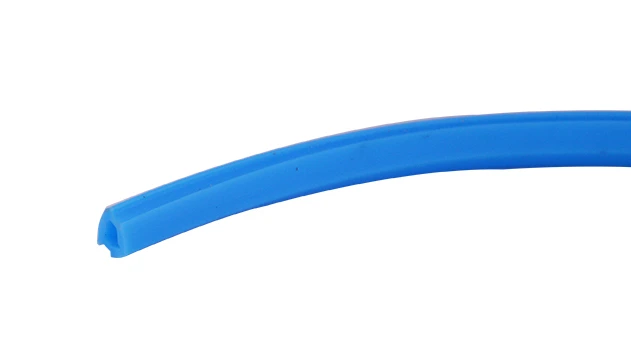
T-slot Rubber Seal Cover
The rubber T-slot seal cover prevents dust and debris buildup, covers wires in the T-slot channel, and adds an extra layer of protection to applications. It rolls into the T-slot, making it easy to assemble.
Introduction: The Unsung Heroes of Aluminum Profile Systems
Walk through any modern factory, workshop, or warehouse, and you'll likely spot rows of sleek, modular structures—workbenches where assembly line workers piece together electronics, material racks stacked with components, and lean system setups designed to streamline workflows. What holds these structures together? More often than not, it's aluminum extrusion profiles—versatile, lightweight, and infinitely customizable building blocks that have revolutionized industrial design. But for all their strength and flexibility, aluminum profiles have a tiny yet critical detail that's easy to overlook: the T-slots.
These T-shaped grooves running along the length of the profiles are what make customization possible. They let you attach accessories, mount shelves, or add brackets with just a few bolts. But leave a T-slot uncovered, and you're asking for trouble: dust and debris can clog the slot, making it hard to attach components later; moisture might seep in, causing corrosion; and sharp edges could pose safety risks to workers. That's where two but essential components come in: T-slot rubber seal covers and metal plugs.
At first glance, they might seem interchangeable—both seal T-slots, right? But anyone who's spent time designing or maintaining aluminum profile systems knows that the choice between rubber covers and metal plugs can impact everything from setup costs to long-term durability. In this article, we'll dive deep into the world of these small but mighty components, comparing their weight, cost, and sealing effectiveness to help you decide which is right for your project—whether you're building a lightweight workbench for a small workshop or a heavy-duty material rack for a bustling warehouse.
What Are T-Slot Rubber Seal Covers?
Let's start with the softer option: T-slot rubber seal covers. As the name suggests, these are flexible strips made from rubber or rubber-like materials (often EPDM, silicone, or PVC) designed to press-fit into the T-slots of aluminum profiles. Think of them as the "caulk" for your profile system—they conform to the shape of the slot, creating a tight seal while adding a layer of protection.
Most rubber seal covers are long, thin strips (ranging from a few feet to several meters) with a T-shaped cross-section that matches the slot's dimensions. Some are smooth, while others have ridges or textures to improve grip, making them less likely to pop out during handling. They're typically sold in rolls or pre-cut lengths, and installation is a breeze: just align the cover with the slot and press it in—no tools required. This simplicity is one of their biggest draws, especially for projects where time is of the essence.
Rubber covers excel in environments where flexibility and ease of use are priorities. For example, if you're setting up a temporary workbench that might need reconfiguration later, rubber covers can be peeled off and reused without damaging the profile. They're also popular in cleanrooms or electronics manufacturing, where dust control is critical—their soft texture traps particles, preventing them from accumulating in the slots and interfering with sensitive equipment.

What Are Metal Plugs?
Now, let's turn to the sturdier alternative: metal plugs. These are rigid, solid components, usually made from aluminum, stainless steel, or zinc-plated steel, designed to seal the ends (or sometimes the entire length) of T-slots. Unlike rubber covers, which are continuous strips, metal plugs are often short, cylindrical, or rectangular pieces that fit snugly into the slot's opening. Some are plain, while others have threaded holes, allowing you to attach additional components like brackets or handles directly to the plug.
Installation is a bit more involved than with rubber covers. Depending on the design, metal plugs might require tapping (threading the slot), using adhesive, or even hammering them into place for a tight interference fit. This extra effort pays off in durability, though: metal plugs are built to withstand heavy impacts, extreme temperatures, and harsh chemicals—conditions that would cause rubber to degrade over time.
You'll often find metal plugs in heavy-duty applications. For instance, material rack B (a common 3-row, 3-floor design used in warehouses) relies on metal plugs to seal slots exposed to constant loading and unloading of heavy boxes. Outdoor setups also favor metal plugs, as they resist UV radiation and weathering better than rubber, which can become brittle or cracked after prolonged sun exposure.

Weight Comparison: Every Gram Counts in Modular Design
When designing with aluminum profiles, weight is rarely an afterthought. Whether you're building a mobile workbench with casters or a suspended material rack, every extra kilogram can affect maneuverability, structural integrity, and even shipping costs. So how do rubber seal covers and metal plugs stack up in this department?
Rubber Covers: Light as a Feather
Rubber is inherently lightweight. A typical 1-meter strip of EPDM rubber seal cover for a standard 20x20mm T-slot weighs just 30–50 grams. Even thicker, more durable silicone covers rarely exceed 80 grams per meter. To put that in perspective, if you're covering all T-slots on a medium-sized workbench (say, a 1.5m x 0.8m aluminum profile frame with 10 meters of T-slots total), the rubber covers would add only 300–500 grams to the overall weight—less than a can of soda.
This lightness is a game-changer for mobile setups. Imagine a lean system workstation on wheels that needs to be moved across the factory floor multiple times a day. Reducing weight by even a few kilograms can make the workstation easier to push, reducing strain on workers and lowering the risk of injury. Rubber covers also shine in applications where weight restrictions are strict, like aerospace manufacturing or automated systems where every gram affects performance.
Metal Plugs: Sturdy but Substantial
Metal plugs, on the other hand, are significantly heavier. Let's take aluminum plugs as an example—they're the lightest metal option but still denser than rubber. A single 20mm-long aluminum plug for a 20x20mm T-slot weighs around 15–20 grams. If your material rack has 20 slots that need plugging, that's 300–400 grams just from the plugs. Stainless steel plugs are even heavier: the same 20mm plug could weigh 40–50 grams, pushing the total to 800–1000 grams for 20 plugs.
For fixed structures like floor-mounted material racks, this extra weight is rarely an issue. But for portable setups, it adds up. A mobile hand trolley with metal plugs might feel noticeably heavier than one with rubber covers, especially when fully loaded with tools or components. Over time, that extra weight can wear down casters, increase energy costs, and make the trolley harder to maneuver in tight spaces.
| Component | Material | Weight per Meter (approx.) | Weight for 10 Meters of T-Slots (approx.) |
|---|---|---|---|
| T-Slot Rubber Seal Cover | EPDM Rubber | 30–50g | 300–500g |
| T-Slot Metal Plug (End Seals) | Aluminum | 15–20g per plug* | 150–200g (for 10 plugs) |
| T-Slot Metal Plug (End Seals) | Stainless Steel | 40–50g per plug* | 400–500g (for 10 plugs) |
*Note: Metal plugs are typically sold as end seals (not continuous strips), so weight is per plug. A 10-meter profile might have 10 end plugs (one per slot end).
Cost Analysis: Short-Term Savings vs. Long-Term Investment
Cost is often the first factor people consider when choosing between components, but it's rarely as simple as "rubber is cheaper than metal." To get the full picture, we need to look at upfront costs, installation expenses, and long-term maintenance.
Upfront Costs: Rubber Wins the Price Tag Battle
Let's start with the sticker price. Rubber seal covers are mass-produced, often in large rolls, which keeps costs low. A 10-meter roll of standard EPDM rubber cover for a 20x20mm T-slot might cost as little as $5–$10. Even premium silicone covers (resistant to high temperatures or chemicals) rarely exceed $20 for 10 meters.
Metal plugs, by contrast, are more expensive upfront. Aluminum plugs for the same 20x20mm slot might cost $1–$2 per plug, while stainless steel versions can be $3–$5 each. If you're sealing 10 slots on a small workbench, that's $10–$50 for metal plugs alone—already more than the cost of a full roll of rubber covers. For larger projects, like a lean system with dozens of profiles, the gap widens dramatically.
Installation Costs: Rubber Saves Time (and Labor)
Time is money, especially in industrial settings. Installing rubber seal covers is a one-person job that takes seconds per slot: just press the cover in and trim to length with scissors. No special tools, no training, no mess. For a team building 50 workbenches, that's hours saved compared to installing metal plugs.
Metal plugs, on the other hand, can be labor-intensive. Threaded plugs require tapping the T-slot (drilling threads), which needs a tap tool and a steady hand. Adhesive-backed plugs might seem easy, but you have to clean the slot first to ensure the adhesive sticks—a step that adds time. Hammer-fit plugs risk damaging the profile if struck too hard. All of this adds up: a worker might install 100 rubber covers in an hour, but only 20–30 metal plugs in the same time.
Long-Term Maintenance: Metal Plugs Last Longer (But Rubber is Easier to replace)
Here's where metal plugs start to close the gap. Rubber, while durable, can degrade over time. Exposure to oils, solvents, or UV light can cause it to harden, crack, or lose elasticity. In a factory with heavy machinery, a rubber cover might get nicked by a tool or torn by a sharp edge, requiring replacement. On average, rubber covers might need swapping out every 2–5 years, depending on the environment.
Metal plugs, by contrast, are built to last. Aluminum plugs can withstand decades of use without degradation, and stainless steel plugs are nearly indestructible. They won't crack, tear, or degrade in harsh conditions. The only maintenance they might need is an occasional wipe to remove dust. For a material rack in a warehouse that's rarely reconfigured, metal plugs could outlive the rack itself.
So, which is cheaper in the long run? For low-wear, fixed setups (like a permanent material rack), metal plugs might be the better investment. For high-turnover or temporary setups (like a lean system that's reconfigured every few months), rubber covers' lower upfront and installation costs make them more economical.
Sealing Effectiveness: Keeping the Bad Stuff Out
At the end of the day, both rubber covers and metal plugs are designed to seal T-slots—but "sealing" means different things in different contexts. Is your priority keeping out dust? Preventing moisture? Blocking debris? Let's break down how each performs in key sealing scenarios.
Dust and Debris: Rubber Conforms, Metal Blocks
In a busy workshop, dust and small debris are unavoidable. Left unchecked, they can clog T-slots, making it hard to insert bolts or accessories later. Rubber covers excel here: their flexible material conforms to the slot's edges, creating a tight, continuous seal that traps even fine dust particles. They're especially useful on workbenches where tools and components are constantly being set down—any debris that falls into the slot gets caught by the rubber, not stuck inside.
Metal plugs, while rigid, can leave small gaps if the slot isn't perfectly sized. For example, if the T-slot is slightly wider than the plug (due to manufacturing tolerances), dust might seep in around the edges. That said, metal plugs are better at blocking larger debris, like screws or washers, which could otherwise fall into an open slot and jam it. For a material rack holding heavy parts, metal plugs' ability to block big debris might be more critical than sealing out fine dust.
Moisture and Corrosion: Rubber's Flexibility vs. Metal's Impermeability
Moisture is aluminum's worst enemy—it causes oxidation, which weakens the profile over time. Rubber covers create a water-tight seal by pressing against the slot's walls, preventing spills or condensation from seeping in. They're ideal for workbenches near sinks or in humid environments (like a food processing plant). However, if the rubber itself gets wet, it can retain moisture, which might promote mold growth in poorly ventilated areas.
Metal plugs, being non-porous, don't absorb moisture—but they rely on a tight fit to keep water out. A poorly installed metal plug (e.g., one that's loose or not fully seated) could let water seep into the slot, leading to corrosion. For outdoor setups (like a material rack exposed to rain), metal plugs are often paired with sealant (e.g., silicone caulk) to create a truly waterproof barrier. Indoors, though, rubber covers' ability to seal without extra steps gives them the edge.
Chemical Resistance: Metal Stands Strong
In industrial settings with oils, solvents, or cleaning agents, chemical resistance is crucial. Rubber, while resistant to some chemicals, can break down when exposed to harsh substances. For example, EPDM rubber might swell or degrade in contact with gasoline or strong acids. If your setup involves frequent cleaning with industrial solvents, rubber covers might not last long.
Metal plugs, by contrast, are chemical warriors. Aluminum resists most oils and solvents, and stainless steel is nearly impervious to corrosion from chemicals. In a factory that uses degreasers or industrial cleaners, metal plugs will keep the slots sealed without degrading—making them a must for heavy-duty chemical environments.
ESD Protection: A Niche but Critical Consideration
For electronics manufacturing, ESD (electrostatic discharge) protection is non-negotiable. Uncontrolled static can damage sensitive components, costing thousands of dollars in losses. While neither rubber nor metal is inherently conductive, some rubber covers are made with conductive additives that dissipate static, making them safe for ESD workbenches. Metal plugs, being conductive, can also help ground static—but they need to be properly connected to the profile's grounding system to be effective. For ESD-critical setups, conductive rubber covers are often the simpler, more reliable choice.
Practical Applications: Which Should You Choose?
By now, you might have a sense of which component fits your needs, but let's ground this in real-world scenarios. Here are a few common use cases and which sealing option works best:
Case 1: A Lightweight Workbench for Electronics Assembly
Imagine you're building a workbench for assembling circuit boards—lightweight, mobile, and ESD-safe. You need something easy to move, quick to set up, and dust-resistant to protect sensitive components. Rubber seal covers are the clear choice here: they add minimal weight, seal out dust, and conductive versions can help with ESD protection. Plus, if you need to reconfigure the workbench later (adding a shelf or tool holder), the rubber covers peel off easily without damaging the profile.
Case 2: A Heavy-Duty Material Rack in a Warehouse
Now, picture a material rack B (3 rows, 3 floors) in a warehouse, holding heavy boxes of automotive parts. It's a fixed structure, exposed to occasional spills, and needs to last for decades. Metal plugs make sense here: they're durable, resist chemicals from oils and greases, and block large debris from falling into slots. The extra weight is negligible since the rack isn't moving, and the long-term durability means you won't be replacing plugs every few years.
Case 3: A Lean System Setup for a Small Workshop
Lean systems thrive on flexibility—reconfiguring workstations, adding new components, and adapting to changing workflows. For a small workshop with limited budget and frequent reconfigurations, rubber covers are ideal. They're cheap, easy to install, and can be reused when you take apart a workstation to build something new. Metal plugs would add unnecessary cost and time, especially if you're reconfiguring monthly.
Case 4: An Outdoor Storage Rack
Outdoor racks face UV radiation, rain, and temperature extremes. Rubber covers might degrade in the sun, but metal plugs (paired with a little sealant) will stand up to the elements. Stainless steel plugs, in particular, won't rust, ensuring the T-slots stay sealed and functional for years—even in rainy or coastal climates.
Conclusion: It's All About Context
T-slot rubber seal covers and metal plugs might be small components, but they play a big role in the performance and longevity of aluminum profile systems. There's no "one size fits all" answer—your choice depends on your priorities:
- Choose rubber seal covers if: You need lightweight, low-cost sealing; frequent reconfiguration; dust or ESD protection; or easy installation.
- Choose metal plugs if: You need long-term durability; chemical or UV resistance; heavy debris blocking; or a permanent, fixed setup.
At the end of the day, both have their place in the world of aluminum extrusion profiles. The key is to assess your environment, budget, and goals—and then let these small but mighty components do their job: keeping your T-slots sealed, your system running smoothly, and your workflow as efficient as possible.