- Company Articles
- Products and Technology
- Product knowledge
- Tailored 2.0mm Stainless Steel Pipe for Automotive Factories

Tailored 2.0mm Stainless Steel Pipe for Automotive Factories
Related Product
2.0mm Stainless Steel Pipe
Stainless steel pipe, lean pipe, diameter is 28mm, material is SS201 or SS304, SS201 is normally used in the market. It knows a KARAKURI, KAIZEN material for industrial plant to improve efficiency, save labor cost, standard management.
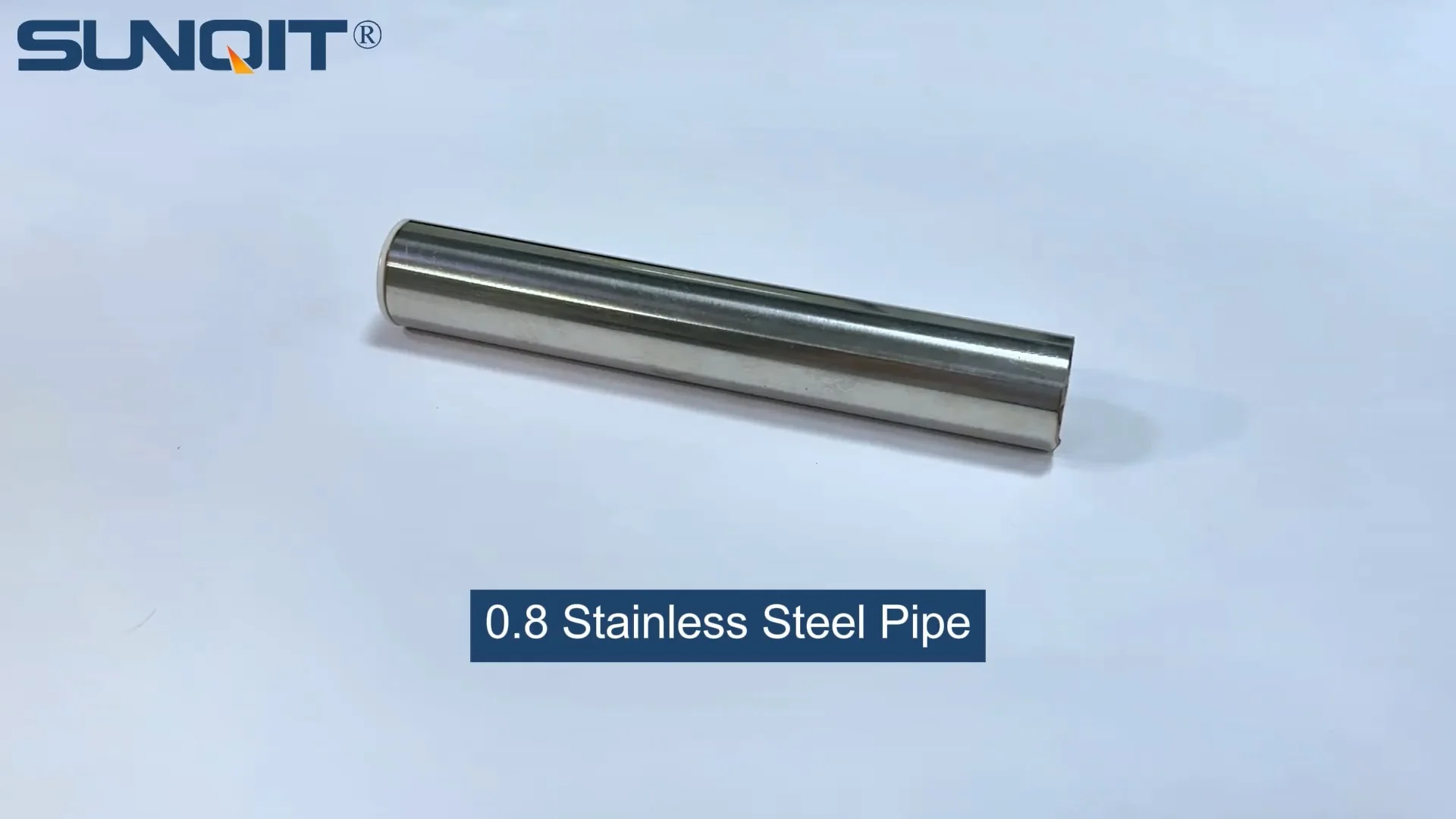
In the fast-paced world of automotive manufacturing, every component on the factory floor plays a silent but critical role in keeping production lines moving. From the smallest joint to the sturdiest workbench, durability, precision, and adaptability aren't just nice-to-haves—they're non-negotiable. This is where the 2.0mm stainless steel pipe steps in, a workhorse material tailored specifically to meet the unique demands of automotive factories. Let's dive into why this unassuming yet powerful component has become a cornerstone of modern automotive production, and how it seamlessly integrates with lean systems, workbenches, roller tracks, and caster wheels to drive efficiency.
Understanding the Automotive Factory Environment: Why Material Matters
Automotive factories are unforgiving environments. Daily operations involve exposure to oils, greases, coolants, and occasional spills—substances that can corrode lesser materials over time. Add to that the constant movement of heavy parts, from engine blocks to chassis components, and the need for structures that can withstand repeated stress becomes clear. This is where material choice becomes a make-or-break decision.
Stainless steel has long been prized for its corrosion resistance, thanks to its chromium content, which forms a protective oxide layer when exposed to oxygen. But why 2.0mm thickness? Thinner pipes, like 1.0mm or 1.2mm, might save on cost initially, but they lack the rigidity needed to support heavy loads or maintain structural integrity in high-traffic areas. On the flip side, thicker pipes (3.0mm+) add unnecessary weight, making them harder to maneuver and install—especially in dynamic setups where reconfiguration is common. The 2.0mm sweet spot balances strength and practicality, offering the durability to handle automotive-grade workloads without sacrificing flexibility.
The Role of 2.0mm Stainless Steel Pipe in Lean Systems
Lean manufacturing isn't just a buzzword in automotive—it's a way of life. At its core, lean aims to eliminate waste, streamline workflows, and maximize value. To achieve this, factories need tools and structures that can adapt quickly to changing production needs. Enter the 2.0mm stainless steel pipe, a key player in building lean systems that grow and evolve with the factory.
Unlike fixed, one-size-fits-all structures, stainless steel pipe systems are modular. Using simple yet robust joints (part of the broader stainless steel pipe series), workers can assemble, disassemble, and reconfigure workstations, material racks, and flow lines in hours, not days. This flexibility is invaluable in automotive, where model changes, production ramp-ups, or process optimizations demand rapid adjustments. For example, a lean system built with 2.0mm stainless steel pipe can be repurposed from assembling sedan components to SUV parts with minimal downtime, ensuring the factory stays agile in a competitive market.

Key Applications: From Workbenches to Roller Tracks
Let's take a closer look at how 2.0mm stainless steel pipe transforms day-to-day operations on the factory floor:
Workbenches: The heart of any assembly line, automotive workbenches need to support heavy tools, parts bins, and ongoing assembly tasks. A workbench framed with 2.0mm stainless steel pipe offers unmatched stability, even when technicians are applying torque to bolts or handling bulky components. Unlike wooden or plastic workbenches, stainless steel resists scratches, stains, and chemical damage, ensuring a clean, professional workspace for years.
Roller Tracks: Moving parts from one station to the next efficiently is critical in automotive production. Roller tracks, often constructed using 2.0mm stainless steel pipe as the frame, provide a smooth, low-friction surface for parts to glide along. The pipe's strength ensures the track doesn't warp under the weight of metal components, while its corrosion resistance prevents jamming caused by rust or debris buildup. Whether it's feeding door panels to the assembly line or transporting engine parts to quality control, roller tracks built with stainless steel pipe keep materials flowing without hitches.
Turnover Trolleys with Caster Wheels: Trolleys equipped with caster wheels are the unsung heroes of factory logistics, shuttling parts between storage, assembly, and shipping. A trolley frame made with 2.0mm stainless steel pipe can carry heavy loads—think crates of fasteners or stacks of sheet metal—without bending or buckling. Paired with durable caster wheels, these trolleys move smoothly across factory floors, even over minor cracks or uneven surfaces, reducing the risk of workplace injuries and delays.
Material Racks: Storing components like gears, bearings, or electrical harnesses requires racks that can handle vertical weight and resist the wear of constant loading and unloading. Stainless steel pipe racks, with their 2.0mm thickness, provide the structural integrity to hold multiple layers of heavy parts, while their modular design allows factories to adjust shelf heights or add new sections as inventory needs change.

Why Not Aluminum or PE-Coated Pipe? The Case for Stainless Steel
It's worth asking: why not use aluminum pipe or PE-coated lean pipe instead? Both have their merits, but in automotive environments, stainless steel often comes out on top. Aluminum is lightweight and corrosion-resistant, but it's softer than stainless steel, making it more prone to dents or bending under heavy loads—a risk when dealing with automotive parts. PE-coated lean pipe, while affordable, has a plastic outer layer that can chip or wear off over time, exposing the underlying metal to corrosion.
For factories dealing with high moisture (e.g., washing stations) or frequent chemical exposure, stainless steel's natural resistance is irreplaceable. A 2.0mm stainless steel pipe won't degrade when splashed with coolant, nor will it require frequent recoating like PE-coated options. Over time, this translates to lower maintenance costs and fewer replacements, making it a smarter long-term investment.
Tailoring Solutions: Customization for Every Factory
No two automotive factories are identical. A plant producing electric vehicles might need narrower workbenches for battery assembly, while a truck manufacturer could require wider roller tracks for larger components. This is where suppliers of stainless steel pipe series shine, offering tailored solutions to match each factory's unique layout and needs.
Customization options include:
- Lengths: Pipes cut to exact specifications, eliminating waste from excess material.
- Joints and Connectors: Specialized joints (like 90° crossing joints or swivel joints) to create complex structures without compromising strength.
- Accessories: Integration with caster wheels, roller track guides, or shelf brackets to build complete systems in one go.
To illustrate, here's how 2.0mm stainless steel pipe can be tailored for common automotive applications:
| Application | Typical Pipe Length | Key Accessories | Primary Benefit |
|---|---|---|---|
| Assembly Workbench | 1.2m – 2.4m | Stainless steel joints, caster wheels, tool | Stable, mobile workspace for component assembly |
| Heavy-Duty Material Rack | 3.0m – 4.0m | Shelf brackets, cross-bracing, non-slip mats | Supports 500kg+ per shelf for bulky parts |
| Roller Track System | 2.0m – 5.0m | Roller track connectors, guide rails, end stops | Smooth material flow with minimal friction |
| Turnover Trolley | 0.8m – 1.5m | Caster wheels (with brakes), handlebar, side rails | Easy transport of heavy loads across the factory |
By working closely with suppliers, factories can ensure every inch of stainless steel pipe is put to optimal use, creating systems that fit their space, workflow, and budget.
Long-Term Value: ROI Beyond the Initial Cost
Investing in 2.0mm stainless steel pipe might come with a higher upfront cost than some alternatives, but the return on investment (ROI) tells the real story. Let's break it down:
Durability: Stainless steel pipe systems can last 10–15 years with minimal maintenance, compared to 3–5 years for PE-coated or aluminum systems. This reduces the frequency of replacements, saving on material and labor costs over time.
Reduced Downtime: A warped roller track or a wobbly workbench can bring production to a halt. Stainless steel's resistance to wear and tear means fewer breakdowns, keeping lines running and deadlines on track.
Adaptability: As factories upgrade or retool for new models, modular stainless steel systems can be repurposed instead of replaced, cutting down on the cost of new equipment.
Safety: Sturdy structures reduce the risk of accidents—like a collapsing rack or a trolley tipping over—lowering workers' compensation claims and improving overall workplace morale.
In an industry where margins are tight and efficiency is everything, these benefits add up. A single production delay due to equipment failure can cost thousands of dollars; with stainless steel pipe systems, such delays become rare occurrences.
Conclusion: Building the Future of Automotive Production
In the world of automotive manufacturing, success hinges on the details—the materials that hold the line together, the structures that support the workflow, and the systems that keep operations lean and efficient. The 2.0mm stainless steel pipe, with its unbeatable combination of strength, corrosion resistance, and adaptability, has proven itself as more than just a component; it's a partner in productivity. Whether it's forming the backbone of a workbench, enabling smooth material flow on roller tracks, or supporting heavy loads on caster-equipped trolleys, this pipe is tailored to meet the unique demands of automotive factories, one assembly line at a time. For factories looking to build for the future—where flexibility, durability, and efficiency are non-negotiable—2.0mm stainless steel pipe isn't just a choice; it's the foundation of success.