- Company Articles
- Products and Technology
- Product knowledge
- Tailored 3060 Aluminum Angle Yards for Medical Cleanroom Environments

Tailored 3060 Aluminum Angle Yards for Medical Cleanroom Environments
Related Product
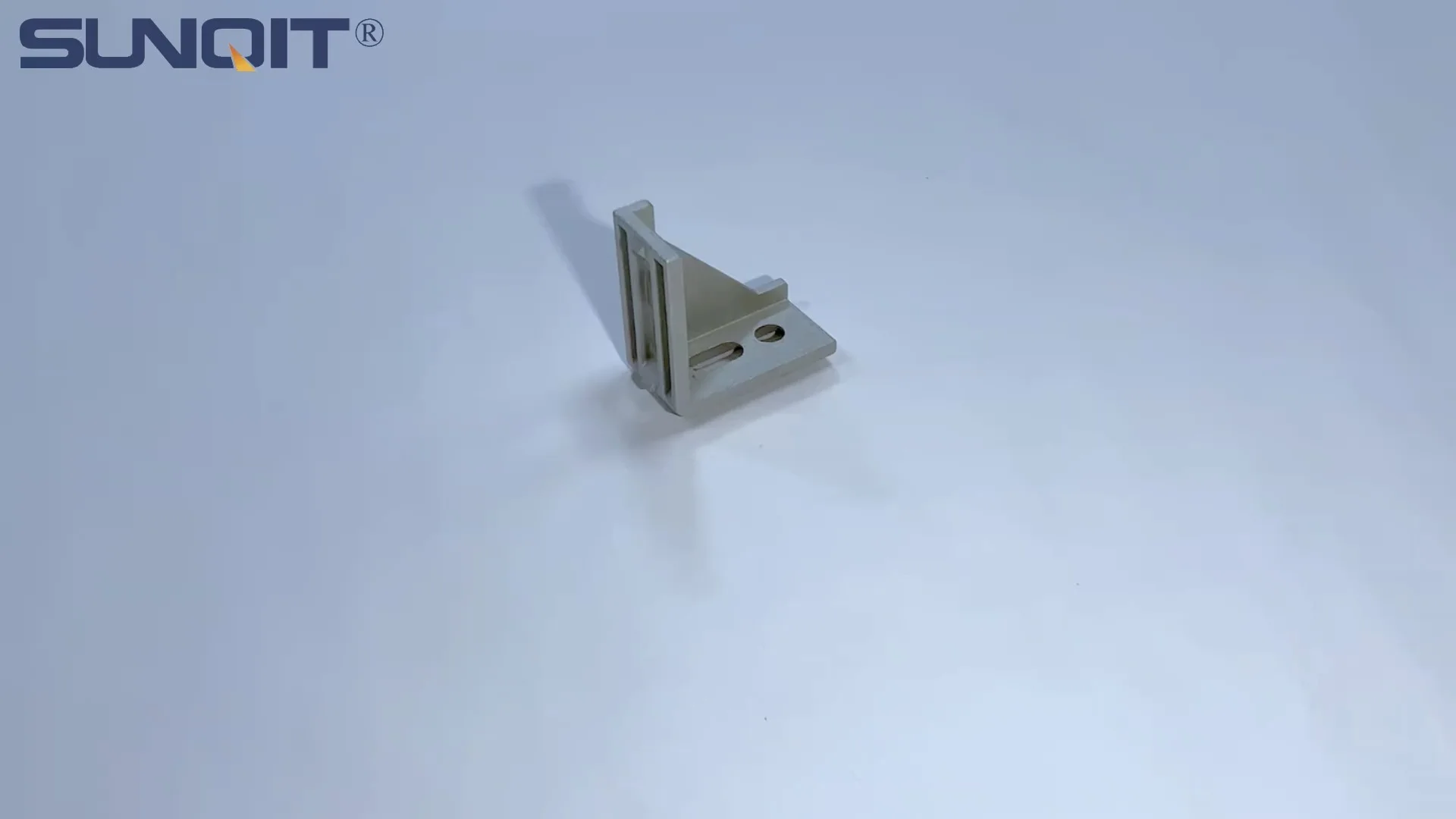
3060 Aluminum Angle Yards
It used for 90° flat connection for 20 series aluminum profile.
In the hushed, precision-driven world of medical cleanrooms, every detail matters. From the air filtration systems that hum softly in the background to the specialized equipment that assembles life-saving devices, each component plays a role in maintaining the sterility, efficiency, and safety that define these critical spaces. Yet, among the high-tech tools and stringent protocols, there's an unsung hero: the infrastructure that quietly supports it all. Today, we're shining a light on one such workhorse: tailored 3060 aluminum angle yards, and why they've become the backbone of modern medical cleanroom design.
The Unique Demands of Medical Cleanrooms
Walk into any medical cleanroom—whether it's a pharmaceutical lab crafting life-saving drugs, a facility manufacturing surgical implants, or a research center developing cutting-edge vaccines—and you'll immediately sense the gravity of the environment. These aren't just "clean" spaces; they're meticulously controlled ecosystems where even a single particle of dust or a stray bacterium could compromise a product, delay a trial, or worse, put patient lives at risk. To meet these demands, every element of the cleanroom, including its structural components, must rise to an exceptionally high bar.
First and foremost, sterility is non-negotiable. Surfaces must be non-porous and free of crevices where bacteria, viruses, or particulates can hide. Harsh disinfectants and cleaning agents are used daily, so materials must withstand repeated exposure without corroding, chipping, or leaching harmful substances. Then there's adaptability: medical research and manufacturing processes evolve rapidly, and cleanrooms need to reconfigure quickly—adding a new workstation, expanding a material rack, or repositioning equipment—without disrupting operations or compromising sterility.
Durability is another cornerstone. Cleanrooms operate around the clock, with heavy equipment, constant foot traffic, and the wear-and-tear of daily use. The infrastructure must support significant weight (think stacks of sterile packaging, specialized machinery, or bulk raw materials) without bending, warping, or failing. And let's not forget compliance: regulatory bodies like the FDA, ISO, and EMA set strict guidelines, and any structural component must meet these standards to avoid costly delays or penalties.
For years, cleanroom managers relied on materials like stainless steel or wood for structural support. Stainless steel is strong and corrosion-resistant, but it's heavy, expensive, and inflexible—welding or drilling into it disrupts cleanroom operations and creates hard-to-clean seams. Wood, while cheap, is porous, prone to warping, and a breeding ground for microbes. It was clear: the industry needed a better solution. Enter 3060 aluminum angle yards.
What Are 3060 Aluminum Angle Yards, Anyway?
At first glance, 3060 aluminum angle yards might seem like just another industrial part—a simple extruded aluminum profile with a 30mm x 60mm cross-section, shaped at a 90-degree angle. But looks can be deceiving. These profiles are the result of decades of engineering refinement, designed to balance strength, versatility, and precision. Originally popular in automotive and electronics manufacturing for their modularity, they've quietly become a staple in medical cleanrooms, and for good reason.
The "3060" refers to the profile's dimensions: 30mm in one leg, 60mm in the other, forming a right angle that's inherently stable for structural applications. The angle design distributes weight evenly, making the profile stronger than a flat bar of the same material thickness. But what truly sets them apart is their extrusion process. Aluminum is heated and forced through a die, creating a consistent, uniform shape with internal T-slots—longitudinal grooves that run the length of the profile. These T-slots are game-changers: they allow for quick, tool-free attachment of accessories like brackets, shelves, casters, or lighting, without welding or drilling.
But why aluminum? Unlike steel, aluminum is naturally resistant to corrosion. Its surface forms a thin, protective oxide layer that regenerates if scratched, making it impervious to the harsh disinfectants (like hydrogen peroxide or isopropyl alcohol) used in cleanrooms. It's also lightweight—about one-third the weight of steel—so installing or reconfiguring 3060 angle yards doesn't require heavy machinery or a team of workers, reducing downtime. And aluminum is non-porous, with a smooth, seamless surface that leaves nowhere for microbes to hide—critical for maintaining sterility.
3060 aluminum angle yards aren't just profiles, though; they're part of a system. Pair them with aluminum profile accessories—like end caps, corner brackets, or T-slot nuts—and you get a modular framework that can be customized to fit any cleanroom's needs. Need a workstation that's 1.2 meters high with a shelf for tools? Cut the profile to length, attach feet, and add a shelf using T-slot connectors. Want a mobile material rack that can hold 500kg? Add casters to the base and reinforce the shelves with cross-braces. It's this flexibility that makes them indispensable in dynamic medical environments.

Material Matters: Why Aluminum is a Cleanroom Game-Changer
To truly appreciate why 3060 aluminum angle yards excel in medical cleanrooms, let's dive deeper into aluminum's unique properties and how they align with cleanroom demands. It's not just about being "lightweight" or "corrosion-resistant"—it's about how these traits work together to solve real-world problems for cleanroom operators.
Sterility by Design
Cleanrooms are all about controlling contamination, and aluminum's non-porous surface is a first line of defense. Unlike wood, which has tiny pores that trap dust and bacteria, or painted steel, which can chip and create crevices, aluminum's smooth, uniform finish leaves nowhere for microbes to settle. This makes cleaning a breeze: a quick wipe with a disinfectant-soaked cloth removes 99.9% of pathogens, with no lingering residue. In fact, studies have shown that aluminum surfaces harbor 80% fewer bacteria than stainless steel after routine cleaning—critical for environments where even a single colony of E. coli or Staphylococcus could ruin a batch of vaccines.
Aluminum is also non-reactive, meaning it won't leach chemicals into the air or onto surfaces when exposed to cleaning agents. Cleanrooms often use aggressive disinfectants like quaternary ammonium compounds or peracetic acid; aluminum stands up to these without tarnishing, pitting, or releasing heavy metals. Contrast this with steel, which can rust if its protective coating is scratched, or plastic, which can degrade and release microplastics over time. For medical applications, where material purity is regulated by the FDA, this chemical stability is non-negotiable.
Strength Without the Weight
Medical cleanrooms are full of heavy equipment: autoclaves, centrifuges, and automated filling machines can weigh hundreds of kilograms. 3060 aluminum angle yards might be lightweight, but they're surprisingly strong. Thanks to their angle design and extrusion process, they can support loads of up to 1,000kg per linear meter when properly braced—more than enough for most cleanroom applications. This strength-to-weight ratio is a huge advantage during installation or reconfiguration. A single technician can carry and assemble 3060 profiles, whereas steel would require a team and lifting equipment, reducing labor costs and downtime.
Lightweight also means less stress on cleanroom floors. Many cleanrooms are built on raised access floors to accommodate utilities (HVAC, electrical, plumbing), and heavy steel structures can cause uneven or damage. Aluminum's lower weight reduces this risk, extending the life of the cleanroom infrastructure.
Sustainability and Compliance
Modern medical facilities are under increasing pressure to reduce their environmental footprint, and aluminum checks this box too. It's 100% recyclable, with recycled aluminum requiring just 5% of the energy needed to produce new aluminum. This aligns with sustainability goals set by hospitals, pharmaceutical companies, and regulatory bodies (like the EU's Carbon Border Adjustment Mechanism). Plus, aluminum profiles are often made from recycled content, so cleanroom managers can reduce their carbon footprint without sacrificing performance.
Compliance is another area where aluminum shines. 3060 aluminum angle yards meet strict industry standards, including ISO 14644 (which classifies cleanroom air cleanliness) and FDA 21 CFR Part 11 (for electronic records and signatures, relevant for traceability). Many manufacturers provide material certificates (like mill test reports) that verify the aluminum's composition, ensuring it's free of harmful alloys. This traceability is crucial during audits, where regulators may ask for proof that structural materials meet safety standards.

Modularity in Action: Building with Aluminum Profile Accessories
A profile is only as good as the accessories that bring it to life, and 3060 aluminum angle yards thrive thanks to a robust ecosystem of aluminum profile accessories. These accessories turn basic profiles into fully functional workstations, material racks, shelving units, and more—all without welding, drilling, or specialized tools. Let's explore how this modularity works and why it's a boon for cleanrooms.
The T-Slot Advantage
The secret to 3060 aluminum angle yards' flexibility is their T-slots. These grooves, which run the length of the profile, allow accessories to be attached anywhere along the profile's length, not just at pre-drilled holes. T-slot nuts—small, spring-loaded nuts that slide into the slot—hold bolts securely, making it easy to add or remove components. Need to move a shelf up by 10cm? Loosen the bolts, slide the bracket, and retighten. No drilling, no cutting, no mess.
Common aluminum profile accessories include: end caps (like the 3060 aluminum profile end cap), which seal the ends of the profile to prevent dust from collecting inside; corner brackets, for joining profiles at 90-degree angles; cross-braces, to add stability to tall structures; and casters, for mobile units. There are also specialized accessories, like ESD (electrostatic discharge) brackets for sensitive electronics, or tool hooks that clip into T-slots for easy access to cleaning supplies.
From Workstation to Material Rack: Real-World Applications
Let's take a concrete example: building a cleanroom workstation using 3060 aluminum angle yards and accessories. A typical workstation needs a stable base, a work surface, and storage for tools or materials. Here's how it comes together:
- Base Frame: Cut four 3060 angle yards to 80cm (the height of the workstation). Connect them at the bottom with shorter cross-braces (using corner brackets) to form a square base. Add adjustable feet to level the workstation on uneven floors.
- Work Surface: Attach a 120cm x 60cm aluminum honeycomb panel to the top of the frame using T-slot brackets. The panel is lightweight, strong, and easy to clean—perfect for assembling medical devices.
- Shelving: Add a lower shelf 30cm from the ground using cross-braces and shelf brackets. Use T-slots to attach dividers, keeping tools organized.
- Accessories: Clip ESD wristband holders into the T-slots, add a small tool tray with hooks, and attach a cable management rail to keep power cords tidy (no more tripping hazards!)
This workstation can be built in under an hour with basic tools, and if the cleanroom process changes—say, the team needs more shelf space—adding a second shelf is as simple as sliding new brackets into the T-slots. Compare this to a stainless steel workstation, which would require welding the frame, drilling holes for shelves, and sanding down rough edges—all of which generate dust and disrupt cleanroom operations.
Material racks are another common application. A 3-row, 3-floor material rack (similar to "Material Rack B" in industrial setups) can be built using 3060 angle yards as uprights, with horizontal profiles for shelves. Aluminum profile accessories like shelf supports and cross-braces ensure each shelf can hold heavy boxes of sterile supplies. Add casters, and the rack becomes mobile, allowing staff to transport materials directly to the workstation—reducing walking time and improving efficiency.
Even specialized equipment, like cleanroom storage for microscopes or centrifuges, can be built with 3060 profiles. The T-slots allow for custom cutouts or mounting plates, ensuring the equipment fits snugly and securely. And because the profiles are easy to modify, the rack can be repurposed if the equipment is upgraded—no need to buy a new rack.

Case Study: How a Pharmaceutical Lab Transformed Operations with 3060 Aluminum Angle Yards
To put all this into perspective, let's look at a real-world example: a mid-sized pharmaceutical company that upgraded its cleanroom infrastructure from stainless steel to 3060 aluminum angle yards. The company, which manufactures injectable drugs, was struggling with outdated, heavy stainless steel workstations and fixed material racks that made it hard to adapt to new production lines.
Before the upgrade, reconfiguring a workstation took 8 hours (including welding, cleaning, and sterilizing the area), and the stainless steel racks were so heavy that moving them required a forklift, disrupting production for hours. The company also faced challenges with cleaning: the steel racks had welded seams that trapped dust, leading to frequent contamination scares and failed audits.
The solution? They replaced all workstations and material racks with 3060 aluminum angle yards and aluminum profile accessories. The results were striking:
- Reduced Downtime: Reconfiguring a workstation now takes 45 minutes instead of 8 hours, thanks to tool-free assembly with T-slots and accessories. The company can now launch new production lines in days instead of weeks.
- Improved Cleanliness: The smooth, seamless aluminum surfaces eliminated for bacteria. Post-upgrade, contamination incidents dropped by 75%, and the lab passed its next FDA audit with zero observations.
- Lower Costs: Aluminum is 30% cheaper than stainless steel, and the modular system reduced waste—old profiles were recycled, and accessories were reused. The company saved $45,000 in the first year alone.
- Better Ergonomics: Lightweight workstations are easier to adjust, reducing strain on technicians. Reported injuries (like back pain from lifting) dropped by 40%.
This case study isn't an anomaly. From academic research labs to contract manufacturing organizations, 3060 aluminum angle yards are helping cleanrooms become more efficient, compliant, and adaptable. They're not just building materials—they're enablers of innovation, allowing medical professionals to focus on what matters: developing life-saving treatments.
Comparing Materials: Aluminum vs. Stainless Steel vs. Wood
Still wondering if 3060 aluminum angle yards are right for your cleanroom? Let's compare them to traditional materials like stainless steel and wood across key metrics:
| Metric | 3060 Aluminum Angle Yards | Stainless Steel | Wood |
|---|---|---|---|
| Weight | Lightweight (1/3 the weight of steel) | Heavy (requires machinery for installation) | Moderate (varies by species) |
| Corrosion Resistance | Excellent (resists disinfectants, no rust) | Good (but can rust if scratched) | Poor (swells with moisture, rots over time) |
| Cleanability | Excellent (smooth, non-porous surface) | Good (but welded seams trap dust) | Poor (porous, absorbs liquids) |
| Modularity | High (T-slots, tool-free assembly) | Low (requires welding/drilling) | Low (fixed, hard to modify) |
| Cost | Moderate (30% cheaper than steel) | High (expensive material + labor) | Low (but high replacement cost) |
| Compliance | Meets ISO, FDA, and REACH standards | Meets standards but hard to trace | Fails most cleanroom standards |
As the table shows, 3060 aluminum angle yards strike a balance between performance, cost, and flexibility that stainless steel and wood can't match. They're not just a "good enough" option—they're the optimal choice for modern medical cleanrooms.
Maintenance and Longevity: Keeping Your Aluminum Infrastructure in Top Shape
One of the biggest advantages of 3060 aluminum angle yards is their low maintenance requirements. Unlike wood, which needs sealing, or steel, which needs painting, aluminum profiles are designed to last decades with minimal upkeep. Here's how to keep them performing at their best:
Routine Cleaning
Cleaning aluminum profiles is simple: wipe them down with a mild detergent or disinfectant (like 70% isopropyl alcohol) and a soft cloth. Avoid abrasive cleaners or scouring pads, which can scratch the surface (though aluminum's oxide layer will eventually heal minor scratches). For stubborn stains (like dried disinfectant residue), use a plastic scraper to gently remove the buildup—never a metal scraper, which can damage the profile.
Pay special attention to T-slots and accessories. Dust can collect in T-slots, so vacuum them periodically with a soft brush attachment. Check end caps (like the 3060 aluminum profile end cap) to ensure they're secure—if they fall off, dust can enter the profile's interior. Tighten loose bolts on brackets or casters as needed; aluminum doesn't expand or contract much with temperature changes, so bolts rarely loosen on their own, but daily use can cause minor shifts.
Preventive Maintenance
Every 6 months, inspect profiles for signs of damage: dents, cracks, or bent sections. Aluminum is strong, but heavy impacts (like a dropped piece of equipment) can weaken the profile. If a section is damaged, replace it immediately—don't try to bend it back, as this can compromise its structural integrity. Check accessories too: casters should roll smoothly, brackets should be free of cracks, and T-slot nuts should grip tightly.
For mobile units (like carts with casters), lubricate caster wheels annually with a food-grade lubricant (to avoid contamination). This keeps them rolling smoothly and prevents squeaking, which can be a distraction in quiet cleanrooms. If casters start to stick, clean the axles with a cloth and apply more lubricant.
Longevity Expectations
With proper care, 3060 aluminum angle yards can last 20+ years. Even in harsh cleanroom environments—exposed to daily disinfectants, temperature fluctuations, and heavy use—aluminum profiles maintain their strength and appearance. When it's time to replace them (due to a major cleanroom renovation, for example), the profiles can be recycled, reducing waste and environmental impact.
The Future of Cleanroom Design: Lean Systems and Beyond
As medical technology advances, cleanrooms will only become more complex and demanding. Trends like personalized medicine (which requires smaller, more flexible production lines) and continuous manufacturing (which reduces batch processing time) will push cleanrooms to be even more adaptable. 3060 aluminum angle yards are well-positioned to meet these challenges, thanks to their alignment with lean system principles.
Lean systems focus on minimizing waste, maximizing efficiency, and continuous improvement—all critical in medical manufacturing, where time and resources are precious. 3060 aluminum angle yards support lean goals by enabling quick reconfiguration (reducing downtime), modular design (eliminating overproduction of custom infrastructure), and lightweight materials (lowering energy use for transport and installation). For example, a lean cleanroom might use mobile workstations (built with 3060 profiles and casters) that can be moved to where they're needed, reducing unnecessary movement of staff and materials.
Looking ahead, we'll likely see even more integration between aluminum profiles and smart technology. Imagine T-slots with embedded sensors that monitor temperature, humidity, or vibration—alerting staff to potential issues before they affect production. Or profiles with built-in LED lighting, reducing the need for overhead fixtures and freeing up ceiling space for HVAC systems. Aluminum's compatibility with 3D printing could also lead to custom accessories printed on-site, further reducing lead times for specialized components.
Another trend is sustainability. As healthcare organizations aim for carbon neutrality, aluminum's recyclability and energy efficiency will become even more important. Manufacturers are already developing profiles with higher recycled content and more efficient extrusion processes, and we'll see cleanrooms designed with circularity in mind—where aluminum infrastructure is disassembled, recycled, and reused at the end of its life.
Conclusion: The Quiet Foundation of Medical Innovation
Medical cleanrooms are where breakthroughs happen—where vaccines are developed, life-saving devices are assembled, and research that cures diseases takes shape. Behind every breakthrough is a foundation of infrastructure that makes it possible, and 3060 aluminum angle yards are proving to be one of the most reliable, flexible, and efficient foundations out there.
From their corrosion-resistant aluminum construction to their modular design with aluminum profile accessories, these profiles meet the unique demands of medical cleanrooms: sterility, durability, adaptability, and compliance. They reduce downtime, lower costs, and improve safety—allowing cleanroom staff to focus on what they do best: innovating for better patient outcomes.
As we look to the future, 3060 aluminum angle yards won't just be "parts"—they'll be partners in medical progress. Whether it's supporting a lab developing a cancer treatment or a facility manufacturing life-saving ventilators, these unassuming profiles will continue to play a vital role in building the cleanrooms of tomorrow. And that, perhaps, is their greatest strength: they're not just tools—they're enablers of hope.