- Company Articles
- Products and Technology
- Solution
- Tailored Duplex Aluminum Pipe Joint Solutions for Warehouse Logistics

Tailored Duplex Aluminum Pipe Joint Solutions for Warehouse Logistics
Related Product
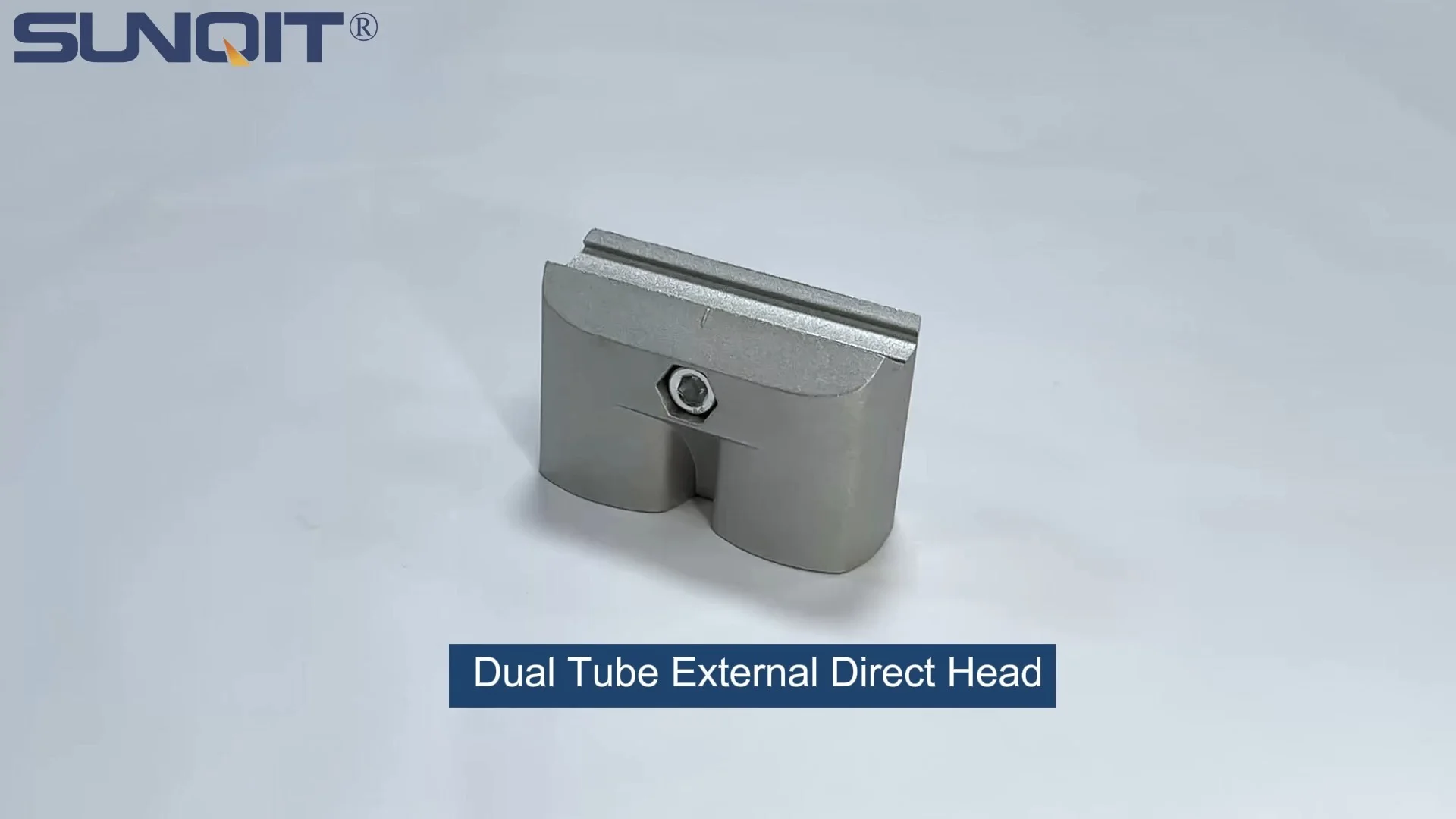
Duplex Aluminum Pipe Joint
Duplex Aluminum pipe joint used for one pcs 28pcs aluminum pipe and one pcs of 28mm duplex pipe connection in straight angle.
In the fast-paced world of warehouse logistics, every second counts. From the moment raw materials arrive to the final shipment of finished products, the efficiency of your workspace directly impacts your bottom line. Yet, many facilities struggle with rigid, one-size-fits-all infrastructure that can't keep up with changing production needs, seasonal demands, or evolving product lines. This is where tailored solutions—built around the versatility of duplex aluminum pipe joints—step in to transform chaos into clarity, and inefficiency into opportunity.
The Core of Adaptable Logistics: Duplex Aluminum Pipe Joints
At the heart of any flexible warehouse system lies its ability to adapt. Traditional steel or plastic structures often feel like trying to fit a square peg into a round hole: they're sturdy, but once assembled, they're nearly impossible to reconfigure without extensive time and labor. Duplex aluminum pipe joints change that narrative entirely. These innovative connectors are designed to bridge aluminum pipes with precision, allowing for quick adjustments, custom angles, and modular expansions—all without welding, drilling, or specialized tools.
What makes duplex aluminum pipe joints so unique? Unlike fixed steel joints, they feature a dual-locking mechanism that balances strength with flexibility. Twist the joint to lock pipes in place for stable structures like workbenches or material racks, then unlock and reposition when your workflow shifts. This adaptability is a game-changer for warehouses handling multiple product sizes, experimenting with new assembly lines, or scaling operations up (or down) to meet demand.
Beyond Joints: Key Components in Tailored Solutions
While duplex aluminum pipe joints are the "glue" that holds these systems together, they're most powerful when paired with complementary components. Let's break down the essentials that turn a simple pipe-and-joint setup into a fully optimized logistics ecosystem:
Aluminum Profile: The Backbone of Durability
Duplex joints shine brightest when paired with high-quality aluminum profile. Unlike heavier steel or less durable plastic, aluminum profiles offer the perfect blend of strength and lightweight maneuverability. They resist corrosion, stand up to daily wear and tear, and—thanks to their smooth, T-slot design—easily integrate with accessories like roller tracks, shelves, and tool holders. Whether you're building a heavy-duty material rack or a lightweight assembly workbench, aluminum profiles provide a consistent, reliable foundation that grows with your needs.
Roller Track: Streamlining Material Flow
Material handling is where warehouse logistics often hit a bottleneck. Pushing heavy bins across static surfaces, manually lifting items onto shelves, or struggling with uneven workflows can slow down operations and increase the risk of worker fatigue. Enter roller track: a simple yet effective addition to any duplex aluminum system. These tracks, made from durable plastic or aluminum, use gravity or minimal force to glide materials from one workstation to the next. When paired with duplex joints, roller tracks can be angled, extended, or split to create custom paths—whether you need a straight line for assembly, a curved section to navigate around equipment, or a multi-tiered setup for sorting products by priority.
Workbench: The Hub of Productivity
Every warehouse needs a central hub where tasks like packaging, quality checks, or small-scale assembly take place. A generic workbench might get the job done, but a tailored workbench—built with duplex aluminum joints and aluminum profiles—takes productivity to new heights. Imagine a workstation with adjustable height to accommodate ergonomic needs, integrated roller track extensions to feed materials directly into the workspace, and modular shelves for tools and supplies. Need to add a keyboard tray for digital tracking? Just clip it onto the T-slot aluminum profile. Shift to a new product that requires more surface area? Unlock the duplex joints, add a few extra pipes, and your workbench expands in minutes.

Real-World Applications: How These Solutions Transform Warehouses
Theory is one thing, but real impact happens on the warehouse floor. Let's look at a few scenarios where tailored duplex aluminum pipe joint solutions have made a measurable difference:
Scenario 1: The Seasonal Shifter – A clothing manufacturer experiences a 50% surge in orders during the holiday season. Their existing static racks can't accommodate the extra inventory, and setting up temporary steel shelving would take days. Using duplex aluminum joints, aluminum profiles, and roller tracks, they assemble three additional material racks in under four hours. When the season ends, they disassemble the racks, repurpose the pipes and joints into mobile workbenches for post-holiday inventory checks, and free up floor space—no storage headaches, no wasted resources.
Scenario 2: The Assembly Line Innovator – An electronics plant introduces a new smartphone model with a different component layout. Their old assembly line, built with fixed steel workbenches, would require a full redesign. Instead, they reconfigure their existing duplex aluminum workbenches: adjusting heights, adding roller track sections to feed new components, and attaching custom tool holders. The line is up and running in a single shift, minimizing downtime and keeping production on schedule.
| Aspect | Traditional Fixed Systems | Tailored Duplex Aluminum Systems |
|---|---|---|
| Flexibility | Rigid; requires disassembly and replacement for changes. | Modular; reconfigure joints and pipes in minutes. |
| Cost Over Time | High; frequent replacements for evolving needs. | Low; reuse components across multiple setups. |
| Installation Time | Hours to days (welding, drilling required). | Minutes to hours (tool-free assembly). |
| Adaptability to Change | Poor; struggles with new product sizes or workflows. | Excellent; adjusts to shifts in demand or layout. |

Why Choose Tailored Duplex Aluminum Solutions?
At this point, you might be wondering: Is this worth the investment? The short answer is yes—and here's why:
1. Reduced Downtime, Increased Output – When you can reconfigure a workbench or extend a roller track in 15 minutes instead of 15 hours, you're keeping your team focused on what matters: moving products. Less time spent on setup means more time spent on production, packaging, and shipping.
2. Long-Term Cost Savings – While the upfront cost of aluminum profiles and duplex joints might be slightly higher than basic steel or plastic, their reusability pays off. Instead of buying new racks or workbenches every time your needs change, you're repurposing existing components—cutting down on waste and future expenses.
3. Worker Satisfaction and Safety – A cluttered, rigid workspace isn't just inefficient; it's a safety risk. Tailored systems let you design ergonomic workbenches at the right height, clear pathways with roller tracks, and reduce heavy lifting. Happier, safer workers are more productive—and less likely to miss days due to injury.
4. Scalability Without Stress – Whether you're a small warehouse testing a new product line or a large facility expanding to a second location, duplex aluminum systems scale with you. Add a few extra pipes and joints to grow, or disassemble and relocate components to downsize temporarily—no stress, no hassle.

Conclusion: Building the Warehouse of Tomorrow, Today
Warehouse logistics isn't just about storing and moving goods—it's about creating a workspace that adapts to your unique challenges, goals, and growth. Tailored duplex aluminum pipe joint solutions do exactly that: they turn static infrastructure into a dynamic, responsive ecosystem where change is not a problem, but an opportunity.
By combining the flexibility of duplex aluminum pipe joints with the durability of aluminum profiles, the efficiency of roller tracks, and the functionality of custom workbenches, you're not just investing in tools—you're investing in a future where your warehouse can keep up with whatever comes next. So why settle for rigid, outdated systems when you can build something that grows, evolves, and thrives alongside your business?
The future of warehouse logistics is adaptable. And it starts with the right joints, the right components, and a vision for what your workspace can become.